How to Plug a Tire
To plug a tire, first locate the puncture by carefully examining the tread and sidewalls. Remove any embedded objects such as nails or glass.
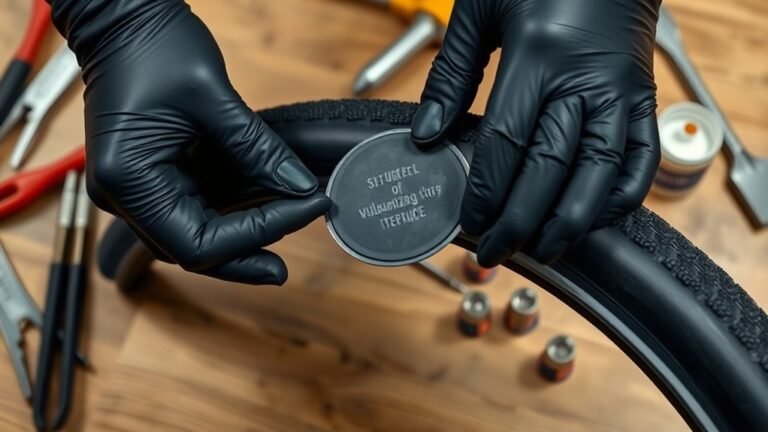
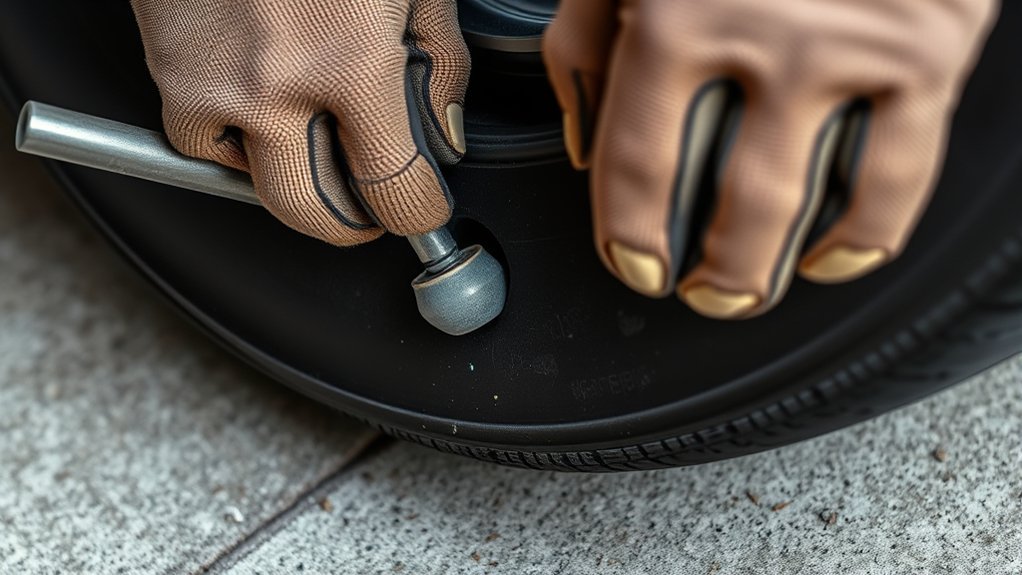
Next, use a tire plug kit to clean the hole with the reamer tool. Insert the plug securely using the insertion tool, making sure it is firmly in place.
Trim any excess plug material so it is flush with the tire surface. Inflate the tire to the recommended pressure and check for leaks by applying soapy water to the repair area.
If the damage appears severe or the puncture is on the sidewall, it’s best to seek professional help. Keep going to learn how to do each step safely and effectively.
Key Takeaways
- Locate the puncture by inspecting the tire and using soapy water to identify air leaks.
- Gather a tire plug kit with reamer, insertion tool, rubber plugs, pliers, rubber cement, and a pressure gauge.
- Clean the hole with a reamer, insert a rubber plug using the insertion tool, then trim excess plug flush with the tire.
- Inflate the tire to recommended pressure and check for leaks using soapy water around the plug area.
- Avoid plugging large, sidewall, or multiple punctures and seek professional help for unsafe damage.
How to Locate and Inspect a Tire Puncture Before Plugging
Where exactly is the puncture on your tire? Start by carefully examining the tire’s tread and sidewalls for any visible signs of damage. Look for nails, screws, or sharp objects embedded in the rubber.
If you don’t spot anything obvious, run your fingers along the tire to feel for any unusual bumps or cuts. You can also spray soapy water on the tire surface; bubbles will form where air escapes, pinpointing the puncture.
Once you find the hole, inspect its size and location. Small punctures in the tread area are usually repairable, while damage on the sidewall or large gashes may require tire replacement. Properly locating and ensuring the puncture is addressed correctly before plugging it.
Tools Needed to Plug a Tire Safely
What tools do you need to plug a tire safely? First, grab a tire plug kit, which usually includes a reamer, plug insertion tool, and rubber plugs. The reamer helps clean and enlarge the puncture hole, ensuring the plug fits snugly.
Use the plug insertion tool to push the plug into the hole securely. You’ll also need a pair of pliers to remove any embedded objects, like nails. Have some rubbing alcohol or tire sealant handy to clean the area before plugging.
Lastly, a tire pressure gauge is essential to check the pressure after the repair. Using these tools correctly ensures a safe, effective plug without damaging your tire further. Keep everything within reach before you start.
Step-by-Step Guide to Plugging Your Tire
A successful tire plug starts with locating the puncture and removing any debris lodged in the hole. First, use a tire reamer tool to clean and widen the puncture, making it easier for the plug to adhere.
Begin a tire plug by finding the puncture and clearing debris with a tire reamer tool.
Next, thread a plug strip through the insertion tool, coating it with rubber cement if available. Push the plug firmly into the hole until about half an inch remains outside.
Then, quickly pull out the insertion tool, leaving the plug in place. Finally, trim the excess plug material flush with the tire surface. Make sure the plug is secure and the puncture sealed.
This step-by-step method helps restore your tire’s integrity, getting you back on the road safely and efficiently.
How to Check for Leaks and Properly Inflate Your Tire After Repair
After you’ve plugged your tire, you’ll want to check for leaks to guarantee the repair holds. Start by inflating the tire to the manufacturer’s recommended pressure using a reliable air compressor or pump.
Next, mix water with a little dish soap and apply it around the plug and the puncture area. Watch carefully for bubbles forming, which indicate escaping air. If bubbles appear, your plug might not be sealed properly, and you should address the issue again.
After confirming no leaks, use a tire pressure gauge to verify the tire holds the correct pressure. Proper inflation ensures safe driving and extends tire life. Finally, reinstall the tire on your vehicle, and you’re ready to hit the road with confidence.
Signs You Should Skip Plugging and See a Professional
If your tire has severe damage or a puncture on the sidewall, you should skip plugging it yourself. These issues compromise the tire’s integrity and can’t be safely fixed with a plug.
It’s best to have a professional inspect and repair or replace the tire.
Severe Tire Damage
How can you tell when a tire is too damaged for a simple plug repair? Sometimes plugging isn’t enough, and you need a professional’s help to keep safe. Watch out for these signs of severe tire damage:
- Large punctures or tears: Holes bigger than 1/4 inch usually can’t be plugged effectively.
- Multiple punctures close together: Repairs in close proximity weaken the tire’s structure.
- Bulges, cuts, or exposed cords: These indicate compromised integrity beyond a plug’s fix.
If you notice any of these, don’t risk it. Visit a tire shop. They’ll assess if a patch, plug-patch combo, or full tire replacement is necessary to ensure your safety and your vehicle’s performance.
Sidewall Punctures
Why should you avoid plugging sidewall punctures? The sidewall flexes constantly while driving, making plugs unreliable and unsafe in this area. Patching a sidewall can lead to blowouts or sudden air loss, putting you at risk. When you spot damage on the sidewall, it’s best to consult a professional rather than attempting a plug.
Here’s when you should skip plugging and seek expert help:
| Condition | Risk Level | Recommended Action |
|---|---|---|
| Large puncture | High | Replace tire |
| Multiple punctures | High | Replace tire |
| Sidewall crack | High | Professional check |
| Bulge or bubble | Very High | Immediate replacement |
| Deep cut on sidewall | Very High | Immediate replacement |
Essential Tire Maintenance Tips After Plugging a Tire
What steps should you take after plugging a tire to keep it safe and reliable? First, you want to ensure the repair holds up during everyday use.
After plugging, regularly check your tire’s pressure to catch any slow leaks early. Keep an eye out for unusual vibrations or noises, which might indicate a problem with the repair.
Lastly, don’t ignore routine tire inspections. Here’s what you should do:
- Monitor tire pressure weekly, adjusting as needed
- Inspect the plug area for cracks or wear every few hundred miles
- Rotate your tires regularly to promote even wear
Frequently Asked Questions
Can Tire Plugs Be Used on All Types of Tires?
You can’t use tire plugs on all tires. They work best on tubeless tires with small punctures in the tread, but aren’t suitable for sidewall damage or tires with inner tubes.
Always check your tire type first.
How Long Does a Tire Plug Typically Last?
A tire plug typically lasts for several months to a few years, depending on driving conditions and tire care.
You shouldn’t rely on it permanently; it’s best to get a professional repair or replacement soon after plugging.
Is It Safe to Drive Long Distances After Plugging a Tire?
You shouldn’t drive long distances after plugging a tire. Plugs are temporary fixes meant for short trips to the repair shop.
For your safety, get a professional tire repair or replacement as soon as possible.
Can Tire Plugs Cause Damage to the Tire Pressure Monitoring System?
Like a shadow that follows you, tire plugs usually won’t damage your tire pressure monitoring system. Just make sure the plug is installed correctly, so your sensors keep working smoothly without sending false alarms or confusion.
Are Tire Plugs Waterproof and Weather-Resistant?
Yes, tire plugs are waterproof and weather-resistant. They’re designed to seal punctures effectively, keeping moisture and dirt out.
Just make sure you install them properly to maintain a reliable seal in all conditions.
Conclusion
Plugging your tire is like patching a small leak in a boat—it keeps you afloat until you reach safety. Remember, a quick fix can save your day, but it’s not forever.
Studies show 85% of tire plugs hold up well when done right, so follow the steps carefully. If you notice anything unusual, don’t hesitate to see a pro.
Keep up with tire care, and you’ll keep rolling smoothly and safely. Proper tire care, including how to plug a tire correctly, ensures your journey remains safe and uninterrupted.