Can Fuel Stabilizer Go Bad
Yes, fuel stabilizer can go bad. If you store it too long or improperly, it loses effectiveness, which allows fuel to degrade faster and causes gum, varnish, and corrosion in your engine.
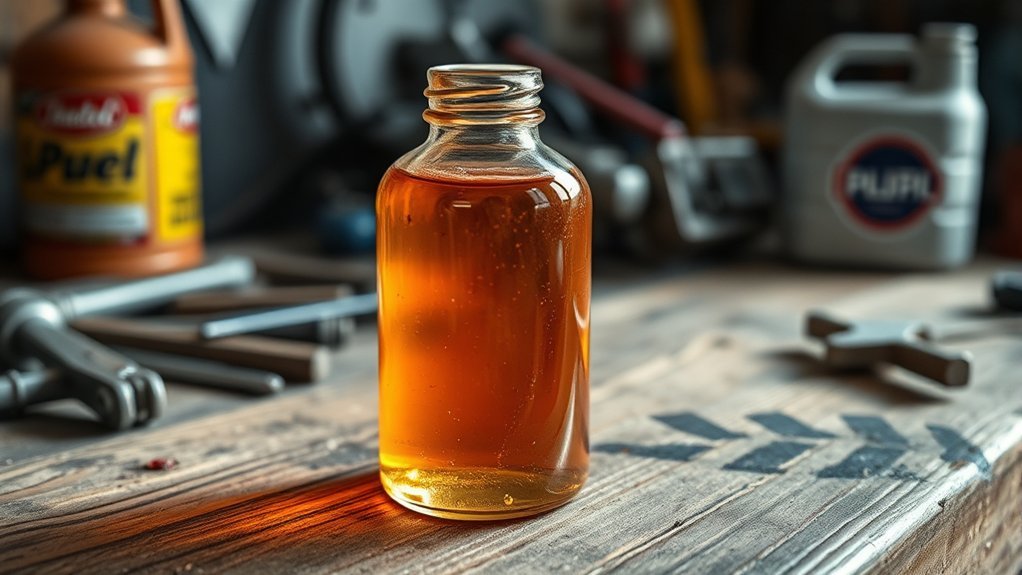
Look for color changes, cloudiness, particles, or a sour smell as signs it’s time to replace the stabilizer. Always keep it sealed and stored in a cool, dry place to maintain its quality.
Understanding how to spot and prevent stabilizer spoilage can help protect your fuel and engine health. Proper storage and timely replacement are key to ensuring your fuel stabilizer works when you need it most.
Key Takeaways
- Fuel stabilizer can go bad, especially after its expiration date or if stored improperly.
- Expired stabilizer loses effectiveness, leading to faster fuel degradation and increased corrosion risk.
- Signs of bad stabilizer include color changes, cloudiness, particles, and off or sour smells.
- To maintain potency, fuel stabilizer should be stored in a cool, dry place, tightly sealed, and used within 12 months after opening.
- If stabilizer is past expiration or shows spoilage signs, replacing it ensures proper fuel protection and engine performance.
Can Fuel Stabilizer Go Bad?
How long does fuel stabilizer last before it goes bad? Generally, fuel stabilizer has a shelf life of about two to three years when stored properly. You should keep it in a cool, dry place away from direct sunlight to maintain its effectiveness.
Over time, the chemical compounds in the stabilizer can break down, reducing its ability to prevent fuel degradation. If you notice any changes in color, consistency, or smell, it’s a sign that the stabilizer may have gone bad.
Using expired stabilizer won’t protect your fuel properly and could lead to engine problems. To ensure your fuel stays fresh, always check the expiration date on the container and replace the stabilizer if it’s past that point.
How Long Does Fuel Stabilizer Last in Storage?
Wondering about the storage lifespan of fuel stabilizer? Typically, unopened fuel stabilizer lasts about 2 to 3 years when stored properly. You should keep it in a cool, dry place away from direct sunlight and extreme temperatures to maintain its effectiveness.
Once you open the container, try using it within 12 months for best results, as exposure to air can gradually reduce its potency. Always check the product label for specific expiration dates or recommendations.
If you store fuel stabilizer correctly, it can help keep your fuel fresh for extended periods, but its shelf life varies by brand and formulation. Keeping track of storage time ensures you use stabilizer that will perform as expected when you need it.
What Happens When Fuel Stabilizer Expires?
Knowing how long fuel stabilizer lasts helps you plan its use, but you might still wonder what happens when it expires. Once fuel stabilizer passes its shelf life, its chemical effectiveness diminishes.
You’ll notice it won’t protect your fuel as well from oxidation and degradation. This means your stored fuel could start breaking down faster, leading to gum and varnish buildup in your engine.
Additionally, expired stabilizer might not prevent moisture accumulation, which can cause corrosion and damage fuel system components. Using old stabilizer won’t necessarily harm your engine immediately, but it defeats the purpose of keeping your fuel fresh.
To avoid issues, it’s best to replace expired stabilizer with a fresh batch to ensure your fuel remains stable and your engine runs smoothly.
How to Tell If Your Fuel Stabilizer Has Gone Bad
Can you tell if your fuel stabilizer has gone bad just by looking at it? Often, you can spot signs like changes in color or consistency. If it’s cloudy, separated, or has particles floating, that’s a red flag.
Look for color changes, cloudiness, separation, or particles to spot if your fuel stabilizer has gone bad.
Also, check the smell. If it’s off or sour, it might be degraded. Don’t rely solely on appearance; old stabilizer may lose effectiveness even if it looks normal.
Always note the expiration date on the bottle, and if it’s past, it’s safer to replace it. If you’re unsure, test it in a small amount of fuel and observe any changes over time.
Staying alert to these signs helps you avoid using ineffective fuel stabilizer.
Can Using Old Fuel Stabilizer Harm Your Engine?
Using old fuel stabilizer can cause it to break down and lose effectiveness, which might lead to fuel contamination. You could notice your engine running rough or struggling to start as a result.
Recognizing these signs early helps you avoid serious performance issues.
Effects Of Degraded Stabilizer
How does a degraded fuel stabilizer impact your engine’s performance? When stabilizer breaks down, it loses its ability to keep fuel fresh, which can cause several issues. You might not notice problems immediately, but over time, the effects become clear.
- Fuel Breakdown: Old stabilizer fails to prevent oxidation, leading to gum and varnish buildup in your fuel system.
- Clogged Components: Deposits can clog fuel filters and injectors, restricting fuel flow and reducing efficiency.
- Corrosion Risk: Degraded stabilizer may allow moisture to form, causing rust inside the fuel tank and engine parts.
Using a degraded stabilizer compromises your engine’s protection, increasing wear and maintenance needs without directly causing immediate engine damage.
Engine Performance Risks
What happens to your engine when the fuel stabilizer has gone past its prime? Using old or degraded stabilizer can put your engine at risk. When the stabilizer loses effectiveness, it fails to prevent fuel breakdown and oxidation, leading to varnish and gum buildup inside your engine.
This buildup clogs fuel injectors and carburetors, causing poor fuel flow and inefficient combustion. You might notice your engine misfiring, running rough, or struggling to start. Over time, these issues can reduce engine power and fuel economy, and even cause costly damage.
To protect your engine’s performance, always use fresh, effective fuel stabilizer. Don’t take chances with expired products. They won’t safeguard your engine and could lead to avoidable repairs.
Signs Of Fuel Contamination
Why does fuel contamination matter, and how can old fuel stabilizer contribute to it? Contaminated fuel can cause engine issues, and using expired stabilizer might fail to prevent breakdowns or even worsen the fuel quality.
You might not realize your fuel is contaminated until you spot these signs:
- Engine Misfires or Hesitation: Your engine may sputter or hesitate during acceleration due to clogged injectors or dirty fuel.
- Rough Idling: Contaminated fuel disrupts combustion, causing uneven engine idling or stalling.
- Reduced Fuel Efficiency: If your engine consumes more fuel than usual, it could indicate degraded fuel quality.
If you notice these symptoms, check your fuel and stabilizer’s freshness to protect your engine’s health.
How to Store Fuel Stabilizer Properly and When to Toss It
Although fuel stabilizer can extend the life of your gasoline, you need to store it correctly to keep it effective. Keep the stabilizer in a cool, dry place away from direct sunlight and heat sources.
Make sure the container is tightly sealed to prevent air and moisture from getting in, which can degrade the formula. Avoid storing it near chemicals or fumes that could cause contamination.
Check the expiration date on the bottle; most stabilizers last about 2-3 years unopened. If the stabilizer changes color, thickens, or smells off, it’s time to toss it. Using expired or compromised stabilizer won’t protect your fuel properly, risking engine problems.
Proper storage ensures your stabilizer works when you need it most.
Other Ways to Keep Fuel Fresh Without Stabilizer
You can keep fuel fresh without using stabilizer by focusing on proper storage techniques. Always use airtight containers to prevent moisture and air from spoiling the fuel.
Keeping your fuel in a cool, shaded place also helps maintain its quality over time.
Proper Storage Techniques
Proper storage techniques play an essential role in keeping fuel fresh without relying on stabilizers. You can extend fuel’s life by controlling where and how you store it. Follow these three key steps:
1. Keep it cool and shaded
Store fuel in a cool, dry place away from direct sunlight to slow down oxidation and evaporation.
2. Avoid temperature fluctuations
Sudden changes in temperature cause condensation inside containers, which can degrade fuel quality.
3. Store fuel in small quantities
Using smaller containers means you’ll use the fuel faster, reducing the chance of stale fuel sitting unused.
Use Airtight Containers
How can you keep fuel fresh without relying on stabilizers? One effective way is to use airtight containers. These containers limit exposure to air, reducing oxidation and evaporation, which helps maintain fuel quality longer.
When choosing containers, ensure they seal tightly and are made of materials compatible with fuel.
Here’s a quick guide to container options:
| Container Type | Airtight Seal Quality | Best For |
|---|---|---|
| Metal Jerry Can | Excellent | Long-term storage |
| Plastic Gas Can | Good | Frequent use |
| Glass Bottle | Variable | Small quantities |
| Steel Drum | Excellent | Bulk storage |
| Specialized Fuel Container | Excellent | Aviation & marine |
Using the right container protects fuel from moisture and contaminants, keeping it fresh without additives.
Maintain Cool Temperatures
Where you store your fuel plays a big role in keeping it fresh. High temperatures speed up fuel degradation, so keeping your fuel cool helps preserve its quality without needing stabilizers.
Here are three easy ways to maintain cool temperatures:
- Store fuel containers in a shaded area, away from direct sunlight.
- Keep fuel in a well-ventilated garage or basement, where temperatures stay lower.
- Avoid placing fuel near heat sources like water heaters or engines.
Frequently Asked Questions
Can Fuel Stabilizer Be Used in Diesel Engines?
Yes, you can use fuel stabilizer in diesel engines to keep the fuel fresh and prevent degradation. Just make sure you choose a stabilizer specifically designed for diesel, so it works effectively and protects your engine.
Does Fuel Stabilizer Affect Fuel Economy?
You won’t see improved mileage, nor will you face decreased efficiency; fuel stabilizer keeps fuel fresh, preventing degradation.
Is Fuel Stabilizer Safe for Marine Engines?
Yes, you can safely use fuel stabilizer in marine engines. It prevents fuel breakdown and keeps your engine running smoothly, especially during storage.
Just make sure to use the correct amount and follow the product instructions carefully.
Can I Mix Different Brands of Fuel Stabilizer?
You absolutely can mix different brands of fuel stabilizer, but don’t expect fireworks! Just make sure their ingredients are compatible.
Mixing wildly different formulas might cause a chemical soap opera in your tank, so proceed cautiously.
How Often Should I Add Fuel Stabilizer to Seasonal Equipment?
You should add fuel stabilizer every time you fill your seasonal equipment’s tank before storage. This keeps fuel fresh and prevents gum buildup, ensuring your equipment runs smoothly when you’re ready to use it again.
Conclusion
Just like the ancient elixirs that promised eternal youth but lost their magic over time, fuel stabilizer isn’t immune to aging. If you want your engine to run smoothly, don’t let old stabilizer linger—its effectiveness fades, and it can do more harm than good.
Store it right, check its freshness, and replace it when needed. Treat your fuel like a precious potion, and your engine will thank you with lasting power.
Remember, fuel stabilizer can go bad, so always use fresh product for the best results.