Can a Bad Fuel Pump Cause a Misfire
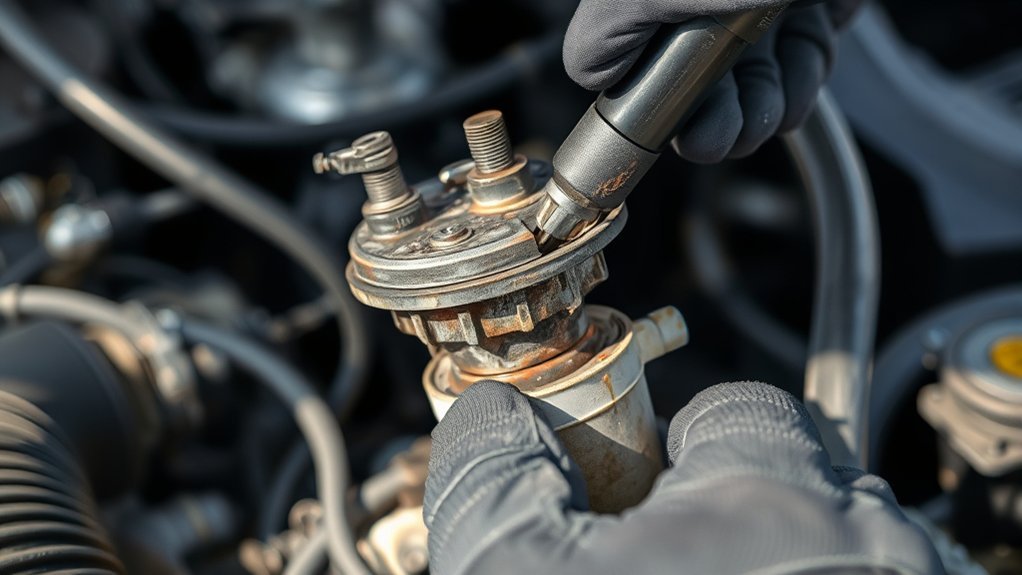
Yes, a bad fuel pump can cause a misfire by failing to deliver the right amount of fuel consistently. When the fuel pump does not maintain adequate pressure, your engine receives a lean air-fuel mixture. This imbalance leads to rough idling, hesitation, and misfires that reduce power.
Over time, these misfires can cause damage to engine components. You might also notice trouble starting the vehicle or a loss of power when under load.
Understanding how to spot and fix fuel pump issues can help keep your engine running smoothly and safely.
Key Takeaways
- A bad fuel pump delivers inconsistent or low fuel pressure, causing a lean air-fuel mixture that leads to engine misfires.
- Misfires occur due to incomplete combustion from inadequate fuel supply caused by fuel pump failure.
- Fuel pump issues create rough engine performance, hesitation, and loss of power linked to misfires.
- Diagnosing misfires includes checking fuel pressure fluctuations under load to identify fuel pump problems.
- Replacing a faulty fuel pump restores proper fuel flow and prevents misfires and engine damage.
How a Fuel Pump Affects Engine Performance
How exactly does a fuel pump influence your engine’s performance? Your fuel pump delivers gasoline from the tank to the engine at the right pressure, ensuring efficient combustion.
If the pump supplies fuel inconsistently or at low pressure, your engine won’t get the proper air-fuel mixture, which affects power output and smoothness. When the fuel flow is steady and adequate, your engine runs efficiently, producing optimal power and fuel economy.
The pump’s role is crucial because it maintains the proper fuel pressure needed for the fuel injectors to spray fuel correctly into the combustion chamber. Without a properly functioning fuel pump, your engine struggles to perform well, even if other components are in good shape.
Common Symptoms of a Bad Fuel Pump
A failing fuel pump often shows clear signs that you can spot before it completely breaks down. Recognizing these symptoms early helps you avoid getting stranded or damaging your engine.
Here are some common signs that your fuel pump might be going bad:
| Symptom | What You Might Notice | How It Affects You |
|---|---|---|
| Engine Sputtering | Jerky or uneven running at high speeds | Reduced acceleration and power |
| Difficulty Starting | Engine takes longer to start or won’t start | Frustration and possible no-start |
| Loss of Power | Car struggles uphill or under load | Unsafe driving conditions |
If you catch these symptoms, it’s wise to have your fuel pump inspected and replaced if needed.
How Fuel Pump Problems Cause Engine Misfires
When your fuel pump struggles, it can’t deliver the right amount of fuel to your engine. This shortage causes your engine to misfire, leading to rough performance and reduced power.
Understanding how these fuel delivery issues impact your engine helps you spot the problem early.
Fuel Delivery Issues
Why does a faulty fuel pump often lead to engine misfires? It’s because the pump struggles to deliver the right amount of fuel to your engine consistently. When the fuel pump can’t maintain proper pressure, the fuel injectors don’t get enough fuel, causing the air-fuel mixture to run lean.
This imbalance makes your engine cylinders misfire, as they don’t get the fuel they need for efficient combustion.
You might notice rough idling or hesitation during acceleration, both signs of fuel delivery issues. Inconsistent fuel flow can also cause your engine to stall or fail to start.
Engine Performance Impact
How exactly do fuel pump problems impact your engine’s performance and cause misfires? When your fuel pump fails to deliver the right amount of fuel, your engine doesn’t get the proper air-fuel mixture it needs to run smoothly. This imbalance leads to incomplete combustion, causing cylinders to misfire.
You’ll notice rough idling, hesitation during acceleration, and a drop in power. Inconsistent fuel pressure can also trigger your check engine light and cause your vehicle to stall unexpectedly.
Essentially, a weak or failing fuel pump disrupts the engine’s rhythm, making it struggle to maintain optimal performance. If you ignore these signs, misfires may worsen, damaging ignition components and catalytic converters. So, addressing fuel pump issues quickly is vital to keep your engine running reliably.
Comparing Fuel Pump Issues With Other Misfire Causes
What sets fuel pump issues apart from other causes of engine misfires? Unlike spark plug or ignition coil problems, a failing fuel pump primarily affects fuel delivery, leading to inconsistent engine performance. While other misfire causes usually involve ignition or air intake systems, a bad fuel pump disrupts the fuel pressure, starving the engine of necessary fuel.
Here’s how fuel pump issues compare with other misfire causes:
Fuel Pump Issues: Cause lean fuel mixture, leading to hesitation and stalling.
Ignition Problems: Result in weak or no spark, causing rough idling and poor acceleration.
Air Intake Faults: Lead to improper air-fuel ratio, causing uneven engine running.
Understanding these differences helps you focus on the right area when troubleshooting your misfire.
How to Diagnose Misfires From a Bad Fuel Pump
To diagnose misfires caused by a bad fuel pump, start by checking your fuel pressure to guarantee it’s within specs. Next, inspect the pump’s electrical connections for any signs of damage or wear.
Finally, test your engine’s performance under different conditions to confirm if the pump is the root cause.
Checking Fuel Pressure
Where should you start when diagnosing misfires caused by a bad fuel pump? Checking the fuel pressure is essential. You’ll want to measure the pressure at the fuel rail using a pressure gauge. This helps determine if the pump delivers adequate fuel flow to the engine.
Here’s what to focus on:
- Connect a fuel pressure gauge to the test port on the fuel rail.
- Turn the ignition on to prime the pump and observe the pressure reading.
- Start the engine and watch for fluctuations or drops in pressure under load.
If the pressure is below manufacturer specs or fluctuates, the fuel pump might be weak or failing, causing misfires. Accurate fuel pressure ensures proper combustion, so this step is vital before moving on to electrical checks.
Inspecting Pump Electricals
How can you tell if the fuel pump’s electrical system is causing your engine to misfire? Start by inspecting the wiring and connectors leading to the pump. Look for damaged insulation, loose connections, or corrosion, as these can disrupt power flow.
Use a multimeter to check voltage at the pump’s electrical connector while the ignition is on; it should match the battery voltage. If the voltage is low or fluctuates, the wiring or relay may be faulty.
Also, listen for a consistent humming sound when you turn the key. No sound might mean the pump isn’t receiving power. Finally, check the fuel pump relay and fuse for faults. Addressing these electrical issues can pinpoint whether your misfire stems from an inconsistent fuel supply due to pump electrical problems.
Testing Engine Performance
Wondering if your engine misfire is caused by a bad fuel pump? Testing engine performance can help you pinpoint the issue quickly. Start by monitoring how your engine runs under different conditions.
Look for hesitation, sputtering, or loss of power, especially during acceleration. Use a fuel pressure gauge to check if the pump maintains proper pressure levels. Low or inconsistent pressure often signals a failing pump contributing to misfires.
Here’s how to diagnose efficiently:
- Check fuel pressure at the rail with a gauge to spot drops or fluctuations.
- Observe engine response during acceleration and idle for stalling or roughness.
- Scan for trouble codes using an OBD-II reader that might indicate fuel delivery problems.
These steps help confirm if the fuel pump is behind the misfire.
How to Test Your Fuel Pump for Misfires
Testing your fuel pump for misfires starts with checking the fuel pressure to ensure it’s delivering the right amount of fuel to your engine. Use a fuel pressure gauge by connecting it to the fuel rail’s test port. Turn the ignition on without starting the engine to read the pressure.
Compare the reading to your vehicle’s specifications. If the pressure is low or fluctuates, your fuel pump may be failing. Next, listen for a consistent humming noise from the fuel tank when the ignition is on. An irregular sound could indicate a problem.
You can also perform a fuel volume test by running the pump and measuring how much fuel it delivers in a set time. If these tests show irregularities, your fuel pump likely needs repair or replacement.
How Fuel Pump Problems Cause Engine Hesitation
When your fuel pump struggles to deliver fuel consistently, your engine can hesitate during acceleration. You’ll notice reduced power and a delayed throttle response that makes driving feel sluggish.
Understanding these signs can help you pinpoint fuel pump issues before they get worse.
Inconsistent Fuel Delivery
One common sign of a failing fuel pump is inconsistent fuel delivery, which can cause your engine to hesitate or stutter during acceleration. When the pump doesn’t supply fuel steadily, your engine struggles to maintain smooth performance.
This inconsistency can lead to misfires or rough idling, especially when you press the gas pedal hard.
You might notice:
- Sudden drops in engine power during acceleration
- Engine stalling or surging unexpectedly
- Difficulty maintaining a steady speed
These symptoms happen because the fuel pump can’t keep the pressure constant, disrupting the air-fuel mixture your engine needs. If you experience hesitation, it’s wise to check your fuel pump, as inconsistent fuel delivery directly affects how smoothly your engine runs.
Reduced Engine Power
A failing fuel pump can sap your engine’s power, causing noticeable hesitation as you try to accelerate. When the pump can’t supply enough fuel, your engine struggles to maintain the proper air-fuel mixture, leading to a drop in performance.
You’ll feel your vehicle lagging or stumbling, especially under load or during uphill drives. This reduced fuel pressure means your engine isn’t getting what it needs to run smoothly, resulting in loss of power and uneven acceleration.
If you ignore these signs, your driving experience becomes frustrating and potentially unsafe. So, if your car hesitates when you press the gas pedal, a weak fuel pump might be the culprit behind this power loss. Addressing it promptly keeps your engine running strong.
Delayed Throttle Response
Experiencing reduced engine power often goes hand in hand with delayed throttle response, another common sign of a failing fuel pump. When your fuel pump struggles to deliver consistent pressure, your engine hesitates as you press the accelerator.
This lag can feel like your car is slow to react or stutters before picking up speed. You might notice:
- Hesitation or stumbling when accelerating from a stop
- A noticeable delay between pressing the gas pedal and engine response
- Difficulty maintaining steady speed on inclines or during overtaking
These symptoms occur because insufficient fuel supply disrupts the air-fuel mixture, causing your engine to misfire or hesitate. If you’re experiencing these issues, it’s important to have your fuel pump checked to avoid further engine damage and restore smooth performance.
Fixing Fuel Pump Issues to Stop Misfires
How do you effectively fix fuel pump issues to stop engine misfires? First, you need to diagnose the problem accurately by checking fuel pressure with a gauge. If the pressure is low or inconsistent, the fuel pump is likely failing.
Replacing a faulty fuel pump is usually necessary to restore proper fuel delivery. Be sure to replace the fuel filter at the same time, as a clogged filter can strain the pump.
Replacing the fuel pump and filter together ensures optimal fuel flow and prevents unnecessary pump strain.
After installation, verify the new pump’s operation by measuring fuel pressure and testing for smooth engine performance. If you’re not confident in handling fuel system repairs, have a professional mechanic do the job to guarantee safety and reliability.
Properly fixing the fuel pump will help eliminate misfires caused by inadequate fuel supply.
Preventing Fuel Pump Failures and Misfires
Why wait for a fuel pump failure to cause engine misfires when you can take simple steps to prevent it? Maintaining your fuel pump’s health is key to avoiding misfires and costly repairs.
Here’s how you can keep your fuel system running smoothly:
Use quality fuel: Contaminants in poor fuel can clog your pump and filters.
Replace fuel filters regularly: This prevents debris buildup that strains the pump.
Keep your tank at least a quarter full: Running low causes the pump to overheat and wear out faster.
When to Replace Your Fuel Pump to Avoid Misfires
When should you replace your fuel pump to prevent engine misfires? You should act as soon as you notice symptoms like engine sputtering, loss of power, or difficulty starting. These signs often indicate the fuel pump isn’t delivering the right amount of fuel.
Replace your fuel pump at the first sign of sputtering, power loss, or starting issues to prevent engine misfires.
If you experience frequent misfires, it’s a red flag that your fuel pump might be failing. Don’t wait for a complete breakdown. Delaying replacement can cause further engine damage.
Regular maintenance checks can help you spot issues early. If diagnostic tests show low fuel pressure or inconsistent flow, it’s time to replace the pump. Taking prompt action ensures your engine runs smoothly and prevents costly repairs down the line.
Trust your instincts and address fuel pump problems quickly.
Frequently Asked Questions
What Types of Fuel Pumps Are Used in Modern Vehicles?
You’ll find two main types of fuel pumps in modern vehicles: mechanical pumps, often used in older models, and electric fuel pumps.
Electric fuel pumps are common today because they provide consistent pressure and better fuel delivery for efficient engine performance.
How Long Does a Typical Fuel Pump Last?
Think of your fuel pump as a heartbeat; it usually lasts 100,000 miles or more.
If you keep it healthy with clean fuel and regular checks, it’ll keep your engine’s rhythm steady and strong for years.
Can Using Ethanol Fuel Damage the Fuel Pump?
Yes, using ethanol fuel can damage your fuel pump because ethanol is more corrosive and can degrade rubber seals and fuel lines. It can also cause overheating in pumps not designed for ethanol blends, leading to premature failure.
Are Fuel Pump Issues Covered Under Vehicle Warranties?
About 80% of new vehicle warranties cover fuel pump issues. If your fuel pump fails due to a manufacturing defect, you’re usually protected.
Just check your warranty details to confirm coverage and avoid unexpected repair costs.
How Much Does Fuel Pump Replacement Usually Cost?
You’ll usually pay between $400 and $800 to replace a fuel pump, depending on your car’s make and model. Labor costs and parts quality can affect the price, so it’s smart to get a few quotes.
Conclusion
If your engine’s misfire feels like a stubborn hiccup, don’t overlook the fuel pump—it’s the heart that keeps fuel flowing. A bad fuel pump can starve your engine, causing those frustrating stutters and hesitation. By spotting symptoms early and acting fast, you’ll keep your ride smooth and reliable.
Remember, a healthy fuel pump isn’t just a part—it’s the pulse that keeps your journey alive. Don’t let a failing pump stall your drive! Yes, a bad fuel pump can cause a misfire, so addressing pump issues promptly is key to avoiding engine trouble.