What Does a Bad Wheel Bearing Sound Like
You’ll notice a bad wheel bearing sound as a steady humming, growling, or grinding noise coming from one corner of your vehicle that changes with speed and gets louder during turns. It often sounds like it’s coming straight from the wheel and isn’t just a one-time sound—it stays consistent.
These noises mean worn or damaged bearing parts, contamination, or lost lubrication. If you keep experiencing this, it’s important to understand why it happens and what you can do about it.
Key Takeaways
- A bad wheel bearing produces a consistent humming or growling noise from one vehicle corner.
- The noise often intensifies with speed and changes pitch during turns or weight shifts.
- Grinding or rough metallic sounds increase with acceleration, signaling worn bearing components.
- Clicking or popping noises during turns indicate uneven bearing wear or damage.
- Unlike brake or engine noises, bearing noise is steady, continuous, and unaffected by braking.
Why Does a Wheel Bearing Make Noise?
Why does a wheel bearing make noise? When you drive, the wheel bearing supports your vehicle’s weight and allows the wheel to spin smoothly. Over time, dirt, debris, or lack of lubrication can damage the bearing’s internal components.
As the bearing wears out, the metal parts start to grind against each other instead of rolling smoothly. This friction creates noise. You’ll usually notice the noise when the bearing’s grease breaks down or when corrosion sets in, causing roughness inside the bearing.
If you ignore this noise, the damage will worsen, affecting your wheel’s rotation and possibly leading to a dangerous failure. So, a noisy wheel bearing signals that its smooth operation is compromised due to wear, contamination, or loss of lubrication.
What Does a Bad Wheel Bearing Sound Like?
How can you tell if a wheel bearing is going bad just by sound? Typically, you’ll notice a consistent humming, growling, or grinding noise coming from one corner of your vehicle. This sound usually changes with your speed, getting louder as you accelerate or when you turn.
It might feel like the noise is coming from the wheel itself, often intensifying during curves or when weight shifts to the affected side. Unlike other noises, a bad wheel bearing’s sound is steady, not intermittent, and doesn’t usually pop or click.
Paying attention to these subtle audio clues can help you identify a failing bearing early, preventing further damage and ensuring your vehicle stays safe on the road.
What Noises Indicate Wheel Bearing Problems?
The steady humming or grinding sounds you hear from a bad wheel bearing are just the start. When your wheel bearing starts failing, you’ll notice specific noises that signal trouble. These sounds aren’t just annoying; they’re warnings you shouldn’t ignore.
Here are three key noises indicating wheel bearing problems:
- Grinding or growling: A rough, metallic noise that gets louder as you accelerate.
- Clicking or popping: Sounds when turning, showing the bearing is worn unevenly.
- Humming or rumbling: Continuous sounds that change with the load on the wheel.
If you catch any of these noises, it’s time to inspect your wheel bearings. Ignoring them risks safety and costly repairs.
How Does Wheel Bearing Noise Change With Speed and Turns?
When you drive faster or take sharp turns, you’ll notice wheel bearing noises change in pitch and intensity. As your speed increases, the humming or grinding sound often becomes louder and higher-pitched, making it easier to pinpoint the problematic wheel.
When you turn, the noise may shift or fluctuate because the load on the bearing changes. For example, turning right puts more pressure on the left wheel bearings, causing the noise to intensify on that side. Conversely, turning left will increase the noise from the right side.
What Other Noises Can Be Confused With Wheel Bearing Sounds?
You might mistake a bad wheel bearing noise for engine sounds, especially if the engine is running rough or idling oddly. Brake system noises, like grinding or squealing, can also mimic bearing issues when you slow down or stop.
Knowing these differences helps you pinpoint the real problem faster.
Engine Noise Similarities
How can you tell if that strange noise is really a bad wheel bearing? Engine noises can sometimes mimic the sounds of a failing bearing, making it tricky to diagnose. Here are three engine noise types that might confuse you:
1. Loose or worn belts
These create a rhythmic squealing or chirping, especially when accelerating, which can sound like a bearing grinding.
2. Exhaust leaks
A hissing or tapping noise near the engine can be mistaken for wheel bearing issues due to its repetitive nature.
3. Engine knocking or pinging
This usually comes from combustion problems and might resemble a rough, uneven noise similar to bearing wear.
Pay attention to where the noise originates and when it occurs to differentiate engine sounds from wheel bearing problems.
Brake System Sounds
Engine noises aren’t the only sounds that can mimic a failing wheel bearing. Your brake system can produce noises easily mistaken for bad wheel bearings.
For instance, worn brake pads or warped rotors often create grinding or squealing sounds. These noises usually change when you apply or release the brakes, unlike wheel bearing sounds that persist regardless of braking.
To help you distinguish, here’s a quick comparison:
| Noise Source | Sound Characteristics |
|---|---|
| Wheel Bearing | Continuous humming or grinding |
| Brake Pads | Squealing when braking |
| Warped Rotors | Pulsating or thumping noise |
| Loose Caliper | Rattling during driving |
| Brake Dust | Light squeaking or scraping |
Why You Shouldn’t Ignore a Noisy Wheel Bearing
Why does a noisy wheel bearing demand your immediate attention? Ignoring it can lead to severe consequences that affect your safety and wallet. When you hear that grinding or humming, it’s a warning sign you shouldn’t overlook.
Here are three reasons why you must act quickly:
- Safety risk: A failing wheel bearing can cause wheel wobble or even detach, leading to accidents.
- Increased damage: Continuing to drive with a bad bearing stresses other components like tires and suspension, raising repair costs.
- Reduced performance: Noise and vibration from a bad bearing lower your vehicle’s handling and fuel efficiency.
Paying attention to these noises ensures you stay safe and avoid costly repairs down the road. Don’t let a small sound turn into a big problem.
What Should You Do If Your Wheel Bearing Is Noisy?
Ignoring a noisy wheel bearing can quickly lead to bigger problems, so you’ll want to address the issue as soon as you notice it. First, avoid driving at high speeds or making sharp turns, as this can worsen the damage.
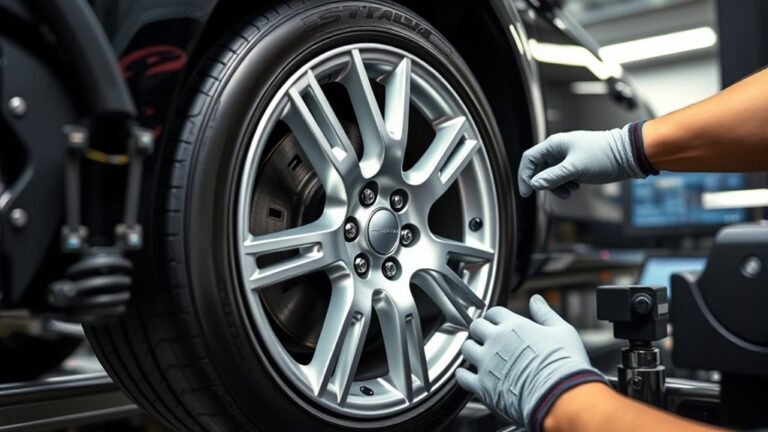
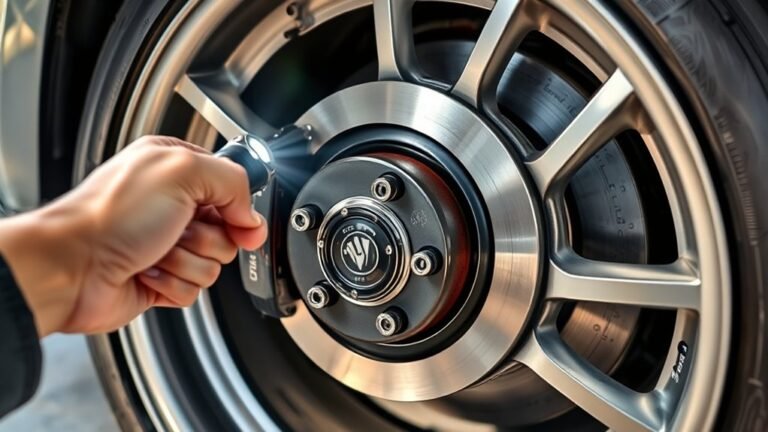
Schedule a professional inspection promptly to diagnose the problem accurately. If the mechanic confirms the wheel bearing is faulty, have it replaced immediately. Delaying repairs risks safety and can cause more expensive damage.
While waiting for repairs, drive cautiously and avoid rough roads. Remember, a noisy wheel bearing isn’t just an annoyance; it signals a critical safety concern.
Taking swift action protects your vehicle’s performance and ensures your safety on the road. Don’t ignore the sound—get it checked and fixed right away.
Frequently Asked Questions
How Long Do Wheel Bearings Typically Last?
You can expect wheel bearings to last anywhere from 85,000 to 100,000 miles. However, driving habits and road conditions can shorten their lifespan, so keep an ear out for unusual noises to catch issues early.
Can I Drive Safely With a Bad Wheel Bearing?
You shouldn’t drive safely with a bad wheel bearing because it can worsen quickly, causing noise, vibrations, or even wheel detachment.
Get it checked and repaired promptly to avoid accidents and costly damage.
How Much Does It Cost to Replace a Wheel Bearing?
They say, “A stitch in time saves nine.” Replacing a wheel bearing typically costs you between $150 and $400, depending on your car model and labor rates. Don’t wait, fix it before it worsens!
Are Wheel Bearing Noises Covered by Car Warranties?
You usually won’t find wheel bearing noises covered by standard warranties unless the issue results from a manufacturing defect.
Check your warranty details carefully, as coverage varies, and some extended plans might include wheel bearing repairs.
Can Wheel Bearing Issues Cause Uneven Tire Wear?
Yes, wheel bearing issues can cause uneven tire wear because a damaged bearing affects wheel alignment and balance. You’ll notice your tires wearing out faster on one side, so it’s important to get it checked promptly.
Conclusion
You might think a noisy wheel bearing is just a minor annoyance, but ignoring it could lead to bigger, costlier problems. What starts as a faint hum can quickly turn into a loud growl, threatening your safety. Don’t wait for the noise to become unbearable; act now.
By addressing it early, you protect both your car and your peace of mind. Turn that warning sound into a sign of smart care and avoid the dangers of a bad wheel bearing sound.