How to Add Coolant to Car
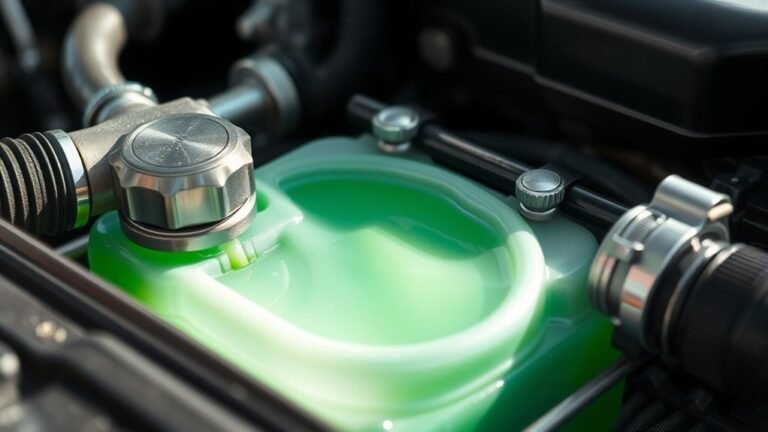
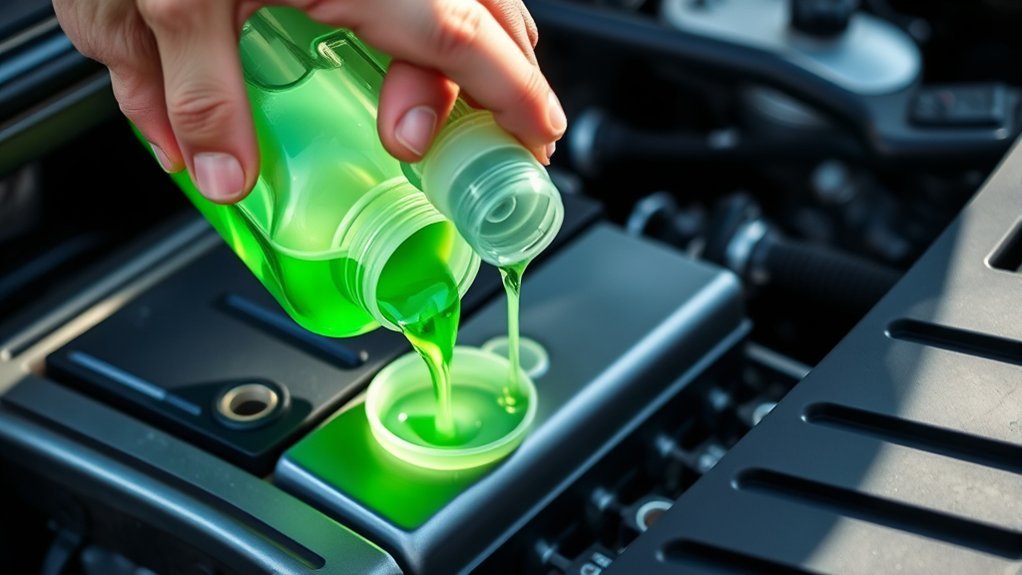
To add coolant to your car, first ensure the engine is completely cool to avoid burns. Locate the translucent coolant reservoir and check the level between the MIN and MAX marks. If the level is low, mix the correct coolant type with distilled water according to your vehicle’s manual.
Pour the mixture slowly up to the MAX line, then securely tighten the cap. Always use manufacturer-recommended coolant to avoid system damage. Following these steps maintains optimal engine temperature and prevents issues.
Learn how to keep your cooling system in top shape by regularly checking and adding coolant as needed. This simple maintenance helps ensure your car runs smoothly and efficiently.
How to Check Your Car’s Coolant Level Safely
Before you check your car’s coolant level, make sure the engine is completely cool to avoid burns from hot coolant or steam. Open the hood carefully and locate the coolant reservoir, usually a translucent plastic tank near the radiator.
Always ensure your engine is cool before checking the coolant reservoir to avoid burns.
Observe the minimum and maximum level markings on the side of the reservoir. If the coolant is below the minimum line, you’ll need to add more. Always prioritize coolant safety by wearing gloves and eye protection to prevent contact with toxic fluids.
Avoid opening the radiator cap when the engine’s hot to prevent pressure-related injuries. Additionally, monitor engine warning systems on your dashboard; these indicators can alert you to coolant-related issues early.
Regularly checking coolant levels ensures optimal engine temperature regulation and prevents overheating.
Choosing the Right Coolant for Your Vehicle
You need to select the correct type of coolant based on your vehicle’s manufacturer recommendations to ensure optimal performance. Refer to your owner’s manual and look for a coolant compatibility guide to avoid mixing incompatible fluids.
Using the right coolant prevents corrosion and maintains the cooling system’s efficiency.
Types Of Coolant
How do you determine which type of coolant is best for your vehicle? Understanding coolant chemistry is crucial. There are primarily three types: Inorganic Acid Technology (IAT), Organic Acid Technology (OAT), and Hybrid Organic Acid Technology (HOAT).
IAT uses silicates and phosphates to protect metal surfaces but requires frequent changes. OAT relies on organic acids for extended protection without silicates, ideal for newer engines. HOAT combines both, offering balanced protection and longevity.
Avoid engine cooling myths like “all coolants are interchangeable,” which can cause corrosion or reduced efficiency. Each coolant type has a specific additive package designed to protect your engine’s metals and maintain optimal heat transfer.
Selecting the wrong type risks damaging your cooling system, so focus on the chemistry rather than just color or brand.
Manufacturer Recommendations
A vehicle’s manufacturer provides the most reliable guidance on which coolant formulation to use, based on extensive testing specific to your engine’s materials and operating conditions. You should always consult the manufacturer guidelines found in your owner’s manual or service documentation.
These guidelines specify the coolant type, concentration, and change intervals aligned with labeling standards for safety and compatibility. When selecting coolant, consider these points:
- Match coolant type exactly as per manufacturer guidelines
- Verify coolant meets recognized labeling standards (e.g., ASTM, SAE)
- Use recommended coolant concentration ratios to prevent corrosion and overheating
- Follow specified drain and refill intervals to maintain system integrity
- Avoid mixing coolants that deviate from manufacturer specifications to prevent chemical incompatibility
Sticking to these recommendations ensures optimal engine protection and cooling system performance.
Coolant Compatibility Guide
Following manufacturer recommendations is key, but understanding coolant compatibility further ensures you select the right product for your vehicle’s cooling system. Coolant myths often confuse users, especially regarding color codes.
Don’t assume that matching colors guarantees compatibility; colors primarily indicate the type of antifreeze but don’t universally represent chemical formulations. For example, traditional green coolant uses Inorganic Acid Technology (IAT), while orange typically signifies Organic Acid Technology (OAT).
Mixing incompatible coolants can cause corrosion or reduce cooling efficiency. Always check your vehicle’s manual to identify the recommended coolant type, and avoid blending different formulations.
If uncertain, consult a professional or use coolant compatibility charts to verify that the coolant’s chemistry suits your vehicle. This ensures optimal protection and performance without risking damage from incompatible mixtures.
How to Add Coolant to Your Car
Before adding coolant to your car, ensure the engine is completely cool to prevent burns or pressure-related injuries. Proper coolant levels contribute to optimized ride quality and help maintain battery health by avoiding overheating.
Ensure the engine is cool before adding coolant to prevent injuries and maintain optimal vehicle performance.
To add coolant correctly, follow these steps:
- Locate the coolant reservoir, usually a translucent plastic tank near the radiator.
- Check the coolant level against the “MIN” and “MAX” marks.
- If low, mix coolant with distilled water as per your vehicle’s specifications.
- Slowly pour the mixture into the reservoir until it reaches the “MAX” line.
- Secure the reservoir cap tightly to avoid leaks or contamination.
Always use the coolant type recommended in your vehicle’s manual to preserve system integrity and prevent damage.
How and When to Flush Your Coolant
Maintaining the correct coolant level is just one part of keeping your car’s cooling system in ideal condition. Flushing your coolant is essential for effective car care and vehicle maintenance, as it removes contaminants and old antifreeze that degrade system performance.
You should flush the coolant every 30,000 to 50,000 miles or as specified in your vehicle’s manual. To flush, first ensure the engine is cool, then drain the radiator by opening the drain valve or removing the lower radiator hose.
Next, flush the system with distilled water to clear residual fluid and debris. Finally, refill with the appropriate coolant mixture. Performing regular flushes helps prevent corrosion, overheating, and prolongs the lifespan of your cooling system components.
How to Fix Coolant Overfill
If you notice coolant levels above the maximum mark, you’re dealing with an overfill that needs correction. Start by draining the excess coolant carefully to avoid pressure buildup or damage.
To prevent future overfills, always measure coolant precisely and follow your vehicle’s specifications.
Identifying Coolant Overfill
How can you tell if your car’s coolant system is overfilled? Identifying coolant overflow signs early helps prevent pressure build-up and potential damage.
Look for these indicators to confirm an overfill:
- Coolant leaking from the reservoir cap or overflow tube
- Swelling or bulging of the coolant reservoir
- Engine overheating despite sufficient coolant levels
- Coolant puddles under the vehicle, especially near the radiator
- Frequent need to top off coolant due to spillage
When identifying coolant overfill, always check the coolant level against the manufacturer’s specified max fill line. Overfilled systems compromise pressure regulation, so spotting these overflow signs enables timely corrective action before draining excess coolant.
Draining Excess Coolant
Since overfilled coolant systems can cause pressure issues and damage, draining the excess coolant is essential to restore proper levels. Start by ensuring the engine is cool to prevent burns or system pressure release. Wear protective gloves for drainage safety.
Place a suitable container under the radiator drain valve or petcock to catch the coolant. Slowly open the valve to allow excess fluid to flow out, monitoring the level closely to avoid draining too much.
Use absorbent mats or drip trays for spill containment, as coolant is hazardous and slippery. After draining, securely close the drain valve and properly dispose of the collected coolant according to local regulations.
Finally, check the coolant level with the dipstick or reservoir markings to confirm it’s within the manufacturer’s recommended range.
Preventing Future Overfills
Why does preventing future coolant overfills matter? Overfilling can cause pressure buildup, leaks, and damage to your cooling system. It’s essential to counter overheating myths by understanding correct coolant levels and avoiding unnecessary topping off.
To prevent future overfills, follow these steps:
Always check coolant levels when the engine is cold to avoid inaccurate readings. Use the manufacturer’s recommended coolant type and mixture ratio.
Avoid relying on radiator scents as an indicator of coolant condition. Regularly inspect the overflow reservoir for proper fill lines.
Educate yourself on the vehicle’s cooling system capacity to prevent guessing.
Common Coolant Problems and Fixes
Although maintaining proper coolant levels is essential, you might still encounter issues such as leaks, overheating, or contamination. To address leaks, inspect hoses and the radiator for visible cracks or corrosion. Modern radiator design often integrates plastic tanks that can crack under stress.
Overheating may stem from coolant degradation. Here, coolant recycling through professional flushing removes contaminants and restores efficiency. Contamination often appears as discoloration or sludge, indicating mixing with oil or rust, which requires immediate system flush and refill with manufacturer-recommended coolant.
Always use the proper coolant type to match your vehicle’s specifications. Regularly check pressure caps and thermostat operation, as malfunctioning parts can cause coolant circulation issues. Addressing these common problems promptly helps maintain optimal engine temperature and prolongs cooling system lifespan.
Tips to Maintain Proper Coolant Levels Year-Round
How often should you check your coolant levels to keep your engine running smoothly? Aim for at least once a month and before long trips. Maintaining proper coolant levels year-round prevents overheating and corrosion.
Avoid distractions like an unrelated topic or fiddling with a random gadget when performing checks. Follow these tips:
- Inspect coolant reservoir markings; fill between MIN and MAX levels.
- Check for leaks under your vehicle regularly.
- Use the manufacturer-recommended coolant type.
- Flush and replace coolant as per your car’s maintenance schedule.
- Monitor engine temperature gauge for abnormal readings.
Consistent attention ensures your cooling system operates efficiently, extending engine life and preventing costly repairs.
Frequently Asked Questions
Can I Use Water Instead of Coolant in an Emergency?
You can use water as an emergency improvisation water substitute, but only temporarily. It lacks antifreeze properties, so replace it with proper coolant ASAP to prevent overheating and corrosion.
This will ensure your engine’s optimal protection and performance.
How Long Does Coolant Typically Last Before Needing Replacement?
Oh, your coolant’s immortality myth ends at about 2 to 5 years. For proper coolant longevity, follow replacement intervals per your service schedule to avoid coolant aging, which degrades heat transfer and corrosion protection.
What Are the Symptoms of a Coolant Leak?
You’ll notice symptom timing like engine overheating or low coolant levels early on. Leak detection includes visible puddles, sweet smell, or steam.
Monitor these signs promptly to prevent engine damage and ensure timely repair.
Is It Safe to Mix Different Types of Coolant?
Is it safe mixing coolant like blending oil and water? No, you shouldn’t mix different types, as chemical reactions can harm your engine.
In an emergency, use water temporarily, but replace it with the correct coolant soon after.
Can Low Coolant Cause Engine Overheating Immediately?
Yes, low coolant can cause engine overheating quickly. In this two word discussion idea, insufficient coolant reduces heat transfer efficiency, leading to rapid temperature rise.
You should monitor levels regularly to prevent immediate engine overheating damage.