Where Is the Fuel Filter Located
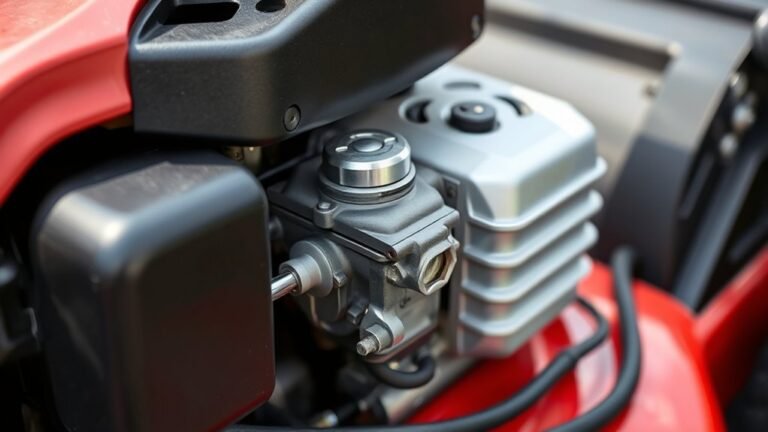
Your fuel filter is usually located along the fuel line between the fuel tank and engine, commonly mounted on the chassis or inline near the engine bay or tank. Its purpose is to trap contaminants before fuel reaches essential engine parts.
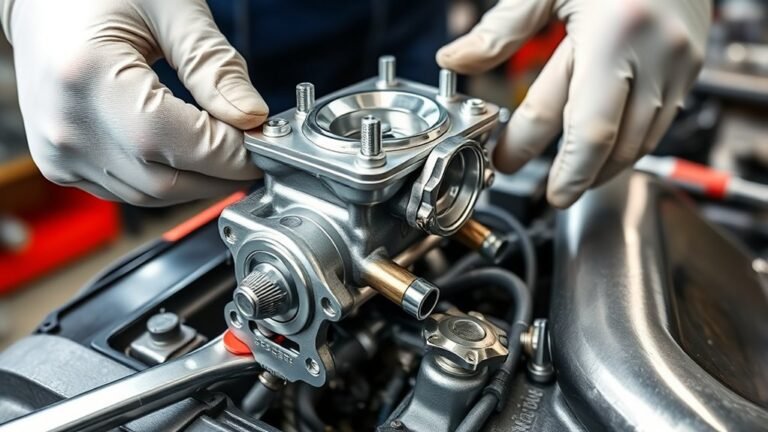
Placement varies by car model—it may be an inline canister, inside the fuel pump assembly, or under the vehicle. Knowing its location helps with inspection and maintenance to prevent fuel flow issues.
More details explain signs and safe handling.
Where to Find Your Fuel Filter
Where exactly is your fuel filter located? Typically, the fuel filter is integrated within the fuel system, positioned between the fuel tank and the engine. Its primary role is to remove contaminants before fuel reaches the engine, ensuring optimal combustion and protecting the air intake and engine components.
In most vehicles, you’ll find the fuel filter along the fuel line, either near the fuel tank or close to the engine bay. It’s often mounted on the chassis or in-line within the fuel rail. Understanding its location helps you monitor and maintain your fuel system’s efficiency.
How Fuel Filter Location Changes by Car Model
Fuel filter placement varies dramatically depending on the vehicle’s make and model, affecting how you access and service it. Understanding car model variability is essential before attempting maintenance. Reviewing fuel system diagrams specific to your vehicle will help pinpoint the exact location.
Common variations include:
- Inline fuel filters mounted along the fuel line, often near the fuel tank or engine bay.
- Canister-style filters integrated within the fuel pump assembly, common in modern vehicles.
- Under-carriage mounted filters attached to the frame rails for easier replacement.
Each design impacts accessibility and replacement procedures. Always consult your vehicle’s fuel system diagrams to locate the filter accurately. Recognizing these distinctions ensures efficient servicing and prevents damage during inspection or replacement.
How to Safely Check Your Fuel Filter
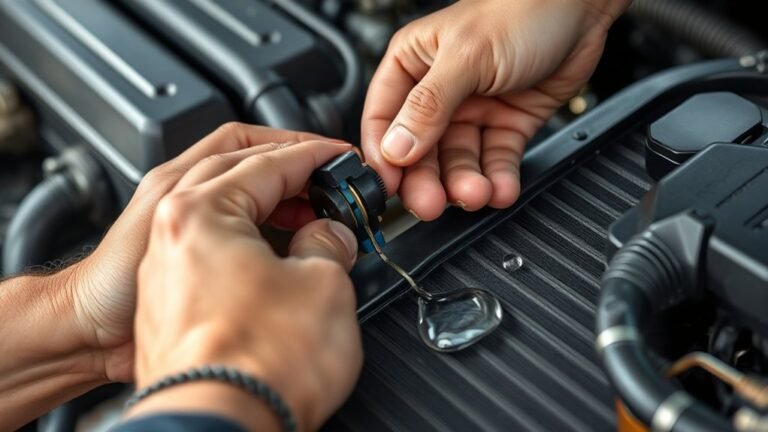
Before you dive in checking your fuel filter, make sure the engine is cool and the ignition is off to prevent any accidents. Begin by relieving the fuel system vacuum to avoid fuel spray when disconnecting the filter.
Locate the fuel filter based on your car model, then use lens magnification to closely inspect the filter’s exterior for cracks, corrosion, or leaks. Avoid removing the filter unless you’re certain it requires replacement.
Next, check the fuel lines and fittings for tightness and integrity. If your vehicle has a transparent fuel filter, observe the fuel flow for contaminants or discoloration.
Always wear safety gloves and eye protection, and work in a well-ventilated area to minimize inhalation risks. Following these steps ensures a safe and effective fuel filter check.
Signs Your Fuel Filter Is Clogged
If your fuel filter is clogged, you’ll notice engine performance issues such as hesitation or misfires. You might also see a drop in fuel efficiency due to restricted fuel flow.
Recognizing these signs early helps you address the problem before it worsens.
Engine Performance Issues
How can you tell when a clogged fuel filter is affecting your engine’s performance? Understanding engine basics helps you recognize symptoms early, ensuring safety precautions while diagnosing.
A restricted fuel filter limits fuel flow, causing:
- Engine misfires or hesitation during acceleration due to inconsistent fuel delivery
- Reduced power output, especially under load, as the engine starves for fuel
- Difficulty starting or stalling because the fuel system pressure drops below optimal levels
These signs indicate your engine isn’t receiving the proper fuel volume, risking damage if ignored. Always follow safety precautions like relieving fuel system pressure before inspecting or replacing the filter.
Fuel Efficiency Drops
Why does your fuel efficiency suddenly drop? A clogged fuel filter restricts fuel flow, forcing the engine to work harder and reducing fuel economy.
When contaminants accumulate, they hinder the precise fuel delivery needed for optimal combustion. This inefficiency causes your vehicle to consume more fuel than usual.
While fuel additives can help clean minor deposits, they won’t resolve significant blockages in the filter. Ignoring this issue may lead to increased fuel consumption and potential engine damage.
To maintain consistent fuel economy, regularly inspect and replace your fuel filter according to manufacturer guidelines. Addressing a clogged fuel filter promptly ensures efficient fuel flow, optimal engine performance, and prevents further degradation of your vehicle’s fuel system.
When and Why to Replace Your Fuel Filter
When should you replace your fuel filter to maintain ideal engine performance? The timing depends largely on your vehicle’s engine design and fuel system architecture, which dictate the filter’s capacity and placement. Replacing it at recommended intervals ensures contaminants don’t impair fuel flow or damage components.
Replace your fuel filter as recommended to prevent contaminants from disrupting fuel flow and damaging your engine.
You should replace your fuel filter when you notice:
- Reduced engine power or hesitation during acceleration
- Frequent stalling or difficulty starting the engine
- Contaminated fuel symptoms due to poor fuel quality or aging components
Ignoring these signs can lead to clogged filters, causing fuel starvation and increased wear on the fuel pump. Regular replacement preserves optimal fuel delivery and protects sensitive engine parts, maintaining performance and longevity aligned with your vehicle’s specific design parameters.
Fuel Filter Maintenance Tips
You’ll want to watch for signs like engine hesitation and reduced power, which often indicate a clogged fuel filter. Follow your vehicle’s manufacturer guidelines for replacement intervals to maintain optimal performance.
Regular checks and timely replacements prevent fuel system damage and ensure efficient fuel flow.
Signs of Clogged Filters
How can you tell if your fuel filter is clogged before it causes serious engine issues? Understanding the history of fuel filtration shows that early systems lacked sophisticated filters, making modern ones essential for preventing debris from reaching the engine.
A clogged filter restricts fuel flow, leading to distinct symptoms. Watch for these signs:
- Reduced engine power or hesitation during acceleration due to fuel starvation.
- Unusual noise from fuel pump as it works harder to push fuel through a blocked filter.
- Difficulty starting the engine or frequent stalling caused by inconsistent fuel delivery.
Recognizing these indicators promptly helps you avoid damage to the fuel system and maintains optimal engine performance. Monitoring these signs aligns with proper fuel filter maintenance practices, critical in modern automotive systems.
Replacement Frequency Guidelines
Why should you adhere to specific replacement intervals for your fuel filter? Maintaining the fuel filter according to manufacturer-recommended service intervals is essential for preserving the integrity of your fuel system.
Over time, contaminants accumulate, restricting fuel flow and impairing engine performance. Most vehicles specify replacement every 20,000 to 40,000 miles, but conditions like poor fuel quality or frequent short trips can necessitate more frequent changes.
Ignoring these guidelines risks clogging, fuel pump strain, and potential system failure. To optimize fuel efficiency and prevent costly repairs, consult your owner’s manual or a trusted mechanic to confirm proper service intervals.
Regular, timely replacement ensures your fuel system operates smoothly, prolonging engine life and maintaining consistent vehicle performance.
Troubleshooting Common Fuel Filter Problems
When faced with engine performance issues, where should you look first? The fuel filter is a prime suspect, as clogged lines can restrict fuel flow, directly impacting engine efficiency. To troubleshoot common fuel filter problems, focus on these key areas:
- Check for reduced fuel pressure, indicating possible clogging.
- Inspect the filter for visible dirt or damage affecting fuel purity.
- Listen for engine sputtering or stalling during acceleration, signs of fuel delivery issues.
Addressing these symptoms promptly helps maintain optimal fuel purity and prevents further engine complications. Regular inspection and timely replacement of the fuel filter ensure clogged lines don’t deteriorate performance. By systematically evaluating these factors, you’ll accurately diagnose and resolve common fuel filter problems, keeping your engine running smoothly and efficiently.
Frequently Asked Questions
Can a Bad Fuel Filter Cause Engine Misfires?
Yes, a bad fuel filter can cause engine misfires by restricting fuel flow, affecting ignition timing and engine symptoms. Potential causes include poor fuel grade or clogged filters, which disrupt combustion, leading to rough idling and performance issues.
Is It Safe to Drive With a Clogged Fuel Filter?
It’s not safe to drive with a clogged fuel filter because it restricts fuel flow, compromising your fuel system and causing poor engine performance. This can lead to stalling or damage, so replace it promptly to maintain reliability.
How Does a Fuel Filter Affect Fuel Efficiency?
Doesn’t it make sense that a clogged fuel filter reduces fuel economy? When fuel flow is restricted, your engine works harder, lowering driving efficiency.
Maintaining a clean filter ensures optimal combustion and better fuel economy during operation.
Can I Use Fuel Additives Instead of Replacing the Filter?
You can’t rely solely on fuel additives instead of replacing the filter; additives may clean the fuel system temporarily. Following your vehicle’s maintenance schedule guarantees proper filtration and prevents clogging, protecting engine performance effectively.
What Tools Do I Need to Replace a Fuel Filter?
You’ll need a wrench set, screwdrivers, and possibly fuel line disconnect tools. Follow your vehicle’s fuel system maintenance schedule precisely to avoid damage.
Always depressurize the system first for safe, efficient fuel filter replacement.