When to Change Fuel Filter Diesel
You should change your diesel fuel filter according to your vehicle manufacturer’s guidelines, typically every 15,000 to 25,000 miles. Adjust the interval for harsher conditions like towing or dusty environments to prevent clogging.
Watch for symptoms such as rough idling, hesitation, or reduced fuel efficiency that indicate the fuel filter may be clogged. Regular replacement protects injectors from contaminants, ensuring peak engine performance and preventing costly damage.
Understanding fuel quality and using proper tools will help you maintain your filter effectively. This will keep your engine running smoothly and extend its lifespan.
Why Changing Your Diesel Fuel Filter Matters
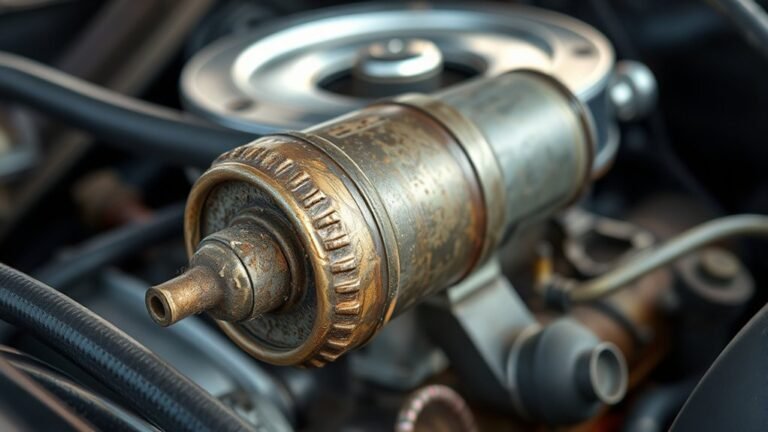
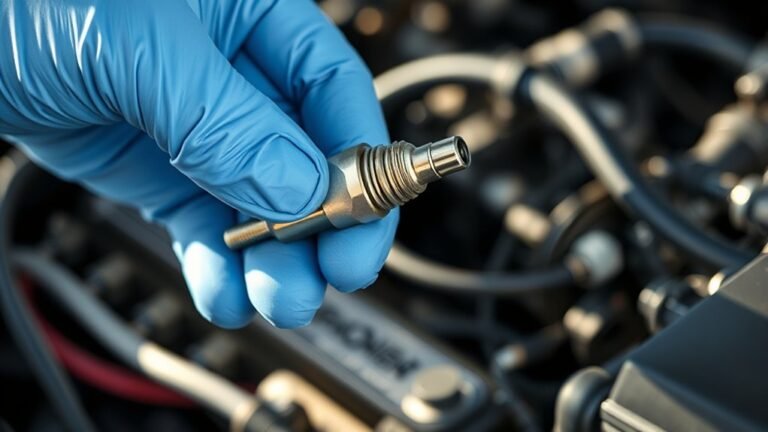
A diesel fuel filter plays a critical role in protecting your engine by trapping contaminants like dirt, rust, and water before they reach the fuel injectors. If you neglect changing the filter, these impurities accumulate, reducing fuel flow and causing injector wear or clogging.
A diesel fuel filter safeguards your engine by catching dirt, rust, and water before fuel injectors are damaged.
This impacts engine performance and efficiency. It’s important not to confuse this with irrelevant topics such as general engine oil changes or unrelated concepts like air filter maintenance, which address different systems.
Staying focused on the fuel filter’s condition ensures you’re addressing the correct component for fuel system health. By regularly replacing the diesel fuel filter, you maintain optimal combustion, prevent costly repairs, and extend engine life.
Ignoring this can lead to decreased power, higher emissions, and potential engine failure.
How to Identify When Your Diesel Fuel Filter Needs Changing
You’ll notice a clogged fuel filter through signs like rough idling, hesitation during acceleration, or difficulty starting the engine.
Pay close attention to sudden drops in fuel efficiency, as they often indicate restricted fuel flow. Monitoring these performance changes helps you determine the right time to replace the diesel fuel filter.
Signs of Clogged Filter
Several key symptoms can indicate when your diesel fuel filter is becoming clogged and requires replacement. Reduced fuel purity due to contaminant sources like dirt, rust, and water leads to blockages, restricting fuel flow.
You might notice difficulty starting the engine, irregular idling, or decreased acceleration. Monitoring these signs helps prevent engine damage and maintains efficiency.
| Symptom | Cause | Impact on Engine |
|---|---|---|
| Hard Starting | Fuel flow restriction | Increased wear |
| Engine Hesitation | Insufficient fuel supply | Reduced power |
| Sputtering | Contaminant buildup | Erratic combustion |
| Reduced Acceleration | Blocked filter media | Lower performance |
| Warning Light | Sensor detects clogging | Alerts for maintenance |
Watch for these indicators to maintain optimal fuel purity and address contaminant sources promptly.
Engine Performance Indicators
Recognizing specific engine performance changes can help you determine when your diesel fuel filter needs replacing. If you notice hesitation or sputtering during acceleration, it often points to restricted fuel flow caused by a clogged filter.
Rough idling or difficulty starting the engine can also indicate fuel delivery issues. Pay attention to any loss of power under load, which may result from contaminants impeding fuel passage.
Using certain fuel additives or switching to biodiesel can accelerate filter clogging due to residue buildup or altered fuel properties, so monitor your engine’s response closely after such changes.
Diagnosing these performance indicators early lets you replace the filter before damage occurs, ensuring peak engine function and preventing more costly repairs down the line.
Fuel Efficiency Changes
How can you tell if a clogged diesel fuel filter is affecting your fuel efficiency? Monitor your vehicle’s miles per gallon closely; a noticeable drop often signals restricted fuel flow caused by filter blockage.
Given fluctuating fuel pricing and ongoing diesel politics, optimizing your fuel economy is critical to managing operating costs. A compromised filter forces the engine to work harder, increasing fuel consumption and emissions.
You might also experience irregular engine idling or slower acceleration, further indicating filter issues. Use a diagnostic scanner to check for fuel system error codes that highlight flow restrictions.
Regularly replacing the fuel filter as per manufacturer guidelines ensures consistent fuel delivery, helping you counteract external factors like fuel pricing volatility and regulations stemming from diesel politics. Staying proactive prevents efficiency losses and costly repairs.
Common Symptoms of a Clogged Diesel Fuel Filter
Why might your diesel engine start to perform poorly? A clogged diesel fuel filter restricts fuel flow, causing symptoms like sluggish acceleration, engine misfires, and difficulty starting.
You might notice unusual noises or reduced power under load, especially during demanding tasks like underwater welding or even when maintaining equipment for indoor gardening operations. These symptoms arise because contaminants accumulate on the filter media, impeding proper fuel delivery.
Additionally, rough idling and increased exhaust smoke can indicate fuel starvation linked to a clogged filter. Monitoring these signs closely is essential; ignoring them can lead to further engine damage.
Understanding these symptoms helps you act promptly, ensuring your diesel engine runs efficiently and reliably in any environment or application.
Recommended Replacement Intervals for Diesel Fuel Filters
You should start by checking the manufacturer’s recommended replacement intervals, as they provide the baseline for maintenance. Typically, diesel fuel filters need changing every 15,000 to 25,000 miles, but this varies depending on your engine and fuel quality.
Keep in mind that harsh operating conditions, like dusty environments or frequent short trips, can shorten these intervals considerably.
Manufacturer Guidelines Overview
When should you replace your diesel fuel filter according to manufacturers? Typically, manufacturers specify replacement intervals based on operating hours or time, emphasizing adherence to these guidelines to prevent fuel system damage.
They also stress monitoring for signs of fuel adulteration, which can rapidly clog filters and degrade engine performance. In cases of suspected contamination, emergency procedures recommend immediate filter replacement to avoid injection system failures.
Manufacturer manuals often include detailed instructions for proper filter removal and installation, ensuring system integrity. Following these protocols not only maintains optimal fuel flow but also prolongs engine life.
Ignoring manufacturer guidelines risks costly repairs, especially when fuel quality is compromised. Always consult your specific vehicle’s manual to ensure compliance with recommended diesel fuel filter maintenance schedules.
Typical Mileage Intervals
How often should diesel fuel filters be replaced to maintain peak engine performance? Typically, manufacturers recommend changing fuel filters every 15,000 to 25,000 miles, but this varies by engine type and filter quality.
Sticking to these intervals is vital because neglect can lead to irreversible damage to your fuel system, including clogged injectors and reduced fuel flow. Don’t fall for fuel system myths suggesting filters last indefinitely or only need replacement at failure signs. Waiting too long compromises engine efficiency and longevity.
Operating Conditions Impact
Why do operating conditions matter so much for diesel fuel filter replacement intervals? Because your vehicle’s environment directly affects contaminant levels in fuel, impacting filter lifespan. Ignoring this leads to irrelevant chatter or random trivia that doesn’t help you maintain optimal engine performance.
For example, dusty or humid environments accelerate clogging, needing more frequent changes.
| Operating Condition | Recommended Interval |
|---|---|
| Clean, paved roads | Every 15,000 miles |
| Dusty or off-road | Every 7,500 miles |
| High humidity areas | Every 10,000 miles |
| Frequent short trips | Every 8,000 miles |
| Heavy towing/load | Every 6,000 miles |
Adjust intervals according to conditions, not just mileage, for reliable diesel engine operation.
Tools and Materials Needed for Diesel Fuel Filter Replacement
What do you need to efficiently replace a diesel fuel filter? Start with a compatible replacement filter designed with advanced filter chemistry to ensure optimal contaminant trapping and flow rates.
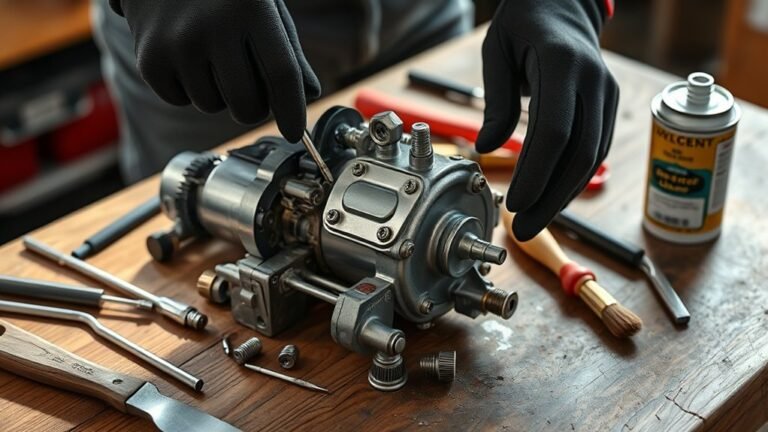
You’ll also need a wrench or socket set tailored to your vehicle’s filter housing, plus a clean container to catch any residual diesel. Don’t forget gloves and safety glasses for protection.
Incorporate a small brush or cloth to clean the filter seating area. Applying novel lubrication, such as a light coating of diesel or approved lubricant on the O-ring, ensures a secure seal and prevents damage.
Finally, have fresh diesel fuel on hand to prime the system if necessary. These tools and materials are essential for a precise, efficient replacement without compromising the fuel system.
How to Change a Diesel Fuel Filter: Step-by-Step Guide
You’ll need specific tools like a wrench and a catch pan to safely remove the old diesel fuel filter. Start by loosening the connections and draining any trapped fuel before carefully removing the filter.
Then, install the new filter by securing it firmly and checking for leaks to ensure proper operation.
Tools Needed
Which tools are essential for changing a diesel fuel filter efficiently? You’ll need a fuel filter wrench or a suitable strap wrench to loosen the filter without damage.
A drain pan is crucial to catch fuel spillage, preventing mess and safety hazards. Have a clean rag or shop towels ready for wiping excess fuel and cleaning connections.
Additionally, a pair of gloves and safety glasses protect you from fuel exposure. It’s an irrelevant topic to mention random aside tools like general-purpose wrenches or screwdrivers unless they fit your specific filter housing.
Avoid complicating the process with unnecessary equipment. Finally, ensure you have the replacement fuel filter specified by your vehicle manufacturer.
Having these precise tools ready sets the foundation for a smooth, safe fuel filter change.
Filter Removal Process
How do you begin the fuel filter removal process safely and efficiently? First, ensure the engine is off and cool to avoid fuel spray or burns. Avoid distractions by ignoring any irrelevant topic or unrelated concept that might divert your focus. Follow these precise steps:
- Relieve fuel system pressure by loosening the fuel cap and using the appropriate valve or screw to release pressure.
- Place a container beneath the filter to catch any fuel spills, preventing hazards and contamination.
- Use a filter wrench or appropriate tool to carefully loosen and remove the fuel filter, avoiding damage to fuel lines or connectors.
Installing New Filter
Where do you start when installing a new diesel fuel filter? First, avoid any irrelevant tangent or unrelated topic. Focus strictly on the task.
Begin by lubricating the new filter’s rubber gasket with clean diesel fuel to ensure a proper seal. Next, screw the filter into place by hand until snug, then tighten it an additional 3/4 turn using a filter wrench.
Finally, prime the system to eliminate air pockets.
| Step | Action | Tip |
|---|---|---|
| 1 | Lubricate gasket | Use clean diesel fuel |
| 2 | Hand-tighten filter | Avoid over-tightening |
| 3 | Prime system | Remove air to prevent stalls |
This precise method prevents leaks and ensures optimal diesel engine performance.
How Diesel Fuel Quality Impacts Your Fuel Filter’s Life
Why does diesel fuel quality matter when it comes to your fuel filter’s lifespan? The presence of impurities directly affects how quickly your filter clogs, reducing its efficiency and lifespan. Diesel grain size and contamination levels vary depending on fuel sourcing and handling, influenced by factors like fuel taxation which can impact refining standards.
- Larger diesel grain particles increase abrasion, accelerating filter wear.
- Lower-quality diesel with higher contamination demands more frequent filter changes.
- Variability in fuel taxation can lead to inconsistent fuel quality, complicating maintenance schedules.
Tips to Extend the Life of Your Diesel Fuel Filter
Understanding the impact of diesel fuel quality on your filter’s performance helps you take proactive steps to extend its service life. To avoid irreversible damage to your fuel filter, always use diesel fuel from reputable sources and store it properly to prevent contamination.
Regularly drain water separators and check for sediment buildup, as water and particulates accelerate filter clogging. Keep an eye on your engine’s planetary gears, as poor fuel filtration can lead to excessive wear due to contaminated fuel reaching these components.
Additionally, avoid prolonged idling and maintain clean fuel tanks to reduce microbial growth. By following these practical measures, you minimize stress on your fuel filter, ensuring optimal performance and extending its lifespan while protecting critical engine parts.
How to Choose the Right Diesel Fuel Filter for Your Engine
How do you determine the right diesel fuel filter for your engine’s specific needs? Selecting the appropriate filter is critical to protect your engine from contaminants and ensure efficient fuel flow. Consider these factors:
- Engine specifications: Match the filter’s micron rating and flow capacity to your engine’s requirements for optimal filtration without restricting fuel flow.
- Diesel fuel storage conditions: If your fuel storage is prone to contamination, choose filters with enhanced water separation and anti-corrosion properties to prevent damage.
- Biodiesel compatibility: Biodiesel blends can degrade some filter materials; ensure the filter you pick is rated for biodiesel use to maintain durability and performance.
When Changing Your Diesel Fuel Filter Doesn’t Help
Choosing the correct diesel fuel filter is only part of maintaining your engine’s performance. Sometimes, changing the filter doesn’t resolve issues because the problem lies elsewhere. Contaminated fuel, injector wear, or exceeding biodiesel limits can impact performance.
Also, improper disposal of used filters affects filter recycling efforts. You should evaluate fuel quality and engine components before replacing the filter repeatedly.
| Issue | Possible Cause | Recommended Action |
|---|---|---|
| Persistent engine knocking | Low-quality fuel | Test and replace fuel source |
| Clogged filter repeatedly | Excessive contaminants | Check fuel storage and lines |
| Reduced power | Injector or pump wear | Inspect and repair components |
| Filter recycling concerns | Improper disposal | Follow recycling protocols |
| Biodiesel limits exceeded | Fuel mixture too high | Adjust fuel blend accordingly |
Frequently Asked Questions
Can Using Additives Improve Diesel Fuel Filter Performance?
Yes, using additives can improve additive effectiveness by enhancing soot filtration and preventing clogging. You’ll find that certain additives stabilize fuel, reduce contaminants, and maintain filter efficiency, ultimately extending the diesel fuel filter’s service life.
How Does Altitude Affect Diesel Fuel Filter Efficiency?
Like a knight adjusting his armor for battle, you’ll find altitude effects reduce air pressure, impacting diesel filtration by causing fuel density changes and potential vapor lock. This lowers filter efficiency and demands more frequent maintenance checks.
Are Diesel Fuel Filters Reusable After Cleaning?
Diesel fuel filters generally aren’t reusable after cleaning; most are designed as disposable elements. While some cleaning methods might remove debris, they rarely restore full filtration efficiency.
Replacing filters guarantees ideal engine performance and protection.
What Are the Environmental Impacts of Disposing Old Diesel Filters?
You’d think disposing of diesel filters causes a tidal wave of pollution, but proper environmental disposal minimizes toxic waste and soil contamination.
Always follow regulations to guarantee diesel filters don’t harm ecosystems or groundwater during disposal.
Can a Faulty Fuel Filter Cause Engine Overheating?
Yes, a faulty fuel filter can cause engine overheating by restricting fuel flow, leading to inefficient combustion.
You should practice cautionary maintenance and perform regular filtration diagnostics to prevent engine stress and maintain optimal performance.