How Do You Adjust a Clutch on a Semi
To adjust a clutch on a semi, first check your vehicle’s service manual for the exact pedal free play specifications. This step is crucial to ensure you set the clutch correctly according to the manufacturer’s guidelines.
Next, measure the free play at the clutch pedal. Adjust the cable or linkage nut until it matches the manual’s recommended range. This helps maintain proper clutch operation and prevents premature wear.
After making adjustments, carefully test the clutch with gradual pedal pressure. Conduct a low-speed road test to detect any slipping or dragging. Make fine adjustments as needed for smooth engagement.
Further details explain symptoms to watch for and when to seek professional help. Proper adjustment ensures safe and efficient semi-truck operation.
Step-by-Step Semi Truck Clutch Adjustment
How do you properly adjust the clutch on a semi truck to ensure optimal performance and longevity? Start by consulting your vehicle’s service manual for specific clutch free play specifications.
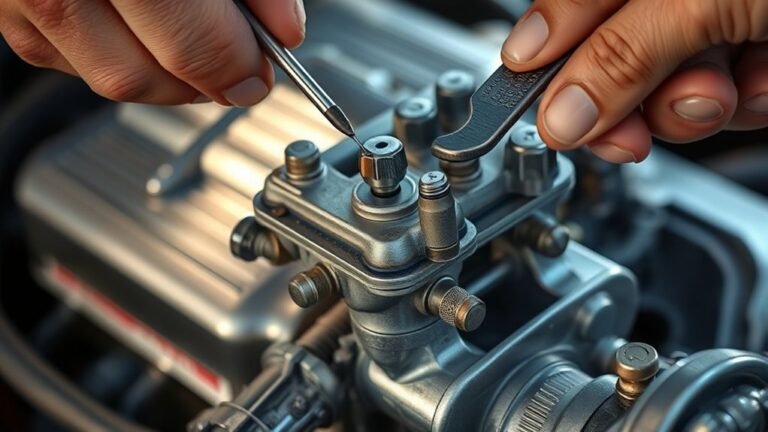
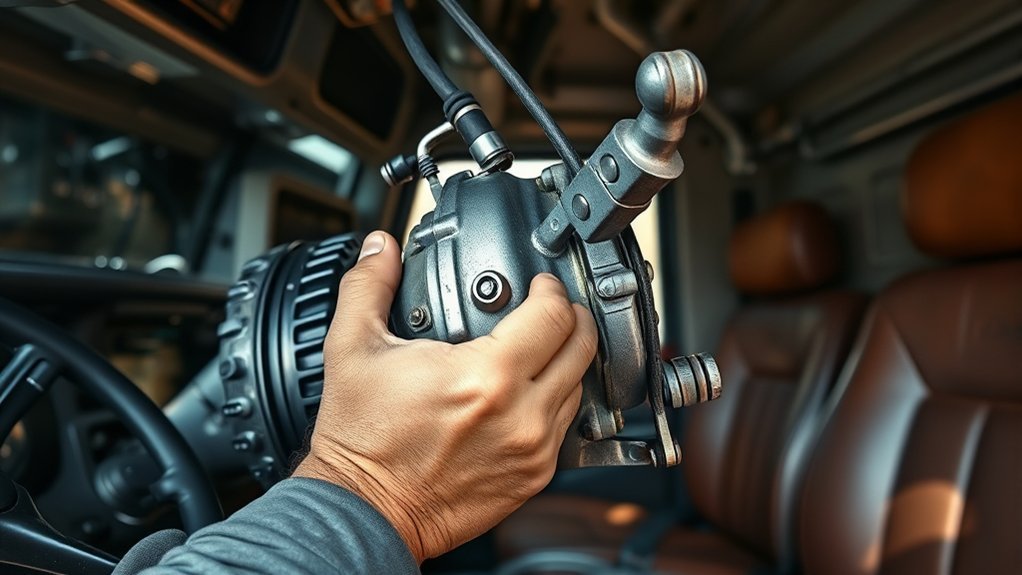
Begin the adjustment by locating the clutch linkage or cable, then measure the free play at the pedal. If the free play is outside the recommended range, adjust the clutch cable or linkage nut accordingly.
Tighten or loosen until the free play matches the manual’s specs. It’s essential to incorporate clutch adjustment into regular maintenance routines to prevent premature wear.
When planning your maintenance, consider topic ideas like wear indicators and clutch pedal responsiveness to optimize your routine. Accurate adjustment reduces strain on the transmission, ensuring smooth gear shifts and extending the clutch’s lifespan.
Tools and Safety Tips for Clutch Adjustment
Before adjusting your semi’s clutch, make sure you have the essential tools like wrenches, screwdrivers, and a torque wrench on hand. You’ll also need proper personal protective equipment, including gloves and safety glasses, to protect yourself from injury.
Finally, follow strict workplace safety precautions to ensure a secure and efficient adjustment process.
Essential Tools Checklist
What tools do you need to adjust a clutch on a semi safely and effectively? Start with a reliable set of wrenches and socket sets designed for heavy-duty applications. A torque wrench is crucial to ensure bolts meet manufacturer specifications without over-tightening.
You’ll also require a clutch alignment tool to position the clutch disk accurately during reassembly. For semi trucks equipped with industrial hydraulics, a hydraulic pressure gauge helps diagnose clutch engagement issues.
In fleet maintenance scenarios, having a digital caliper allows you to measure clutch pedal free play precisely, ensuring consistent adjustments across multiple vehicles. Additionally, a sturdy jack and jack stands are essential for safely lifting and supporting the truck.
Keep these tools organized and maintained to streamline clutch adjustments and minimize downtime.
Personal Protective Equipment
Several key pieces of personal protective equipment (PPE) are essential when adjusting a clutch on a semi to ensure your safety and prevent injury. You should always wear wearable gloves to protect your hands from sharp edges and hot components.
Eye protection, such as safety glasses or a face shield, guards against debris and fluid splashes. A hard hat is necessary if you’re working under raised components or in low-clearance areas.
High visibility vest improves your visibility to others on site. Steel toe boots protect your feet from heavy parts.
Hearing protection is crucial if you’re exposed to loud noises during adjustments. Depending on the environment, a respirator and flame resistant clothing may be required to shield against fumes and fire hazards.
Lastly, fall protection is vital when working at heights.
Workplace Safety Precautions
How can you ensure a safe and efficient clutch adjustment on a semi? Start by organizing your workspace to minimize hazards. Clear debris and ensure adequate lighting.
Use proper tools specifically designed for clutch maintenance, such as torque wrenches and alignment tools, to avoid equipment damage and personal injury.
Always secure the semi with wheel chocks and engage the parking brake to prevent movement. When working under the vehicle, use sturdy jack stands rather than relying solely on hydraulic jacks.
Follow lockout/tagout procedures to disable the ignition system, preventing accidental engine starts. Maintain clear communication with colleagues and keep a fire extinguisher nearby.
Adhering strictly to workplace safety protocols reduces risks, ensuring clutch maintenance is both effective and accident-free.
Testing and Fine-Tuning Your Clutch
When should you begin testing your clutch after adjustment? Start immediately once the mechanical calibration techniques are applied to ensure the clutch engages and disengages smoothly. Begin with basic testing procedures. Press the clutch pedal slowly to check for consistent resistance and engagement point.
Next, perform a road test at low speeds, observing for any slipping or dragging. Fine-tune the clutch cable or linkage if engagement isn’t precise. Use calibration techniques such as measuring free play and pedal height to confirm adjustments meet manufacturer specifications.
Repeat testing procedures after each minor tweak to verify improvements. Accurate testing and fine-tuning ensure optimal clutch performance, prevent premature wear, and enhance drivability. Always document your calibration settings for future reference and maintenance consistency.
Symptoms Indicating Your Semi Truck Clutch Needs Adjustment
Once you’ve completed testing and fine-tuning your clutch, it’s important to recognize the signs that indicate it may need further adjustment. Pay close attention to the clutch pedal feel; if it becomes spongy, stiff, or inconsistent, this often signals improper engagement or misalignment.
Additionally, abnormal transmission noise during gear shifts, such as grinding or whining, can point to clutch slippage or incomplete disengagement. You might also notice difficulty shifting gears or a clutch that engages too high or low in the pedal travel.
These symptoms suggest the clutch linkage or cable requires recalibration. Addressing these issues promptly prevents excessive wear and potential damage to the transmission system, ensuring optimal performance and safety during operation. Monitoring these indicators helps maintain your semi’s reliability and prolong clutch component lifespan.
Common Semi Truck Clutch Adjustment Mistakes
Why do many clutch adjustments on semi trucks fail to deliver lasting results? One common mistake is improper pedal free play setting. Too tight or too loose causes clutch chatter or pedal squeaks.
Improper pedal free play often leads to clutch chatter and pedal squeaks, causing adjustments to fail.
If you don’t measure the free play accurately, you risk uneven pressure on the clutch disc, leading to premature wear. Another error is neglecting to lubricate pivot points, which often causes pedal squeaks and affects smooth engagement.
Additionally, failing to check for hydraulic leaks or air in the system can result in inconsistent pedal feel and adjustment failure. Avoid rushing the process; small misalignments in cable or linkage adjustment can cause uneven clutch release.
Precision and following manufacturer specs are key to preventing recurring issues and ensuring a reliable clutch adjustment.
When to Call a Pro for Clutch Problems
If you notice signs of severe clutch damage or the adjustment requires specialized tools and knowledge, it’s best to call a professional. Incorrect repairs can compromise safety and reduce performance, risking costly downtime.
Knowing when the problem exceeds basic adjustments helps protect your equipment and guarantees reliable operation.
Signs of Severe Damage
How can you tell when clutch issues go beyond routine adjustments? Severe damage and clutch wear present clear signs you shouldn’t ignore. When these symptoms emerge, it’s crucial to seek professional help immediately to avoid costly repairs or unsafe operation.
- Persistent slipping despite adjustments: If your clutch continually slips under load, it indicates worn friction material or a damaged pressure plate.
- Grinding or unusual noises: Unusual sounds during engagement or disengagement often point to damaged bearings or misaligned components.
- Excessive pedal play or stiffness: Significant changes in pedal resistance can signal hydraulic failure or severe clutch wear affecting linkage integrity.
Recognizing these signs early ensures the problem is addressed by a technician before it escalates into catastrophic failure.
Complex Adjustment Requirements
When should you consider calling a professional for clutch adjustments? Complex issues like incorrect clutch calibration or a faulty hydraulic bleed require specialized tools and expertise. If you notice inconsistent pedal feel or difficulty in gear engagement despite basic adjustments, a pro’s intervention is necessary.
| Issue | Reason to Call a Pro |
|---|---|
| Inconsistent Pedal Travel | Requires precise clutch calibration |
| Persistent Hydraulic Leak | Needs professional hydraulic bleed |
| Clutch Slippage | May indicate internal component wear |
| Unresponsive Clutch Pedal | Complex system diagnostics required |
Attempting advanced repairs without experience can worsen the problem. Professionals ensure accurate clutch calibration and proper hydraulic bleed, maintaining your semi’s operational integrity.
Safety and Performance Risks
Why risk compromising your semi’s safety and performance by ignoring clutch issues? Addressing problems beyond basic adjustments is crucial, especially when unexpected weather or strict corporate policy complicates matters.
You should call a professional if you encounter:
- Persistent Slippage or Dragging: These symptoms can escalate, causing unsafe driving conditions.
- Unusual Noises or Vibrations: Signs of internal clutch damage that DIY fixes won’t resolve.
- Inconsistent Pedal Engagement: This affects vehicle control and may violate corporate safety standards.
A trained technician uses specialized tools to diagnose and repair complex clutch faults, ensuring compliance with corporate policy and safe operation regardless of weather conditions. Don’t gamble with your semi’s reliability. Professional intervention protects you and your cargo on every trip.
Frequently Asked Questions
How Long Does a Semi Truck Clutch Typically Last?
A semi truck clutch typically lasts 300,000 to 500,000 miles, depending on adjustment techniques and maintenance intervals.
Regular inspections and proper adjustments ensure longevity and optimal performance, reducing premature wear and costly repairs.
What Is the Average Cost of a Clutch Replacement?
Like a well-oiled machine, clutch replacement costs typically range from $1,200 to $3,000, influenced by clutch terminology specifics and gear ratio impact. These are factors you must grasp to budget accurately for this essential, technical task.
Can Weather Affect Clutch Performance in a Semi Truck?
Yes, weather impact can affect clutch performance since cold temperatures cause transmission heat to dissipate slower, increasing wear. Conversely, extreme heat raises transmission heat, accelerating clutch component degradation, so you need to monitor conditions carefully for optimal operation.
Are There Different Types of Clutches for Semi Trucks?
Yes, you’ll find different types of clutches for semi trucks, mainly hydraulic vs mechanical.
Hydraulic clutches offer smoother engagement and easier pedal effort, while mechanical clutches provide direct linkage, requiring more frequent adjustments but simpler repairs.
How Does Clutch Adjustment Impact Fuel Efficiency?
You might think clutch adjustment impacts fuel efficiency directly, but it mainly affects shift smoothness and wear. Proper adjustment reduces slippage, improving power transfer and preventing fuel waste, so fuel efficiency benefits indirectly through smoother operation.