How to Ride a Dirt Bike With Clutch
To ride a dirt bike with a clutch, start by fully pulling the clutch lever to disengage the power. Then, slowly release it to find the bite point where the clutch begins to engage. This is crucial for smooth starts and control.
Balance your throttle as you ease off the clutch to maintain traction and avoid stalling. When shifting gears, pull the clutch fully, change gears smoothly, and release the lever gradually while applying throttle.
Mastering clutch control on different terrains enhances your ride and helps prevent common mistakes. With practice, you’ll develop the confidence and skill needed for any trail.
How to Use the Clutch Lever on a Dirt Bike
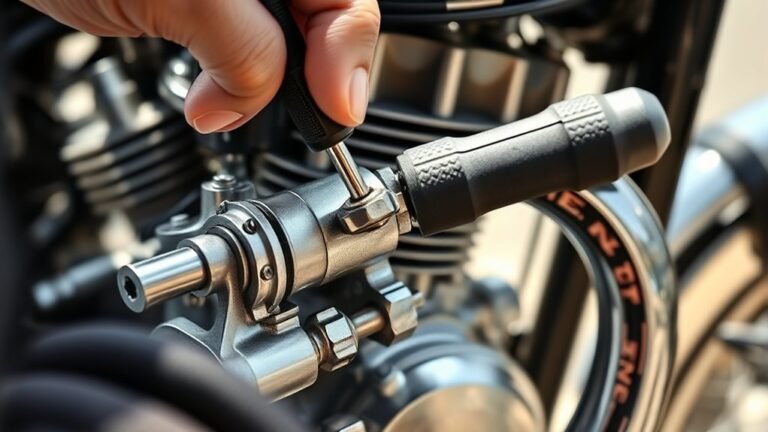
How exactly do you use the clutch lever on a dirt bike to guarantee smooth gear changes and control? First, fully pull the clutch lever toward the handlebar to disengage the engine from the transmission.
Begin by fully pulling the clutch lever to disengage the engine from the transmission for smooth shifting.
As you release the lever, pay close attention to the clutch bite, the moment when the clutch plates begin to engage and the bike starts to move forward. This is your friction point, where power transfer begins smoothly.
By modulating the lever around this friction point, you can control the bike’s power delivery without stalling or jerking. Practice finding and holding the clutch bite to master gradual engagement.
Avoid snapping the lever fully open too quickly; instead, release it gradually to maintain momentum and keep gear shifts fluid. This precision is essential for effective dirt bike control.
How to Balance Throttle and Clutch Control for Smooth Riding
Why does balancing throttle and clutch control matter so much for smooth dirt bike riding? Because it’s the key to maintaining traction, preventing stalling, and delivering power efficiently. When you master balancing throttle with clutch coordination, your ride becomes controlled and responsive, even on tricky terrain.
To achieve this, focus on:
- Gradually releasing the clutch while smoothly increasing throttle to avoid sudden jerks
- Feeling the bike’s engagement point where power transfers seamlessly
- Adjusting throttle input based on terrain and speed demands
This balance ensures you don’t overload the engine or lose momentum. Practicing clutch coordination alongside throttle control will make your transitions fluid, giving you confidence and command over your dirt bike. Remember, smooth riding starts with mastering how these two controls work together.
How to Shift Gears Smoothly Using the Clutch
Mastering clutch and throttle balance sets the foundation for smooth gear shifts. To shift gears smoothly using the clutch, first fully pull in the clutch lever to disengage power from the engine.
Master clutch and throttle balance by fully pulling the clutch lever to smoothly disengage engine power during gear shifts.
As you shift the gear lever, pay close attention to the clutch feel. This tactile feedback guides you in modulating the lever with precision.
Gradually release the clutch lever while simultaneously rolling on the throttle to re-engage power without jerking or stalling. This coordination ensures smooth shifting and maintains momentum.
Avoid abrupt clutch release; instead, aim for a controlled, gradual engagement that matches engine speed to wheel speed.
Developing a refined clutch feel allows you to anticipate the right moment to shift and execute it cleanly, enhancing your riding efficiency and control.
Practicing Clutch Control on Different Trail Conditions
You’ll need to adjust your clutch control based on the terrain to maintain balance and traction. Managing your speed and grip carefully helps you navigate slippery or uneven surfaces without losing control.
Mastering these skills ensures smoother rides and better handling on all types of trails.
Adjusting Clutch for Terrain
How should you adjust your clutch when tackling different trail conditions? Proper adjusting terrain means tailoring your clutch setup to match the trail’s demands, ensuring smooth power delivery and control.
On loose or rocky trails, you’ll want a softer clutch engagement to prevent stalling and maintain traction. In contrast, steep or muddy terrain calls for a firmer clutch setup, offering precise power modulation.
Visualize this when adjusting your clutch for terrain:
- Navigating slippery mud with gentle clutch slips to avoid wheel spin
- Powering through rocky paths using controlled clutch engagement for steady torque
- Climbing steep inclines by quickly modulating the clutch for consistent momentum
Managing Speed and Grip
When should you adjust your clutch to manage speed and grip effectively on varying trails? The key is to use the clutch as a precise tool for grip management and throttle finesse. On loose or slippery surfaces, partially engaging the clutch lets you modulate power delivery smoothly, preventing wheel spin and maintaining traction.
Conversely, on firm or rocky terrain, you can close the clutch more quickly to accelerate without sacrificing control. Always coordinate clutch control with throttle input; too much throttle too fast overwhelms grip, while too little reduces momentum.
Practice feathering the clutch to find the balance that matches the trail condition. Mastering this interplay ensures you maintain optimal speed and grip, improving your overall ride stability and responsiveness on diverse trail conditions.
How to Avoid Common Clutch Control Mistakes on the Trail
Although mastering clutch control takes practice, steering clear of common mistakes on the trail can make your rides smoother and safer. The key lies in developing fluid coordination between your clutch hand and throttle while adapting to varying terrain. Avoid jerky clutch releases or excessive slipping, which can lead to loss of control or premature wear.
Mastering clutch control requires practice and smooth coordination to avoid jerky releases and maintain safety on varied terrain.
Focus on:
- Gradually engaging the clutch to match throttle input, ensuring smooth power delivery.
- Adjusting your clutch use based on terrain changes, like loose gravel or steep inclines.
- Avoiding sudden clutch grabs that upset your balance or traction.
Tips to Prevent Stalling and Start Your Dirt Bike Confidently
Why does your dirt bike stall just as you’re about to take off? Often, it’s due to improper clutch control or insufficient throttle input. To prevent stalling, practice smoothly releasing the clutch while gradually twisting the throttle.
Don’t rush the engagement; a steady balance is key. Regular bike maintenance is crucial. Ensure your clutch cable is properly adjusted and your carburetor is clean to avoid performance issues.
Before every ride, incorporate safety routines like checking fluid levels and inspecting controls. These simple steps help you start confidently without unexpected stalls.
Frequently Asked Questions
What Type of Clutch Oil Is Best for My Dirt Bike?
You’ll want dirt bike oils designed specifically for wet clutches, usually labeled as “JASO MA” or “MA2.” These protect clutch materials from slipping and wear, ensuring smooth engagement and supreme performance on your dirt bike.
How Often Should I Replace My Dirt Bike Clutch Plates?
You should replace your dirt bike clutch plates every 15-30 hours, depending on clutch maintenance and riding style. Regular checks help extend clutch life expectancy, ensuring peak performance and preventing costly damage down the line.
Can I Ride a Dirt Bike Without Using the Clutch?
Can you really ride dirt without clutch? Technically, yes, but it’s tricky and damages your bike fast. You’ll lose control and wear parts quickly, so don’t skip clutch use if you want to ride safely and smoothly.
What Are Signs of a Worn-Out Dirt Bike Clutch?
You’ll notice signs of wear like slipping gears, difficulty shifting, or a burning smell. Regular routine maintenance helps catch these early, ensuring your clutch stays responsive and prolongs your dirt bike’s performance and safety on the trails.
How Does Clutch Adjustment Affect Dirt Bike Performance?
Clutch adjustment directly impacts dirt bike performance by controlling engagement smoothness and preventing slippage. If it’s too tight or loose, you’ll experience poor power transfer, reduced control, and faster clutch wear, affecting your ride quality.