Where Can I Buy Coolant
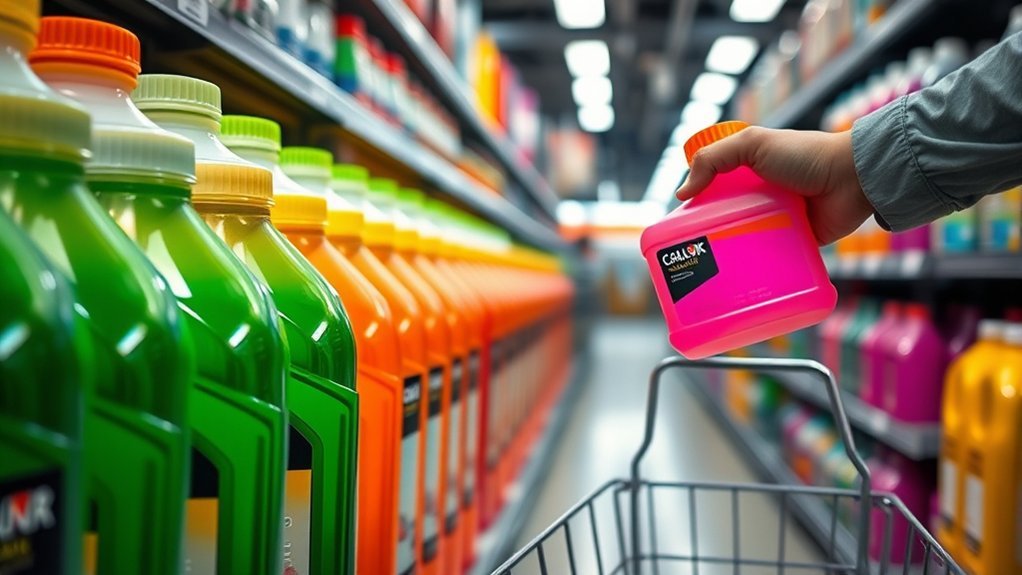
You can buy coolant at local auto parts stores, big-box retailers, and trusted online marketplaces. Coolant is essential for your vehicle’s engine, so choosing the right place to purchase it is important.
Local stores offer immediate availability and expert help, while big-box stores provide broad selections with competitive pricing. Online platforms feature extensive inventories and detailed specs but verify sellers for authenticity to avoid scams.
Consider your vehicle’s requirements and coolant type to ensure compatibility. Exploring budget options and seasonal variations can also optimize your purchase for performance and cost-effectiveness.
Where to Buy Coolant: Local, Big-Box, and Online Options
Where can you find the right coolant for your vehicle? You have several options: local auto parts stores, big box retailers, and online suppliers. Local advantages include personalized service and immediate availability, allowing you to verify the product’s specifications directly with experts.
These stores often stock coolant types suited to regional climate conditions. Big box alternatives provide broader selections and competitive pricing, but product expertise may vary. They’re convenient if you want to purchase coolant alongside other automotive supplies.
Online options offer the most extensive inventories and detailed product descriptions, enabling you to compare formulations precisely. However, shipping times and potential compatibility issues require careful attention. By weighing local advantages against big box alternatives and online convenience, you can select the best source for your vehicle’s specific cooling system requirements.
Common and Specialty Types of Coolant Explained
You’ll encounter several types of coolant, each formulated for specific engine requirements and operating conditions. Specialty coolants offer enhanced protection, such as extended life or compatibility with certain materials.
Understanding these differences helps you choose the right coolant for your vehicle’s performance and longevity.
Types Of Coolant
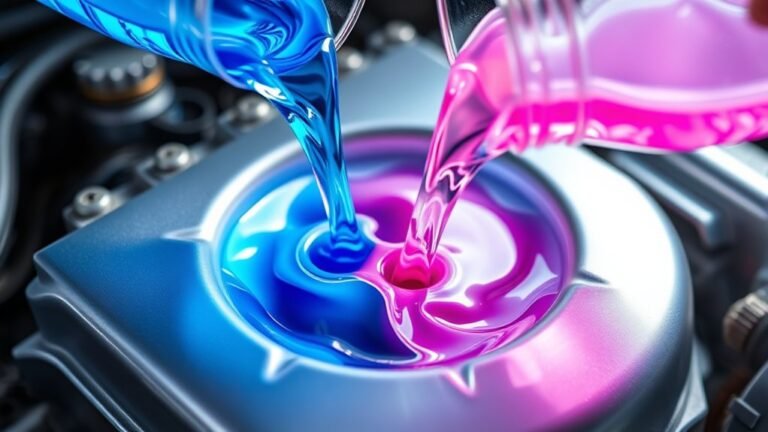
Coolant comes in several types, each formulated to meet specific engine requirements and operating conditions. Common coolants include ethylene glycol and propylene glycol bases, which provide effective heat transfer and freeze protection.
You’ll also find extended-life coolants with additives that prevent corrosion and scale buildup over time. While these coolants primarily focus on engine performance, analogous to how fitness trackers and smartphone compatibility optimize your health monitoring, the right coolant ensures your engine runs efficiently without overheating or freezing.
Selecting the appropriate type depends on your vehicle’s specifications and climate conditions. Avoid mixing coolant types to maintain chemical stability.
Understanding these distinctions helps you choose the coolant that best protects and prolongs your engine’s lifespan under various operating stresses.
Specialty Coolant Uses
How do specialty coolants differ from their common counterparts, and why might you need them? Specialty coolants are formulated for specific applications, often featuring additives to combat unique challenges like rare acidity or extreme temperature fluctuations.
Unlike standard coolants, they address issues typical in high-performance engines, industrial machinery, or delicate electronic cooling systems. You might encounter quirky myths suggesting specialty coolants degrade faster or cause damage, but these are usually unfounded when products are used as intended.
Some specialty coolants contain corrosion inhibitors tailored for uncommon metals or enhanced thermal conductivity agents. If you’re operating equipment requiring precise pH balance or resistance to unusual chemical exposure, specialty coolants provide critical protection and efficiency that generic options can’t match, ensuring system longevity and optimal performance.
Choosing The Right Coolant
When selecting the right coolant for your application, what factors should you prioritize to ensure compatibility and performance? First, consider the engine or system specifications. Use coolant types recommended by the manufacturer, such as ethylene glycol-based for standard engines or specialized formulas for heavy-duty or hybrid systems.
Pay attention to the coolant’s corrosion inhibitors and freeze protection levels. Avoid irrelevant discussion about unrelated additives or off topic ideas that don’t influence coolant efficacy. Mixing incompatible coolants can degrade performance and cause damage.
Common types include conventional green coolant, long-life orange or yellow coolants, and specialty formulations for diesel or aluminum engines. By focusing strictly on these technical parameters and avoiding off topic ideas, you’ll ensure optimal cooling, corrosion resistance, and longevity for your equipment.
How to Choose the Right Coolant for Your Vehicle
Why does selecting the right coolant matter for your vehicle’s performance and longevity? Using the correct coolant ensures ideal engine temperature regulation, prevents corrosion, and extends the lifespan of cooling system components.
When choosing coolant, consider your vehicle manufacturer’s specifications, the coolant’s chemical composition, and compatibility with existing fluids. While budget feasibility is important, don’t compromise quality for cost; trusted brands often maintain higher standards, fostering brand loyalty among consumers.
| Coolant Type | Application | Key Benefit |
|---|---|---|
| Ethylene Glycol | Most gasoline engines | Effective heat transfer |
| Propylene Glycol | Sensitive engines | Non-toxic, eco-friendly |
| Organic Acid | Newer vehicles | Long-lasting corrosion protection |
Pick coolant balancing performance, compatibility, and cost for your vehicle’s needs.
Budget-Friendly Coolant Buying Tips
Balancing quality and cost is key when purchasing coolant without compromising your vehicle’s performance. To avoid problematic pricing, compare unit prices rather than just package sizes, as larger containers often offer better value.
Be wary of misleading labeling; some products advertise extended protection but may not meet your car’s specific requirements. Always verify the coolant’s specifications against your vehicle manufacturer’s recommendations.
Purchasing from reputable retailers or authorized dealers reduces the risk of counterfeit or substandard products. Additionally, consider buying during sales or promotions but ensure the product is fresh and within its shelf life.
Avoid generic brands lacking clear technical data. By focusing on precise compatibility and transparent pricing, you can secure budget-friendly coolant without sacrificing reliability or engine safety.
Seasonal Coolants: What They Are and Where to Find Them
Seasonal coolants are formulated to optimize engine protection under specific temperature conditions, such as winter or summer blends. You’ll benefit from improved freeze and boil-over resistance by choosing the right type for the season.
These specialized coolants are available at automotive retailers and online stores that carry temperature-specific products.
Types Of Seasonal Coolants
Although coolant formulas vary, understanding the different types designed for seasonal use is essential to maintaining your vehicle’s engine efficiency and preventing damage. Seasonal safety hinges on selecting the correct coolant, as improper use can lead to freezing or overheating. Additionally, proper coolant disposal ensures environmental protection.
Here are the primary types of seasonal coolants you’ll encounter:
- Ethylene Glycol-Based Coolants: Common for winter due to excellent freeze protection.
- Propylene Glycol-Based Coolants: Less toxic, suitable for colder climates requiring safer disposal.
- Extended Life Coolants (ELC): Formulated for longer use, often blending well for transitional seasons.
- Hybrid Organic Acid Technology (HOAT): Combines organic acids and traditional inhibitors for versatile temperature control.
Choosing the right coolant type based on season and disposal regulations ensures peak engine performance and environmental compliance.
Benefits Of Seasonal Coolants
Why does choosing the right coolant for different seasons matter? Seasonal coolants optimize your vehicle’s thermal management by matching coolant chemistry to temperature extremes. During winter, coolants with specific freeze point depressants prevent freezing, while summer formulas focus on higher boiling points to combat overheating.
Using seasonal coolants enhances engine protection, prevents corrosion, and maintains efficient heat transfer. While universal blends offer convenience by combining properties suitable for multiple conditions, they may not match the performance of season-specific formulations.
Retailers Selling Seasonal Coolants
Where can you find the right coolant formulated specifically for different seasons? Retailers specializing in automotive fluids often stock seasonal coolants designed to optimize engine performance under distinct temperature conditions. When searching, focus on sources that emphasize technical specifications instead of unrelated topics to ensure product suitability.
Consider these retailers:
- Automotive parts stores like AutoZone or Advance Auto Parts
- Major online marketplaces such as Amazon or eBay
- Specialty coolant manufacturers’ websites
- Local mechanics or service centers with OEM coolant options
These outlets provide detailed product data sheets and compatibility charts, aiding your decision. By targeting retailers offering seasonal coolants, you avoid two word discussion ideas that confuse with unrelated topics, ensuring your vehicle receives precisely formulated antifreeze for summer or winter conditions.
Buying Coolant Online: Best Marketplaces and How to Shop Safely
How can you guarantee you’re purchasing the right coolant online? Start by choosing reputable marketplaces like Amazon, AutoZone, or Advance Auto Parts, which vet sellers to reduce risks from coolant scammers. Always verify product authenticity through customer reviews and manufacturer certifications.
When checking out, beware of online checkout pitfalls such as unsecured payment portals or suspiciously low prices, which often indicate counterfeit products or scams. Use secure payment methods like credit cards or trusted digital wallets to protect your transaction.
Additionally, confirm the coolant type matches your vehicle’s specifications, focusing on concentration and compatibility. By following these steps, you minimize exposure to fraud and ensure you receive high-quality coolant suited for your engine’s needs, all while enjoying the convenience of online shopping.
Tips for Quick Local Coolant Purchases
While online shopping offers convenience and variety when buying coolant, there are times you need a quick, reliable local purchase. To ensure your vehicle’s cooling system remains efficient, consider these tips for swift local coolant procurement.
First, identify stores specializing in automotive fluids; they typically stock the correct coolant types for your vehicle. Second, call ahead to confirm product availability and avoid wasted trips. Third, bring your vehicle’s manual or current coolant container to verify compatibility, ensuring optimal vehicle maintenance.
Lastly, check for local auto parts chains or service centers where staff can provide expert advice.
- Locate specialized automotive fluid retailers
- Confirm coolant type and stock via phone
- Use vehicle manual for compatibility verification
- Seek expert advice at local auto centers
Frequently Asked Questions
How Often Should I Replace My Vehicle’s Coolant?
You should replace your vehicle’s coolant every 2 to 5 years, depending on manufacturer recommendations.
Regular coolant maintenance guarantees ideal vehicle cooling system care, preventing corrosion, overheating, and extending engine life effectively.
What Are the Signs of Coolant Leaks?
About 30% of engine failures stem from undetected leaks. You’ll notice leak detection signs like puddles with distinct coolant colors—green, orange, or pink— under your vehicle, along with overheating or a sweet smell.
Can I Mix Different Brands of Coolant?
You shouldn’t mix different brands of coolant because misleading compatibility claims can cause chemical reactions, reducing effectiveness.
It’s safer to stick with one brand, maintaining brand loyalty to ensure consistent corrosion protection and optimal engine performance.
Is It Safe to Use Water Instead of Coolant in Emergencies?
You can use water in emergency improvisation, but remember 50% of engine failures stem from overheating. Water only risks corrosion and freezing; it lacks additives, so replace it with proper coolant as soon as possible to prevent damage.
How Do I Properly Dispose of Old Coolant?
You should store coolant in sealed, labeled containers away from heat. For disposal, take it to authorized coolant recycling facilities. They handle toxic waste safely, preventing environmental contamination and ensuring proper coolant recycling and disposal.