How to Burp Coolant System
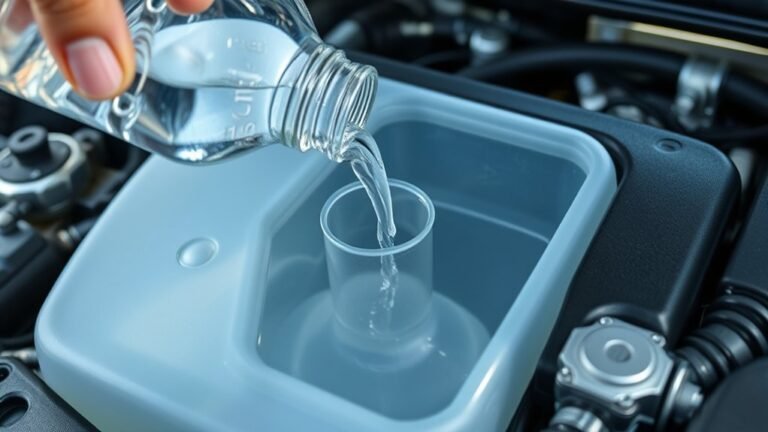
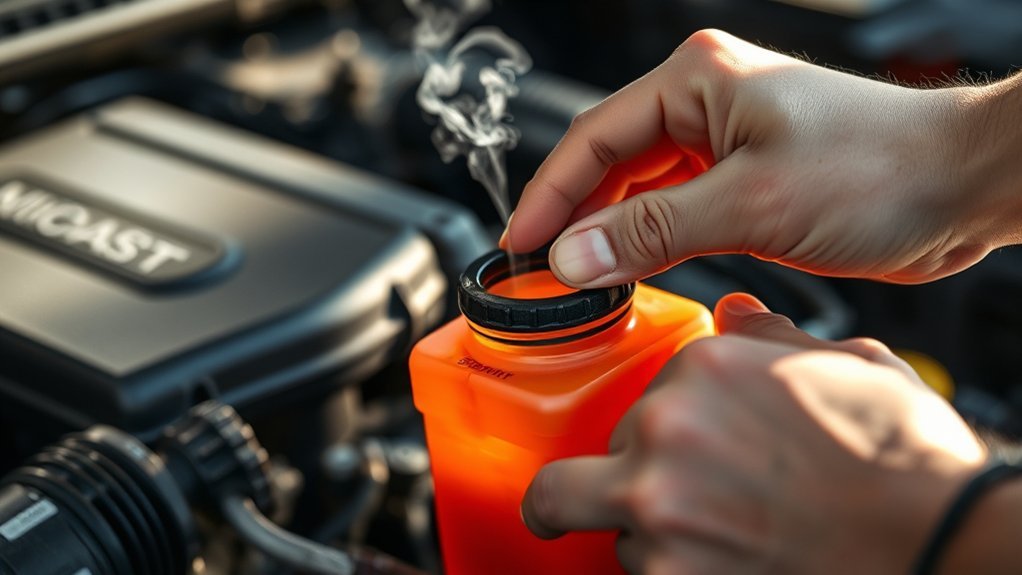
To burp your coolant system, first ensure your engine is cool and remove the radiator cap carefully. This is essential to avoid burns and pressure release injuries.
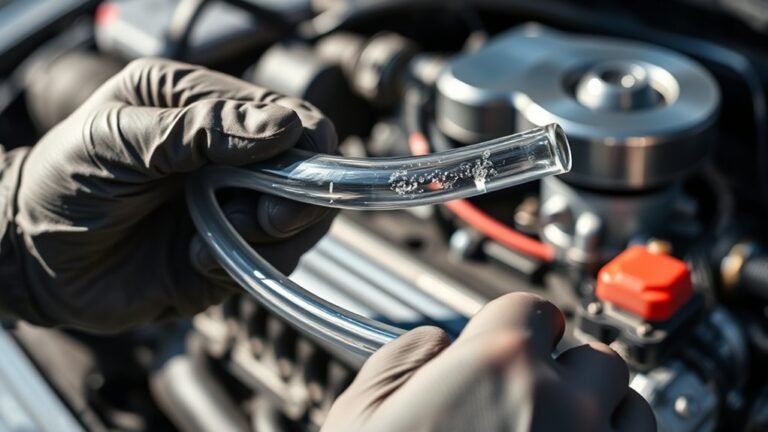
Start the engine and allow it to reach operating temperature. Let it idle, then gently squeeze the upper radiator hose to release trapped air.
Continue this process until no air bubbles escape and the coolant levels stabilize. Top off the coolant as needed before securing the cap.
Burping the coolant system clears air pockets that disrupt coolant flow and cause overheating. Keep exploring for detailed steps and methods to spot and prevent air traps effectively.
Why You Should Burp Your Coolant System
A properly burped coolant system ensures that trapped air pockets are eliminated, which is essential for maintaining peak engine temperature regulation. When air remains trapped, it can cause hotspots, overheating, and reduced coolant flow.
You might encounter burp myths suggesting that simply filling the radiator suffices, but those overlook the necessity of expelling air to prevent system inefficiencies. Coolant myths often claim that air pockets don’t impact performance, which isn’t true. Air disrupts pressure balance and heat transfer.
By burping the system correctly, you restore continuous coolant circulation and optimize thermal management. Ignoring this step can lead to engine damage or premature component wear.
Tools Needed for Burping Your Coolant System
Which tools do you need to effectively burp your coolant system? Proper car maintenance and engine troubleshooting require precise tools to remove trapped air.
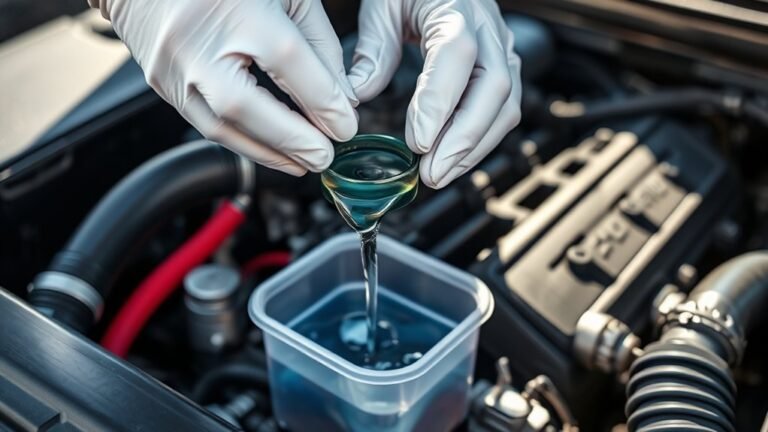
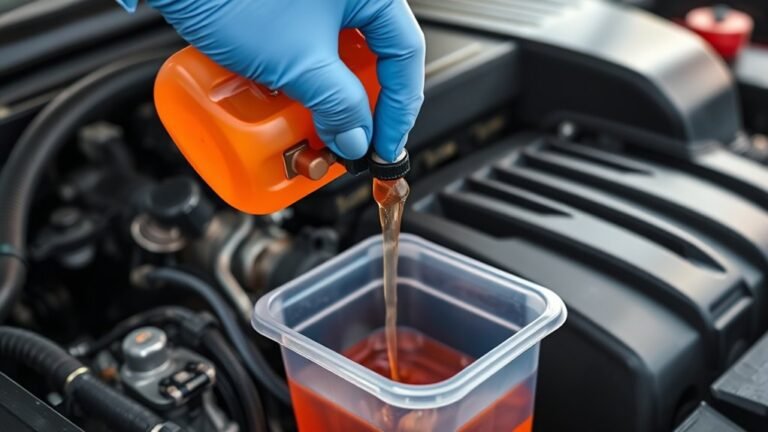
You’ll need a pressure tester to check for leaks, a funnel for adding coolant, and gloves for safety. A radiator cap wrench helps you safely remove the cap, while a bleed valve tool allows precise air release.
| Tool | Purpose | Notes |
|---|---|---|
| Pressure Tester | Detect leaks | Essential for diagnosing |
| Funnel | Add coolant | Prevents spills |
| Gloves | Protect hands | Heat and chemical resistant |
| Radiator Cap Wrench | Remove radiator cap safely | Avoids damage |
| Bleed Valve Tool | Release trapped air | Controls air flow precisely |
Having these tools ensures efficient coolant system burping and effective engine troubleshooting.
How to Burp Your Coolant System Step-by-Step
How exactly do you burp your coolant system to guarantee all trapped air is removed? First, ensure the engine is cool. Remove the radiator cap carefully to release pressure.
Start the engine and let it reach operating temperature, which opens the thermostat and allows coolant flow. With the engine idling, repeatedly squeeze the upper radiator hose near the air intake to help dislodge trapped air bubbles. Continue until you no longer hear air escaping and coolant level stabilizes.
Keep an eye on the coolant reservoir and top it off as needed. Finally, replace the radiator cap securely to maintain system pressure. This step-by-step process ensures all air pockets within the coolant system are expelled, preventing overheating and maintaining optimal engine performance.
How to Spot and Fix Air Pockets After Burping Your Coolant System
Identifying air pockets after burping your coolant system is essential to prevent engine overheating and guarantee efficient cooling. Start by observing temperature fluctuations or erratic gauge readings, common signs of trapped air.
Perform air lock troubleshooting by carefully inspecting hoses and the radiator cap area for bubbling or unusual noises. Use radiator bleed techniques to expel remaining air pockets: locate the bleed screw, open it slightly while the engine is warm, and watch for continuous coolant flow without air bubbles.
Once fluid flows steadily, tighten the screw securely. Recheck the coolant level and top up if necessary. Repeat this process until no air bubbles appear during bleeding.
Properly spotting and fixing air pockets ensures your cooling system maintains optimal pressure and flow, preventing damage and enhancing engine performance.
Proven Tips to Prevent Air Traps When Burping Your Coolant System
After ensuring all air pockets are removed from your coolant system, the next step is to focus on preventing them from forming during the burping process. Start by following proper air bleed sequencing. Open bleed valves in the recommended order, typically from the highest to the lowest points in the cooling circuit. This ensures trapped air escapes efficiently.
Use a funnel with a narrow spout to control coolant flow, which is one of the essential tips to avoid spills while topping off the system. Keep the radiator or reservoir cap loose but secure to allow air to escape without coolant splashing out.
Finally, maintain engine temperature within the optimal range during burping, as overheating can accelerate vapor formation, causing new air traps. These steps will help you burp your coolant system effectively and safely.
Frequently Asked Questions
Can Burping the Coolant System Improve Engine Performance?
Oh sure, because who wouldn’t want air pockets causing engine hiccups? Using the burp technique removes trapped air, ensuring coolant flows properly. This prevents overheating and maintains ideal engine performance, so yes, it definitely helps your engine run better.
How Often Should I Burp My Coolant System?
You should burp your coolant system after every coolant change and whenever air pockets are suspected to maintain optimal burp timing. Proper burping ensures consistent engine efficiency by preventing overheating and coolant flow disruptions.
Is It Safe to Burp the Coolant System on a Hot Engine?
No, you shouldn’t perform the burp procedure on a hot engine. Safe techniques require waiting for the engine to cool to avoid burns and pressure release hazards. This ensures accurate air removal and personal safety during the process.
Can I Use Any Coolant Type When Burping the System?
You shouldn’t use just any coolant type when burping the system. Follow proper burp techniques and ensure coolant placement matches manufacturer specs to avoid chemical incompatibility. This prevents corrosion or damage in your engine’s cooling system.
What Are the Signs of a Coolant System That Hasn’T Been Burped Properly?
If your engine sounds like an unrelated topic, with overheating and fluctuating temperature gauge off topic ideas, you’ve likely missed burping the coolant system properly. Air pockets hinder flow, causing erratic cooling and potential damage. Fix it promptly.