Where to Put Coolant in Car
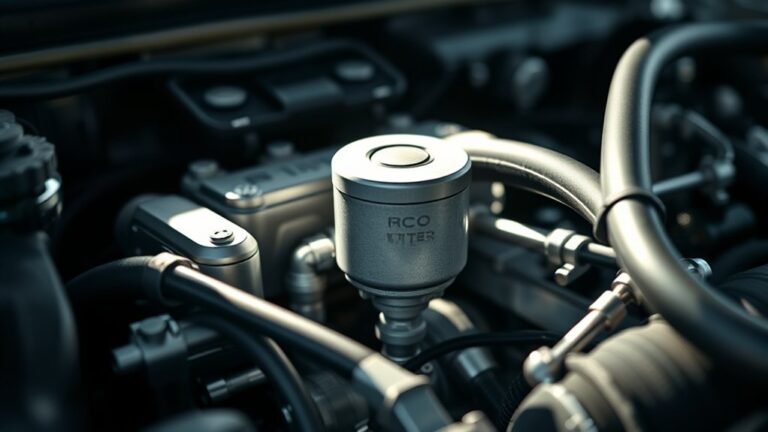
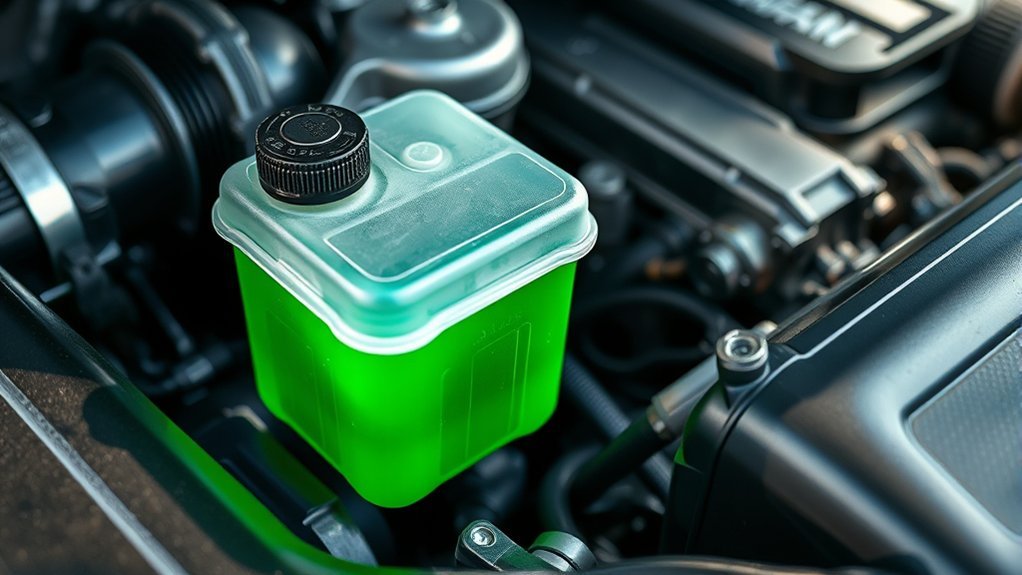
You should put coolant in the translucent reservoir tank, usually located near the radiator or along the engine bay’s side. This tank lets you check fluid levels without opening the radiator cap, which can be dangerous when hot.
Always ensure the engine is completely cool before removing the reservoir cap. Use a funnel to fill coolant up to the maximum mark, avoiding overfilling.
Understanding proper coolant types and system care will help keep your engine running smoothly.
How to Locate the Coolant Reservoir
The coolant reservoir is typically a translucent plastic tank located near the radiator or along the engine bay’s side, allowing you to easily check fluid levels without opening the radiator cap. When locating it, look for a marked container with minimum and maximum level indicators.
You’ll notice the coolant color inside, which can range from green, orange, pink, or blue. This helps in identifying the correct type for your car. Avoid opening the radiator cap directly due to radiator cap safety risks; the system can be pressurized and hot, potentially causing injury.
Instead, focus on the reservoir for safe access. Knowing the coolant color and reservoir location ensures you add the right fluid without compromising your safety or the vehicle’s cooling system performance.
How to Check Coolant Levels Safely
Once you’ve identified the coolant reservoir and noted the fluid color, the next step is to check the coolant level without risking injury or damaging the system. Ensure the engine is completely cool before opening the reservoir cap to prevent burns from hot coolant or steam.
Use gloves and eye protection as part of coolant safe handling to avoid skin irritation or chemical exposure. Locate the minimum and maximum level markings on the reservoir and inspect the fluid level against these indicators.
If the coolant is below the minimum line, it may require topping up. Avoid opening the radiator cap when hot, as pressure can cause coolant to spray.
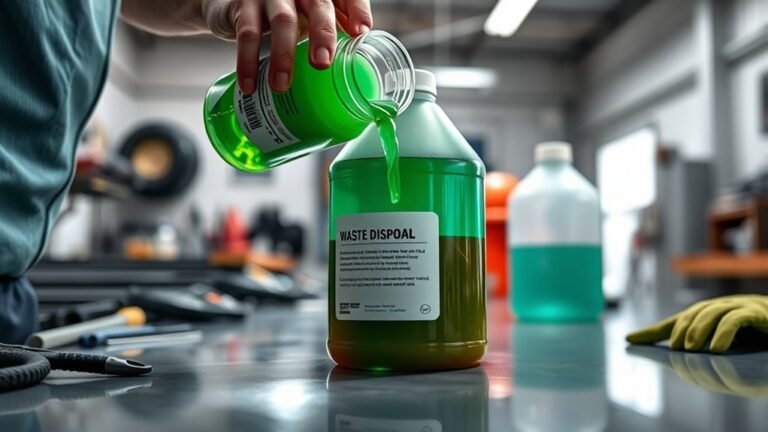
Store any unused coolant in a sealed container designed for coolant storage to maintain its effectiveness and prevent contamination.
How to Spot Coolant Leaks or Low Levels
How can you tell if your car’s coolant system is compromised before it causes serious engine damage? Start by checking for visible leaks under the vehicle and around the radiator or hoses. Look for wet spots or discoloration.
Also, monitor your coolant reservoir level; a drop indicates possible leaks or misuse, such as neglecting to wear gloves during handling, which can contaminate the fluid. Space constraints in the engine bay may hide small leaks, so inspect carefully.
| Symptom | Possible Cause |
|---|---|
| Puddles under vehicle | Hose or radiator leak |
| Low reservoir level | Leak or evaporation |
| Sweet odor or residue | Coolant leak |
Spotting these early helps prevent overheating and costly repairs.
What Type of Coolant Should You Use?
You need to select the correct coolant type based on your vehicle’s specifications, as formulations vary in chemical composition and corrosion inhibitors. Common types include ethylene glycol-based and organic acid technology (OAT) coolants, each with distinct performance characteristics.
Using the wrong coolant can impair engine cooling and damage components, so always refer to the manufacturer’s guidelines.
Coolant Types Explained
Why does choosing the right coolant matter for your car’s performance and longevity? The coolant regulates engine temperature by facilitating heat transfer through the thermostat function, which controls coolant flow based on engine heat.
Using an incompatible coolant can impair this function, risking overheating or inefficient cooling. Additionally, the coolant’s chemical composition affects radiator cap safety, as the cap maintains system pressure to raise the boiling point of the coolant.
Different coolant types, such as ethylene glycol-based, propylene glycol-based, and organic acid technology (OAT) coolants, offer varying corrosion inhibitors and additives tailored to specific engine materials and operating conditions. Selecting the proper coolant type ensures optimal protection against freezing, boiling, and corrosion, preserving critical components and maintaining the integrity of the thermostat function and radiator cap safety system.
Choosing The Right Coolant
Selecting the appropriate coolant type is critical to maintaining your vehicle’s cooling system efficiency and preventing engine damage. Using the wrong coolant can lead to coolant contamination or thermostat failure, impacting engine performance and longevity.
Always consult your vehicle’s manual to match the coolant’s chemical formulation with your car’s specifications.
Here’s a quick reference table:
| Coolant Type | Common Use |
|---|---|
| Inorganic Additive Tech (IAT) | Older vehicles, traditional green coolant |
| Organic Acid Technology (OAT) | Newer vehicles, extended life coolant |
| Hybrid Organic Acid Tech (HOAT) | Mix of IAT and OAT, used in European and American cars |
Choosing the right coolant minimizes corrosion and maintains optimal thermostat function, safeguarding your engine from overheating and mechanical failure.
How to Add Coolant Step-by-Step
How exactly do you add coolant to your car to ensure optimal engine performance? First, make sure the engine is completely cool to avoid injury. Locate the coolant reservoir, usually a translucent tank marked with minimum and maximum levels.
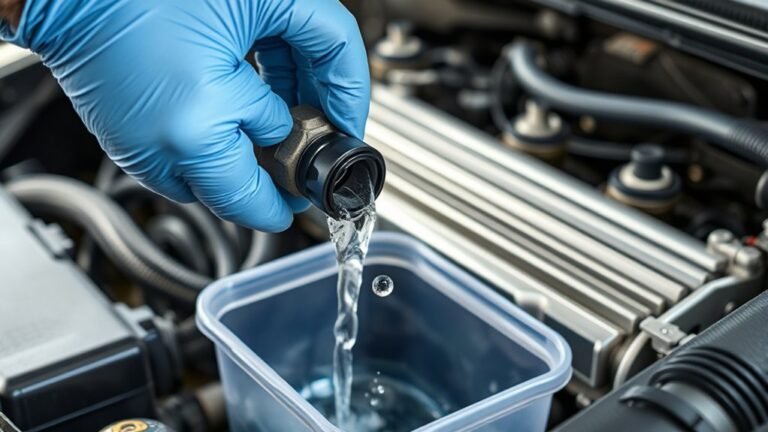
Remove the cap carefully. Using a funnel, slowly pour the recommended coolant mix until it reaches the maximum fill line. Avoid overfilling, as it can cause pressure issues.
Replace the cap securely. Start the engine and let it run for a few minutes, then check the level again, topping off if necessary.
Troubleshooting tips: if you notice leaks or the coolant level drops frequently, inspect hoses and radiator for damage. Follow these how to explanations precisely to maintain your cooling system’s efficiency and prevent overheating.
Why You Should Never Open the Radiator Cap When Hot
After adding coolant, it’s important to remember that the radiator cap should never be opened while the engine is hot. The cooling system is under high pressure when heated, causing coolant to rapidly expand and potentially eject as scalding steam or liquid.
Never open the radiator cap when the engine is hot to avoid dangerous steam and coolant ejection.
Opening the cap under these conditions risks severe burns and injury. Additionally, sudden depressurization can introduce air into the coolant storage system, leading to inefficient cooling and engine overheating.
This can accelerate wear, potentially necessitating costly radiator replacement. Always allow the engine to cool thoroughly before removing the cap to maintain system integrity and personal safety.
Proper handling ensures the coolant remains contained within the storage, maintaining suitable pressure and temperature balance essential for your car’s cooling system to function correctly.
Tips to Maintain Your Car’s Cooling System
To keep your car’s cooling system functioning optimally, you should regularly check the coolant level and condition. It’s also important to flush the cooling system at manufacturer-recommended intervals to remove contaminants and prevent corrosion.
These steps help maintain efficient heat transfer and protect engine components.
Regular Coolant Checks
Why should you perform regular coolant checks? Because maintaining the correct coolant level and quality prevents engine overheating and costly repairs. You’ll avoid unrelated topics like transmission or brake issues by focusing on coolant’s vital role. Use two word ideas like “coolant level” and “system integrity” to assess your car’s health precisely.
| Symptom | Emotion Triggered |
|---|---|
| Overheating | Anxiety |
| Leaks | Frustration |
| Discoloration | Concern |
| Low Coolant Level | Urgency |
Checking coolant every few weeks ensures you spot problems early. Always inspect the reservoir when the engine is cold, and top up with the recommended coolant type. This disciplined approach safeguards your car’s cooling system effectively.
Flushing Cooling System
How often should you flush your car’s cooling system to maintain peak performance? Typically, flushing every 30,000 miles or every 2-3 years is recommended, but factors like drain lifespan and weather impacts can alter this schedule.
Regular flushing removes contaminants, preventing corrosion and overheating.
Consider these key points when flushing your cooling system:
- Monitor coolant color and consistency to determine flush necessity
- Adjust flush frequency based on extreme weather impacts, like heavy cold or heat
- Use manufacturer-approved coolants to protect system components
- Inspect hoses and drain plugs for wear to avoid leaks and maintain drain lifespan
What to Do If Your Engine Overheats
What steps should you take when your engine starts to overheat? First, safely pull over and turn off the engine to prevent damage. Modern engine design incorporates cooling efficiency through optimized coolant flow, but failures can still occur.
Wait at least 15 minutes for the engine to cool before checking the coolant reservoir. If the level is low, top it up with the appropriate coolant mixture, ensuring it’s compatible with your vehicle’s specifications. Avoid opening the radiator cap while hot, as pressurized steam can cause injury.
After refilling, restart the engine and monitor the temperature gauge. Persistent overheating may indicate a malfunction in the cooling system, such as a faulty thermostat or radiator fan, and requires professional inspection to avoid severe engine damage.
Frequently Asked Questions
Can I Mix Different Brands of Coolant Safely?
You shouldn’t mix brands unless you confirm coolant compatibility, as different formulations can react adversely. Always check manufacturer specs or use the same brand to ensure proper corrosion protection and optimal engine cooling performance.
How Often Should I Flush and Replace Coolant?
Like changing seasons, you should perform a coolant flush every 30,000 to 50,000 miles. Despite concerns about brand compatibility and coolant mixing, regular flushing prevents corrosion and maintains ideal engine temperature control.
What Are the Symptoms of a Failing Coolant Pump?
You’ll notice coolant pump symptoms like engine overheating, coolant leaks, and unusual noises. Signs of failure include steam from the radiator, low coolant levels, and poor heater performance.
Address these promptly to avoid engine damage.
Is It Safe to Drive With Low Coolant Temporarily?
You shouldn’t drive long with low coolant; it risks overheating and engine damage. For coolant safety, top off immediately and monitor temperature.
Use this as a discussion idea to prevent costly repairs and ensure vehicle reliability.
Does Coolant Affect My Car’s Heater Performance?
Yes, coolant temperature directly affects your car’s heater efficiency. If coolant levels are low or temperature is insufficient, the heater won’t warm properly.
This happens because the heater relies on hot coolant circulating through the heater core to generate heat inside the cabin.