What Is Carburetor Cleaner
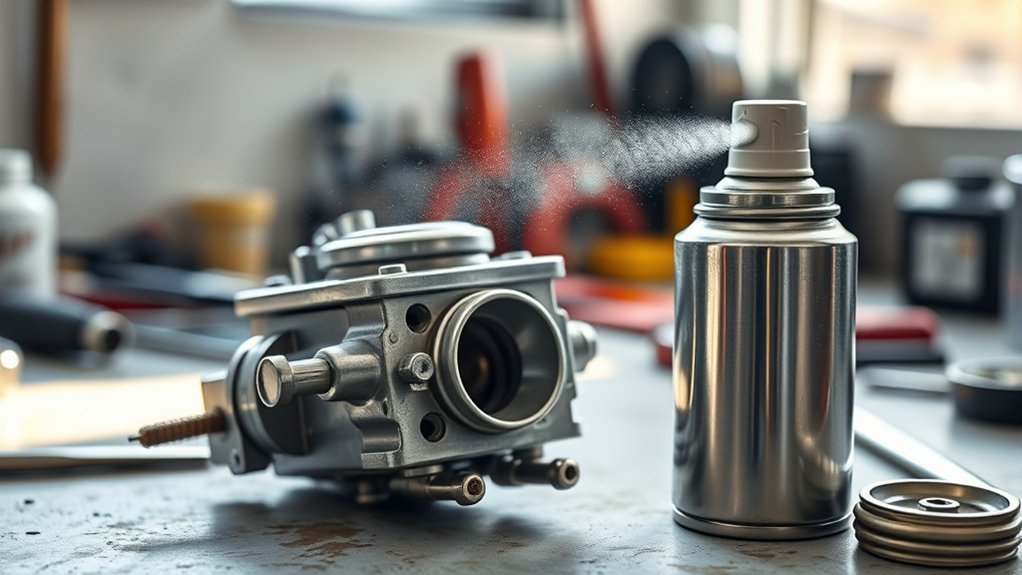
Carburetor cleaner is a solvent-based product specifically designed to remove varnish, gum, and carbon deposits that clog fuel passages and impair engine performance. It works by breaking down hydrocarbon chains and dissolving sticky residues without damaging gaskets or seals.
Using carburetor cleaner restores smooth fuel flow, improves throttle response, and enhances fuel atomization. You should apply it carefully with protective gear and proper ventilation to avoid harm.
Understanding its types, uses, and effects helps ensure optimal engine function.
What Is Carburetor Cleaner Made Of?
What exactly makes up carburetor cleaner? You’ll find its composition carefully designed to dissolve residues without damaging carburetor materials, which often include brass, aluminum, and rubber components.
The cleaner composition typically involves potent solvents like acetone, toluene, or xylene, chosen for their ability to break down varnish, gum, and carbon deposits effectively. Additionally, some formulations contain corrosion inhibitors to protect sensitive metal parts during cleaning.
Detergents might be added to emulsify oily contaminants, ensuring thorough removal. You need to understand that this precise balance in cleaner composition is essential to avoid degrading seals or sensitive surfaces while restoring carburetor function.
Using a product compatible with carburetor materials ensures efficient cleaning without causing wear or corrosion, preserving the integrity and performance of the carburetor assembly.
The Main Types of Carburetor Cleaners
Understanding the chemical makeup of carburetor cleaners helps you appreciate why different types exist to tackle specific cleaning challenges. The choice depends on carburetor chemistry and deposit mechanics, how residues form and resist removal.
Solvent-based cleaners dissolve varnish and gum, while aerosol sprays rapidly remove dirt in hard-to-reach areas. Ultrasonic cleaners use cavitation to break down stubborn deposits without harsh chemicals.
| Type | Best For |
|---|---|
| Solvent-Based | Heavy varnish & gum deposits |
| Aerosol Spray | Quick cleaning, small crevices |
| Ultrasonic | Thorough, chemical-free cleaning |
Selecting the right cleaner ensures efficient restoration of carburetor function by targeting specific deposit chemistry and mechanics effectively.
Signs Your Carburetor Needs Cleaning
How can you tell when your carburetor’s performance is compromised? Key indicators include rough idling, engine stalling, and poor acceleration. These symptoms often arise from clogged jets or varnished passages, common issues within carburetor terminology like “float bowl” and “throttle valve” functioning improperly.
You might also notice black smoke from the exhaust, signaling an overly rich fuel mixture due to dirt buildup. It’s essential to debunk maintenance myths. Cleaning isn’t just a last resort after failure but a preventive measure.
Ignoring early signs can lead to inefficient combustion and increased fuel consumption. Monitoring these symptoms closely helps you determine when cleaning is necessary, ensuring your carburetor operates optimally and prolongs engine life without unnecessary replacements or repairs.
When Should You Use Carburetor Cleaner?
Noticing rough idling or poor acceleration signals that your carburetor’s internal components might be compromised, which is the opportune moment to contemplate using carburetor cleaner. You should apply it when deposits like varnish, gum, or dirt obstruct fuel flow or throttle response.
Rough idling or sluggish acceleration indicate it’s time to clean carburetor deposits blocking fuel flow.
Avoid falling for carburetor myths suggesting constant cleaning, as excessive use can damage seals and sensitive parts. Carburetor cleaner is best reserved for targeted maintenance rather than routine service.
While gasoline additives claim to keep carburetors clean, they often lack the potency to dissolve stubborn buildup effectively. Consequently, if symptoms persist despite using additives, it’s time to resort to carburetor cleaner for a thorough internal cleanse, restoring proper function and enhancing fuel-air mixture delivery.
Using it judiciously ensures engine performance without risking component wear.
How to Safely Apply Carburetor Cleaner
Before you start using carburetor cleaner, make sure you wear proper protective gear like gloves and eye protection. Always work in a well-ventilated area to avoid inhaling harmful fumes.
Follow a clear step-by-step process to apply the cleaner safely and effectively.
Protective Gear Essentials
Protective gear is essential when working with carburetor cleaner due to its potent chemical composition. To ensure carburetor safety, proper PPE selection is vital. Start with chemical-resistant gloves made from nitrile or neoprene to prevent skin contact.
Wear safety goggles or a full-face shield to protect your eyes from splashes and fumes. Use a long-sleeved shirt and durable pants to minimize skin exposure. Additionally, consider a respirator equipped with organic vapor cartridges to guard against inhaling harmful vapors.
Ensure your PPE fits correctly to maintain a secure barrier. Before applying carburetor cleaner, double-check your protective gear for damage or wear. Following these steps minimizes the risk of chemical burns, respiratory issues, and eye injuries, allowing you to work safely and effectively with carburetor cleaner.
Proper Ventilation Importance
Proper ventilation is essential when using carburetor cleaner to prevent hazardous fume buildup that can lead to respiratory irritation or more severe health risks. Because carburetor cleaners contain volatile solvents, ventilation safety is critical to ensure solvent evaporation doesn’t concentrate harmful vapors in your workspace.
You should always work in areas with ample airflow.
To maintain ventilation safety:
- Use the carburetor cleaner in a well-ventilated garage or outdoors.
- Employ fans or exhaust systems to promote solvent evaporation.
- Avoid confined spaces where fumes can accumulate rapidly.
- Keep windows and doors open to allow fresh air circulation.
Step-by-Step Application
How do you ensure a safe and effective application of carburetor cleaner? First, wear protective gloves and goggles to guard against chemical exposure.
Work in a well-ventilated area to avoid inhaling fumes. This isn’t an irrelevant topic but a critical safety step.
Next, disconnect the carburetor from the engine, ensuring the fuel supply is shut off. Spray the cleaner directly onto carburetor components, focusing on jets and passages without oversaturating.
Avoid applying cleaner to electrical parts or hoses, as this is an unused topic in your cleaning procedure. Allow the cleaner to dissolve deposits for several minutes before wiping away residue with a clean cloth.
Finally, reassemble the carburetor carefully, checking for secure fittings. Following these steps minimizes risk and maximizes cleaning efficiency.
Common Mistakes When Using Carburetor Cleaner: And How to Avoid Them
Why do so many people struggle with effectively using carburetor cleaner? It often comes down to misunderstandings about carburetor design and neglecting crucial fuel system hygiene practices. Avoid these common mistakes to ensure thorough cleaning and maintain optimal performance:
Effective carburetor cleaning requires understanding its design and maintaining proper fuel system hygiene.
- Using excessive cleaner, which can damage seals and sensitive components
- Skipping disassembly, preventing access to hard-to-reach areas within complex carburetor design
- Applying cleaner on a hot engine, risking fire hazards and reduced cleaner effectiveness
- Neglecting to wear protective gear, exposing yourself to harmful chemicals
Why Cleaning Your Carburetor Matters for Engine Performance
Avoiding common errors when using carburetor cleaner is only part of maintaining your engine’s efficiency. Understanding the carburetor history helps you appreciate why regular cleaning is critical.
Over time, fuel residues and varnish build up, disrupting air-fuel mixing and causing poor engine response. Many fuel system myths suggest that modern fuels eliminate the need for cleaning, but this isn’t true.
Neglecting your carburetor leads to inefficient combustion, increased emissions, and potential engine stalling.
| Benefit | Effect on Engine Performance |
|---|---|
| Improved Fuel Flow | Smoother acceleration |
| Consistent Idle | Reduced engine stalling |
| Enhanced Combustion | Better fuel efficiency |
| Lower Emissions | Compliance with environmental standards |
How Carburetor Cleaner Removes Deposits
You’ll find that carburetor cleaner works by chemically breaking down varnish, gum, and carbon deposits. It targets these specific buildups to restore smooth fuel flow and proper air-fuel mixture.
This precise removal helps enhance your engine’s overall performance and efficiency.
Chemical Breakdown Process
Although carburetor deposits can be stubborn, carburetor cleaner works by chemically breaking down varnish, gum, and carbon buildup to restore optimal fuel flow. When you apply the cleaner, powerful solvents penetrate and dissolve these deposits. These are common sources of fuel system contamination.
This process ensures that carbon buildup doesn’t impede fuel atomization or engine performance.
Key chemical actions include:
- Solvent molecules attacking hydrocarbon chains in varnish and gum
- Breaking carbon bonds in deposits for easier removal
- Dissolving sticky residues to free clogged passages
- Neutralizing acidic components that cause corrosion
Targeted Deposit Removal
How exactly does carburetor cleaner target specific deposits without damaging sensitive engine components? The cleaner contains solvents formulated to dissolve varnish, gum, and carbon buildup selectively. These chemicals break down deposits at a molecular level, loosening them from metal surfaces without corroding or degrading gaskets, seals, or delicate parts.
When you apply the cleaner, it penetrates crevices and jets, ensuring comprehensive deposit removal.
To maintain effectiveness and safety, you should follow strict storage safety practices, keeping the cleaner in a cool, ventilated area away from ignition sources. Additionally, adhere to disposal guidelines to prevent environmental contamination; do not pour leftover cleaner down drains.
Proper handling ensures the cleaner remains potent and safe for future use while protecting you and the environment during targeted deposit removal.
Enhancing Engine Performance
Improving engine performance starts with removing deposits that hinder fuel flow and combustion efficiency. Carburetor cleaner dissolves varnish, gum, and carbon buildup, restoring optimal fuel atomization and air mixture. This precision cleaning counters common carburetor myths about buildup severity and maintenance frequency.
Understanding fuel compatibility is crucial; certain cleaners are formulated to work effectively with specific fuel types, ensuring deposit removal without damaging components. When you use carburetor cleaner, you:
- Eliminate clogging in jets and passages
- Restore smooth throttle response
- Reduce emissions by improving combustion
- Prevent costly repairs by maintaining fuel system integrity
Tips for Maintaining a Clean Carburetor
When should you clean your carburetor to keep it functioning at its best? Regular maintenance is key, especially if you notice rough idling, poor acceleration, or increased fuel consumption.
Regular carburetor maintenance prevents rough idling, improves acceleration, and reduces fuel consumption.
Drawing from carburetor history, early models required frequent cleaning due to primitive fuel system lubrication, making modern upkeep simpler but still essential. Start by inspecting the air filter to prevent dirt from entering the carburetor.
Use carburetor cleaner to remove varnish and deposits that impede fuel flow. Pay attention to jets and passages, ensuring they’re free of blockages.
Always operate in a well-ventilated area and wear protective gear. Consistent cleaning helps maintain optimal fuel-air mixture and prevents engine hesitation, preserving both performance and longevity.
How Carburetor Cleaner Affects Engine Performance
Why does using carburetor cleaner make such a noticeable difference in engine performance? It removes deposits that restrict fuel flow and air intake, restoring optimal combustion efficiency. This directly improves throttle response and fuel economy, reducing emissions and minimizing environmental impact.
By maintaining a clean carburetor, you also avoid costly repairs, positively influencing the economic impact of engine upkeep.
Key effects include:
- Enhanced fuel atomization for smoother combustion
- Reduced engine knocking and stalling
- Lower fuel consumption and emissions
- Extended engine lifespan due to less wear
Using carburetor cleaner smartly balances performance gains with environmental considerations, ensuring your engine runs efficiently while complying with emission standards and reducing your carbon footprint.
Frequently Asked Questions
Can Carburetor Cleaner Damage Other Engine Components?
Yes, if you’re not careful, carburetor cleaner can damage seals or plastic parts, causing engine wear. Always check fuel compatibility and use it sparingly to avoid harming sensitive components.
This approach guarantees precise, practical maintenance results.
How Often Should Carburetor Cleaner Be Used on Small Engines?
You should use carburetor cleaner on small engines every 6-12 months or during routine maintenance. This two word idea1 guarantees ideal fuel flow, while the two word idea2 prevents buildup, maintaining engine efficiency and performance.
Is Carburetor Cleaner Safe for Use on Fuel Injectors?
You shouldn’t use carburetor cleaner on fuel injectors, as it can damage seals and sensors. Avoid falling for carburetor myths; cleaner ethics demand using products designed specifically for injectors to ensure safe, effective cleaning.
Can Carburetor Cleaner Be Used in Two-Stroke Engines?
You shouldn’t use carburetor cleaner in two-stroke engines unless it specifies two-stroke compatibility, as fuel compatibility is essential. Many cleaners can damage seals or components in two-stroke systems, so choose products designed specifically for them.
What Should I Do if Carburetor Cleaner Causes a Strong Odor?
If carburetor odors become strong, ventilate the area immediately. Avoid inhaling fumes, wear protective gear, and ensure fuel safety by storing chemicals properly.
Use carburetor cleaner in well-ventilated spaces to minimize health risks.