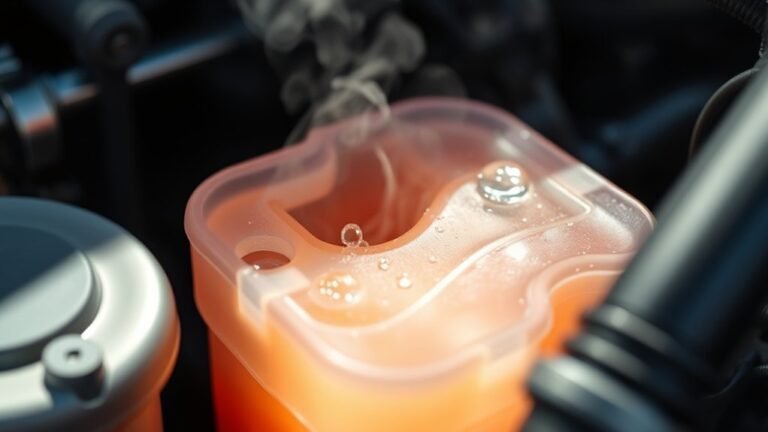
Does Coolant Expire
Yes, coolant does expire because its chemical additives degrade over time, reducing its ability to regulate temperature and prevent corrosion. This degradation affects the coolant’s effectiveness in protecting your engine.
In your vehicle, coolant typically lasts 2 to 5 years depending on the type and maintenance. Unopened coolant can remain viable up to 5 years if stored correctly in a cool, dry place.
Using degraded coolant increases the risk of overheating and engine damage. Monitoring coolant condition and replacing it according to manufacturer guidelines is vital. Understanding coolant lifespan and proper maintenance can help protect your engine’s performance and longevity.
Why Coolant Lifespan Matters for Your Car
Why does coolant lifespan matter for your car? You need to understand that coolant degrades over time, losing its ability to regulate engine temperature and prevent corrosion. Ignoring this can lead to overheating, engine damage, or failure of the cooling system.
It’s an essential maintenance aspect, not an irrelevant topic or off topic discussion often dismissed in casual conversations. Proper coolant lifespan awareness ensures your car operates efficiently, extending engine life and avoiding costly repairs.
By monitoring coolant condition and replacing it as specified by manufacturers, you maintain optimal thermal conductivity and corrosion inhibition. Neglecting this compromises system integrity, risking overheating or component degradation.
How Long Does Coolant Last in Your Car and on the Shelf?
How long can you expect coolant to remain effective both in your vehicle and while stored? Typically, coolant lasts about 2 to 5 years in your car, depending on the type and maintenance.
When it comes to coolant storage and shelf stability, unopened coolant can remain usable for up to 5 years if stored properly.
Key factors affecting lifespan include:
- In-vehicle lifespan: Exposure to heat and contaminants reduces effectiveness over time.
- Coolant storage: Keep containers sealed, away from extreme temperatures and sunlight.
- Shelf stability: Most coolants have an expiration date; beyond that, additives degrade, lowering protection.
How to Spot Expired or Degraded Coolant
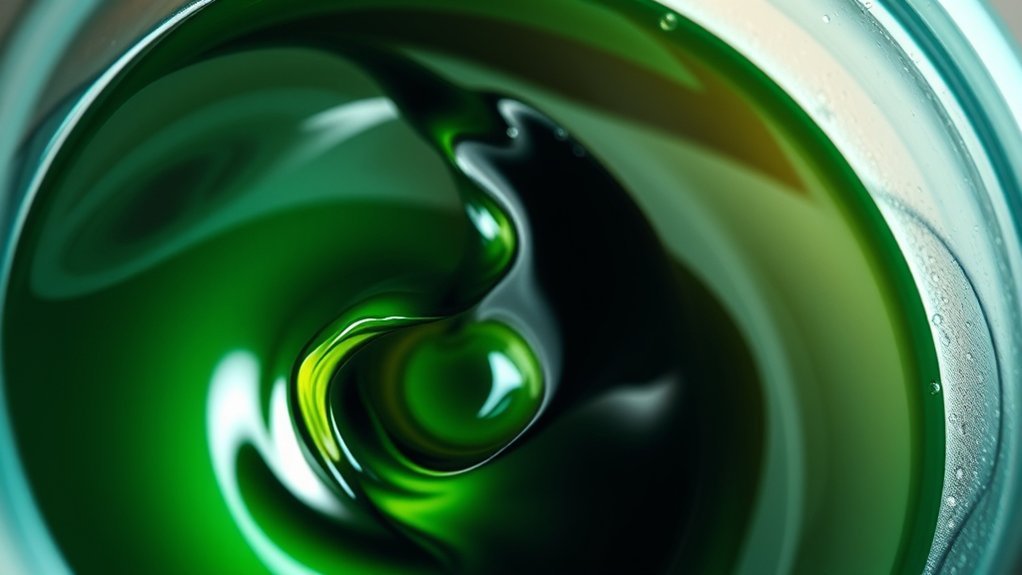
When can you tell if your coolant has expired or degraded? One clear indicator is coolant color changes. Fresh coolant typically appears bright, such as green, orange, pink, or yellow, depending on the type.
If you notice the fluid turning rusty, brown, or cloudy, it’s a sign the coolant has oxidized or accumulated contaminants, indicating expired coolant. Additionally, check for sediment or particles suspended in the fluid, which suggest degradation.
You can also test the coolant’s pH and freezing/boiling points with appropriate tools. Shifts from manufacturer specifications confirm deterioration. Regular visual inspections combined with periodic testing provide a reliable method to identify expired coolant, ensuring your cooling system operates efficiently and prevents corrosion or overheating risks.
What Happens to Your Engine When Coolant Goes Bad?
When your coolant goes bad, your engine risks overheating due to reduced heat transfer efficiency. Corrosion and rust can develop inside the cooling system, causing long-term damage to engine components.
This degradation considerably lowers the coolant’s ability to regulate temperature, putting your engine at serious risk.
Engine Overheating Risks
Why does degraded coolant pose such a serious threat to your engine’s health? When coolant ages, its ability to regulate temperature diminishes, increasing the risk of overheating. This isn’t an unrelated topic or off topic discussion. It directly impacts engine performance and longevity.
If coolant fails, your engine can:
- Experience inefficient heat dissipation, causing temperature spikes.
- Suffer from increased thermal stress on components, leading to warping or cracking.
- Trigger the engine’s safety mechanisms, potentially resulting in sudden shutdowns or reduced power.
Ignoring degraded coolant means exposing your engine to overheating hazards that can cause expensive damage. Maintaining fresh, effective coolant is crucial to prevent these risks and ensure optimal engine operation.
Corrosion and Rust Damage
How exactly does bad coolant lead to corrosion and rust inside your engine? When coolant expires, its protective additives degrade, losing the ability to inhibit oxidation. This breakdown promotes rust formation on metal surfaces within the cooling system, including the radiator, water pump, and engine block.
As rust forms, it initiates irreversible corrosion, compromising structural integrity and creating fine particles that can clog narrow passages. Over time, this corrosion weakens critical components, leading to leaks and reduced engine lifespan.
Using expired coolant means you’re essentially allowing these chemical reactions to proceed unchecked. To prevent rust formation and irreversible corrosion, it’s crucial to replace coolant at recommended intervals, ensuring the additives remain effective in protecting your engine’s internal metals from oxidative damage.
Reduced Cooling Efficiency
What happens to your engine’s cooling system as coolant deteriorates? As coolant ages, its ability to transfer heat diminishes, leading to reduced cooling efficiency. This degradation isn’t about absorption myths linked to coolant aesthetics, such as color fading or clarity loss, but rather chemical breakdown that compromises thermal performance.
When coolant goes bad, you might experience:
- Increased engine operating temperatures due to insufficient heat dissipation
- Formation of sludge and deposits that clog cooling passages
- Accelerated wear on water pump and radiator caused by impaired fluid dynamics
Understanding these effects helps you recognize the importance of timely coolant replacement to maintain optimal engine temperature regulation and prevent costly damage.
How Often Should You Replace Your Coolant?
Determining the ideal interval for replacing your vehicle’s coolant depends on several factors, including the type of coolant used and the manufacturer’s recommendations. Typically, conventional green coolant requires replacement every 2 to 3 years or 30,000 miles, while extended-life coolants can last up to 5 years or 150,000 miles.
Neglecting this schedule risks corrosion, overheating, and reduced efficiency. It’s important not to confuse coolant replacement with unrelated topics like changing engine oil or transmission fluid. Those are off topic discussions that don’t affect coolant longevity.
Always check your owner’s manual for specific guidance, as some vehicles use specialized coolant formulations demanding unique replacement intervals. By adhering to these precise timelines, you ensure optimal thermal management and prevent premature wear in your cooling system components.
How to Choose the Right Coolant for Your Car
Choosing the right coolant starts with understanding the different types, such as ethylene glycol and propylene glycol formulations. You’ll also need to check your vehicle’s compatibility requirements, typically found in the owner’s manual or service guide.
Matching the coolant type to your car ensures top performance and prevents corrosion or damage.
Coolant Types Overview
How do you identify the best coolant for your vehicle’s engine? Understanding coolant types is key. Each type uses distinct chemical formulations, often marked by specific coolant dye colors.
Checking archive labels on your coolant container helps trace its composition and manufacturing date, ensuring proper use.
Here are the main coolant types you’ll encounter:
- Inorganic Additive Technology (IAT): Typically green, uses silicates and phosphates for corrosion protection; common in older vehicles.
- Organic Acid Technology (OAT): Usually orange or red, employs organic acids for extended life and reduced silicate content.
- Hybrid Organic Acid Technology (HOAT): Combines IAT and OAT benefits, often yellow or turquoise, balancing corrosion protection and longevity.
Refer to coolant dye and archive labels to verify compatibility and shelf life before use.
Vehicle Compatibility Guide
Why does your vehicle require a specific type of coolant? Different engines have unique materials and operating conditions that demand tailored coolant formulations to prevent corrosion, scaling, and overheating. Using the wrong coolant can cause chemical reactions that damage your cooling system components.
When selecting coolant, refer to your owner’s manual or manufacturer guidelines to ensure compatibility. Avoid relying on irrelevant topic discussions or off topic advice from unverified sources, as these can mislead you into choosing unsuitable coolants.
Pay attention to specifications like ethylene glycol or propylene glycol base, additive packages, and compatibility with aluminum or other metals in your engine. Choosing the right coolant ensures longevity and optimal performance, while ignoring compatibility risks costly repairs and system failures.
Tips to Maintain Your Car’s Cooling System
When should you inspect your car’s cooling system to ensure optimal performance? Regular checks are essential, especially before extreme weather changes. Proper coolant storage impacts its shelf life, so always keep coolant in a sealed container, away from direct sunlight and humidity to maintain effectiveness. Here are key maintenance tips:
- Monitor coolant levels: Check the reservoir monthly and top off with the recommended type if needed.
- Inspect hoses and clamps: Look for cracks or leaks that can compromise system integrity.
- Flush the system: Follow your vehicle’s service manual for scheduled flushes to remove contaminants and prevent corrosion.
Maintaining these practices helps you avoid cooling system failures and ensures that your coolant remains effective throughout its shelf life, directly supporting your engine’s reliability.
Preventing Coolant Problems: Best Practices for Engine Health
Regular maintenance of your cooling system lays the groundwork for avoiding common coolant-related issues that could impair engine performance. You should routinely check coolant levels and quality, ensuring the mixture maintains proper antifreeze-to-water ratios.
Neglecting coolant can cause overheating, leading to engine damage that also affects spark plug maintenance due to increased combustion chamber temperatures. Additionally, monitoring oil viscosity is crucial since degraded coolant can cause thermal stress, accelerating oil breakdown and reducing lubrication efficiency.
Always flush and replace your coolant according to manufacturer recommendations, using the correct type for your engine. This prevents corrosion, scaling, and clogging within the radiator and hoses.
Frequently Asked Questions
Can You Mix Different Brands of Coolant Safely?
You shouldn’t mix different coolant brands without checking mix compatibility first. Brand cross compatibility varies due to differing additives, so incompatible mixes can cause corrosion or reduced performance.
Always consult manufacturer specs before combining coolants.
Is It Necessary to Flush the Cooling System Before Adding New Coolant?
Yes, you should perform a flush procedure before adding new coolant to prevent compatibility concerns. Flushing removes old coolant and contaminants, ensuring the new coolant works effectively.
This process also helps avoid chemical reactions that could damage your cooling system.
What Are the Environmental Impacts of Disposing Old Coolant?
You might think old coolant disposal is harmless, but improper environmental disposal can contaminate water and soil.
Luckily, coolant recyclability exists, so you should always recycle it to minimize toxic environmental impacts and protect ecosystems efficiently.
Can Coolant Freezing Point Affect Winter Driving Performance?
Yes, your coolant composition directly affects its freezing point, which is essential for winter driving. If the freezing point is too high, the coolant can freeze, causing engine damage and reduced performance in cold conditions.
Are There Any Health Risks Associated With Handling Coolant?
Yes, handling coolant poses health risks like skin irritation and poisoning. Avoid brand mixing to maintain freezing point and winter driving performance.
Proper disposal is essential to prevent environmental impacts, so always follow safety guidelines carefully.