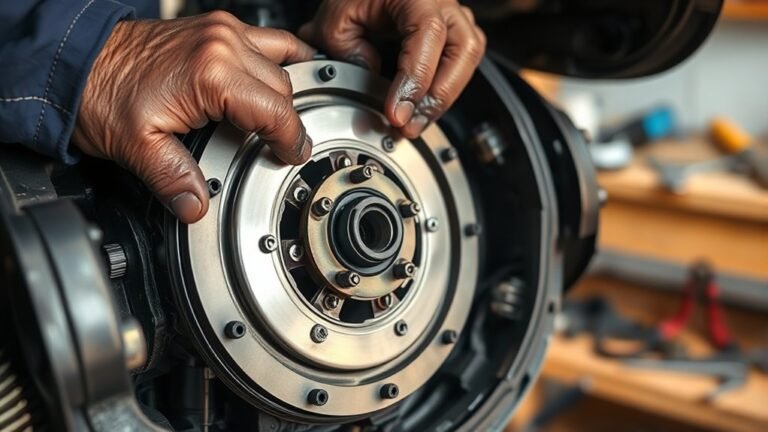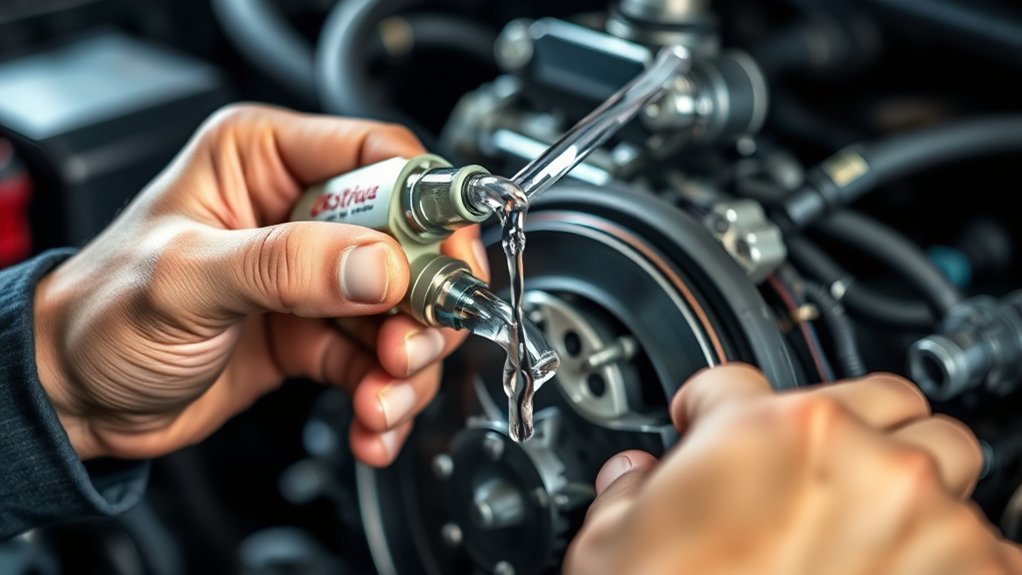
How Bleed Clutch
You’ll need to bleed clutch if the pedal feels spongy, engagement is delayed, or shifting becomes difficult due to air trapped in the hydraulic line.
Using a brake bleeder kit, clear hose, and wrench, you can carefully release air and fluid from the bleed nipple while maintaining fluid levels.
Wearing gloves and eye protection is essential for safety during the process.
Proper bleeding restores clutch responsiveness and prevents premature wear.
Exploring further will reveal a detailed, stepwise approach and troubleshooting tips for effective maintenance.
How to Tell When Your Clutch Needs Bleeding
How can you determine when your clutch needs bleeding? First, assess the clutch pedal’s feel and engagement point. A spongy or soft pedal often indicates air trapped in the hydraulic line.
Assess the clutch pedal’s feel; a spongy or soft pedal often signals trapped air in the system.
Next, observe for inconsistent or delayed clutch engagement, which signals hydraulic system inefficiency. To diagnose clutch wear accurately, inspect for slipping during acceleration and difficulty shifting gears, but remember these symptoms alone don’t confirm bleeding necessity.
Pay close attention to signs of hydraulic contamination, such as discolored or foamy brake fluid in the reservoir, which compromises system integrity. Additionally, check for fluid leaks around the master and slave cylinders.
Combining these diagnostic steps ensures a precise evaluation, helping you identify when clutch bleeding is essential to restore optimal hydraulic pressure and maintain proper clutch operation.
Tools You’ll Need to Bleed Your Clutch
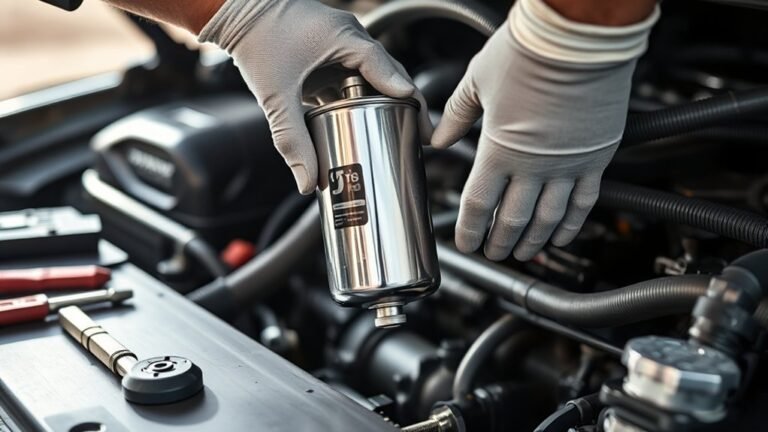
To bleed your clutch effectively, you’ll need specific tools like a brake bleeder kit, a wrench that fits your bleeder valve, and fresh hydraulic fluid.
Don’t forget essential safety equipment, including gloves and eye protection, to prevent exposure to corrosive fluids. Preparing these items beforehand ensures a smooth and safe bleeding process.
Essential Bleeding Tools
Which tools are indispensable when bleeding your clutch? First, you’ll need a clear hose to attach to the bleeder valve, allowing you to observe the fluid and any air bubbles. This is essential for understanding the bleed humor in your system.
A reliable wrench, often a 10mm, is essential to open and close the valve precisely without rounding it off. A brake fluid reservoir or syringe helps you maintain fluid levels, preventing air reentry.
The clutch philosophy emphasizes system integrity, so avoid mixing tools that can introduce contaminants. A catch container collects expelled fluid, ensuring a clean workspace. These tools collectively enable you to execute a controlled, efficient bleed, essential for restoring clutch hydraulic performance without guesswork or error.
Safety Equipment Needed
Why is safety gear essential when bleeding your clutch? The process involves handling hydraulic fluid under pressure, which can cause skin irritation or eye injury. You should always wear safety gloves to protect your hands from fluid exposure and potential chemical burns.
Additionally, ensuring a proper helmet fit is critical if you’re working on a motorcycle clutch; a secure helmet safeguards against accidental impacts while you focus on the task. Eye protection is also vital to prevent fluid splashes from causing damage.
Using appropriate safety gear minimizes risks and allows you to maintain control during the procedure. Don’t overlook these precautions; they’re fundamental to working safely and efficiently when bleeding your clutch system.
Step-by-Step Guide to Bleeding Your Clutch
How exactly do you guarantee a complete and effective clutch bleed? Begin with attention to clutch fluid color. Dark or contaminated fluid signals replacement necessity. Next, perform a master cylinder diagnosis to confirm it’s functioning correctly. Then, follow these precise steps:
| Step | Action |
|---|---|
| 1 | Locate the bleed nipple |
| 2 | Attach clear tubing and container |
| 3 | Pump clutch pedal slowly |
| 4 | Open nipple to release air/fluid |
Repeat until fluid runs clear and air bubbles cease. Keep the master cylinder reservoir topped with fresh fluid to prevent air ingress. This analytical approach ensures a thorough purge of trapped air, restoring clutch hydraulic efficiency without guesswork.
Troubleshooting Common Clutch Bleeding Issues
When bleeding your clutch, you’ll need to focus on effectively removing air bubbles to maintain hydraulic pressure. Any contamination in the fluid can compromise system performance and lead to premature failure.
Let’s analyze common issues and their solutions to guarantee a reliable bleeding process.
Air Bubble Removal
Air trapped within the hydraulic clutch system can substantially impair performance by causing spongy pedal feel and inconsistent engagement. To effectively remove the air bubble, you must carefully bleed clutch fluid, starting from the slave cylinder or bleed nipple.
Ensure the reservoir is topped to prevent new air intake during the process. Use a transparent hose connected to the bleed valve, allowing you to observe air bubbles escaping. Consistent pedal presses combined with slow valve opening facilitate thorough evacuation of trapped air.
If air bubbles persist, repeat the procedure, applying pressure from the master cylinder side if necessary. Avoid aggressive pumping, which can introduce more air.
Proper air bubble removal restores hydraulic integrity, ensuring precise clutch actuation and reliable system responsiveness.
Fluid Contamination Prevention
A key factor in maintaining clutch system reliability is preventing fluid contamination during bleeding. Contaminants degrade hydraulic fluid properties, compromising clutch response and customer experience.
Strict quality control measures are essential to avoid introducing dirt, moisture, or incompatible fluids.
| Contamination Source | Prevention Method |
|---|---|
| Dirt/Debris | Use sealed containers |
| Moisture | Store fluid in dry areas |
| Mixing Fluids | Verify fluid compatibility |
| Airborne Particles | Perform bleeding in clean environments |
Why Bleeding Your Clutch Matters for Smooth Shifts
Why does bleeding your clutch substantially impact shift quality? A bleeding overview reveals that air trapped in the hydraulic system disrupts consistent pressure transmission. When you bleed your clutch, you remove these air pockets, ensuring hydraulic fluid flows unimpeded.
Due to hydraulic quirks, even minimal air presence can cause spongy pedal feel and delayed clutch engagement. This inconsistency directly affects your ability to achieve smooth, precise shifts.
Proper bleeding restores firm pedal response and predictable clutch release, allowing you to modulate gear changes with accuracy. Ignoring this maintenance step compromises the clutch’s hydraulic efficiency, leading to jerky or harsh shifts.
Ultimately, bleeding your clutch is essential to maintain optimal hydraulic pressure balance, directly translating to enhanced drivability and shift smoothness.
Maintenance Tips to Keep Your Hydraulic Clutch Healthy
Although hydraulic clutches are generally reliable, neglecting routine maintenance can quickly lead to degraded performance or failure. To keep your hydraulic clutch healthy, adhere strictly to the manufacturer’s maintenance schedule, which typically includes periodic inspections and fluid changes.
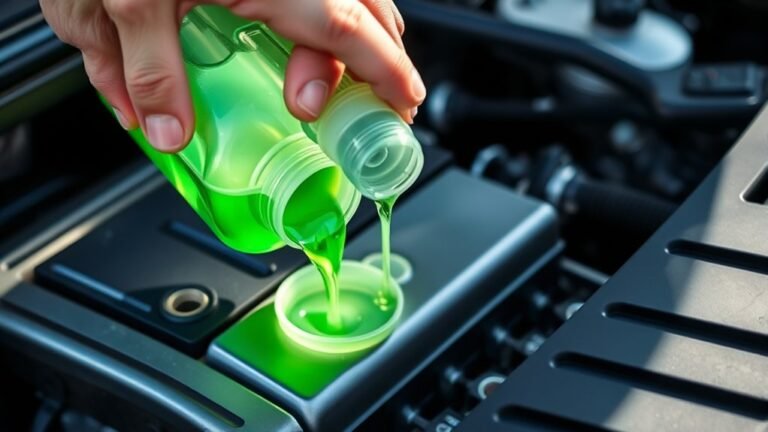
Using the correct clutch fluid types specified for your system, often DOT 3, DOT 4, or specialized hydraulic fluids, is critical to prevent corrosion and maintain optimal hydraulic pressure. Regularly check fluid levels and look for contamination or discoloration, which indicate the need for a flush.
Additionally, inspect the clutch master and slave cylinders for leaks or wear. Timely replacement of worn components and fluid ensures consistent clutch engagement and extends system longevity, reducing the risk of unexpected failures or costly repairs.
Frequently Asked Questions
Can I Bleed a Clutch Without Removing the Slave Cylinder?
You can bleed the clutch without removing the slave cylinder by following a proper bleed procedure, though 90% of effective bleeding relies on precise slave cylinder function.
Ensure no air enters during the process for optimal hydraulic response.
How Often Should Clutch Fluid Be Replaced?
You should replace clutch fluid every 2 years or 30,000 miles to maintain hydraulic efficiency. During the bleed procedure, guarantee all air is expelled to prevent sponginess and preserve clutch system performance and longevity.
Is There a Difference Between Brake and Clutch Fluid?
Back in the day of the Model T, you’d find brake fluid and clutch fluid often identical, usually DOT 3 or 4. Today, you’ll see they’re chemically similar but sometimes differ in specifications for optimal performance and compatibility.
Can Air in the Clutch System Cause Slipping?
Yes, air in the clutch system can cause slipping by reducing hydraulic pressure. You’ll need proper bleed procedures during clutch maintenance to remove air, ensuring consistent clutch engagement and preventing performance issues.
What Are the Risks of Over-Bleeding a Clutch?
Overbleed risks are like sailing too close to the wind; you might introduce air bubbles, causing inconsistent hydraulic pressure. This leads to premature clutch wear, reduced engagement precision, and ultimately compromises your vehicle’s performance and safety.