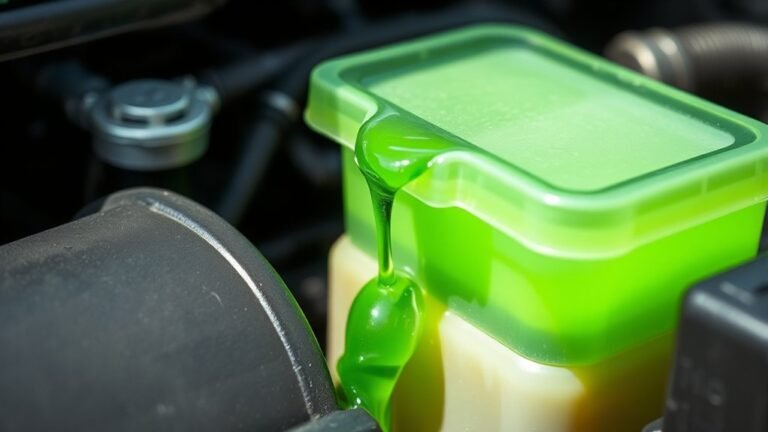
How to Tell if Fuel Filter Is Bad
You can tell your fuel filter is bad if you notice reduced fuel flow causing engine hesitation, stalling, or difficulty starting. A clogged fuel filter often leads to these symptoms by restricting fuel delivery to the engine.
Black smoke from the exhaust often signals incomplete combustion due to clogging. You might also find a sudden drop in fuel economy or rough idling. These issues stem from trapped contaminants blocking proper fuel flow.
Identifying these signs early helps prevent engine damage. Keep exploring to understand causes, testing methods, and replacement guidelines for your fuel filter.
What a Fuel Filter Does in Your Car
How exactly does a fuel filter function in your car’s fuel system? It serves as a critical barrier that traps contaminants like dirt, rust, and debris before they reach the engine. By filtering out these impurities, the fuel filter ensures that only clean fuel is delivered, which directly supports optimal fuel efficiency.
In diesel engines, this cleanliness is even more crucial because contaminants can severely impair diesel performance, leading to reduced power and increased emissions. The fuel filter maintains consistent fuel flow, preventing clogging that could disrupt injection timing and combustion.
Without a properly functioning fuel filter, your engine risks damage and inefficiency. So, by keeping your fuel system clean, the filter plays a vital role in preserving your vehicle’s reliability and maximizing diesel performance.
Common Causes of Fuel Filter Problems
A fuel filter’s ability to keep your engine running smoothly depends on its condition and the environment it operates in. Contaminants like dirt, rust, and debris accumulate over time, reducing fuel filters’ efficiency. Additionally, poor fuel quality or water contamination accelerates clogging.
Environmental factors such as humidity and temperature fluctuations can degrade the filter material. Understanding these causes helps you anticipate maintenance needs.
| Cause | Description |
|---|---|
| Dirt & Debris | Accumulates from fuel and tank |
| Rust Particles | Originates from old fuel tanks |
| Water Contamination | Leads to corrosion and clogging |
| Fuel Quality | Low-grade fuel adds more impurities |
| Environmental Stress | Heat and moisture degrade filters |
Discussion ideas: seasonal maintenance, filtration capacity
Signs Your Fuel Filter Is Clogged or Dirty
When exactly should you suspect your fuel filter is clogged or dirty? One clear sign is a noticeable drop in fuel economy, as restricted fuel flow forces the engine to work harder. You might also see black smoke from the exhaust due to incomplete combustion caused by insufficient fuel delivery.
If you’ve recently used fuel additives designed to clean the system, clogged filters can prevent their effectiveness. Additionally, persistent difficulty starting the engine or frequent stalling during idling can indicate fuel delivery issues linked to a dirty filter.
Keep in mind, these signs typically emerge before severe engine problems, so recognizing them early helps maintain optimal fuel economy and overall engine performance. Regular inspection and timely replacement of the fuel filter are essential to avoid these issues.
Recognizing Fuel Filter Symptoms While Driving
When driving, you might notice engine performance issues like hesitation, stalling, or reduced power, which can signal a failing fuel filter.
Additionally, an unusual fuel smell inside or around your vehicle may indicate fuel is not flowing properly. Recognizing these symptoms early helps prevent more serious engine damage.
Engine Performance Issues
How can you identify engine performance issues caused by a failing fuel filter while driving? You might notice a decrease in acceleration, rough idling, or engine misfires, especially under load.
In diesel engines, restricted fuel flow due to a clogged filter can cause hesitation or stalling during acceleration. These symptoms result from insufficient fuel reaching the combustion chamber, impairing combustion efficiency.
Additionally, poor fuel economy often accompanies these issues as the engine compensates for fuel starvation by increasing fuel injection duration or throttle input. Monitoring these signs promptly is crucial because prolonged operation with a compromised fuel filter can damage fuel injectors and reduce engine lifespan.
Maintaining a clean fuel filter ensures optimal fuel delivery, preserving both engine performance and fuel economy in diesel engines.
Unusual Fuel Smells
Why might you detect unusual fuel smells while driving? A clogged or failing fuel filter can cause fuel to leak or evaporate improperly, leading to these odors. This symptom isn’t an unrelated topic; it directly signals fuel system issues.
Don’t confuse it with random guidance about fuel smells caused by external sources like spilled gasoline. Identifying this symptom precisely helps prevent engine damage and safety hazards.
| Symptom | Possible Cause |
|---|---|
| Strong fuel odor inside | Fuel leak near filter or lines |
| Fuel smell during idle | Evaporation due to filter clog |
| Smell after refueling | Fuel vapor not properly filtered |
Recognizing these patterns ensures you address fuel filter problems promptly and avoid further mechanical complications.
How a Bad Fuel Filter Hurts Your Engine’s Performance
What impact does a clogged fuel filter have on your engine’s performance? When the fuel filtration system is compromised, contaminants restrict fuel flow, causing inconsistent fuel delivery to your engine. This restriction reduces combustion efficiency, leading to decreased engine power and sluggish acceleration.
Your engine may also experience misfires or hesitation during operation, as the precise air-fuel mixture is disrupted. Over time, poor fuel filtration increases strain on the fuel pump, risking premature failure.
Additionally, insufficient fuel supply results in incomplete combustion, which lowers engine efficiency and increases emissions. Maintaining a clean fuel filter ensures upshot fuel filtration, preserving smooth engine function and preventing performance degradation.
Ignoring a clogged filter directly undermines your engine’s responsiveness and longevity.
Simple Tests to Check If Your Fuel Filter Is Bad
A clogged fuel filter can materially impair your engine’s performance, so identifying its condition early is essential. One simple test is to measure the fuel pressure using a gauge attached to the fuel rail. If the pressure is below manufacturer specifications, it often indicates fuel contamination has restricted flow, causing fuel pump strain.
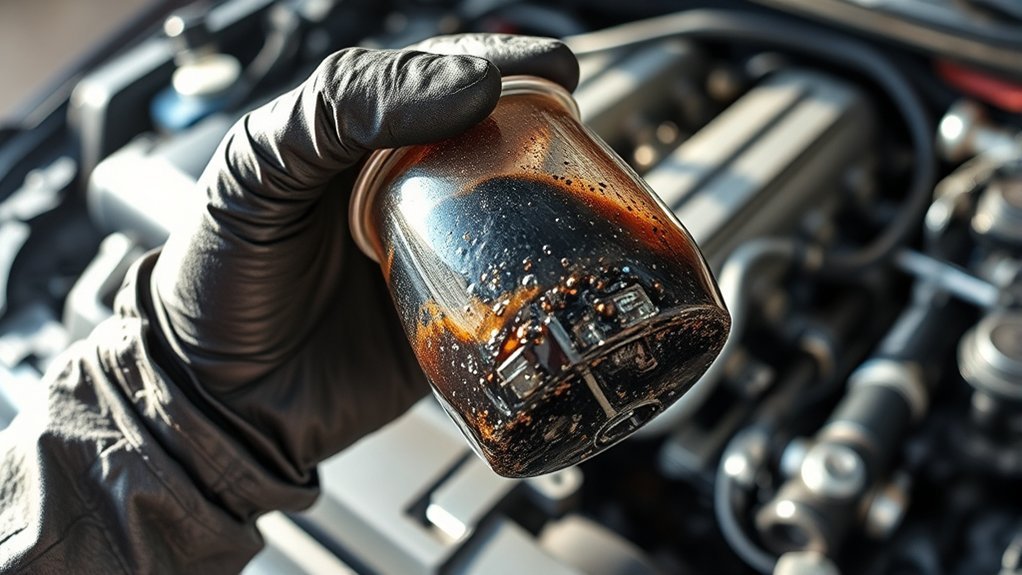
Another method is inspecting the filter visually if accessible; discoloration or debris buildup signals contamination. Additionally, you can monitor engine symptoms like hesitation during acceleration or difficulty starting, which suggest restricted fuel delivery.
Finally, disconnecting the fuel line downstream of the filter and checking for steady fuel flow can reveal blockages. These straightforward tests help you determine if the fuel filter is compromised without specialized diagnostics.
When to Replace Your Fuel Filter
How often should you replace your fuel filter to maintain optimal engine performance? Typically, manufacturers recommend replacement every 20,000 to 40,000 miles, but this interval can vary based on your vehicle and driving conditions.
Ignoring this schedule risks clogging, which restricts fuel flow and reduces engine efficiency. Don’t confuse this with an irrelevant topic like oil changes or an unrelated idea such as tire maintenance; the fuel filter has a distinct role in protecting your fuel injectors from contaminants.
If you notice symptoms like hesitation, misfires, or reduced power, it’s a clear sign your filter may need replacement sooner. Staying proactive with fuel filter changes ensures your engine runs smoothly and prevents costly repairs caused by fuel system contamination.
Tools and Tips to Replace Your Fuel Filter at Home
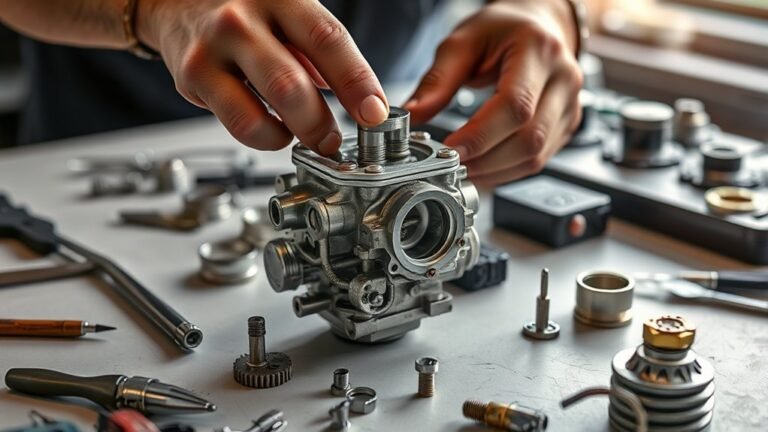
To replace your fuel filter at home, you’ll need specific tools like wrenches, screwdrivers, and a container to catch fuel spills. Following step-by-step instructions ensures you safely disconnect fuel lines and avoid contamination.
Proper preparation and technique are essential for an effective and clean replacement process.
Essential Replacement Tools
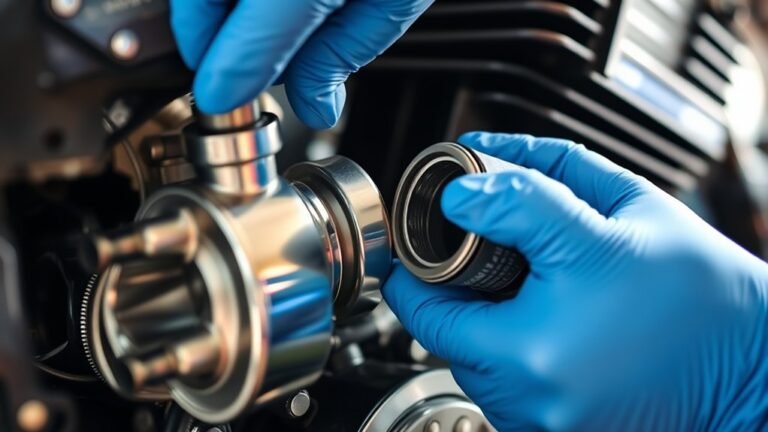
Which tools will you need to replace your fuel filter safely and efficiently? First, a set of wrenches or socket tools sized to your vehicle’s fittings is essential for loosening and tightening fuel line connections. You’ll also need a fuel line disconnect tool if your model requires it.
Safety goggles and gloves protect you from fuel exposure. A container to catch residual fuel prevents spills. Avoid getting sidetracked by irrelevant topics or unrelated discussions about general maintenance; focus solely on tools specific to fuel filter replacement.
Additionally, a jack and jack stands may be necessary for access, depending on your vehicle’s design. Having these tools prepared ensures a smooth, safe replacement, minimizing risks and time spent during the procedure.
Step-by-Step Replacement Tips
When should you start the replacement process to guarantee safety and efficiency? Begin once symptoms like engine hesitation or reduced fuel economy appear, as delaying can cause irreversible damage to the fuel system.
First, relieve fuel system pressure to avoid leaks. Next, disconnect the battery to prevent electrical hazards. Use the correct wrenches to detach fuel lines from the filter. Have a catch pan ready for residual fuel.
Remove the old filter, noting its orientation for proper installation of the new one. Install the new filter securely, reconnect fuel lines, and tighten fittings to manufacturer torque specs.
Finally, reconnect the battery and prime the fuel system by turning the ignition on without starting the engine. This ensures optimal flow and prevents airlocks, maintaining engine performance and avoiding further damage.
How to Prevent Fuel Filter Issues With Proper Maintenance
How often should you inspect your fuel filter to avoid unexpected issues? Regular inspection every 20,000 to 30,000 miles is advisable, but consult your vehicle’s manual for specific intervals.
Maintaining optimal fuel quality is crucial; always use fuel from reputable sources to minimize contaminants entering the filter. Contaminants accelerate clogging, reducing fuel pump longevity by causing it to work harder. Additionally, avoid running your fuel tank near empty, as sediment can be drawn into the filter.
Routine maintenance includes replacing the fuel filter according to manufacturer recommendations, which ensures consistent fuel flow and prevents strain on the fuel pump. By adhering to these practices, you’ll enhance fuel system efficiency and extend component life, preventing costly repairs linked to fuel filter failure.
When to See a Mechanic for Fuel Filter Issues
Regular maintenance can considerably reduce the risk of fuel filter problems, but it won’t eliminate the need for professional diagnosis and repair. You should see a mechanic if you notice persistent symptoms such as engine misfires, difficulty starting, or a sudden drop in fuel economy despite routine checks.
A certified technician can perform thorough diagnostics to confirm if the fuel filter is clogged or damaged. Early professional intervention helps maintain optimal fuel economy and prevents further engine damage, aligning with effective maintenance budgeting.
Delaying repairs may lead to costly component replacements, so timely mechanic consultation ensures your vehicle runs efficiently and avoids unexpected breakdowns. Trusting expert assessment is crucial when fuel filter issues surpass basic preventive measures.
Frequently Asked Questions
Can a Bad Fuel Filter Cause Poor Fuel Economy?
Think of your engine as a thirsty runner; a clogged fuel filter restricts flow, causing bad fuel economy.
Ensuring fuel filter compatibility is crucial, as an incompatible or failing filter disrupts optimal fuel delivery and efficiency.
Are Fuel Filters the Same for All Car Models?
No, fuel filters vary based on different fuel systems and car models. You’ll need to check aftermarket compatibility carefully, as using the wrong filter can affect performance and fuel flow. Always match specifications precisely.
How Long Does a Fuel Filter Typically Last?
Picture your engine breathing through a clean filter; replacement timing usually falls between 20,000 to 40,000 miles.
Maintaining filtration efficiency ensures optimum fuel flow, preventing clogs that could harm performance or cause engine strain during your drives.
Can a Dirty Fuel Filter Damage the Fuel Pump?
Yes, a filter clog reduces fuel pressure, forcing the fuel pump to work harder. This increased strain can overheat and damage the pump.
Monitoring fuel pressure and replacing clogged filters promptly is essential to prevent pump failure.
Is It Safe to Drive With a Clogged Fuel Filter?
It’s not safe to drive with a bad filter because reduced fuel flow can cause engine performance issues and strain the fuel pump.
You should replace the clogged filter promptly to avoid potential damage and ensure proper fuel delivery.