Which Way Does a Fuel Filter Go
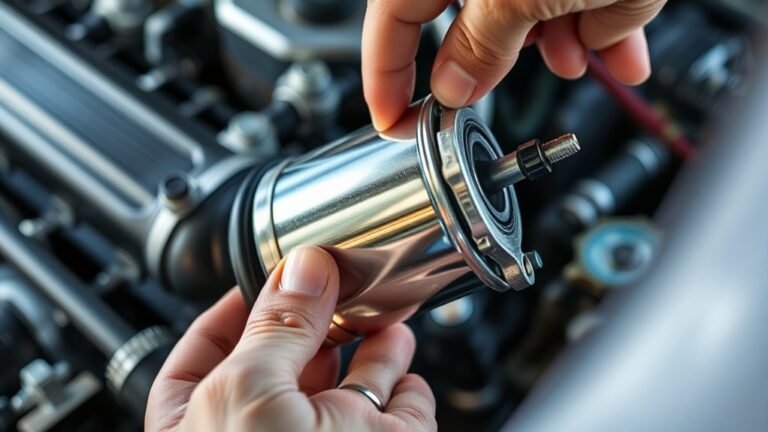
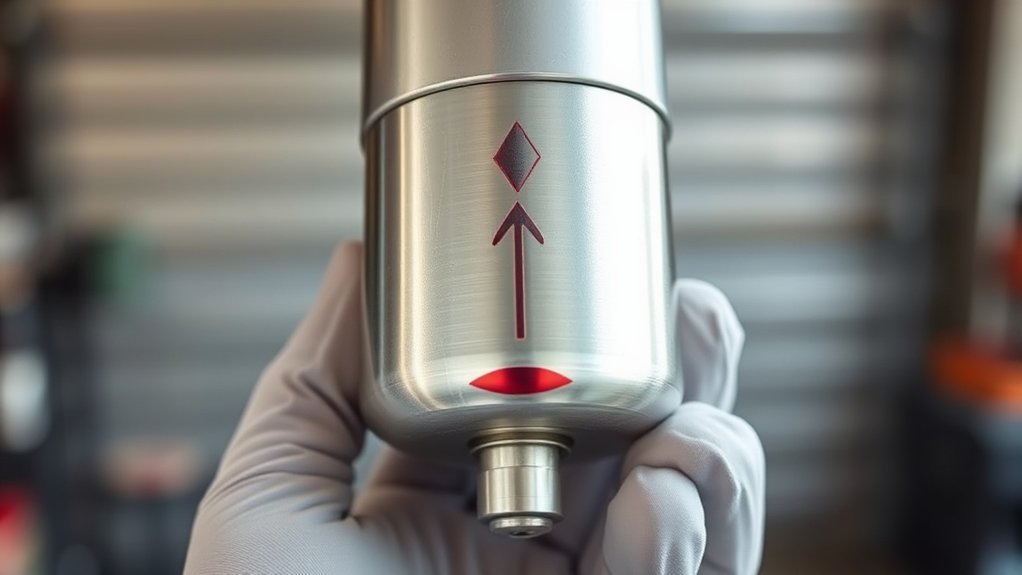
You’ll want to install your fuel filter so the arrow on its body points from the fuel tank’s inlet to the engine’s outlet, ensuring proper fuel flow.
This prevents backflow, maintains pressure, and avoids damage or inefficiency in your fuel system.
Check for labeled ports and flow direction to get it right.
Installing it backward can cause performance issues and system strain.
Keeping the filter correctly oriented is key to engine health and efficiency.
There’s more to know about handling and maintenance to keep your fuel system running smoothly.
Proper installation is just the first step in ensuring long-term reliability.
How to Identify the Correct Fuel Filter Direction
How can you determine the correct orientation of a fuel filter before installation? First, you need to understand that installing it correctly is essential for maintaining optimal fuel efficiency and emission control.
The fuel filter is designed to allow fuel to flow in one direction, ensuring contaminants are trapped before reaching the engine. Typically, the filter has an inlet and outlet port, with the inlet receiving fuel from the tank and the outlet sending filtered fuel to the engine.
Proper orientation prevents backflow and maintains consistent fuel pressure. If installed backward, it can reduce fuel efficiency, increase emissions, and potentially damage the fuel system.
How to Read Arrows and Labels on Fuel Filters
Where should you look to quickly determine the correct installation direction on a fuel filter? The simplest place is the arrow printed or molded on the filter body. This arrow indicates the flow direction, essential for maintaining fuel purity and optimal filtration efficiency.
To interpret these labels correctly, follow these steps:
- Locate the directional arrow on the filter housing.
- Identify inlet and outlet ports, often labeled or differentiated by size.
- Read any accompanying text specifying “IN” or “OUT” to confirm flow orientation.
- Check for additional markings indicating pressure limits or filter compatibility.
Why Fuel Filter Orientation Matters for Your Engine
Once you’ve identified the correct flow direction on your fuel filter, understanding why its orientation matters becomes clear. Proper alignment ensures fuel flows through the filter media as designed, trapping contaminants effectively.
Installing the filter backwards disrupts this flow, potentially causing fuel starvation or allowing debris to bypass filtration, which can damage injectors or the engine. It’s important to avoid irrelevant tangents or speculative myths suggesting orientation doesn’t impact performance.
These misconceptions overlook the filter’s internal structure, which relies on directional flow to separate particles and maintain fuel pressure. By following the indicated flow direction, you preserve engine efficiency and longevity.
Ignoring orientation risks clogging or leaks, leading to costly repairs and reduced engine reliability.
How to Replace a Fuel Filter Step-by-Step
Before you start, gather the necessary tools and guarantee safety precautions are in place to avoid fuel spills or injury.
Carefully disconnect and remove the old fuel filter, noting its orientation. Then, install the new filter in the correct direction to maintain proper fuel flow and engine performance.
Preparing Tools And Safety
How do you guarantee a safe and efficient replacement of your fuel filter? Prioritizing tools safety and PPE importance is essential before starting. You’ll need the right equipment and proper protective gear to avoid injury and ensure precision.
Follow these steps:
- Gather specialized tools: fuel line disconnect tool, wrenches, and a container for drained fuel.
- Wear appropriate PPE: safety goggles, gloves resistant to fuel, and long sleeves to protect skin.
- Work in a well-ventilated area away from ignition sources to prevent fire hazards.
- Prepare a clean workspace with absorbent materials to catch any spilled fuel.
Removing The Old Filter
Where do you start when removing the old fuel filter? First, transition the engine is off and cooled to avoid fuel vapor ignition. Relieve fuel system pressure by loosening the fuel filler cap or using the specific release valve if your vehicle has one.
Locate the fuel filter, typically along the fuel line or near the fuel tank on diesel engines. Use appropriate wrenches to disconnect fuel lines from the filter, catching any residual fuel to prevent spills. Pay close attention to the filter’s orientation, as improper removal can compromise fuel quality by introducing contaminants.
Cap the fuel lines promptly to minimize air ingress. Finally, remove any mounting brackets or clips securing the filter. Handling the old filter carefully ensures a smooth transition to installing the new one.
Installing The New Filter
A new fuel filter must be installed with careful attention to its directional flow, typically indicated by an arrow on the filter body. Correct installation orientation is critical to ensure effective fuel filtration and prevent engine issues. Follow these steps:
- Align the arrow on the fuel filter with the fuel flow direction, usually from the fuel tank to the engine.
- Securely connect the fuel lines to the filter inlets and outlets, maintaining a tight seal to avoid leaks.
- Mount the filter using the original bracket or clamps, ensuring it’s stable and vibration-free.
- Double-check all connections and remove any air trapped in the fuel system by priming the pump or cycling the ignition.
Adhering to proper installation orientation guarantees optimal fuel filtration and engine performance.
Tips for Handling Common Fuel Filter Types
Why does the orientation and handling of different fuel filter types matter? Proper handling ensures optimal filtration efficiency and compatibility with various fuel types. Mishandling or incorrect orientation can reduce performance or cause damage.
Here’s a quick guide:
| Fuel Filter Type | Handling Tips |
|---|---|
| Inline | Check flow direction arrow; avoid twisting hoses |
| Cartridge | Ensure correct seating; avoid contamination |
| Spin-on | Tighten per specs; confirm seal integrity |
Each filter type demands attention to detail to maintain filtration efficiency. For example, inline filters must align with fuel flow to prevent fuel starvation. Cartridge filters require clean hands to avoid introducing debris. Spin-on filters need proper torque to maintain a secure seal without damage.
Keep these tips in mind for effective fuel filtration across different fuel types.
How to Tell If Your Fuel Filter Is Installed Backward
Proper orientation and careful handling of your fuel filter are key to maintaining fuel system performance, but even with attention, mistakes happen. To tell if your fuel filter is installed backward, watch for these indicators:
- Fuel Flow Direction Markings: Check the arrow on the filter body; it must align with the fuel flow direction from the tank to the engine.
- Engine Performance Issues: A backward filter often causes reduced fuel pressure, leading to poor acceleration or stalling.
- Fuel Pump Strain: An incorrect installation increases pump workload, sometimes causing overheating or premature failure.
- Visual Inspection: Ensure fuel lines connect to the correct filter ports. Incorrect hookups hint at reversed installation.
Regular filter maintenance and correct placement are critical for optimal fuel system function and longevity.
Fixing a Fuel Filter Installed the Wrong Way
How can you correct a fuel filter installed the wrong way without causing damage to your vehicle’s fuel system? First, relieve fuel system pressure by removing the fuel pump fuse and running the engine until it stalls.
Avoid using the wrong tool, which can damage fittings or cause fuel leaks. Instead, use manufacturer-recommended wrenches or an appropriate alternative method like quick-disconnect tools designed for your vehicle’s fuel lines.
Carefully detach the fuel lines, noting the correct flow direction marked on the filter. Reinstall the filter so that the arrow aligns with fuel flow from the tank to the engine.
Double-check all connections for tightness to prevent leaks. Finally, restore fuel pressure and inspect for leaks during initial startup. Proper handling ensures optimal fuel system function and safety.
How Regular Fuel Filter Checks Boost Engine Performance
You’ll want to check your fuel filter regularly to maintain optimal fuel flow and prevent blockages that can restrict engine performance. A clean filter ensures contaminants don’t clog the fuel system, allowing your engine to run smoothly and efficiently.
Neglecting this maintenance can lead to reduced power and increased fuel consumption.
Improved Fuel Flow
Maintaining regular fuel filter checks ensures consistent fuel flow, which is critical for optimal engine performance. When your fuel filter is clean, your engine receives an uninterrupted supply of fuel, reducing strain and minimizing engine wear.
Here’s how improved fuel flow benefits you:
- Enhances combustion efficiency, optimizing power output.
- Reduces fuel pump workload, extending its lifespan.
- Maintains stable fuel pressure, preventing performance drops.
- Improves fuel mileage by ensuring precise fuel delivery.
Neglecting fuel filter maintenance can lead to restricted fuel flow, causing the engine to run lean and increasing wear on critical components. By routinely checking and replacing the filter, you not only safeguard your engine but also maximize fuel economy, ensuring your vehicle operates smoothly and efficiently over time.
Preventing Engine Clogs
Why does regular fuel filter maintenance matter for engine health? When you consistently check and replace your fuel filter, you ensure optimal fuel filtration, preventing contaminants from entering the engine.
Dirt, rust, and debris can clog the filter, restricting fuel flow and causing engine performance issues. This buildup increases the risk of engine clogs, which can lead to misfires, reduced power, and even damage to fuel injectors.
Maintaining a clean fuel filter preserves engine safety by minimizing wear and tear caused by contaminated fuel. By prioritizing regular fuel filter inspections, you enhance combustion efficiency and extend engine lifespan, ultimately boosting overall performance.
Proper fuel filtration is a critical step in preventing costly repairs and maintaining reliable engine operation.
Frequently Asked Questions
What Materials Are Fuel Filters Typically Made From?
Fuel filters are typically made from metal or plastic housings containing paper or synthetic filter media.
You’ll want to consider alternative filtration materials to optimize fuel quality and ensure effective removal of contaminants in various fuel systems.
How Often Should Fuel Filters Be Replaced on Average?
You should replace fuel filters every 20,000 to 30,000 miles to maintain the fuel seal integrity and prevent clogging in vent lines.
Regular replacement ensures optimal engine performance and prevents contamination-related issues.
Can a Clogged Fuel Filter Cause a Car Not to Start?
Yes, a clogged fuel filter can prevent your car from starting by restricting fuel flow. Avoid irrelevant topics like air filters; focus on two-word ideas such as “fuel pressure” and “engine performance” for accurate diagnosis.
Are Fuel Filters the Same for Gasoline and Diesel Engines?
Don’t assume fuel filters are interchangeable; gasoline and diesel engines need different filters due to distinct fuel system designs. Understanding this dispels common maintenance myths and guarantees you protect your engine’s performance and longevity effectively.
What Are the Signs of a Failing Fuel Pump?
You’ll notice engine sputtering, difficulty starting, and reduced power when a fuel pump fails. Poor fuel quality and ethanol effects can accelerate wear, causing pressure drops and inconsistent fuel delivery. This impacts overall engine performance.