How to Change a Ac Compressor Clutch
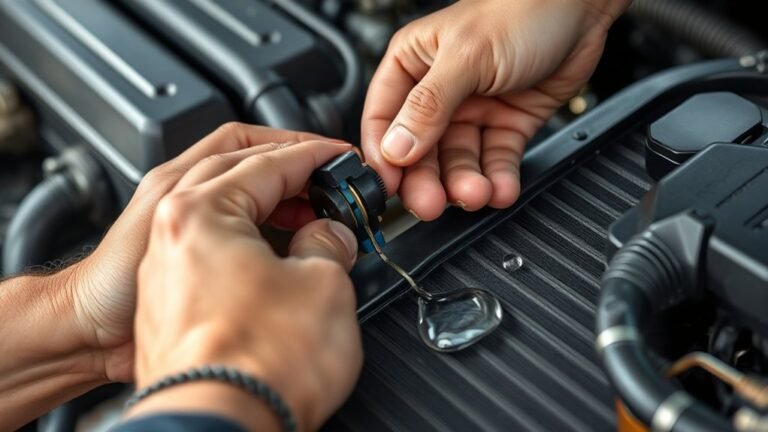
To change an AC compressor clutch, start by diagnosing the problem. Inspect the clutch for signs of wear and test the electrical connections using a multimeter. This initial step helps determine if the clutch is the root cause of the issue.
Next, gather the necessary tools such as a pulley puller, snap ring pliers, and a torque wrench. Before proceeding, disconnect the battery to ensure safety. Remove the serpentine belt carefully to access the clutch assembly.
Then, extract the old clutch plate with caution to avoid damaging other components. Install the new clutch, making sure it is properly aligned. Torque the bolts to the manufacturer’s specifications and verify the air gap to ensure correct operation.
Finally, test the clutch engagement to confirm it functions properly. For detailed steps and tips to optimize performance and longevity, continue exploring the process.
Diagnose a Faulty AC Compressor Clutch
How can you determine if your AC compressor clutch is faulty? Begin with a systematic faulty diagnosis. First, visually inspect the clutch for wear or damage, such as burnt spots or cracks.
Next, perform clutch troubleshooting by checking if the clutch engages when the AC is activated. If it doesn’t, test the electrical connections and fuses for continuity. Use a multimeter to measure voltage at the clutch coil; no voltage indicates an electrical issue, while voltage without clutch engagement suggests a mechanical fault.
Additionally, manually spin the clutch pulley. If it’s seized or excessively loose, replacement is necessary. Confirm clutch operation by observing the air conditioning system’s cooling performance. This methodical approach ensures an accurate faulty diagnosis before proceeding to clutch replacement.
Gather Tools to Replace Your AC Compressor Clutch
What tools will you need to replace your AC compressor clutch effectively? Start by gathering a pulley puller specific to your compressor model, a torque wrench for precise reassembly, and snap ring pliers to remove retaining clips.
You’ll also require a multimeter to test electrical connections and a clutch alignment tool for proper positioning. While unrelated topics like automotive paint or engine tuning might seem tempting, focus strictly on essential tools to avoid confusion.
Consider offbeat ideas from professional mechanics, such as using compressed air to hold the pulley in place during removal. Additionally, keep a clean workspace and magnetic trays for small parts.
Having these tools organized and ready ensures a smooth, methodical replacement process without unnecessary delays or errors.
Remove the Old AC Compressor Clutch
Where should you begin when removing the old AC compressor clutch? Start by disconnecting the vehicle’s battery to prevent electrical hazards. Next, carefully remove the serpentine belt to relieve tension on the compressor pulley.
Begin by disconnecting the battery, then remove the serpentine belt to safely relieve compressor pulley tension.
This step is crucial to safely remove clutch noise caused by worn components. Use a clutch removal tool to extract the clutch plate from the compressor shaft without damaging surrounding parts.
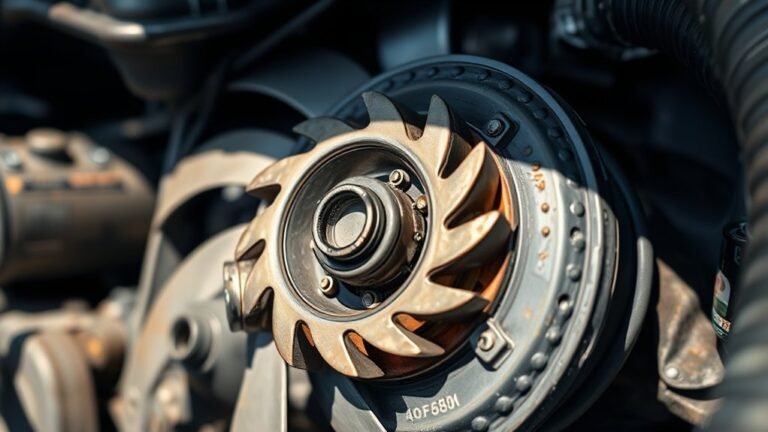
Once removed, inspect pulley alignment thoroughly; misaligned pulleys often contribute to clutch noise and premature wear. Check for signs of wear, rust, or damage on the pulley surface and compressor shaft.
Properly documenting these observations ensures you address underlying issues before installing a new clutch. Completing these steps methodically prepares you for a smooth replacement process.
Install Your New AC Compressor Clutch
When should you begin installing the new AC compressor clutch? Only after confirming, through proper diagnostic methods, that the clutch assembly is the root cause of your AC issues.
Prior to installation, evaluate lubrication options for the clutch bearing. Use manufacturer-recommended grease to ensure optimal performance and longevity.
Start by aligning the clutch plate accurately on the compressor shaft. Use a clutch hub puller tool to press the new clutch onto the shaft, applying uniform pressure to avoid misalignment.
Secure the clutch plate with the retaining bolt, tightening it to the specified torque setting. Reconnect any electrical connectors and verify that the air gap between the clutch and pulley matches specifications.
Following these precise steps ensures a reliable clutch installation, minimizing the risk of premature failure.
Test and Maintain Your New AC Compressor Clutch
After installing the new AC compressor clutch and verifying the air gap and electrical connections, you should proceed to test its operation to confirm proper engagement and disengagement. First, start the engine and turn on the AC system. Observe the clutch as it engages smoothly without slipping or unusual noise. This is idea one, ensuring mechanical and electrical functionality.
Next, monitor the clutch during various engine speeds to verify consistent performance. For maintenance, regularly inspect the air gap and electrical connections for corrosion or wear. Additionally, lubricate the pulley bearing as specified by the manufacturer to prevent premature failure.
Routine testing and maintenance improve longevity and efficiency, reducing the risk of system failure and costly repairs.
Frequently Asked Questions
What Causes an AC Compressor Clutch to Fail Prematurely?
Around 30% of premature AC compressor clutch failures stem from electrical issues, not irrelevant topic, but critical. Avoid off topic ideas like unrelated maintenance; focus on worn bearings, misalignment, excessive heat, or voltage irregularities causing clutch malfunction.
Can a Faulty AC Compressor Clutch Damage Other AC System Parts?
Yes, a faulty AC compressor clutch can cause irreversible damage by leading to refrigerant leaks, faulty pulley alignment, and electrical short circuits.
You’ll need to address these promptly to prevent further system degradation.
How Much Does It Typically Cost to Replace an AC Compressor Clutch?
You’ll typically pay between $200 and $500 to replace an AC compressor clutch.
Don’t get distracted by irrelevant topics or unrelated ideas; focus on parts, labor costs, and vehicle model specifics for accurate estimates.
Are There Different Types of AC Compressor Clutches for Various Vehicles?
Yes, you’ll find different brands offer AC compressor clutches tailored for various vehicles, featuring alternative materials like steel or aluminum. These variations affect durability, weight, and performance, so matching specifications precisely is essential for proper function.
Can I Drive Safely With a Malfunctioning AC Compressor Clutch?
Imagine driving with a screeching clutch; you can’t safely drive without proper noise reduction. A malfunctioning AC compressor clutch risks overheating and belt damage, compromising drive safety.
Address it promptly to maintain vehicle integrity and comfort.