Is All Wheel Drive Better Than Front Wheel Drive
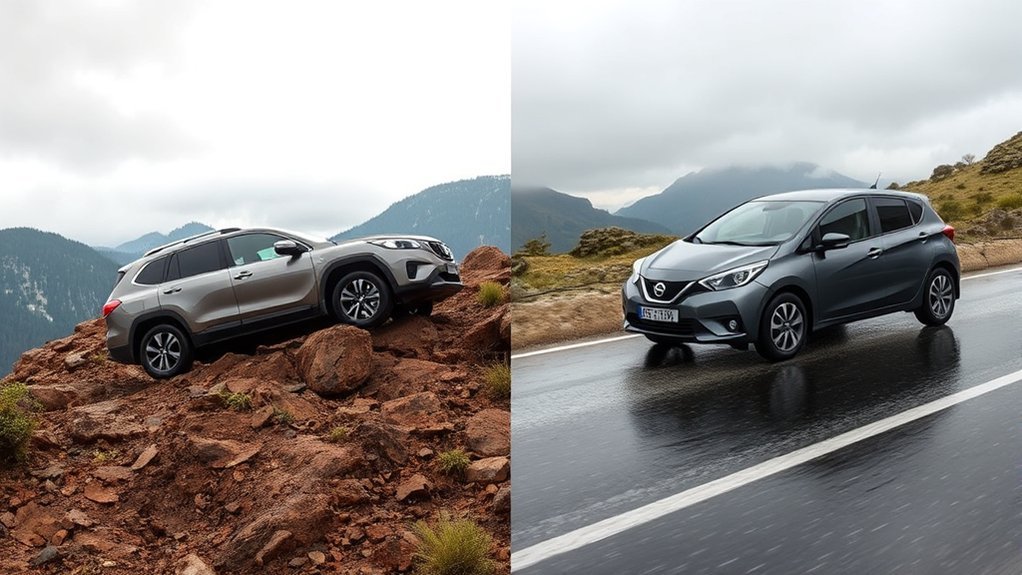
All-wheel drive (AWD) is often considered better than front-wheel drive (FWD) when it comes to traction and stability. AWD excels in rain, snow, or rough terrain, providing enhanced control and confidence on slippery roads. In contrast, front-wheel drive offers greater fuel efficiency and lower maintenance costs.
AWD systems add complexity and extra weight, which can affect fuel economy. However, this trade-off is worthwhile for drivers facing challenging weather or off-road conditions. FWD, with its simpler and lighter mechanics, is ideal for everyday city driving.
Ultimately, the choice between AWD and FWD depends on your driving conditions and priorities. Whether you value versatility or economy, exploring both options will help you find the system that best matches your lifestyle and needs.
Key Takeaways
- AWD provides superior traction and stability on slippery, snowy, or uneven surfaces compared to FWD.
- FWD offers better fuel efficiency and lower maintenance costs due to a simpler, lighter drivetrain.
- AWD is ideal for frequent adverse weather or off-road conditions, while FWD suits mild weather and city driving.
- AWD adds weight and complexity, which can reduce fuel economy and increase upkeep expenses versus FWD.
- Choosing AWD or FWD depends on driving conditions, lifestyle needs, and balancing traction benefits against cost and efficiency.
What’s the Difference Between AWD and FWD?
What sets all-wheel drive (AWD) apart from front-wheel drive (FWD)? The main difference lies in how power reaches your wheels. With FWD, the engine sends power only to the front wheels, pulling your car forward. This setup is simpler, lighter, and often more fuel-efficient.
AWD, on the other hand, distributes power to all four wheels, either full-time or when sensors detect slippage. This means you get power where it’s needed most, but with added complexity and weight.
When you’re choosing between these two, think about your driving needs. FWD suits everyday city driving and mild conditions, while AWD offers versatility in varied environments. Understanding this mechanical distinction helps you pick the system that fits your lifestyle best.
How AWD and FWD Compare in Traction and Handling
When it comes to traction and handling, AWD and FWD offer distinct advantages based on how they distribute power. AWD sends power to all four wheels, giving you better grip on slippery or uneven surfaces. FWD powers just the front wheels, which can make steering more direct and predictable in everyday driving.
AWD enhances grip on slippery roads, while FWD offers more direct, predictable steering for daily drives.
Here’s how they compare:
- AWD: Superior traction in rain, snow, and off-road conditions
- FWD: More responsive handling on dry pavement
- AWD: Better stability during acceleration and cornering
- FWD: Lighter drivetrain, often resulting in sharper steering feel
Choosing between them depends on the driving conditions you face most often and what kind of handling you prefer behind the wheel.
Why FWD Often Delivers Better Fuel Efficiency
You’ll notice FWD vehicles usually weigh less because they have fewer drivetrain components. This reduced weight means your engine doesn’t have to work as hard, saving fuel.
Plus, lower mechanical resistance in FWD systems helps improve overall efficiency.
Reduced Drivetrain Weight
Why does front-wheel drive often achieve better fuel efficiency than all-wheel drive? One key reason is reduced drivetrain weight. FWD systems are simpler and lighter because they only power the front wheels, unlike AWD systems that add extra components to drive all four wheels.
This lighter setup means your vehicle needs less energy to move, improving fuel economy. Here’s why reduced drivetrain weight matters:
- Fewer parts like transfer cases and additional axles
- Less metal and fewer components overall
- Lower vehicle weight helps the engine work less
- Simplified design reduces rolling resistance
Lower Mechanical Resistance
Along with reducing weight, front-wheel drive systems cut down on mechanical resistance, which helps boost fuel efficiency. Since FWD sends power directly to the front wheels, it eliminates the need for extra components like a rear differential and driveshaft found in all-wheel drive setups.
This means fewer moving parts working against you, so your engine doesn’t have to work as hard. You’ll notice your car uses less fuel because less energy gets lost through friction and drag in the drivetrain.
In contrast, all-wheel drive systems distribute power to all wheels, increasing complexity and resistance. So, if you prioritize fuel economy, FWD often proves more efficient by keeping mechanical losses to a minimum, letting you save money at the pump without sacrificing everyday drivability.
How Weather Conditions Affect AWD and FWD Performance
How do different weather conditions impact the performance of AWD and FWD vehicles? When the roads get slippery due to rain, snow, or ice, AWD systems provide better traction by distributing power to all wheels. FWD vehicles, however, rely primarily on front tires, which can limit grip in extreme conditions. Still, FWD performs well in light rain or dry conditions thanks to its simpler drivetrain.
Consider these weather-related factors:
- AWD excels on wet, snowy, or icy roads, enhancing stability and control.
- FWD delivers adequate performance in mild weather and light rain.
- Heavy snow or off-road terrain highlights AWD’s superior traction.
- In dry or warm climates, both systems perform similarly, with less advantage for AWD.
Understanding these differences helps you choose the right drivetrain for your typical driving conditions.
How AWD Impacts Fuel Economy and Maintenance Costs
You’ll notice that AWD systems usually lower fuel efficiency compared to FWD due to added weight and drivetrain complexity. Maintenance costs can also be higher since AWD has more components that need regular care.
Let’s look at how these factors might affect your budget over time.
Fuel Efficiency Comparison
Why does all-wheel drive (AWD) typically consume more fuel than front-wheel drive (FWD)? It’s mainly because AWD systems add extra weight and mechanical complexity, causing your engine to work harder. When power is sent to all four wheels, more energy is required, which lowers fuel efficiency compared to FWD vehicles that only power the front wheels.
Consider these points about fuel efficiency differences:
- AWD vehicles generally weigh more, increasing fuel consumption.
- FWD cars have fewer drivetrain components, reducing energy loss.
- AWD’s constant engagement or automatic activation demands more fuel.
- FWD models usually achieve better gas mileage in everyday driving.
Understanding these factors helps you weigh fuel economy against AWD’s benefits.
Maintenance Expense Differences
While AWD systems can affect fuel economy, they also play a significant role in your vehicle’s maintenance costs. AWD vehicles have more components, like additional differentials and transfer cases, which require regular servicing. This means you’ll likely spend more on fluid changes and inspections compared to FWD vehicles.
Also, AWD tires wear out faster since all four are engaged, forcing you to replace them in sets rather than pairs. On the other hand, FWD systems are simpler, leading to lower maintenance expenses overall.
If you’re budget-conscious, you should factor in these higher upkeep costs with AWD, alongside the fuel economy impact. In short, AWD offers traction benefits but demands more attention and money for maintenance over time.
Which Driving Situations Benefit Most From AWD or FWD
When do all-wheel drive (AWD) and front-wheel drive (FWD) truly shine on the road? It depends on where and how you drive. AWD excels in challenging conditions, offering better control and traction. FWD, on the other hand, handles everyday driving with efficiency and reliability.
Consider these scenarios where each system benefits you most:
- AWD: Navigating snowy or icy roads with improved stability
- AWD: Off-road adventures requiring enhanced grip on uneven terrain
- FWD: City driving with predictable handling and fuel efficiency
- FWD: Dry highways where traction demands are minimal
Understanding these helps you pick the drivetrain that fits your lifestyle and driving needs perfectly.
How FWD Saves You Money With Lower Costs and Simplicity
How does front-wheel drive save you money? FWD systems are simpler, combining the engine, transmission, and drive axles in the front. This design reduces the number of parts, cutting manufacturing and repair costs.
You won’t spend as much on maintenance because there are fewer components like transfer cases or rear differentials that AWD vehicles require. Plus, FWD cars typically weigh less, improving fuel efficiency and lowering your gas expenses over time.
When repairs are necessary, mechanics can access front drivetrain parts more easily, leading to quicker, cheaper fixes. All these factors add up to significant savings, especially if you’re mindful of your budget. Choosing FWD means you get a reliable, cost-effective setup without the complexity or expenses that come with AWD systems.
Key Factors to Consider When Choosing AWD or FWD
What should you weigh most heavily when deciding between AWD and FWD? Focus on how each system matches your driving needs and conditions. AWD offers superior traction, especially in slippery or uneven terrain, while FWD provides better fuel efficiency and lower maintenance costs. Consider these key factors:
- Road conditions: Do you face snow, rain, or rough roads often?
- Fuel economy: Are you looking to save on gas in daily commutes?
- Vehicle cost and maintenance: Can you handle higher upfront and upkeep expenses?
- Performance needs: Do you want enhanced handling or simpler driving dynamics?
How Your Lifestyle Affects the Best Drive System for You
Why does your daily routine play such an essential role in choosing between AWD and FWD? Because the conditions you face every day shape which system fits you best. If you live somewhere with frequent rain, snow, or rough terrain, AWD can give you extra traction and confidence.
But if your drives are mostly on well-maintained roads and you prioritize fuel efficiency, FWD might be smarter. Think about how often you carry heavy loads or passengers, as AWD handles extra weight better.
Also, consider your driving style. Do you value sporty handling or straightforward commuting? Matching your drive system to your lifestyle ensures safety, comfort, and cost-effectiveness.
Frequently Asked Questions
Can AWD Improve Resale Value Compared to FWD?
Yes, AWD can improve your car’s resale value, especially in regions with harsh weather. Buyers often prefer AWD for better traction, so your vehicle might sell faster and at a higher price compared to FWD models.
Does AWD Affect Tire Wear Differently Than FWD?
Oh sure, AWD’s like a tire-eating monster, wearing them out faster than FWD in some cases. You’ll need to rotate more often and check tread carefully, or your tires might just throw in the towel early.
Are AWD Vehicles More Complex to Repair Than FWD?
Yes, AWD vehicles are more complex to repair than FWD because they have additional components like transfer cases and differentials. You’ll likely face higher repair costs and more frequent maintenance with AWD systems compared to FWD.
How Does AWD Influence Insurance Premiums?
You’ll likely pay higher insurance premiums with AWD since it’s pricier to fix and often found on more expensive vehicles.
Insurers consider repair costs and theft rates, so AWD can increase your overall insurance expenses.
Can FWD Vehicles Be Converted to AWD?
You can convert FWD vehicles to AWD, but it’s complex and costly. It involves major drivetrain changes, parts replacement, and often custom work.
Usually, buying an AWD car is more practical than converting one yourself.
Conclusion
Choosing between AWD and FWD really depends on your needs and lifestyle. Do you often drive in challenging weather or rough terrain? If so, AWD might be your best bet for traction and control.
But if you prioritize fuel efficiency and lower costs, FWD could be the smarter choice. Ultimately, knowing how you drive and what you value most will help you pick the system that fits you perfectly.
So, which one suits your journey? Understanding the benefits of AWD and FWD will guide you to the right decision.