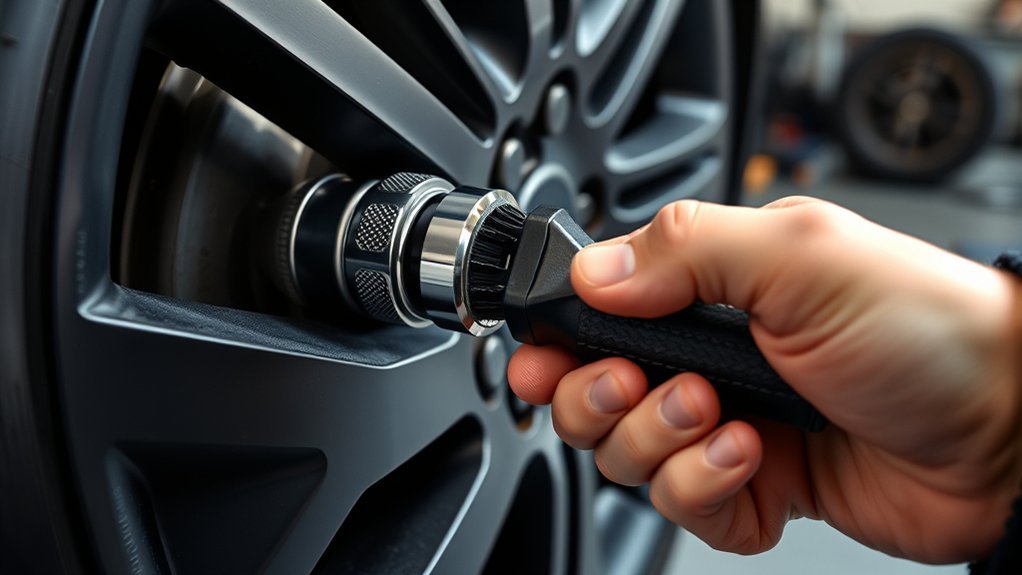
How to Remove Wheel Locks
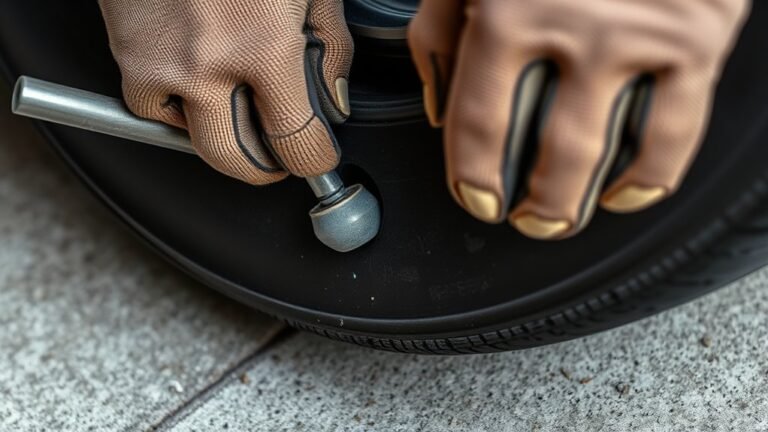
To remove wheel locks, start by using the unique key that matches your lock’s pattern—align it carefully and apply steady pressure.
If you’ve lost the key, check common spots like the glove box or contact your dealer for a replacement.
Without the key, you can try a universal removal tool, locking pliers, or an impact wrench, but be careful not to damage your wheels.
If the process becomes difficult, professionals can help safely.
You’ll find more ways to tackle and prevent these challenges ahead.
Key Takeaways
- Use the unique wheel lock key that matches the lock’s pattern to safely remove the wheel lock nuts.
- Employ a universal wheel lock removal tool if the original key is unavailable.
- Try locking pliers to grip and turn the wheel lock if specialized tools are absent.
- Visit a tire shop or dealership for professional wheel lock removal services.
- Call a professional if locks are rusted, stuck, or if removal attempts risk damage or injury.
How Wheel Locks Work and Why They’re Hard to Remove
How exactly do wheel locks keep your wheels secure? They use a unique pattern on the lug nut that matches a special key you hold. This design prevents standard tools from loosening your wheels, deterring theft effectively.
When you try to remove a locked wheel, the key’s custom shape fits perfectly, allowing you to apply the right torque. Without this key, the lug nut’s pattern confuses typical wrenches or sockets, making removal tough.
The irregular grooves and shapes on the lock are intentionally complex, so even experienced thieves struggle to force them off. This complexity is why wheel locks are tough to remove without the proper key. They’re engineered to protect your wheels by fitting like a puzzle piece only you have.
Finding Your Lost Wheel Lock Key or Getting a Replacement
If you’ve misplaced your wheel lock key, start by checking common storage spots like your glove box or trunk.
If you can’t find it, you can order a replacement key from the manufacturer using your lock’s code. Keep your vehicle’s information handy to make the process smoother.
Locating Your Wheel Lock Key
Where do you start when your wheel lock key goes missing? First, check the glove compartment, center console, and any storage areas in your vehicle where it might’ve been placed.
Don’t forget to look in the original packaging or paperwork that came with your wheels. Sometimes the key is tucked inside.
If you can’t find it there, retrace your steps to places where you last changed or inspected your tires. Contact your dealership or tire shop; they often keep records of wheel lock keys tied to your vehicle’s VIN.
Also, check with family members or friends who might’ve borrowed your car recently. By thoroughly searching these spots and reaching out, you maximize your chances of locating the key without needing a replacement.
Ordering Replacement Keys
When your search for the wheel lock key comes up empty, ordering a replacement becomes the next step. Start by locating the key code, often found on the original packaging, your vehicle’s manual, or the purchase receipt.
If you don’t have the code, contact the dealership or manufacturer with your vehicle’s make, model, and VIN. Many manufacturers offer replacement keys when you provide this information. Alternatively, some locksmiths specialize in wheel lock removals and can create a new key without the original.
When ordering, ensure you specify the exact key type to avoid compatibility issues. Keep the replacement key in a safe, memorable spot to prevent future hassle. Taking these steps will save you time and money while protecting your wheels.
How to Use Your Original Wheel Lock Key Safely
First, make sure you correctly identify your original wheel lock key to avoid any damage. Handle the key carefully, keeping it clean and free from dirt or rust.
Using proper techniques will help you remove the wheel locks safely and efficiently.
Identifying Your Wheel Lock Key
How can you be sure you’re using the correct wheel lock key for your vehicle? First, check the key that came with your car or wheels, as it’s specifically designed to fit your unique lock pattern. If you’ve misplaced it, look inside your glove compartment, trunk, or wherever you usually store emergency tools.
Sometimes, the key’s shape or pattern is stamped on its surface. Use this as a reference.
To identify your wheel lock key:
- Match the key’s pattern to the lock on your wheel.
- Verify the size and shape fit snugly without forcing.
- Confirm the key number with your vehicle’s documentation or wheel manufacturer.
Using the right key prevents damage and ensures you can remove the lock safely.
Proper Handling Techniques
Once you’ve confirmed you have the correct wheel lock key, handling it with care guarantees the removal process goes smoothly. Always grip the key firmly but avoid using excessive force that might strip its pattern.
Before fitting it onto the lock, inspect both the key and lock for dirt or damage. Clean them gently if needed. Align the key properly with the lock pattern to prevent slipping.
When turning the key, apply steady, even pressure rather than sudden jerks to reduce wear. If resistance is unusually high, pause and reassess to avoid damaging the key or lock.
After removal, store the key in a safe, accessible place for future use. Treating your wheel lock key carefully ensures it remains effective and prevents costly replacements.
Easy Ways to Remove Wheel Locks Without the Key
Wondering what to do if you’ve lost your wheel lock key? Don’t worry, there are a few easy methods you can try before calling a professional. One option is using a universal wheel lock removal tool designed to grip and remove locks without the original key.
Lost your wheel lock key? Try a universal removal tool before calling a professional for quick and easy unlocking.
Another handy trick involves using a rubber mallet and socket to loosen the lock, but we’ll cover that later. You can also try using locking pliers carefully to grip and turn the lock, but this requires patience and steady hands.
Here are three easy ways to remove wheel locks without the key:
- Use a universal wheel lock removal tool
- Try locking pliers to grip and turn the lock
- Check if your tire shop offers removal services
These methods can save you time and frustration.
Tap Off Wheel Locks With a Hammer and Socket
If the universal removal tool or locking pliers don’t do the trick, tapping off wheel locks with a hammer and socket can be an effective next step. First, find a socket that fits snugly over the wheel lock. Place the socket firmly on the lock, ensuring it covers the entire head.
Next, gently tap the socket with a hammer to create a shock that can loosen the lock’s grip. Start with light taps to avoid damaging the wheel or studs, then increase force gradually if needed. The impact may break the lock’s pattern or help you turn it loose.
Be patient and cautious. This method requires precision to avoid causing damage while loosening stubborn wheel locks.
Use an Impact Wrench to Loosen Stubborn Wheel Locks
How exactly do you tackle wheel locks that just won’t budge? An impact wrench delivers powerful, rapid bursts of torque to break loose those stubborn locks without damaging your wheels. Before you start, make sure your impact wrench fits the lock key perfectly to avoid stripping it.
Here’s how to use an impact wrench effectively:
- Secure the impact wrench with the correct wheel lock socket.
- Position the wrench firmly on the lock, then apply short, controlled bursts of power.
- If it doesn’t loosen immediately, pause and reposition to avoid slipping or damaging the lock.
Using an impact wrench saves time and effort compared to manual tools, especially when locks are rusted or overtightened. Just remember to wear safety goggles and keep your hands clear of moving parts.
Cut Off Wheel Locks Without Damaging Wheels
When you encounter wheel locks that won’t budge even with an impact wrench, cutting them off may be your best option. Use a rotary tool with a diamond cutting wheel or an angle grinder for precision.
Protect your wheels by placing a metal guard or tape around the lock to avoid scratches. Work slowly to prevent heat buildup, which can damage the wheel’s finish.
Always wear safety goggles and gloves during this process.
| Tool Type | Pros | Safety Tips |
|---|---|---|
| Rotary Tool | Precise, less heat buildup | Wear goggles, gloves |
| Angle Grinder | Fast cutting | Use guard, steady grip |
| Metal Guard/Tape | Protects wheel surface | Apply carefully |
Cut carefully, and you’ll remove locks without harming the wheels.
When to Call a Professional for Wheel Lock Removal
Cutting off wheel locks can work well if you take the right precautions and have the proper tools. However, you should call a professional when the situation gets tricky or risky.
Cutting off wheel locks is effective with proper tools and care, but call a pro if it gets complicated.
If you don’t have experience or the right equipment, attempting removal might damage your wheels or cause injury. Also, if the lock is rusted or stuck beyond your tools’ capability, a pro’s expertise is your best bet.
Consider calling a professional if:
- You lack specialized tools for safe removal.
- The wheel lock is severely corroded or damaged.
- You want to avoid potential damage to your wheels or lug nuts.
Professionals can quickly and safely remove wheel locks without causing further issues. Don’t hesitate to get expert help when needed.
Preventing Wheel Lock Problems and Losing Your Key
To avoid wheel lock problems, make sure you store your wheel lock key in a safe, memorable place. You might also want to keep a spare key handy in case the original goes missing.
Taking these simple steps can save you time and hassle down the road.
Storing Wheel Lock Keys
A reliable system for storing your wheel lock keys can save you from costly and time-consuming hassles. You’ll want to keep them accessible but secure to prevent loss or theft. Consider the following tips:
- Keep the key in your glove compartment or center console, so it’s always with you during drives.
- Use a magnetic key holder attached discreetly under your vehicle for emergencies.
- Store a spare key in a safe place at home, like a locked drawer or toolbox, to avoid being stranded.
Using Spare Key Options
How can you avoid the frustration of losing your wheel lock key when you need it most? One smart way is to always have a spare key on hand. When you buy wheel locks, ask the dealer for an extra key or purchase a duplicate from the manufacturer.
Store this spare key in a secure, memorable place, like your glove compartment or with your roadside emergency kit. You might also consider giving a trusted friend or family member a copy.
Having a spare means you won’t be stranded or forced to damage your wheels if the original key goes missing. Taking these simple steps prevents costly towing or replacement and keeps you prepared for any unexpected situation involving your wheel locks.
Choosing Wheel Locks That Balance Security and Easy Removal
Why should you carefully consider both security and ease of removal when choosing wheel locks? Because you want to protect your wheels from theft without making it difficult to change tires or perform maintenance.
If the locks are too complex, you might struggle to remove them in a pinch. On the other hand, if they’re too simple, they won’t provide enough security.
To find the right balance, focus on these factors:
- Unique key patterns: Choose locks with uncommon key designs to deter thieves.
- Durable materials: Opt for strong metals that resist tampering and corrosion.
- User-friendly removal: Pick locks that come with a clear, easy-to-use key or tool.
Frequently Asked Questions
Can Wheel Locks Be Reused After Removal?
Yes, you can reuse wheel locks after removal, as long as they aren’t damaged or worn out. Just keep them clean and store them safely, so you can reinstall them securely when needed.
Do Wheel Locks Affect Tire Rotation Frequency?
You might think wheel locks slow down tire rotations, but they don’t. They’re just security measures, so you can rotate your tires on the usual schedule without extra hassle or frequency because of them.
Are Wheel Locks Compatible With All Wheel Types?
Wheel locks aren’t compatible with all wheel types because they require specific lug nut designs. You’ll need to check your wheel’s compatibility before purchasing wheel locks to guarantee they fit properly and secure your wheels effectively.
How Do Wheel Locks Impact Vehicle Resale Value?
You might think wheel locks boost resale value by deterring theft, but they only slightly impact it. Buyers appreciate added security, yet some worry about losing keys. Overall, they neither markedly raise nor lower value.
Can Weather Conditions Damage Wheel Locks?
Yes, weather conditions can damage wheel locks. Moisture, salt, and extreme temperatures can cause rust and corrosion, making them harder to remove.
You should regularly clean and protect them to keep them functioning properly.
Conclusion
Removing wheel locks can feel like cracking a tough nut, but with the right approach, you’ll get there. Always keep your original key safe and try gentle methods first to avoid damage.
If things get tricky, don’t hesitate to call a professional to save time and stress.
Remember, choosing the right wheel locks and knowing how to handle them keeps your wheels secure without turning removal into a wild goose chase. Proper knowledge of how to remove wheel locks ensures your wheels stay protected while making removal straightforward.