What Is a Tire Rotation
Tire rotation is the process of regularly moving your tires from one position on your vehicle to another, usually switching front and rear spots. This practice helps your tires wear evenly, which boosts safety and improves traction.
Even tire wear also extends the lifespan of your tires. Keeping up with tire rotation can enhance fuel efficiency and prevent the need for premature tire replacement.
You’ll find it’s a simple way to maintain steady performance and avoid costly issues. Keep exploring to uncover how often and how to rotate tires properly.
Key Takeaways
- Tire rotation involves moving tires between positions on a vehicle to promote even wear and extend tire life.
- Front tires typically move to the rear, and rear tires move forward, sometimes crossing sides depending on the drivetrain.
- The main purpose is to ensure even tread wear, maintaining consistent performance and safety.
- Regular tire rotation helps prevent premature tire failure, blowouts, and uneven traction on the road.
- Most manufacturers recommend rotating tires every 5,000 to 8,000 miles for optimal results.
What Is Tire Rotation and How Does It Work
Tire rotation involves regularly moving your tires from one position on your vehicle to another to ensure even wear. You’ll typically switch the front tires to the rear and vice versa, sometimes crossing sides depending on your vehicle’s drivetrain.
This process helps balance out the wear patterns since front tires often wear differently than rear ones due to steering and braking forces. When you rotate your tires, you extend their lifespan and maintain more consistent performance.
You can either rotate them yourself if you have the right tools and know-how or have a professional do it during routine maintenance. Most manufacturers recommend rotating tires every 5,000 to 8,000 miles, but checking your owner’s manual will give you the best guidance for your specific vehicle.
Why Tire Rotation Matters for Safety and Fuel Efficiency
How often do you consider the impact of your tires on your vehicle’s safety and fuel efficiency? Rotating your tires regularly plays a crucial role in keeping you safe and saving money at the pump. Here’s why it matters:
- Even Wear: Rotating tires ensures they wear evenly, preventing premature tire failure that could lead to dangerous blowouts.
- Improved Traction: Balanced tire wear maintains optimal grip on the road, especially in wet or slippery conditions, helping you stay in control.
- Better Fuel Economy: Uneven tires create more rolling resistance, forcing your engine to work harder and consume more fuel.
How Often Should You Rotate Your Tires?
Regularly rotating your tires can extend their lifespan and keep your vehicle running smoothly. Most experts recommend rotating your tires every 5,000 to 7,500 miles, but you should check your vehicle’s owner manual for specific guidelines.
If you drive in harsh conditions or notice uneven tire wear, consider rotating them more often. Sticking to a consistent rotation schedule helps promote even tread wear, improving traction and fuel efficiency.
Ignoring tire rotation can lead to premature tire replacement and compromised safety. By making tire rotation a routine part of your maintenance, you’ll save money and avoid unexpected problems.
How to Rotate Tires Yourself: A Simple Step-by-Step Guide
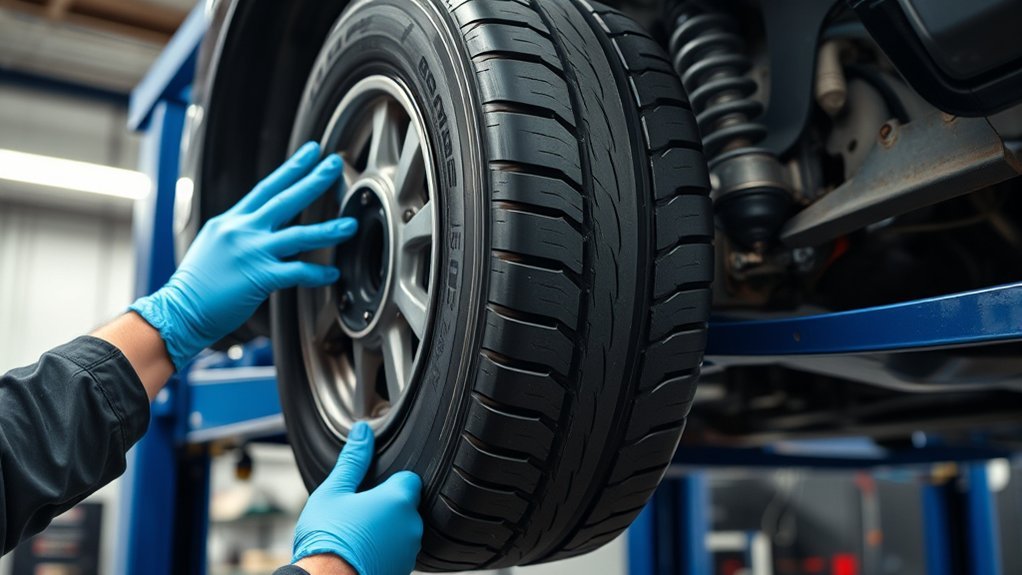
Keeping up with a consistent rotation schedule helps your tires wear evenly, but you don’t always need a mechanic to do it for you. Rotating your tires yourself is straightforward if you follow these steps:
- Prepare Your Vehicle: Park on a flat surface, engage the parking brake, and loosen lug nuts slightly before lifting the car with a jack. Place jack stands under the frame for safety.
- Remove and Mark Tires: Take off the tires and mark their original positions to ensure correct rotation. Follow your vehicle’s recommended pattern, usually front-to-back or cross-pattern.
- Reinstall and Tighten: Put the tires in their new positions, hand-tighten lug nuts, lower the vehicle, then fully tighten them with a wrench in a star pattern to secure evenly.
With these steps, you’ll keep your tires balanced and extend their lifespan confidently.
When to See a Professional for Tire Rotation
Wondering when it’s best to leave tire rotation to a professional? If you’re unsure about the correct rotation pattern for your vehicle or lack the proper tools, a pro can help.
Also, if your tires show uneven wear, vibrations, or unusual noises, it’s a good idea to have an expert inspect them. Professionals can spot underlying issues like misalignment or suspension problems that might affect tire performance.
If you don’t feel confident lifting your car safely or handling the heavy tires, don’t risk injury. Let a technician take over.
Regular visits to a tire specialist ensure your rotation is done correctly, enhancing tire life and safety. When in doubt, trusting a professional saves you time, effort, and potential costly mistakes.
Frequently Asked Questions
Can Tire Rotation Improve Tire Lifespan Beyond Safety Benefits?
Yes, rotating your tires helps them wear evenly, so you’ll get more mileage out of them. You’ll avoid premature wear on specific tires, extending their lifespan beyond just improving safety.
Does Tire Rotation Affect Vehicle Warranty Coverage?
Yes, rotating your tires regularly can affect your vehicle warranty coverage. Manufacturers often require proof of tire rotation to keep the warranty valid, so don’t skip it. You’ll protect both your tires and your warranty.
Are There Specific Tire Rotation Patterns for All-Wheel-Drive Cars?
Think of your all-wheel-drive car as a dance troupe; each tire has its role. You’ll want to follow a specific rotation pattern, usually a “X” or forward-backward swap, to keep all tires performing in perfect harmony.
Can Uneven Tire Wear Be Fixed by Rotation Alone?
No, uneven tire wear can’t be fixed by rotation alone. You’ll need to address alignment, suspension, or tire balance issues first.
Rotation helps even out wear over time but won’t reverse existing damage.
How Does Tire Rotation Impact Tire Balancing and Alignment?
Wondering how tire rotation affects balancing and alignment? It doesn’t directly impact them, but rotating your tires helps identify imbalances or misalignment early. This way, you can fix issues before they cause uneven wear or handling problems.
Conclusion
Tire rotation might seem like an extra chore, but skipping it can wear your tires unevenly, making your car feel unstable or guzzle more fuel. Imagine driving smoothly on a road trip, knowing your tires grip perfectly around every turn—that’s what regular rotation does.
It’s quick, simple, and keeps you safer while saving money in the long run. Don’t wait for uneven wear to surprise you; give your tires the care they deserve. Regular tire rotation ensures even wear and extends the life of your tires.