
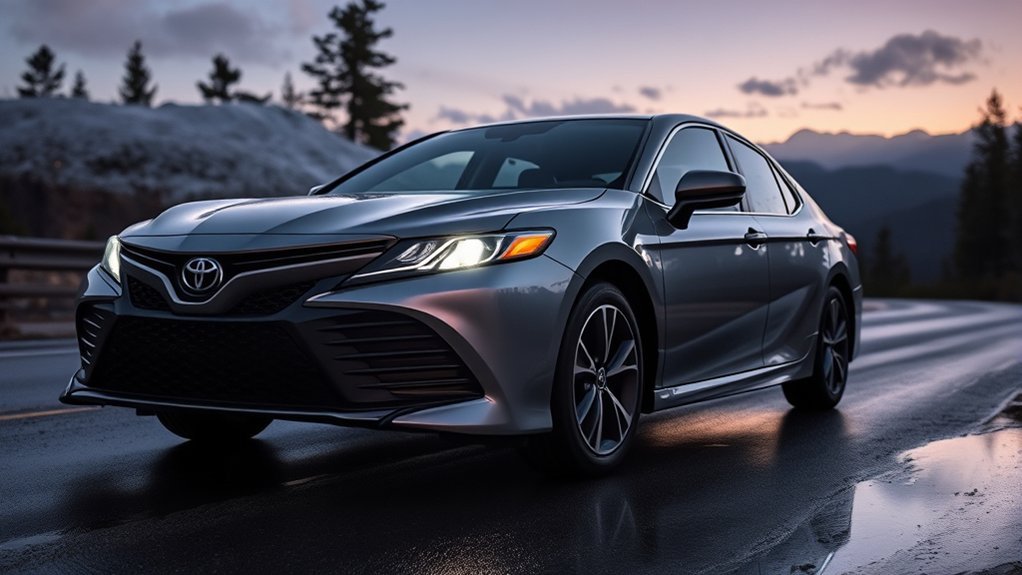
When Did Camry Provide All Wheel Drive
Toyota first introduced all-wheel drive on the Camry with the 2020 eighth-generation model, making it the first time AWD was offered on this sedan. This marked a significant update for the Camry, as AWD was previously unavailable on this lineup. Initially, AWD was available on select four-cylinder trims like the LE and SE.
Over time, the availability of AWD expanded to more trims and engine options. If you want better traction and control in varying weather conditions, choosing AWD is a solid choice.
Keep exploring to understand how AWD impacts performance, fuel economy, and your overall driving experience.
Key Takeaways
- AWD was first offered on the Toyota Camry with the eighth-generation model starting in 2020.
- Prior to 2020, all Camry models were strictly front-wheel drive.
- AWD initially launched on select four-cylinder trims in 2019 as an early rollout.
- By 2021, AWD expanded to more trims and engine options, including some V6 variants.
- From 2023 onward, AWD is available on LE, SE, XLE, and TRD trims.
When Did Toyota First Offer AWD on the Camry?
When did Toyota first offer all-wheel drive on the Camry? You’ll find that Toyota introduced AWD to the Camry lineup in 2020 with the eighth-generation model. Before then, the Camry was strictly a front-wheel-drive vehicle.
Toyota saw the demand for better traction and stability in various driving conditions, so they added AWD to enhance safety and performance. This move helped the Camry compete more effectively with other midsize sedans offering all-wheel-drive options.
If you’re considering a Camry with AWD, you’re looking at models from 2020 onward. This addition gives you improved handling on slippery roads without sacrificing the Camry’s reputation for reliability and fuel efficiency.
Toyota’s AWD system engages the rear wheels automatically when needed, providing added confidence behind the wheel.
Which Camry Models and Trims Have AWD Available?
If you’re curious about which Camry models come with AWD, it’s important to look at the specific years and trim levels. Toyota started offering AWD on select trims in recent years, mainly focusing on the XLE and SE versions.
Knowing the exact availability helps you pick the right Camry for your needs.
AWD Availability By Year
How has Toyota integrated all-wheel drive into the Camry lineup over the years? Starting in 2019, Toyota began offering AWD on the Camry, marking a significant shift from previous generations that were strictly front-wheel drive.
Since then, AWD availability has expanded progressively. In 2019 and 2020, AWD was limited to select four-cylinder engines in certain trims. By 2021, Toyota broadened AWD options, making it accessible on more trims and engine choices, including some V6 models.
Each new model year has seen incremental updates, improving AWD performance and availability without overwhelming the lineup. If you’re considering a Camry with AWD, you’ll find the most options from 2019 onward, with continuous enhancements aimed at delivering better traction and handling in diverse driving conditions.
Trim Levels Offering AWD
Since 2019, Toyota has steadily expanded AWD options across the Camry lineup, tailoring availability to fit different preferences and needs. If you’re interested in AWD, you’ll find it mostly in higher trims and specific engine variants.
Here’s a quick look at which trims offer AWD:
| Model Year | AWD Trim Levels |
|---|---|
| 2019-2020 | LE AWD, SE AWD |
| 2021-2022 | LE AWD, SE AWD, XLE AWD |
| 2023-Present | LE AWD, SE AWD, XLE AWD, TRD AWD |
You’ll notice that AWD started with LE and SE trims, then expanded to XLE and TRD. Depending on the year and trim, you can choose the Camry AWD model that suits your driving style and needs perfectly.
Why Did Toyota Add AWD to the Camry?
Why did Toyota decide to add all-wheel drive (AWD) to the Camry? They wanted to boost the Camry’s appeal in regions with challenging weather conditions, like snow and rain. By offering AWD, Toyota gave you better traction and stability, making the car safer and more reliable on slippery roads.
They also aimed to compete with rivals who already offered AWD in midsize sedans, ensuring the Camry stayed relevant in a crowded market. Plus, AWD enhances driving confidence, so whether you’re commuting or heading out on a weekend trip, you’ll feel more secure behind the wheel.
Ultimately, Toyota added AWD to meet customer demand for versatility without sacrificing fuel efficiency or the Camry’s signature smooth ride.
How Toyota Camry’s AWD System Works
Curious about what makes the Camry’s AWD system tick? It uses an on-demand setup, sending power to the rear wheels only when the front wheels slip. This means you get better traction without constant power to all wheels.
The system monitors wheel speed and adjusts torque instantly, enhancing stability on slippery roads.
Here’s a quick look at key features:
| Feature | Description | Benefit |
|---|---|---|
| On-Demand AWD | Engages rear wheels when needed | Improved traction |
| Torque Vectoring | Adjusts power distribution dynamically | Better handling |
| Sensors | Wheel speed and stability sensors | Quick response |
| Automatic Activation | No driver input required | Convenient and seamless |
| Integration | Works with traction control systems | Enhanced safety |
How AWD Changes Camry’s Performance and Fuel Efficiency
You’ll notice that AWD improves traction and stability, especially in slippery conditions. However, it can also affect fuel efficiency compared to the standard setup.
Let’s explore how these changes impact your Camry’s handling and gas mileage.
Traction and Stability Benefits
How does all-wheel drive (AWD) transform the Camry’s handling and efficiency? When you choose AWD, you get enhanced traction on slippery or uneven surfaces, giving you more confidence behind the wheel.
AWD constantly distributes power to all four wheels, reducing wheel slip during acceleration and cornering. This means you can tackle rain, snow, or loose gravel with greater stability and control.
You’ll notice improved grip when accelerating from a stop or navigating sharp turns, helping prevent skidding. Additionally, AWD balances torque between the front and rear, which smooths out handling and keeps the Camry steady in challenging conditions.
Impact on Fuel Economy
Wondering how adding all-wheel drive affects your Camry’s fuel economy? AWD systems add weight and mechanical complexity, which can slightly lower your miles per gallon compared to the front-wheel-drive models. However, the trade-off is improved traction and control in various driving conditions.
The impact varies depending on the engine and trim you choose.
Here’s a quick comparison:
| Model | Fuel Economy (FWD) | Fuel Economy (AWD) |
|---|---|---|
| 4-Cylinder | 28 MPG city / 39 MPG highway | 27 MPG city / 36 MPG highway |
| V6 Engine | 22 MPG city / 33 MPG highway | 21 MPG city / 30 MPG highway |
| Hybrid Variant | 51 MPG city / 53 MPG highway | 44 MPG city / 47 MPG highway |
You’ll notice AWD slightly reduces efficiency but enhances performance.
Handling in Different Conditions
While AWD may slightly reduce your Camry’s fuel economy, it substantially boosts handling in various driving conditions. When roads are wet, icy, or covered in snow, AWD helps you maintain better traction, giving you more control and confidence behind the wheel.
You’ll notice improved stability during sharp turns and on uneven terrain, reducing the risk of slipping or skidding. This system automatically distributes power to the wheels with the most grip, so you can focus on driving without constantly adjusting your speed or steering.
Although AWD adds weight, slightly affecting mileage, it’s a trade-off that enhances safety and performance. If you often encounter challenging weather or rough roads, AWD makes your Camry more capable and reliable without compromising the smooth ride you expect.
How AWD Boosted Camry’s Popularity and Market Appeal
Why did adding all-wheel drive (AWD) make the Camry more appealing to buyers? You get enhanced traction and confidence, especially in bad weather, which many drivers seek. AWD broadened the Camry’s reach to regions with snow and rain, boosting its market appeal.
It also gave the Camry a competitive edge over rivals lacking AWD in the midsize sedan segment.
Here’s how AWD impacted the Camry’s popularity:
| Benefit | Impact on Camry’s Appeal |
|---|---|
| Improved Safety | Attracted safety-conscious buyers |
| Better Handling | Enhanced driving experience |
| Year-round Usability | Expanded geographic market |
| Competitive Advantage | Stood out among sedans |
With AWD, you can enjoy a versatile, reliable Camry that suits diverse driving needs.
Should You Choose an AWD or Front-Wheel Drive Camry?
Adding all-wheel drive (AWD) to the Camry expanded its appeal, but deciding between AWD and front-wheel drive (FWD) depends on your driving needs and conditions. If you live in an area with frequent rain, snow, or ice, AWD offers better traction and stability, enhancing your safety.
It’s also great if you enjoy occasional off-road adventures or want extra confidence during slippery drives. On the other hand, FWD Camrys are typically more fuel-efficient and come with a lower starting price, making them ideal if you mainly drive in urban or mild climates and prioritize economy.
Ultimately, choose AWD if you want added control in diverse weather, but stick with FWD for everyday driving and cost savings.
Frequently Asked Questions
What Is the Maintenance Cost for Camry’s AWD System?
You’ll find Camry’s AWD maintenance costs slightly higher due to extra components like the transfer case and driveshaft. Regular fluid changes and inspections keep it smooth, usually adding around $100-$200 annually to your upkeep.
Does AWD Affect Camry’s Resale Value?
You’ll find AWD Camrys often hold about 5% higher resale value because buyers appreciate improved traction and safety.
If you want a reliable, versatile vehicle, AWD can definitely boost your Camry’s appeal on the market.
Are There Any Special Warranty Terms for Camry AWD?
Toyota doesn’t offer special warranty terms specifically for Camry AWD models. Your AWD system is covered under the standard powertrain warranty, so you’re protected just like with any other Camry, no extra costs or changes involved.
Can AWD Be Added to Older Camry Models?
Swapping your Camry’s dance shoes isn’t simple. Adding AWD to older models isn’t practical or cost-effective.
You’d face major mechanical challenges, so it’s wiser to contemplate a newer model designed with AWD from the start.
How Does Camry AWD Perform in Extreme Weather Conditions?
You’ll find Camry AWD performs well in extreme weather, offering better traction on snow and rain. It helps you maintain control and confidence, but remember, it’s not a substitute for cautious driving in severe conditions.
Conclusion
You might think a Camry is all about smooth, efficient front-wheel drive, but Toyota’s addition of AWD flips that expectation—giving you extra grip and confidence in tricky conditions.
While AWD may slightly lower fuel efficiency, it greatly boosts your control and safety. This makes driving in rain, snow, or on uneven terrain much more secure and comfortable.
So, whether you want reliability or enhanced performance, the Camry’s AWD option offers a surprising balance. For those wondering when did Camry provide all wheel drive, it became available starting with the 2019 model year, making it a smart choice no matter where or how you drive.