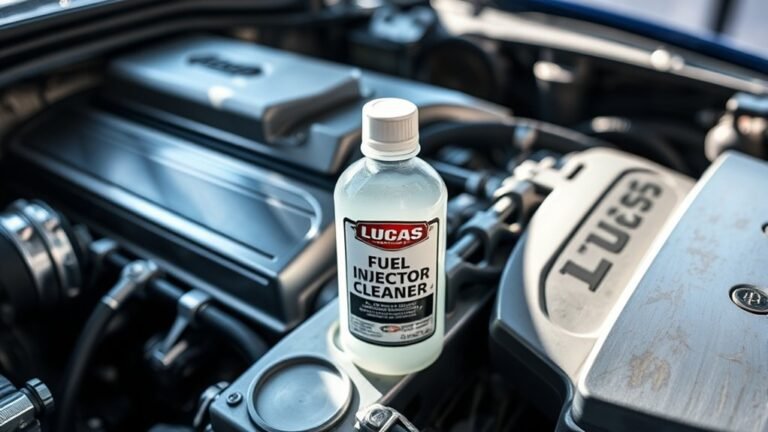
Do Fuel Additives Work
You can benefit from fuel additives if your engine faces issues like rough idling, poor acceleration, or fuel system deposits. Fuel additives clean injectors, improve combustion, and protect against corrosion, especially in older engines or with lower-quality fuel.
However, if your engine runs smoothly, the difference may be minimal. Use trusted products and follow manufacturer guidelines to avoid damage or wasted cost.
To understand how they work and when they help most, you might want to explore further details.
Key Takeaways
- Fuel additives can improve engine performance by cleaning deposits and enhancing combustion, especially in older engines or poor fuel quality situations.
- Detergents and stabilizers in additives help reduce carbon buildup and prevent fuel degradation for smoother engine operation.
- Effectiveness varies widely; some additives provide measurable benefits, while others have minimal impact if the engine runs well.
- Improper use or low-quality additives may damage fuel system components or mask underlying mechanical issues.
- Manufacturer recommendations and credible testing should guide additive use to ensure compatibility and avoid risks.
Do Fuel Additives Really Work?
How effective are fuel additives, really? You might wonder if they deliver on their promises or just drain your wallet. The truth is, some additives can improve your engine’s performance by cleaning deposits and enhancing fuel combustion.
However, their effectiveness often depends on the specific problem you’re trying to fix and the quality of your fuel. If your engine is already running smoothly, you might not notice a significant difference.
On the other hand, if your vehicle struggles with issues like rough idling or reduced fuel efficiency, the right additive could help. Keep in mind, though, that not all additives are created equal, so it’s essential to choose products with proven results backed by credible testing.
How Do Fuel Additives Work?
Ever wondered what happens inside your engine when you pour in fuel additives? These additives work by enhancing your fuel’s performance and protecting engine components. Here’s how they do it:
- Clean Deposits: Additives dissolve and prevent buildup on fuel injectors and valves, keeping your engine running smoothly.
- Improve Combustion: They optimize fuel burn, which boosts efficiency and reduces emissions.
- Prevent Corrosion: Additives form a protective layer inside the fuel system, guarding against rust and damage.
- Stabilize Fuel: They keep fuel fresh longer by preventing oxidation and degradation, especially in stored fuel.
Types of Fuel Additives Available Today
You’ll find several common categories of fuel additives designed to improve your engine’s performance and longevity. These additives can help clean your fuel system, boost efficiency, and reduce emissions.
Let’s explore the types available today and how they might benefit your vehicle.
Common Fuel Additive Categories
What types of fuel additives are available today, and how do they work? You’ll find several common categories designed to tackle specific fuel problems. Here are four main types:
1. Detergents
They clean your engine by removing deposits from fuel injectors and intake valves.
2. Octane Boosters
These increase fuel’s octane rating, helping prevent knocking in high-performance engines.
3. Corrosion Inhibitors
They protect your fuel system from rust and corrosion, extending its life.
4. Stabilizers
These additives prevent fuel degradation during storage by slowing oxidation.
Each category targets a different issue, so understanding what your engine needs helps you choose the right additive. You’ll want to match the additive to your specific fuel challenges for optimal performance.
Benefits of Fuel Additives
Fuel additives often deliver noticeable benefits by addressing specific engine and fuel system issues. You can improve fuel efficiency, reduce emissions, and prevent buildup that harms performance. Some additives clean injectors, others stabilize fuel during storage, and some lubricate engine parts to reduce wear.
Using the right additive helps your engine run smoother and last longer.
| Benefit | What It Does |
|---|---|
| Improved Fuel Economy | Helps fuel burn more efficiently |
| Injector Cleaning | Removes deposits from fuel injectors |
| Emission Reduction | Lowers harmful exhaust emissions |
| Fuel Stability | Prevents fuel degradation during storage |
Selecting the right additive for your needs ensures you get these advantages without wasting money.
What Scientific Studies Say About Fuel Additives
How effective are fuel additives according to scientific research? Studies show mixed results, depending on the additive type and engine conditions. You’ll find that:
- Detergent additives can reduce carbon deposits, improving engine cleanliness and performance.
- Octane boosters may increase fuel’s resistance to knocking, but benefits vary with engine design.
- Corrosion inhibitors help protect fuel systems, especially in older engines or those exposed to moisture.
- Fuel stabilizers extend fuel shelf life, preventing degradation during storage.
However, many studies emphasize that routine maintenance and using quality fuel often have a bigger impact than additives alone. You should view additives as supplements, not miracle solutions. Scientific evidence suggests they work best when addressing specific issues rather than as catch-all fixes.
Engine Problems Fuel Additives Can Fix
You might be surprised how fuel additives can help fix common engine problems. They work by cleaning fuel injectors, resolving engine knocking, and removing stubborn carbon deposits.
Let’s explore how these issues impact your engine and how additives can make a difference.
Cleaning Fuel Injectors
Why do engines sometimes hesitate or lose power during acceleration? One common cause is dirty fuel injectors. When injectors clog, your engine doesn’t get the right fuel spray pattern, leading to poor combustion.
Fuel additives designed to clean injectors can help restore performance. Here’s what they do:
- Break down deposits blocking injector nozzles.
- Improve fuel atomization for better combustion.
- Restore smooth acceleration and power delivery.
- Reduce rough idling and engine misfires.
Using a fuel additive regularly can prevent buildup and keep injectors functioning properly. Just add it to your gas tank as directed, and you might notice improved throttle response and fuel efficiency.
It’s an easy, cost-effective way to maintain your engine’s health without immediate mechanical repairs.
Resolving Engine Knocking
Fuel additives don’t just clean injectors. They can also tackle engine knocking, a common issue that affects performance and can cause long-term damage. Knocking happens when fuel burns unevenly in your engine’s cylinders, creating shock waves that rattle the engine.
Using fuel additives with anti-knock agents helps stabilize combustion, preventing these damaging detonations.
Here’s how additives compare to regular fuel:
| Feature | Fuel Additives with Anti-Knock Agents |
|---|---|
| Combustion Quality | More stable, smoother |
| Engine Protection | Reduces knocking and wear |
| Performance Impact | Improves power and efficiency |
Removing Carbon Deposits
How do carbon deposits affect your engine’s performance? These stubborn buildups can clog your fuel injectors, reduce airflow, and cause inefficient combustion.
If you’re wondering how fuel additives can help, here’s what they do:
- Break down carbon buildup on valves and intake ports.
- Clean fuel injectors to restore proper spray patterns.
- Improve combustion efficiency by removing deposits from the combustion chamber.
- Prevent further accumulation by keeping fuel pathways cleaner.
Using the right fuel additive regularly can restore your engine’s smooth running and improve fuel economy. Just make sure you pick an additive designed specifically for carbon removal.
This way, you’ll avoid costly repairs and keep your engine performing at its best longer.
When Fuel Additives Improve Fuel Efficiency
When can additives actually boost your vehicle’s fuel efficiency? They tend to help most when your engine suffers from deposits that reduce combustion efficiency. Additives can clean fuel injectors, improve fuel atomization, and reduce friction, which helps your engine run smoother and use less fuel.
Here’s when you’ll likely notice improvement:
| Condition | Effect on Fuel Efficiency |
|---|---|
| Dirty fuel injectors | Improved spray pattern |
| Carbon buildup in engine | Better combustion |
| Poor fuel quality | Stabilizes fuel performance |
| Older engines with wear | Reduced friction and deposits |
If your vehicle experiences these issues, fuel additives can provide a measurable boost in mileage by restoring optimal engine function.
How to Tell If Fuel Additives Are Right for Your Vehicle
Wondering if your vehicle could benefit from additives? Here’s how to find out quickly and clearly. First, check your owner’s manual. Some manufacturers recommend specific additives.
Curious if your car needs additives? Start by checking your owner’s manual for manufacturer recommendations.
Second, assess your fuel quality. If you often fill up at lower-grade stations, additives might help clean your system.
Third, notice performance issues like rough idling or decreased acceleration, which additives can sometimes improve.
Fourth, consider your vehicle’s age. Older engines may benefit more from additives designed to reduce deposits.
Risks of Using Fuel Additives
While fuel additives can offer benefits, they also come with potential risks you should consider before use. Using additives improperly can damage your engine, especially if the product isn’t compatible with your vehicle’s fuel system.
Overusing certain additives might lead to clogged fuel injectors or harm rubber seals and hoses. Some additives contain harsh chemicals that could cause corrosion or degrade engine components over time.
Additionally, relying on additives as a fix-all solution might mask underlying mechanical issues that need professional attention. You should also be cautious about additives from unreliable brands, as low-quality formulas may cause more harm than good.
Before adding anything to your fuel, always check your vehicle’s manual and consult a trusted mechanic to avoid unintended problems.
Are Fuel Additives Worth the Cost?
How much value do fuel additives really provide for the price you pay? To decide if they’re worth it, consider these key points:
- Effectiveness: Some additives improve engine performance and fuel efficiency, but results vary widely.
- Cost: Additives can be pricey, and frequent use adds up quickly.
- Vehicle Condition: Newer engines often don’t need additives, while older ones might benefit more.
- Manufacturer Recommendations: Using additives not endorsed by your vehicle maker may void warranties or cause harm.
In short, you should evaluate whether the potential benefits justify the expense based on your car’s needs and the additive’s proven impact. Don’t assume all products deliver equal value; research and choose wisely to avoid wasting money.
Frequently Asked Questions
Can Fuel Additives Affect My Vehicle’s Warranty?
Yes, fuel additives can affect your vehicle’s warranty if they cause damage. Always check your manufacturer’s guidelines before use, and keep receipts.
Using approved additives usually keeps your warranty intact and protects your vehicle.
How Often Should I Use Fuel Additives for Best Results?
You should use fuel additives every 3,000 to 5,000 miles, like tuning a vintage jukebox regularly to keep it playing smoothly. That way, your engine stays clean, efficient, and performs at its best consistently.
Are Fuel Additives Safe for All Types of Engines?
You shouldn’t assume all fuel additives are safe for every engine type. Always check your manufacturer’s recommendations because some additives can harm older or specialized engines.
Using the right product guarantees your engine stays protected and runs smoothly.
Can Fuel Additives Be Used in Diesel and Gasoline Engines?
You can use fuel additives in both diesel and gasoline engines. Over 70% of drivers report improved performance. Just make sure you pick the right additive for your engine type to boost efficiency and reduce emissions effectively.
Do Fuel Additives Have Environmental Impacts?
Yes, fuel additives can impact the environment by reducing harmful emissions, but some may contain chemicals that pose risks if misused.
You should choose additives carefully to balance performance benefits with environmental responsibility.
Conclusion
Think of fuel additives as a tune-up for your engine’s soul—a spark that can clear away grime and boost performance. But just like a key won’t open every door, additives won’t fix every problem or guarantee savings. You’ve got to know when to use them and when to save your money.
So, before you pour that bottle in, ask yourself: is this the right key for your engine’s lock? Choose wisely to keep your ride running smoothly. Understanding do fuel additives work will help you make the best decision for your vehicle’s health.