What Is a Wheel Well
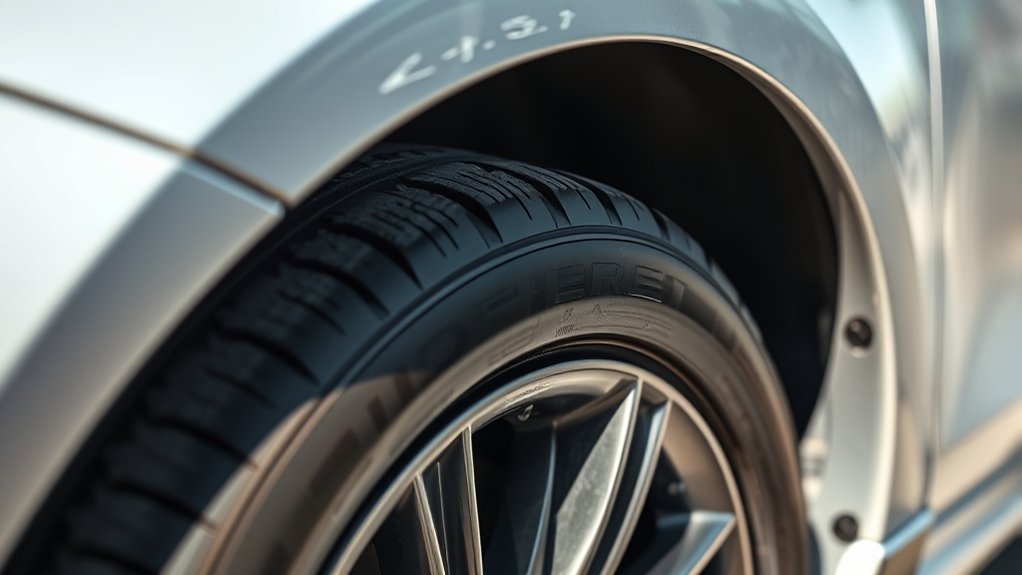
A wheel well is the recessed space in your vehicle’s body that houses each tire, letting them move freely while protecting essential parts. It shields your car from dirt, debris, and water, preventing damage and corrosion to components like brakes and suspension.
Wheel wells also help with steering and absorb shocks from the road. If you want to understand how they impact your car’s performance, durability, and fuel efficiency, there’s a lot more to explore.
Key Takeaways
- A wheel well is a recessed area in a vehicle’s body that houses and surrounds each tire.
- It protects essential components by shielding them from dirt, debris, water, and road grime.
- Wheel wells allow tire movement and suspension travel, aiding steering and vehicle stability.
- They help prevent corrosion by limiting moisture and debris exposure to the undercarriage.
- Constructed from materials like steel, aluminum, or plastic, wheel wells also contribute to aerodynamics and noise reduction.
Wheel Wells: What They Are and Why They Matter
What exactly is a wheel well, and why should you care about it? A wheel well is the recessed area in your vehicle’s body that houses the tire. It’s more than just a design feature; it protects your car by shielding essential components from dirt, debris, and water that the tires kick up while driving.
You’ll find wheel wells around all four tires, acting as a barrier that keeps grime away from the engine bay and suspension parts. Ignoring them can lead to corrosion or damage, affecting your vehicle’s safety and performance.
How Wheel Wells Support Suspension and Movement
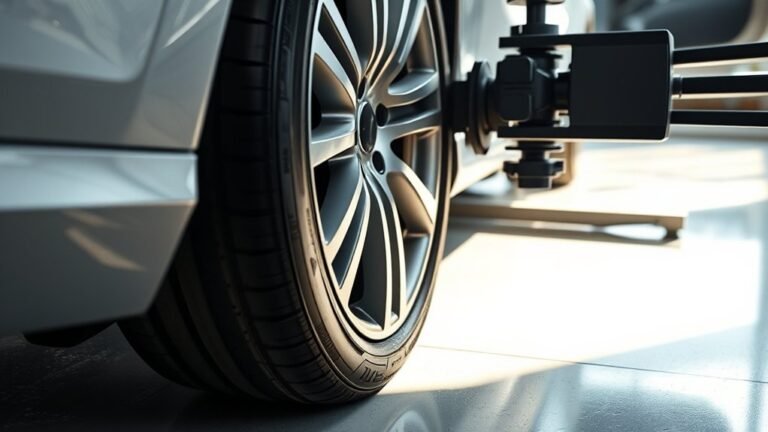
The wheel well plays an essential role in supporting your vehicle’s suspension and overall movement by providing a secure space for the tires to travel without obstruction. When you drive, your suspension absorbs shocks from bumps and uneven roads, and the wheel well ensures the tires have enough room to move freely. Without this space, your suspension components could get damaged or restricted.
Here’s how the wheel well supports your suspension and movement:
| Function | Description |
|---|---|
| Tire Clearance | Allows tire movement during turns |
| Suspension Travel | Provides room for suspension flex |
| Impact Absorption | Helps manage road shock |
| Component Protection | Shields suspension parts |
| Stability Maintenance | Keeps vehicle balanced and smooth |
This space is vital for smooth rides and safe handling.
How a Wheel Well Protects Your Vehicle’s Undercarriage
A wheel well acts as an essential barrier that protects your vehicle’s undercarriage from dirt, debris, and moisture kicked up by the tires while driving. Without this shield, rocks, mud, and water could damage critical components like brake lines, suspension parts, and the exhaust system.
The wheel well helps prevent corrosion by limiting exposure to moisture and salt, especially in wet or snowy conditions. It also keeps harmful debris from accumulating, which could lead to wear or mechanical failures.
Common Wheel Well Materials and Designs
You’ll find wheel wells made from materials like plastic, metal, and rubber, each offering different benefits. Designs also vary to fit specific vehicle types and driving conditions.
Let’s explore the common materials and popular design choices you’ll encounter.
Typical Wheel Well Materials
How do manufacturers choose materials for wheel wells? They focus on durability, weight, and resistance to corrosion. Typically, steel is a common choice because it’s strong and cost-effective, but it can rust if not properly treated.
Aluminum also makes the cut since it’s lightweight and resists rust, which helps improve fuel efficiency. Some wheel wells use plastic or composite materials for added flexibility and resistance to dents and scratches, making them ideal for rough terrains.
Rubber liners often complement these materials to absorb shocks and reduce noise. By selecting these materials, manufacturers ensure your wheel wells protect vital components from road debris, moisture, and impacts while maintaining overall vehicle performance and longevity.
Popular Design Variations
Why do wheel wells come in so many shapes and materials? It’s because different vehicles and driving conditions demand specific designs. You’ll often see wheel wells made from steel for durability, plastic for lightweight protection, or rubber for flexibility.
Some designs feature smooth, rounded edges to reduce debris buildup, while others have flared or extended lips to shield the body from mud and rocks. Off-road vehicles might use reinforced, wider wheel wells to accommodate larger tires and prevent damage.
Meanwhile, sports cars often have tight, aerodynamic wheel wells to improve airflow and performance. When you choose or customize a vehicle, understanding these design variations helps you pick the right wheel well that balances protection, style, and function perfectly for your needs.
How Wheel Wells Improve Aerodynamics and Fuel Efficiency
Ever wondered how the shape of your car’s wheel wells affects its performance? Wheel wells play a crucial role in reducing air resistance, which directly impacts your vehicle’s aerodynamics and fuel efficiency. By streamlining airflow around the tires, they help minimize drag, allowing your car to move more smoothly and use less fuel.
Here’s how wheel wells improve your car’s efficiency:
- Reduce turbulent air around tires, cutting drag.
- Enhance stability at higher speeds by smoothing airflow.
- Lower fuel consumption by improving overall aerodynamics.
When manufacturers design wheel wells with aerodynamics in mind, you get a car that not only handles better but also saves you money at the pump. Paying attention to wheel well design can make a noticeable difference in your driving experience.
Signs of Wheel Well Damage and When to Repair
While well-designed wheel wells boost your car’s aerodynamics and fuel efficiency, they’re also vulnerable to damage from road debris, rust, and wear over time. You should watch for signs like dents, cracks, rust spots, or loose lining inside the wheel well. These issues can lead to noise, water leaks, or even tire damage.
If you notice unusual vibrations or scraping sounds when driving, inspect your wheel wells promptly. Addressing damage early prevents corrosion from spreading and protects critical suspension components.
Repair or replace damaged liners and patch rusted areas as soon as possible. By staying proactive, you’ll maintain your vehicle’s performance and avoid costly repairs down the road. Don’t wait until damage worsens; fixing wheel wells timely keeps your car safe and efficient.
Frequently Asked Questions
Can I Customize Wheel Wells for Off-Road Vehicles?
Yes, you can customize wheel wells for off-road vehicles. You’ll improve clearance, protect against debris, and enhance style by adding liners, flares, or guards.
Just choose materials and designs that fit your vehicle’s needs and terrain.
How Do Wheel Wells Affect Tire Size Compatibility?
Imagine your tire just barely fitting inside a tight frame. That’s how wheel wells limit tire size compatibility. You’ll need enough space to avoid rubbing, so wheel wells directly determine how big or wide your tires can be.
Are Wheel Wells Included in Vehicle Safety Inspections?
Yes, wheel wells are included in vehicle safety inspections because they protect tires and suspension components. You’ll want to ensure they’re free of rust, damage, or debris that could affect your vehicle’s safety or performance.
Do Wheel Wells Require Regular Cleaning or Maintenance?
Yes, you should regularly clean your wheel wells to prevent dirt, mud, and debris buildup. This helps avoid rust and damage, ensuring your vehicle stays in good condition and maintains proper performance over time.
Can Wheel Wells Be Retrofitted on Older Cars?
Yes, you can retrofit wheel wells on older cars, but it might require custom fabrication or professional help. You’ll want to guarantee proper fit and protection, so it’s best to consult a mechanic or specialist before starting.
Conclusion
You might think wheel wells are just empty spaces around your tires, but they play a vital role in protecting your vehicle and enhancing performance. By supporting suspension, shielding the undercarriage, and improving aerodynamics, wheel wells keep your drive smooth and safe.
Ignoring their condition can lead to costly repairs, so paying attention to wheel wells is a smart move. It helps your car last longer and perform better every time you hit the road. Proper maintenance of wheel wells is essential for overall vehicle health and efficiency.