How Do I Clean Diesel Fuel Injectors
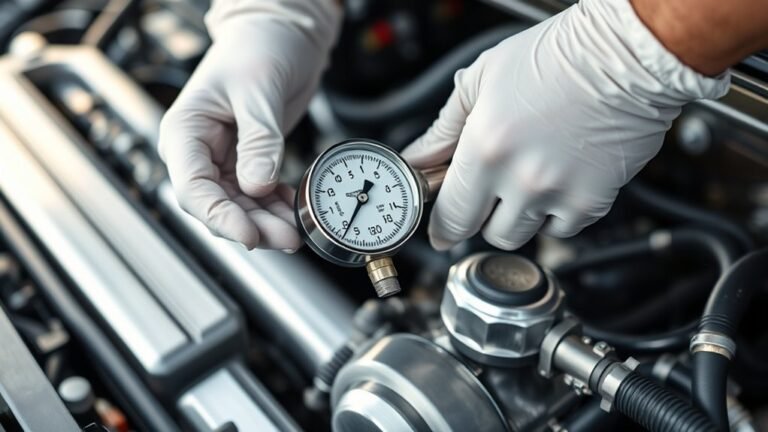
To clean diesel fuel injectors, start by disconnecting the battery and relieving the fuel system pressure for safety. This step is crucial to prevent any accidents while working on the injectors.
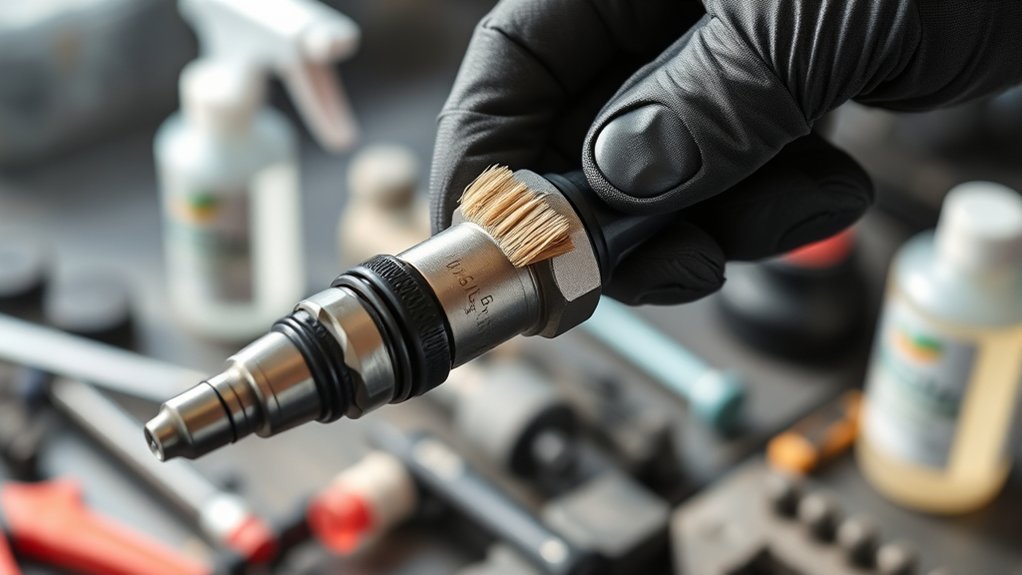
Next, carefully remove the injectors, making sure to keep track of their positions. Using a specialized diesel injector cleaning kit or an ultrasonic cleaner will help remove deposits and carbon buildup effectively.
After cleaning, inspect the injectors for any damage before reinstalling them. Once back in place, check for leaks to ensure everything is sealed properly.
Proper cleaning restores engine performance and efficiency. Keep reading to uncover tips for maintaining your injectors long-term.
Key Takeaways
- Disconnect the battery and relieve fuel system pressure before starting to ensure safety during diesel injector cleaning.
- Remove injectors carefully, noting their positions for accurate reinstallation after cleaning.
- Use a specialized diesel injector cleaning kit or ultrasonic cleaner to remove carbon deposits and buildup.
- Inspect injector seals and O-rings for damage, replacing them to prevent leaks after cleaning.
- Reinstall injectors, reconnect components, and test for leaks and proper engine operation following cleaning.
Diesel Fuel Injectors: How They Work and Why Cleaning Matters
Understanding how diesel fuel injectors work is key to appreciating why regular cleaning is essential. You rely on these injectors to deliver precise amounts of fuel into your engine’s combustion chamber at high pressure.
This process ensures efficient combustion, optimal power, and reduced emissions. Over time, tiny deposits build up inside the injector nozzles, disrupting fuel flow and spray patterns.
When that happens, your engine doesn’t run as smoothly, wastes fuel, and produces more smoke. By keeping your injectors clean, you maintain their ability to atomize fuel properly, which supports engine performance and longevity.
Regular cleaning prevents dirt and carbon buildup from compromising injector function, so you can keep your diesel engine running efficiently and avoid costly repairs down the road.
Signs Your Diesel Fuel Injectors Need Cleaning
Keeping your diesel fuel injectors clean helps them perform at their best, but how can you tell when they need attention? You might notice rough idling, where your engine feels shaky or uneven.
A drop in fuel efficiency is another sign. If you’re filling up more often, your injectors could be clogged. You may also experience difficulty starting your engine or see black smoke from the exhaust, indicating incomplete combustion.
Hesitation or loss of power during acceleration can point to injector issues too. If your check engine light comes on, don’t ignore it; it could signal injector problems.
Catching these signs early allows you to clean or service your injectors before bigger issues arise. Pay close attention to how your diesel engine behaves to keep it running smoothly.
Tools and Materials Needed for Diesel Injector Cleaning
What do you need to clean diesel fuel injectors effectively? First, gather a quality diesel fuel injector cleaner, which is a specialized chemical designed to remove deposits. You’ll also need basic hand tools like wrenches and screwdrivers to access the injectors safely.
A fuel injector cleaning kit, often including adapters and a pressurized canister, helps deliver the cleaner directly into the injectors. Don’t forget safety gear such as gloves and eye protection to keep yourself safe during the process.
Having a clean workspace and rags handy will make cleanup easier. Lastly, a service manual for your vehicle can guide you on injector locations and specifications. With these tools and materials ready, you’ll be set to maintain your diesel injectors properly.
Step-by-Step Guide to Cleaning Diesel Injectors
Once you have all the necessary tools and materials ready, you can begin cleaning your diesel fuel injectors step by step. First, disconnect the battery to ensure safety.
Next, relieve the fuel system pressure by following your vehicle’s specific procedure. Remove the injectors carefully, noting their positions for reinstallation.
Use a specialized injector cleaning kit or ultrasonic cleaner to remove deposits; follow the kit’s instructions precisely. After cleaning, inspect the injectors for damage or excessive wear.
Reinstall the injectors in their original positions, reconnect all components, and tighten fittings securely. Finally, reconnect the battery and start the engine to check for leaks or unusual noises.
Running a fuel system cleaner through the tank can help maintain injector cleanliness over time.
Common Mistakes to Avoid When Cleaning Diesel Fuel Injectors
Why do some diesel fuel injector cleanings fail to deliver lasting results? Often, it’s because you skip essential steps or use the wrong products. Don’t rush. Thorough cleaning requires patience and proper tools.
Avoid using harsh chemicals not designed for diesel injectors, as they can damage sensitive components. Also, don’t neglect inspecting seals and O-rings; damaged parts can cause leaks even after cleaning.
Make sure you clean injectors in a well-ventilated area and follow safety precautions to protect yourself. Another common mistake is failing to properly flush the system afterward, leaving contaminants behind.
When to Use Fuel Additives for Diesel Injector Cleaning
Consider using fuel additives when you notice signs of injector clogging or reduced engine performance. These additives help dissolve deposits, improve fuel flow, and restore efficient injector function. Use them as a preventive measure during routine maintenance or when fuel quality is questionable.
| Symptom | When to Use Additives | Expected Benefit |
|---|---|---|
| Rough idle | Early signs | Smoother engine operation |
| Decreased fuel economy | Noticeable drop | Improved mileage |
| Hard starting | Occasional difficulty | Easier starts |
| Engine hesitation | Under load performance issues | Better acceleration |
| Black smoke | Visible exhaust smoke | Cleaner combustion |
Using additives at the right time can extend injector life and maintain engine health without costly repairs.
What to Expect From Professional Diesel Injector Cleaning
Wondering how professional diesel injector cleaning can benefit your engine? When you bring your vehicle to a specialist, they’ll first inspect the injectors and fuel system to identify buildup or damage.
Using advanced equipment, they’ll remove deposits that additives might miss, restoring optimal spray patterns. The process often involves ultrasonic cleaning or specialized solvents, ensuring thorough debris removal without harming injector components.
After cleaning, the technician will test the injectors for proper operation, helping to confirm improved fuel atomization and combustion. You can expect a noticeable reduction in rough idling, smoke, and hesitation post-service.
Professional cleaning takes about an hour and can extend injector life, saving you costly repairs. It’s a precise, effective solution when simple additives aren’t enough.
How Regular Injector Cleaning Boosts Engine Performance
When you clean your diesel fuel injectors regularly, you’ll notice better fuel efficiency and stronger engine power. Keeping injectors clear helps your engine run smoother and reduces harmful emissions.
Let’s explore how these benefits come together to boost your vehicle’s performance.
Improved Fuel Efficiency
Regularly cleaning your diesel fuel injectors keeps them spraying fuel evenly and efficiently, which directly boosts your engine’s performance. When injectors are clogged or dirty, they deliver fuel unevenly, causing your engine to burn more fuel than necessary.
By maintaining clean injectors, you ensure precise fuel delivery, which optimizes combustion and reduces wasted fuel. This means your engine runs smoother and uses less diesel, saving you money at the pump.
Additionally, clean injectors help maintain the correct air-fuel ratio, improving overall fuel economy. So, by keeping your injectors clean, you not only protect your engine but also increase your vehicle’s mileage.
Regular maintenance pays off by enhancing fuel efficiency and reducing emissions without extra effort on your part.
Enhanced Engine Power
Experience a noticeable boost in your engine’s power by keeping your diesel fuel injectors clean. When injectors are free of deposits, they spray fuel more precisely and evenly, ensuring optimal combustion.
This efficient fuel delivery means your engine runs smoother and responds better when you accelerate. You’ll feel improved throttle response and more consistent power output, especially under heavy loads or uphill driving.
Dirty injectors disrupt fuel flow, causing misfires and reduced engine performance. By cleaning them regularly, you prevent these issues and maintain peak engine function.
Ultimately, clean injectors help your diesel engine deliver the power it was designed for, enhancing your driving experience without needing costly repairs or upgrades. Keeping injectors clean is a simple step to unlock your engine’s full potential.
Reduced Emission Levels
Although diesel engines are known for their efficiency, clogged fuel injectors can increase harmful emissions by disrupting proper fuel atomization. When injectors don’t spray fuel evenly, combustion becomes incomplete, producing more soot and pollutants.
By regularly cleaning your diesel fuel injectors, you restore optimal spray patterns, ensuring fuel burns cleaner and more efficiently. This process reduces the amount of unburned fuel and lowers emissions like carbon monoxide and nitrogen oxides.
Not only does this help you meet environmental standards, but it also improves your engine’s overall performance. Keeping your injectors clean means your diesel engine runs smoother, emits fewer pollutants, and contributes less to air pollution.
Frequently Asked Questions
Can Cleaning Diesel Injectors Improve Fuel Economy Significantly?
Yes, cleaning diesel injectors can noticeably improve your fuel economy by ensuring better fuel atomization and combustion. You’ll see smoother engine performance and reduced emissions, helping your engine run efficiently and save you money on fuel over time.
Are Diesel Injector Cleaning Methods Different for Older Engines?
Just like restoring an old classic car, cleaning diesel injectors in older engines requires gentler, sometimes more manual methods. You’ll want to avoid harsh chemicals and focus on precision to prevent damage and maintain performance.
How Often Should Diesel Fuel Filters Be Replaced Alongside Injector Cleaning?
You should replace diesel fuel filters every 15,000 to 25,000 miles or during injector cleaning. This keeps fuel flowing smoothly, prevents contaminants, and assures your injectors and engine perform efficiently without damage or clogging.
Can Dirty Injectors Cause Black Smoke From the Exhaust?
Yes, dirty injectors can cause black smoke from your exhaust because they deliver fuel inefficiently, leading to incomplete combustion.
You’ll notice poor performance, higher emissions, and increased fuel consumption when injectors aren’t clean.
Is It Safe to Clean Diesel Injectors at Home Without Professional Help?
You shouldn’t clean diesel injectors at home without help; 70% of DIY attempts risk damage or injury. Instead, trust professionals who have the right tools and knowledge to safely restore your injectors’ performance.
Conclusion
Now that you know how to clean diesel fuel injectors, you’re ready to keep your engine running like a well-oiled machine. Don’t let dirty injectors throw a wrench in your performance—regular cleaning helps you avoid costly repairs and maintain fuel efficiency.
Remember, a stitch in time saves nine, so tackle injector maintenance before problems start. Whether you DIY or seek a pro, staying on top of this keeps your diesel engine humming smoothly for the long haul.
By committing to how to clean diesel fuel injectors, you ensure your engine performs at its best and lasts longer.