How Do You Check Wheel Bearings
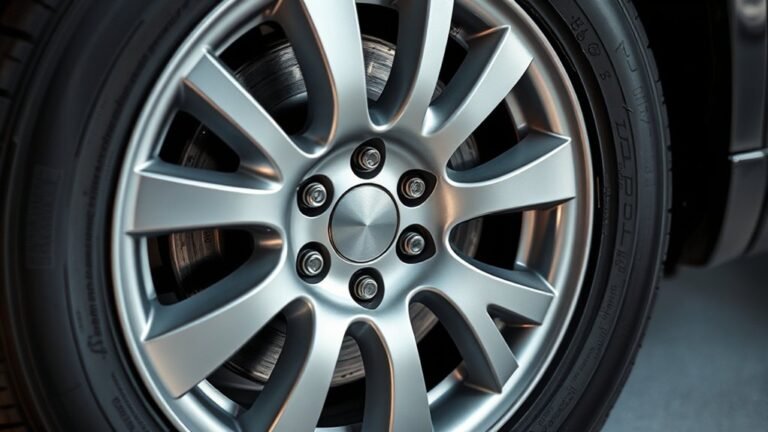
To check your wheel bearings, start by safely lifting and supporting your vehicle. Then, remove the wheel to access the hub. This initial step is crucial for a proper inspection.
Next, wiggle the hub to feel for any looseness or play. Spin the hub and listen closely for grinding or unusual noises using a mechanic’s stethoscope or a screwdriver.
Don’t forget to check for vibrations, uneven tire wear, or pulling while driving. If anything seems off, it’s important to act quickly. Keep going to learn how to do a thorough inspection and what steps to take next.
Key Takeaways
- Safely lift the vehicle with a jack and secure it on jack stands before removing the wheel.
- Wiggle the hub assembly to check for any looseness or play in the wheel bearing.
- Spin the hub and listen carefully for grinding or humming noises indicating bearing wear.
- Use a mechanic’s stethoscope or a long screwdriver to detect unusual sounds from the bearing.
- Inspect the hub for excess heat and check the grease seal for leaks after a short drive.
Signs Your Wheel Bearings Are Worn
How can you tell if your wheel bearings are wearing out? One common sign is a grinding or humming noise coming from the wheel area, especially when you turn or accelerate. You might notice vibrations in the steering wheel or the vehicle pulling slightly to one side.
Another indicator is uneven tire wear, which happens when the bearings don’t support the wheel properly. If you feel looseness or play in the wheel when you wiggle it back and forth, that’s a strong sign the bearings are failing.
Ignoring these symptoms can lead to more serious damage or even wheel separation. So, if you catch any of these signs, it’s important to check your wheel bearings promptly.
Tools Needed to Check Wheel Bearings
What tools do you need to check your wheel bearings effectively? First, grab a jack and jack stands to safely lift and secure your vehicle. You’ll also need a lug wrench to remove the wheel.
A mechanic’s stethoscope or a long screwdriver can help you listen for unusual noises while spinning the wheel hub. To check for play, a sturdy pry bar or your hands will do.
A torque wrench might come in handy to ensure lug nuts are tightened correctly when reassembling. Finally, have some gloves and safety glasses on hand to protect yourself during the inspection.
With these tools ready, you’ll be well-equipped to assess your wheel bearings without hassle or guesswork.
How to Check Your Wheel Bearings Step-by-Step
Wondering where to begin when checking your wheel bearings? Start by safely lifting and supporting your vehicle with a jack and jack stands. Remove the wheel to access the hub assembly.
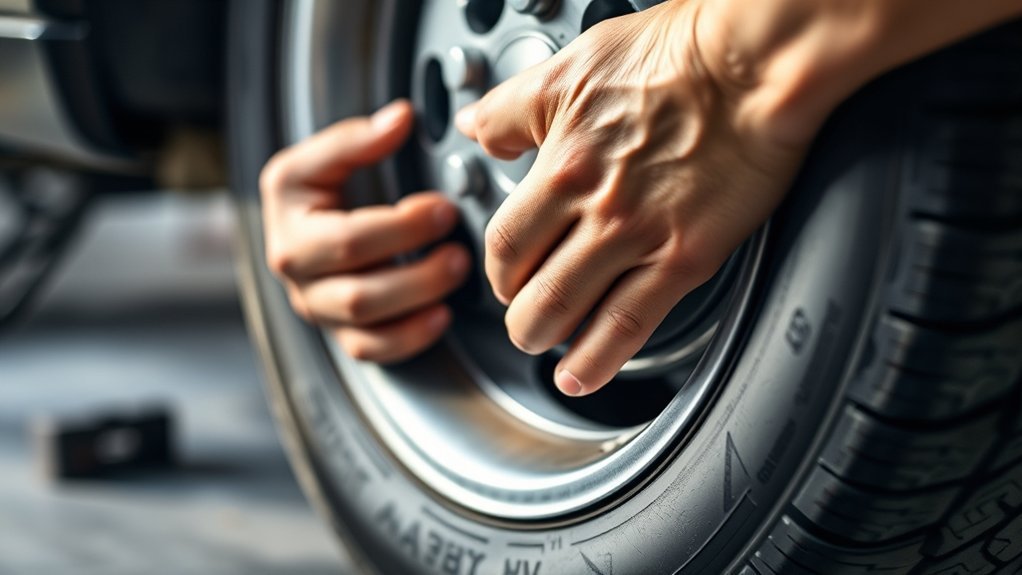
Grab the hub and try to wiggle it back and forth; any play or looseness might indicate worn bearings. Next, spin the hub and listen carefully for grinding or unusual noises. If you notice rough rotation, that’s a red flag.
You can also check for heat by feeling the hub after a short drive. Excessive warmth could suggest bearing problems. Finally, inspect the grease seal and surrounding area for leaks or damage.
Following these steps helps you pinpoint bearing issues early, keeping your vehicle safe and running smoothly.
What to Do If You Find a Bad Wheel Bearing
Noticing a bad wheel bearing can be alarming, but acting quickly can prevent further damage and guarantee your safety. First, avoid driving your vehicle as much as possible to minimize risk. If you must drive, keep speeds low and avoid sharp turns.
Next, inspect the affected wheel area again to confirm the issue. You’ll want to clean the area to check for any obvious signs of damage like looseness or metal shavings.
After that, plan to replace the bad wheel bearing promptly. Delaying this can cause damage to other components like the hub and axle. If you have the tools and experience, you can attempt the replacement yourself. Otherwise, schedule a repair to fix the problem before it escalates or leads to an accident.
When It’s Time to Call a Pro
How do you know when it’s best to call a professional for your wheel bearing issues? If you notice persistent grinding noises, excessive wheel play, or vibrations that don’t improve after basic checks, it’s time to get expert help.
Wheel bearings require precise handling and special tools for safe replacement, which most DIY setups lack.
You should call a pro if:
- The noise worsens while driving at higher speeds
- You feel unusual looseness in the wheel after your inspection
- Your vehicle pulls to one side unexpectedly
- You don’t have the proper tools or experience
- You want to ensure safety and avoid further damage
Trusting a professional can save you time, money, and stress in the long run.
Frequently Asked Questions
How Much Does It Typically Cost to Replace Wheel Bearings?
You’ll typically pay between $150 and $400 to replace wheel bearings, depending on your vehicle and labor rates.
It’s best to get a quote from a mechanic, as prices can vary quite a bit.
Can Bad Wheel Bearings Affect Fuel Efficiency?
Yes, bad wheel bearings can lower your fuel efficiency because they create extra friction and resistance while driving. You’ll notice your engine works harder, which uses more fuel. Fixing them can help save money at the pump.
Are Wheel Bearings the Same for All Vehicle Types?
No, wheel bearings aren’t the same for all vehicle types. You’ll find different sizes, designs, and load capacities depending on your vehicle’s make, model, and purpose.
Always check compatibility before replacing them.
How Long Do Wheel Bearings Usually Last?
Wheel bearings usually last between 85,000 and 100,000 miles, but this can vary depending on your driving habits and conditions.
If you hear noise or feel vibration, you shouldn’t ignore it. Get them checked promptly.
Can I Drive Safely With a Worn Wheel Bearing?
Better safe than sorry. You shouldn’t drive with a worn wheel bearing. It can cause noise, vibration, and even wheel failure.
Get it checked and replaced promptly to avoid accidents and costly repairs.
Conclusion
Now that you know how to check your wheel bearings, don’t ignore those warning signs. Some believe wheel bearings last forever, but they actually wear down over time and can cause serious issues if left unchecked.
By using the right tools and following the steps, you can catch problems early and save yourself from costly repairs. If the task feels overwhelming, don’t hesitate to call a pro—your safety is worth it.
Regular maintenance is key. Make it a habit to check wheel bearings to ensure your vehicle runs smoothly and safely.