What Is Wheel Balancing
Wheel balancing is a crucial process that ensures your tires rotate evenly, preventing vibrations and uneven wear. These issues can cause your steering or ride to shake, affecting driving comfort and safety.
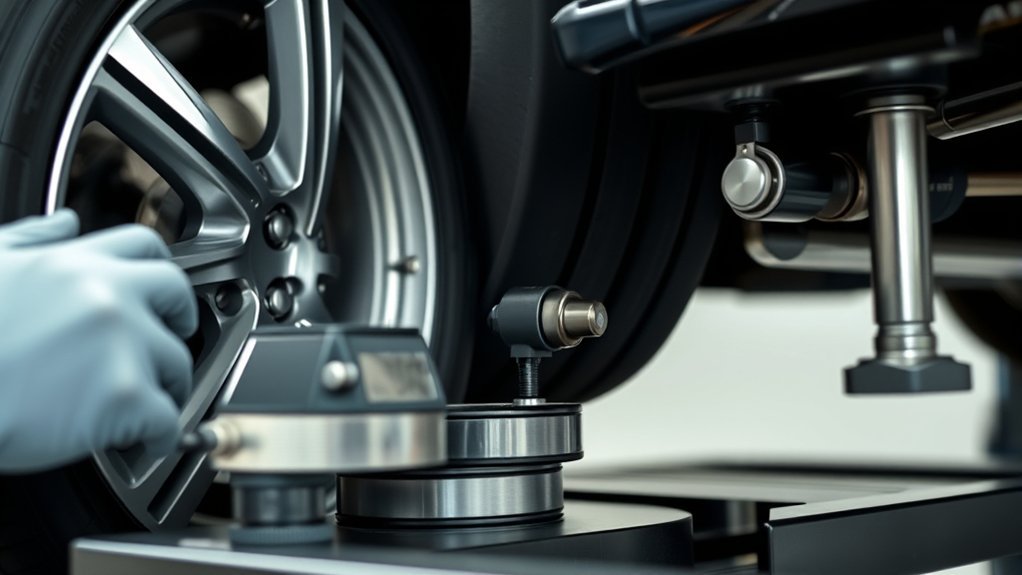
A technician spins your wheels on a special machine to identify heavy spots causing imbalance. They then add small weights opposite those spots to achieve smooth rolling.
This process reduces strain on your suspension and tires, providing a safer, more comfortable drive. Keep reading to discover how professionals perform wheel balancing, the tools involved, and maintenance tips to extend balance.
Key Takeaways
- Wheel balancing ensures tires rotate evenly to prevent vibrations and uneven tire wear during driving.
- A technician spins the wheel on a balancing machine to detect heavy spots causing imbalance.
- Small weights are added opposite heavy spots on the rim to counteract imbalance and ensure smooth rolling.
- Proper wheel balancing reduces strain on suspension components and improves vehicle stability and handling.
- Balancing is usually done professionally with specialized machines but can be partially done at home with basic tools.
What Is Wheel Balancing? How It Works
How does wheel balancing improve your driving experience? It ensures your tires rotate evenly without causing vibrations or uneven wear. When you get your wheels balanced, a technician spins them on a machine that detects any heavy spots.
Those spots create imbalance, leading to shaking or pulling while driving. The technician then adds small weights to the opposite side of the heavy spots, counteracting the uneven distribution. This process helps your wheels roll smoothly, preventing unnecessary strain on your suspension and tires.
Why Wheel Balancing Is Key for a Smooth Ride
When your wheels are balanced, you won’t feel annoying vibrations through the steering wheel or seat. This means your drive stays comfortable, even on longer trips.
Plus, balanced wheels help your tires wear evenly, saving you money in the long run.
Preventing Tire Vibrations
Tire vibrations can quickly turn a smooth drive into an uncomfortable experience. When your wheels aren’t properly balanced, uneven weight distribution causes your tires to wobble. This leads to vibrations you can feel through the steering wheel, seat, or floor.
To prevent this, you need to keep your wheels balanced regularly. Here’s why it matters:
- It reduces uneven tire wear, extending tire life.
- It improves vehicle stability and handling.
- It minimizes strain on suspension components.
Enhancing Driving Comfort
Uneven weight on your wheels doesn’t just cause vibrations; it also disrupts the smoothness of your ride. When your wheels aren’t balanced, you’ll feel jolts and shakes through the steering wheel and seats, especially at higher speeds.
This constant disturbance can make driving tiring and uncomfortable, whether you’re on a short trip or a long highway stretch. By balancing your wheels, you ensure that the tires rotate evenly, keeping the ride steady and fluid.
You’ll notice improved handling and a calmer experience behind the wheel, which means less stress and more confidence on the road. Taking care of wheel balancing isn’t just about safety; it’s about making every drive more enjoyable and comfortable for you.
Reducing Wear And Tear
How does wheel balancing help protect your vehicle’s components? When your wheels are properly balanced, it prevents uneven vibrations that can cause premature wear on various parts. This not only extends the life of your tires but also protects your suspension and steering systems from unnecessary stress.
By keeping everything aligned and running smoothly, you avoid costly repairs down the road.
Here’s what balanced wheels help reduce:
- Tire wear: Even weight distribution prevents patchy tread wear.
- Suspension damage: Minimizes shock and strain on shocks and struts.
- Steering issues: Reduces vibrations that can loosen steering components.
How Often Should You Balance Your Wheels?
When should you get your wheels balanced to keep your ride smooth and safe? Generally, it’s a good idea to balance your wheels every 5,000 to 6,000 miles, which often coincides with your tire rotation schedule.
You should also balance your wheels whenever you install new tires or notice any impact, like hitting a pothole or curb. Regular balancing prevents uneven tire wear and reduces strain on your suspension system.
Even if you don’t spot problems, maintaining a consistent schedule helps you avoid premature tire damage and ensures optimal vehicle performance. By staying proactive with wheel balancing, you’ll enjoy a smoother ride, better fuel efficiency, and increased safety on the road.
Don’t overlook this simple maintenance step—it really makes a difference.
Signs Your Wheels Need Balancing Right Now
Wondering if your wheels need balancing right now? If your ride feels off, don’t ignore these clear signs that it’s time for a checkup.
First, you might notice a vibration in the steering wheel, especially at higher speeds. Second, uneven tire wear can appear, meaning your tires won’t last as long. Third, your vehicle might pull to one side, making it harder to keep a straight line.
These symptoms aren’t just annoyances. They can affect your driving safety and comfort. Keep an eye out for:
- Steering wheel vibrations over 50 mph
- Uneven or patchy tire tread wear
- Vehicle pulling or drifting to one side
If any of these hit home, it’s a good idea to get your wheels balanced soon.
What Happens If You Ignore Wheel Balancing?
If you ignore wheel balancing, you’ll notice uneven tire wear that shortens your tires’ lifespan. Your steering wheel might start vibrating, making driving uncomfortable and unsafe.
Plus, your fuel efficiency can drop, costing you more at the pump.
Uneven Tire Wear
How long do you think your tires will last without proper wheel balancing? Ignoring wheel balancing causes uneven tire wear, which drastically shortens your tires’ lifespan.
When tires wear unevenly, you’ll notice certain spots thinning faster, compromising traction and safety. This imbalance forces your tires to work harder, increasing the risk of blowouts or flats.
Here’s what uneven tire wear can lead to:
- Reduced fuel efficiency as your car struggles against irregular tire surfaces
- Poor handling and stability, especially during turns and braking
- Increased tire replacement costs due to premature wear
Steering Wheel Vibrations
Uneven tire wear doesn’t just shorten your tires’ lifespan. It can also cause noticeable steering wheel vibrations. When your wheels are out of balance, you’ll feel a shaking or wobbling through the steering wheel, especially at higher speeds.
This happens because the uneven distribution of weight causes your tires to bounce instead of roll smoothly. Ignoring these vibrations isn’t just uncomfortable; it can affect your control over the vehicle, increasing fatigue on your arms and making it harder to steer precisely.
Over time, this shaking can lead to premature wear on suspension components and other parts. To keep your driving safe and comfortable, it’s important to get your wheels balanced regularly and address any steering wheel vibrations promptly.
Reduced Fuel Efficiency
Why does your car seem to gulp more fuel than usual? Ignoring wheel balancing can cause your tires to wear unevenly, forcing your engine to work harder and burn more fuel. When the wheels aren’t balanced, your vehicle experiences extra resistance and vibrations, reducing overall efficiency.
Here’s how unbalanced wheels affect fuel consumption:
- Increased rolling resistance: Tires don’t roll smoothly, requiring more energy to move.
- Uneven tire wear: Damaged tires reduce grip and increase drag.
- Engine strain: Your engine compensates for instability, using more fuel.
Tools and Techniques for Accurate Wheel Balancing
What tools do you need to achieve precise wheel balancing? First, you’ll want a reliable wheel balancer machine, which spins the wheel to detect imbalance. You’ll also need wheel weights, either clip-on or adhesive, to counteract the uneven distribution.
A tire changer and a valve stem tool help you prepare the wheel before balancing. Don’t forget a good set of hand tools, like pliers and screwdrivers, for attaching weights securely.
For techniques, always clean the wheel and tire thoroughly to ensure weights stick properly. Mount the wheel correctly on the balancer to get accurate readings.
Use the machine’s digital display to identify imbalance points, then apply weights precisely where indicated. Double-check your work by running the wheel again.
Following these tools and methods ensures your wheels spin smoothly and extend tire life.
How Pros Balance Wheels Step-by-Step
How exactly do professionals balance wheels with such precision? They follow a clear, methodical process to ensure your ride stays smooth. First, they mount the wheel on a balancing machine, which spins it to detect any imbalance.
Professionals balance wheels precisely by using a machine that spins and detects any imbalance.
Next, the machine pinpoints the exact spots where weights need to be added to counteract heavy areas. Finally, they attach small counterweights to the wheel rim, fine-tuning the balance until the machine indicates zero imbalance.
Here’s the step-by-step approach pros take:
- Mount the wheel securely on the balancing machine.
- Identify imbalance points through precise machine readings.
- Apply and adjust counterweights until balance is perfect.
Can You Balance Your Wheels at Home?
Professionals rely on specialized machines to achieve perfect wheel balance, but you might wonder if it’s possible to do this at home. While you can attempt basic balancing, it requires patience and some tools. A simple static balance can be done using a bubble balancer or by spinning the wheel on a makeshift stand to find heavy spots.
However, dynamic balancing, which accounts for forces during driving, demands precise equipment.
Here’s a quick look at what you’ll need and expect:
| Tool/Item | Purpose | Difficulty Level |
|---|---|---|
| Bubble Balancer | Detect heavy spots | Easy |
| Wheel Stand | Spin wheel smoothly | Moderate |
| Adhesive Weights | Correct imbalance | Easy |
| Jack & Stands | Remove/reinstall wheels | Moderate |
| Patience | Essential for accuracy | High |
At-home balancing can help but won’t match professional precision.
Tips to Keep Your Wheels Balanced Longer
Want your wheels to stay balanced longer between maintenance sessions? You can extend the life of your wheel balance by practicing good habits and regular care. First, avoid potholes and rough roads when possible, as impacts can knock weights loose or shift tire balance.
Second, keep your tires properly inflated; under or overinflated tires wear unevenly, affecting balance. Third, rotate your tires regularly to ensure even wear, which helps maintain consistent balance.
Here are three tips to keep your wheels balanced longer:
- Drive cautiously over road hazards to prevent sudden impacts.
- Check and maintain correct tire pressure monthly.
- Rotate tires every 5,000 to 7,000 miles to promote even tread wear.
Following these steps helps you enjoy smoother rides and fewer balancing visits.
Frequently Asked Questions
Does Wheel Balancing Affect Fuel Efficiency?
Yes, wheel balancing affects fuel efficiency because unbalanced wheels cause uneven tire wear and vibration, making your engine work harder.
You’ll save fuel and enjoy a smoother ride by keeping your wheels properly balanced.
Can Wheel Balancing Fix Tire Alignment Issues?
No, wheel balancing won’t fix tire alignment issues. You’ll need a proper alignment service to correct misaligned tires.
Balancing smooths rotation, but alignment adjusts angles for better handling and tire wear.
Is Wheel Balancing Different for Electric Vehicles?
Yes, wheel balancing for electric vehicles is slightly different because their heavier batteries affect weight distribution. You’ll need precise balancing to avoid vibrations and ensure smooth driving, especially since EVs often have unique tire and wheel setups.
How Much Does Professional Wheel Balancing Typically Cost?
You’ll typically pay between $15 and $50 per wheel for professional balancing, depending on your location and shop. Some places offer package deals for all four wheels, which can save you money overall.
Can Unbalanced Wheels Damage Suspension Components?
Yes, unbalanced wheels can damage your suspension components by causing uneven wear and extra vibration.
You’ll notice rough handling and potentially costly repairs if you don’t get your wheels balanced regularly to protect your suspension.
Conclusion
Keeping your wheels balanced isn’t just about smooth driving—it protects your tires and suspension too. Imagine Sarah, who ignored wheel balancing; her car started vibrating, leading to costly repairs. After balancing, her ride was smooth again, and her tires lasted longer.
By staying on top of wheel balancing, you avoid unnecessary wear and save money. So, don’t wait for problems—balance your wheels regularly and enjoy a safer, smoother drive every time. Maintaining proper wheel balancing is key to extending the life of your tires and improving overall vehicle performance.