Are Wheel Spacers Safe
You can use wheel spacers safely if you pick high-quality parts and install them properly, torqueing lug nuts to spec and ensuring a flush fit.
Wheel spacers widen your track for better stability and a more aggressive stance, but poor installation or cheap materials can cause vibrations, wheel looseness, or extra wear on bearings and suspension.
If you want to understand the risks, benefits, and how to choose the right spacers for your vehicle, keep exploring these key points.
Proper installation and quality are essential to maximizing safety and performance when using wheel spacers.
Key Takeaways
- Wheel spacers are safe when properly installed with quality hardware and torqued to manufacturer specifications.
- Poor installation or low-quality spacers can cause vibrations, wheel loosening, and increased wear on suspension components.
- Unsafe spacers may show signs like cracks, rust, uneven tire wear, and loose wheels.
- Spacers alter wheel force distribution, potentially affecting handling and increasing stress on bearings and studs.
- Choosing precise, corrosion-resistant billet aluminum spacers enhances safety and compatibility with your vehicle.
Wheel Spacers: What They Are and How They Work
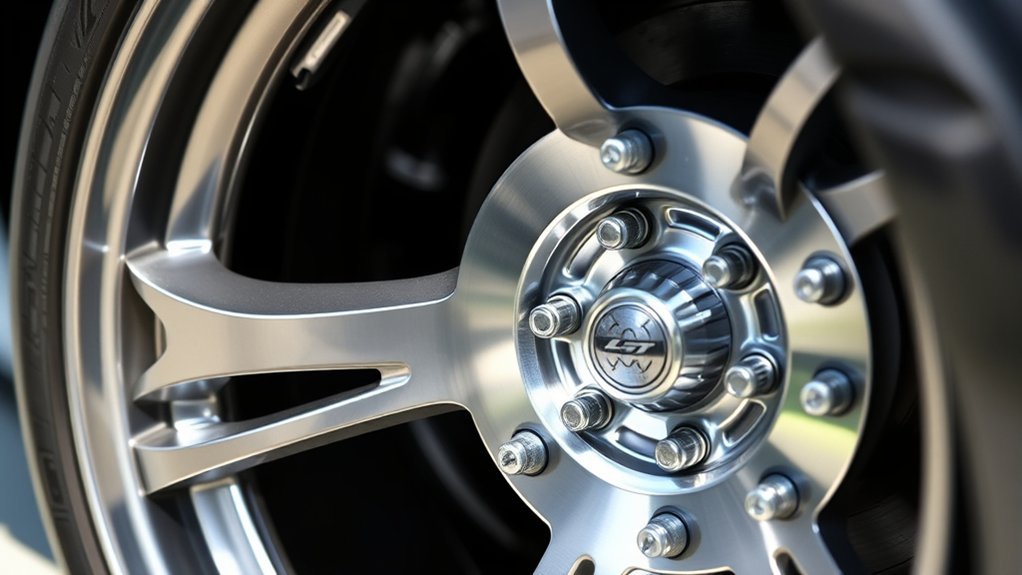
Wondering what wheel spacers are and how they affect your vehicle? Wheel spacers are simple components placed between your car’s wheel hub and the wheel itself. They push the wheels outward, increasing the distance between the tire and the suspension.
You’ll notice this changes your vehicle’s stance, often giving it a wider, more aggressive look. Beyond aesthetics, they can improve handling by widening your track width, which can enhance stability during turns.
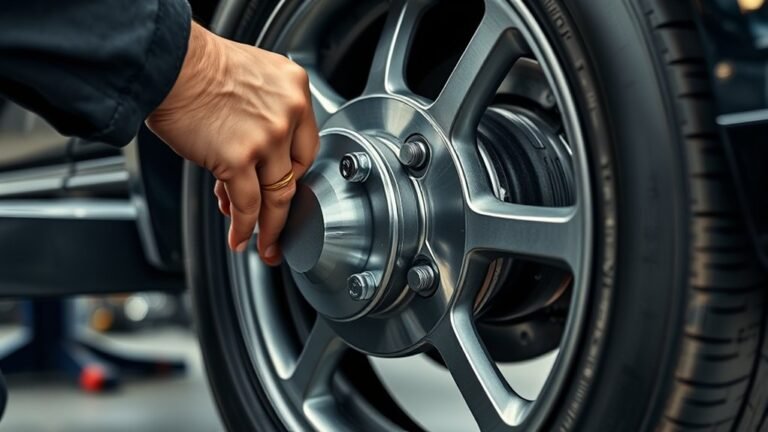
Installing wheel spacers involves removing your wheel, placing the spacer on the hub, then reattaching the wheel over it. They’re usually made of aluminum or steel and come in various thicknesses to suit different needs.
Are Wheel Spacers Really Safe?
You might wonder if wheel spacers are truly safe to use. The key risks often come from improper installation or using low-quality spacers.
Understanding these factors will help you make a safer choice.
Safety Risks Explained
How safe are wheel spacers really? When you add spacers, you change how forces distribute across your wheels and suspension. This can increase stress on your wheel bearings, studs, and suspension components, potentially leading to premature wear or failure.
If the spacers aren’t high quality or don’t match your vehicle’s specifications, you risk vibration, wheel misalignment, or even the wheel loosening. Over time, these issues can compromise your car’s handling and braking performance.
Additionally, you might notice altered steering response or increased road noise. While wheel spacers can enhance your vehicle’s appearance and stance, you need to be aware of these inherent safety risks.
Ignoring them could put you and others on the road in danger, so understanding these risks is essential before deciding to use spacers.
Proper Installation Importance
Why does proper installation matter so much when it comes to wheel spacers? Because even the best spacers won’t keep you safe if you don’t install them correctly. When you install wheel spacers, you need to ensure they fit perfectly, the lug nuts are torqued to the manufacturer’s specs, and everything sits flush against the hub.
Skipping these steps can cause vibrations, uneven wear, or even the spacers loosening while driving. You also need to use quality hardware and check for any damage regularly. Proper installation prevents stress on your vehicle’s suspension and wheel bearings, so you can enjoy improved handling without risking safety.
In short, how you install spacers is just as important as choosing the right ones.
Wheel Spacers Benefits You Should Know
Wondering what advantages wheel spacers bring to your vehicle? They can enhance both performance and aesthetics, giving you more than just a visual upgrade. Here are four key benefits you should know:
- Improved Handling: Wheel spacers widen your vehicle’s track, increasing stability during cornering and reducing body roll.
- Enhanced Appearance: By pushing the wheels outward, spacers create a more aggressive and flush stance, improving your car’s overall look.
- Brake Clearance: They provide extra space for larger brake calipers, letting you upgrade your braking system without wheel fitment issues.
- Correct Offset Issues: If your wheels have an offset that causes rubbing or fitment problems, spacers can help align your wheels properly.
These benefits make wheel spacers a practical modification when chosen and installed correctly.
How to Choose High-Quality Wheel Spacers
Choosing the right wheel spacers can make all the difference in safety and performance. First, pick spacers made from high-quality materials like billet aluminum to ensure strength without adding excessive weight. You’ll want spacers that are precisely machined with tight tolerances to fit your vehicle’s hub and bolt pattern perfectly.
Avoid cheap, generic options as they often compromise durability and safety. Also, check for corrosion-resistant coatings to extend lifespan. Confirm the spacer’s thickness suits your needs; too thick or thin can cause handling issues.
Finally, look for products tested and certified by reputable organizations or manufacturers with positive reviews. By carefully considering these factors, you’ll ensure your wheel spacers enhance your vehicle’s stability without risking safety.
Installation Tips for Safe Wheel Spacers
To install wheel spacers safely, you need to check that they’re fully compatible with your vehicle and wheels. Always apply the proper torque to the lug nuts to ensure they’re secure without risking damage.
These steps help keep your wheels stable and prevent potential issues on the road.
Proper Torque Application
How tightly you secure your wheel spacers can make all the difference between a safe installation and a risky one. Applying the correct torque ensures the spacers stay firmly in place, preventing loosening or damage. Here’s what you need to do:
- Use a calibrated torque wrench to avoid over- or under-tightening.
- Follow the manufacturer’s specified torque values precisely.
- Tighten lug nuts in a star or crisscross pattern to distribute pressure evenly.
- Re-torque the lug nuts after driving 50-100 miles to confirm they remain secure.
Spacer Compatibility Check
Where should you start when ensuring your wheel spacers fit properly? Begin by checking the bolt pattern and hub size to match your vehicle’s specifications exactly. If the spacer doesn’t align perfectly with your wheel hubs and lug nuts, it can cause vibrations or even unsafe driving conditions.
Next, inspect the spacer thickness. Too thick or thin can affect handling and brake clearance. Also, verify the spacer material; high-quality aluminum is preferred for strength and durability.
Don’t forget to test-fit the spacer before final installation to confirm it sits flush against the hub without gaps. Taking these steps ensures compatibility, helping you install your wheel spacers safely and maintain optimal vehicle performance.
Signs Your Wheel Spacers Are Unsafe
Wondering if your wheel spacers are still safe to use? It’s essential to spot warning signs early to avoid accidents or costly damage. Here are four clear indicators your spacers might be unsafe:
- Visible Cracks or Rust: Check for any cracks or corrosion on the spacers themselves. These weaken the material and compromise safety.
- Loose Wheels: If your wheels feel loose after installation, your spacers may not be seated properly or could be damaged.
- Vibrations While Driving: Unusual vibrations, especially at higher speeds, can signal spacer issues affecting wheel balance.
- Uneven Tire Wear: If your tires wear unevenly, it might mean your spacers are causing alignment problems.
If you notice any of these signs, it’s time to inspect or replace your wheel spacers for safe driving.
Which Vehicles and Situations Are Wheel Spacers Safe For?
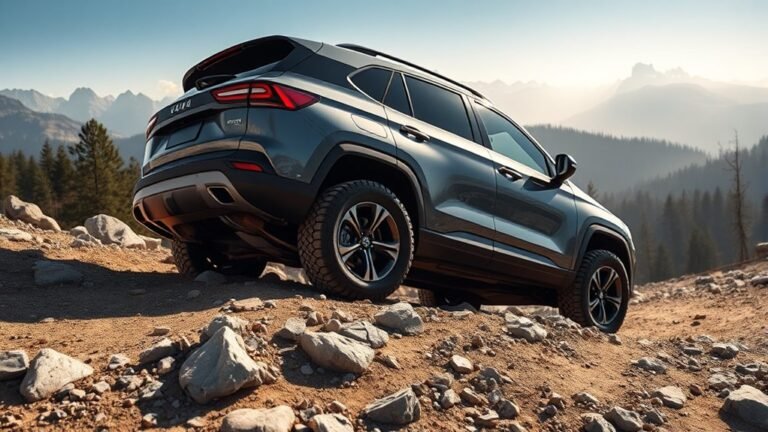
When should you consider using wheel spacers on your vehicle? You’ll find wheel spacers most suitable for trucks, SUVs, and off-road vehicles where added track width improves stability and handling on rough terrain. They’re also helpful if you want to fit larger brakes or aftermarket wheels that don’t perfectly match your hub’s offset.
However, wheel spacers are safest when matched precisely to your vehicle’s specifications, including bolt pattern and hub size. Avoid using them on lightweight passenger cars or vehicles with complex suspension setups, as they can stress components unevenly.
If you drive mostly on paved roads and don’t need extra clearance or width, spacers might not be necessary. Always ensure proper installation and quality materials to maintain safety in any situation.
Alternatives to Wheel Spacers for Better Handling
How can you improve your vehicle’s handling without relying on wheel spacers? You have several effective alternatives that enhance performance safely. Consider these options:
- Upgrade Suspension Components: Installing performance shocks, struts, or springs can drastically improve handling and stability.
- Choose Wider Tires: Wider tires increase grip and cornering ability without altering wheel offset.
- Lower Your Vehicle: Lowering the ride height reduces body roll and improves aerodynamics.
- Install Performance Bushings: Stiffer bushings reduce flex in suspension parts, offering more precise control.
These alternatives maintain safety and often provide better handling benefits than wheel spacers, which can introduce stress and alignment issues. By exploring these options, you can enjoy improved driving dynamics without compromising your vehicle’s integrity.
Frequently Asked Questions
Can Wheel Spacers Affect My Vehicle’s Fuel Efficiency?
Yes, wheel spacers can affect your vehicle’s fuel efficiency by increasing aerodynamic drag and rolling resistance. You’ll likely notice a slight decrease in mileage, especially if you use wider or heavier spacers than recommended.
Do Wheel Spacers Impact Tire Wear Patterns?
Yes, wheel spacers can impact tire wear patterns by changing your wheel alignment and load distribution. You’ll want to check alignment regularly and ensure proper installation to avoid uneven tire wear and maintain safe handling.
Are Wheel Spacers Legal in All States or Countries?
If you live in California, you’ll find wheel spacers aren’t explicitly illegal but must meet strict safety standards. Laws vary widely, so you should always check your local regulations before installing them on your vehicle.
How Do Wheel Spacers Affect Wheel Alignment?
Wheel spacers push your wheels outward, which can slightly alter your wheel alignment. You might notice changes in camber or toe settings, so you’ll need to check and adjust alignment after installing spacers to avoid uneven tire wear.
Can Wheel Spacers Cause Vibrations at High Speeds?
Vibrations at high speeds can sneak up on you like a thief in the night if your wheel spacers aren’t installed correctly or are of poor quality. Make sure everything’s tight and balanced to keep the ride smooth.
Conclusion
Just like Goldilocks sought the perfect fit, choosing the right wheel spacers means finding that balance between safety and performance.
When you pick quality spacers, install them carefully, and watch for warning signs, you’ll enjoy improved handling without compromising your ride’s integrity. So, don’t rush—it’s about getting it just right.
After all, your wheels deserve the same care you give your journey. Drive smart, stay safe, and keep rolling with confidence by using wheel spacers safely.