How to Clutch Start a Car
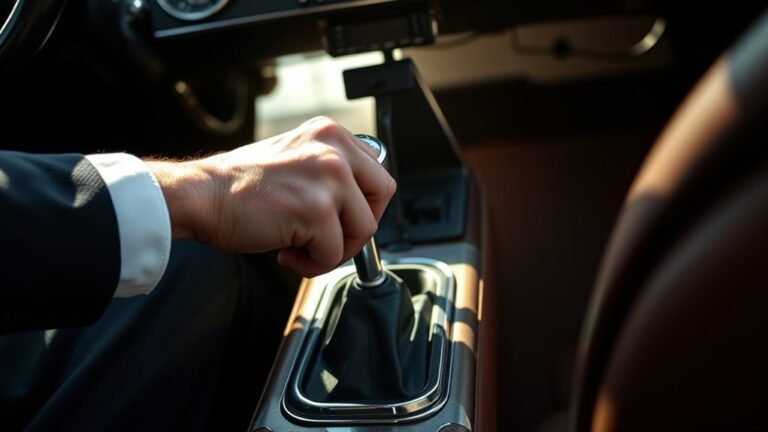
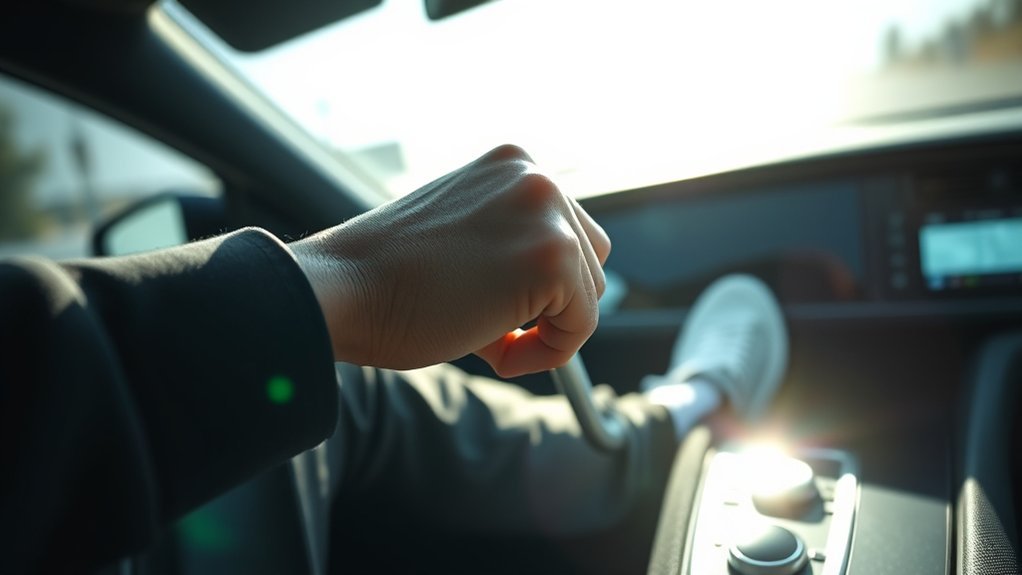
To clutch start your manual car, first ensure the ignition is on, the handbrake is engaged, and the car is in second gear. This method involves using the clutch to turn the engine over without relying on the battery or starter motor.
Fully depress the clutch while the vehicle gains momentum—either by rolling downhill or being pushed. Then quickly release the clutch to start the engine.
Clutch starting is especially useful for weak batteries and helps prevent strain on the starter motor.
If you want to understand preparation, safety steps, and troubleshooting, keep exploring these key points.
What Is Clutch Starting and When to Use It to Start Your Car
What exactly is clutch starting, and when should you use it to start your car? Clutch starting is a manual technique where you use the vehicle’s momentum to turn the engine over without relying on the car battery to power the starter motor.
You engage the clutch, place the transmission in gear, then release the clutch quickly while the car is rolling to start the engine. This method is particularly useful if your car battery is weak or dead, preventing the starter motor from functioning.
Clutch starting can also help maintain fuel efficiency by avoiding excessive battery drain and unnecessary fuel consumption during repeated starter attempts. However, it’s important to perform this technique carefully to avoid damaging the transmission or engine components.
Can You Clutch Start Any Manual Car? Key Considerations
You can clutch start most manual cars, but it’s essential to confirm your transmission type supports this method. The battery and engine condition must allow for sufficient momentum to turn the engine over.
Always follow safety protocols to prevent damage or injury during the process.
Compatibility With Manual Transmissions
When attempting to clutch start a manual car, it’s important to understand that not all vehicles are designed to support this method safely or effectively. Clutch compatibility varies based on transmission type, gear ratios, and hydraulic systems.
Manual transmission limitations, such as synchronized gears and electronic immobilizers, can hinder clutch starting. Always verify your vehicle’s specifications before proceeding.
| Vehicle Type | Clutch Compatibility | Transmission Limitation | Recommended Gear | Notes |
|---|---|---|---|---|
| Older Manuals | High | Minimal | 2nd or 3rd | Easier to clutch start |
| Modern Manuals | Moderate | Electronic Immobilizers | Neutral | Immobilizers may prevent |
| Heavy-Duty Trucks | Low | Complex Gear Ratios | 1st | Not recommended |
| Sports Cars | Moderate | Advanced Electronics | Neutral | Check manufacturer advice |
| Compact Cars | High | Basic Synchronized Gears | 2nd | Generally compatible |
Battery And Engine Conditions
A critical factor in clutch starting any manual car lies in the battery and engine conditions. Before attempting, you need to verify:
- Battery Maintenance: Ensure the battery has sufficient charge. A weak or dead battery won’t engage the starter motor effectively, making clutch starting unreliable.
- Engine Lubrication: Check oil levels and quality. Poor lubrication can cause engine resistance, increasing the effort required to turn over the engine manually.
- Engine Health: Confirm the engine turns freely without unusual noise or resistance. Any mechanical issues may prevent successful clutch starts.
Neglecting these factors risks damaging your vehicle or failing to start it. Proper battery maintenance and ensuring optimal engine lubrication are essential prerequisites for clutch starting, helping the engine respond promptly and minimizing mechanical strain during the process.
Safety Precautions To Follow
How exactly can you guarantee safety while clutch starting a manual car? First, ensure the vehicle is on a flat surface or in neutral gear to prevent unintended movement—this is your two word idea 1.
Always engage the handbrake firmly as a two word idea 2 to secure the car before attempting the start. Check that no one is in front or behind the vehicle to avoid accidents.
Wear appropriate footwear for precise pedal control. Confirm that the clutch pedal fully depresses to disengage the engine from the drivetrain, preventing sudden lurches.
Avoid clutch starting in heavy traffic or on slopes where control is compromised. By following these safety precautions, you minimize mechanical risks and protect yourself and others during the clutch start procedure.
What You’ll Need and How to Prepare Your Car for Clutch Starting
Before attempting a clutch start, you’ll need a few essential tools like a fully charged battery or a helper for push-starting. Make sure your vehicle is in neutral, the parking brake is engaged, and the ignition is turned on.
Proper preparation ensures safety and increases the chances of a successful start.
Essential Tools Checklist
To successfully clutch start your car, you’ll need to gather specific tools and prepare your vehicle carefully. Having the right equipment ensures you can address issues like an improperly adjusted idle clutch and follow troubleshooting guidelines effectively.
Here’s your essential tools checklist:
- Jack and wheel chocks: Secure your vehicle safely if you need to raise it.
- Basic hand tools: Wrenches and screwdrivers for minor adjustments to the clutch or throttle.
- Gloves and safety glasses: Protect yourself during mechanical inspection and operation.
Before proceeding, confirm your clutch pedal and throttle are functioning correctly to minimize complications. These tools will enable you to troubleshoot common clutch engagement problems and prepare your car for a successful clutch start without unnecessary delays or damage.
Vehicle Preparation Steps
Where exactly should you start when preparing your vehicle for a clutch start? Begin by ensuring your car is on a flat surface with the parking brake engaged for safety.
Next, perform basic car care checks: verify the battery is charged, and inspect the engine oil and coolant levels to support proper engine maintenance. Confirm the clutch pedal operates smoothly without resistance or sticking.
Shift the gear lever into neutral, then depress the clutch fully to disengage the transmission. If your vehicle has a manual transmission, make sure the ignition is on and the handbrake is set firmly.
These preparation steps minimize mechanical strain and optimize the conditions for a successful clutch start, preserving both your vehicle’s engine components and transmission system.
How to Clutch Start Your Car, Step by Step
Despite clutch starting a car might seem daunting at first, following a clear, systematic approach will make the process straightforward. Correct clutch timing is essential; misunderstandings often stem from push start myths that suggest random engagement works.
Follow these steps precisely:
- Ignition and Gear Selection: Turn the ignition to the “on” position without starting the engine. Ensure the car is in second gear, not first, as it provides smoother engagement.
- Depress the Clutch Fully: Press the clutch pedal to the floor to disengage the transmission completely.
- Engage the Clutch Swiftly: Release the clutch pedal quickly but smoothly to engage the engine with the drivetrain, causing the engine to turn over and start.
Mastering this timing avoids stalling and ensures a successful clutch start.
Using Momentum to Engage the Clutch and Start the Engine
Now that you understand the importance of clutch timing in starting your car, you can apply momentum to assist in engaging the clutch and turning the engine over. Begin by pushing the car to gain sufficient speed, ideally around 5 to 10 mph, ensuring you’re on a safe, flat surface.
Once momentum is established, quickly release the clutch pedal while simultaneously engaging the ignition. This coordinated action transfers kinetic energy through the drivetrain, cranking the engine.
Maintain awareness of driving etiquette by signaling and ensuring the area is clear to avoid hazards. Be mindful that improper clutch starting can affect your vehicle’s mechanical integrity, potentially leading to insurance implications if damage occurs. Practicing this technique with caution minimizes risk and promotes responsible vehicle operation.
What to Do If Your Car Won’t Start After Clutch Starting
What steps should you take if your car won’t start after attempting a clutch start? First, check the basics that affect engine performance and starting capability.
1. Inspect Engine Oil Level
Low or dirty engine oil can hinder engine function. Use the dipstick to ensure the oil is at the correct level and in good condition.
Checking that engine oil is clean and at the right level is essential for proper engine function.
2. Verify Tire Pressure
While not directly related to starting, improper tire pressure can affect your ability to gain momentum for a clutch start. Inflate tires to the manufacturer’s recommended PSI.
3. Reassess Clutch and Gear Engagement
Confirm the clutch is fully depressed and the gear is properly engaged in second or third gear. Improper engagement can prevent the engine from turning over.
Following these steps will help diagnose common issues preventing the engine from starting after a clutch start attempt.
Safety Tips for Clutch Starting Your Car
How can you guarantee your safety while clutch starting your car? First, ensure the vehicle is in neutral before engaging the clutch.
Perform this procedure in a clear, flat area free from traffic to maintain safe driving conditions. Always engage the handbrake firmly to prevent unintended movement.
Maintain full road awareness by scanning your surroundings for pedestrians, vehicles, and obstacles before starting. Use your signals if you need to move the car after starting.
Keep both hands on the wheel when ready to control steering immediately. Avoid distractions and ensure all safety checks, like mirrors and seatbelt adjustments, are complete before attempting the start.
Following these steps minimizes risks and ensures that clutch starting doesn’t compromise your control or safety on the road.
Common Mistakes to Avoid When Clutch Starting
Why do clutch starts sometimes fail or cause damage? Most failures stem from common errors that can be avoided with proper technique. Avoid these mistakes to ensure a smooth clutch start:
- Riding the Clutch: Don’t keep the clutch partially engaged. This causes excessive wear and overheating, leading to costly repairs rather than addressing the irrelevant topic of fuel efficiency or a random tangent about engine tuning.
- Releasing the Clutch Too Quickly: Sudden release causes engine stall or drivetrain shock. Gradual engagement is critical for smooth power transfer.
- Ignoring Engine RPM: Starting at too low or too high RPM can stall the engine or cause strain. Maintain recommended RPM for clutch starts.
Steering clear of these errors will help you clutch start effectively without unnecessary damage or distractions from irrelevant topics.
How to Maintain Your Car to Prevent Starting Problems
Proper maintenance is essential to prevent starting problems and guarantee your clutch system operates reliably. Begin by adhering strictly to the manufacturer’s maintenance scheduling, focusing on timely oil changes, spark plug inspections, and air filter replacements. Neglecting these can reduce fuel efficiency and complicate clutch engagement.
Regularly check the clutch fluid level and condition; low or contaminated fluid impairs hydraulic clutch function, causing hard starts. Inspect the battery terminals for corrosion and confirm the battery is fully charged, as insufficient power hinders engine ignition.
Additionally, monitor the starter motor for unusual noises or sluggish operation. By following these precise maintenance steps, you’ll minimize starting issues, enhance fuel efficiency, and maintain peak clutch performance, ensuring your vehicle starts smoothly every time.
Frequently Asked Questions
Can Clutch Starting Damage My Car’s Transmission?
You might not expect it, but improper clutch safety can cause transmission wear over time. If you don’t engage the clutch fully or release it too abruptly, you risk damaging your car’s transmission system gradually.
How Does Clutch Starting Affect Fuel Efficiency?
Clutch starting can reduce engine efficiency by requiring higher startup torque, which consumes more fuel initially. This method stresses the engine, potentially lowering overall fuel economy compared to standard ignition, where torque demand is optimized for efficiency.
Is Clutch Starting Harder on Older Cars?
Imagine shifting an old, creaky door; it’s tougher, right? Similarly, clutch starting older transmissions with manual gearboxes demands more care. Their worn components mean you’ll need precise timing to avoid extra wear or damage.
Can I Clutch Start a Car With a Dead Battery?
Yes, you can clutch start a car with a dead battery by pushing it to gain momentum, then quickly engaging the clutch. This two word discussion emphasizes clutch start to bypass the starter motor using engine compression.
What’s the Difference Between Clutch Starting and Push Starting?
You’re not just starting a car; you’re wrestling it! Clutch starting engages the transmission directly, causing more transmission stress compared to push starting, which uses vehicle momentum.
This makes clutch starting harsher on your drivetrain.