How Do I Double Clutch
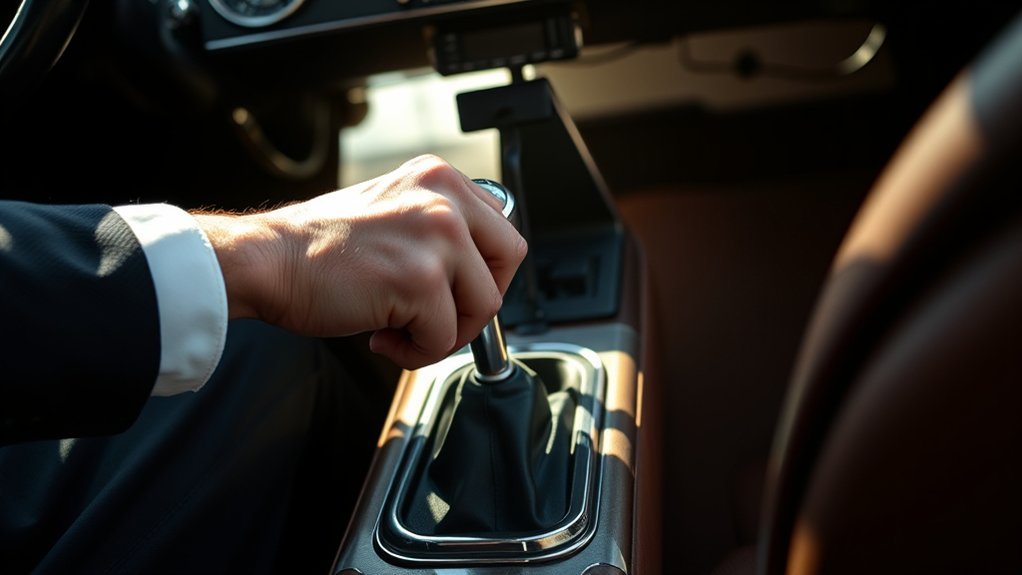
To double clutch, start by pressing the clutch pedal and shifting into neutral, then release the clutch. Blip the throttle to raise the engine RPM and match the transmission’s input speed. This matching is key to the double clutch technique.
Next, press the clutch again, shift into the next gear, and release the clutch smoothly. This method helps prevent gear grinding and reduces wear on your transmission by synchronizing engine and gear speeds.
If you want to improve your shifting skill and protect your vehicle further, there’s more to explore about this method. Mastering double clutching can make your driving experience smoother and extend the life of your transmission.
What Is Double Clutching?
What exactly is double clutching, and why should you care? Double clutching is a driving technique used primarily with manual transmissions to smoothly shift gears. It involves pressing the clutch twice during a gear change, once to shift into neutral, then again to engage the next gear.
This method helps match the engine’s speed with the transmission’s input shaft, reducing wear and promoting smoother transitions. By mastering double clutching, you improve driving ergonomics, making gear shifts feel more natural and less jarring.
Additionally, it can enhance fuel efficiency by ensuring the engine operates in its optimal range during shifts. Understanding and practicing double clutching not only refines your driving skills but also contributes to better vehicle performance and longevity.
Why Double Clutching Protects Your Transmission
Mastering double clutching isn’t just about smoother gear changes; it directly helps protect your transmission. When you double clutch, you synchronize the speeds of the gears and the engine, reducing the strain on your transmission components.
This prevents grinding and excessive wear, common risks if you shift gears abruptly or without matching speeds. Avoiding these double clutching risks extends the life of your transmission and maintains its performance.
If you’re new to manual driving, practicing double clutching improves your amateur gear sportsmanship, showing respect for your vehicle’s mechanics and enhancing driving control. Ultimately, double clutching isn’t just a skill; it’s a preventive measure that safeguards your transmission from damage caused by improper shifting techniques.
When Should You Use Double Clutching?
You should use double clutching when you want to protect your engine and transmission from unnecessary wear. It’s especially helpful in certain driving conditions, like shifting gears on a steep hill or with older vehicles.
Understanding when to apply this technique can improve your car’s performance and longevity.
Benefits Of Double Clutching
When should you use double clutching? You’ll want to apply this driving technique primarily during gear changes in older vehicles or heavy trucks without synchronized gearboxes. Double clutching helps match the engine speed to the transmission speed, reducing wear on your car’s clutch and gearbox, which is vital for effective car maintenance.
By mastering this technique, you’ll experience smoother shifts, less grinding, and extended lifespan of drivetrain components. It also enhances your control over the vehicle, especially when downshifting, allowing for safer acceleration and deceleration.
Using double clutching conserves your car’s mechanical integrity, ultimately saving you from costly repairs. Incorporating this method into your routine will make you a more skilled and conscientious driver, protecting your vehicle’s longevity through proper car maintenance.
Ideal Driving Conditions
In situations where smooth gear changes are pivotal, double clutching comes into play most effectively. You’ll want to use it when shifting gears during idle cruising to maintain engine and transmission harmony, preventing jerks or wear.
Double clutching is especially useful in older vehicles or when driving under challenging conditions, like steep inclines or heavy traffic, where precise gear engagement matters.
If you’re driving on the autobahn, adhering to autobahn etiquette means ensuring your shifts are seamless to avoid disrupting high-speed traffic flow. Double clutching helps you achieve that smooth transition, keeping your vehicle responsive and predictable.
In short, whenever you need to shift gears delicately and maintain control, double clutching is the technique to use.
Engine And Transmission Care
A key moment to use double clutching is during gear changes that place extra strain on your engine and transmission. This technique helps synchronize gear speeds, reducing wear and supporting engine care and transmission durability. You’ll especially want to double clutch when downshifting or driving older vehicles without synchronized gearboxes.
Here’s when to apply double clutching effectively:
| Scenario | Reason for Double Clutching |
|---|---|
| Downshifting | Prevents gear clash, protects engine |
| Older manual transmissions | Lacks synchronizers, needs precise shifting |
| Heavy load driving | Reduces transmission stress |
| Racing or spirited driving | Maintains smooth gear engagement |
Using double clutching correctly extends your transmission’s life and keeps your engine running smoothly, ensuring better overall vehicle performance.
Step-by-Step Double Clutching Guide
To double clutch effectively, you need to understand how to engage the gears smoothly and time your clutch release just right. You’ll also learn how to match engine RPMs to the transmission speed for seamless shifts.
Let’s break down each step so you can master the technique.
Understanding Gear Engagement
How exactly does gear engagement work when double clutching? When you shift gears, your goal is to match engine speed with the transmission input shaft speed. Maintaining proper driving posture ensures you have optimal control and feel for the pedals.
First, press the clutch and shift to neutral. Release the clutch while blipping the throttle to raise engine RPM, aligning it with the next gear’s speed. Then, press the clutch again and engage the target gear smoothly.
Precise pedal coordination is crucial here. Your clutch and accelerator inputs must be timed to avoid gear grinding and ensure smooth engagement. By mastering this process, you reduce wear on the synchronizers and transmission, making gear shifts smoother and extending your vehicle’s lifespan.
Timing The Clutch Release
When should you release the clutch during double clutching to guarantee a smooth gear change? Timing is key to avoid double clutching misfires and to sync clutch update rates with your engine’s response.
Follow these steps:
- After pressing the clutch pedal to disengage the transmission, shift the gear to neutral.
- Release the clutch slowly to match clutch update rates, allowing the shaft speeds to equalize.
- Press the clutch again before selecting the next gear.
- Release the clutch smoothly once the gear engages, avoiding abrupt movements that cause misfires.
Matching Engine RPMs
Releasing the clutch at the right moment sets the stage for matching engine RPMs during double clutching. After disengaging the clutch and shifting into neutral, you need to rev the engine to the appropriate RPM to match the speed of the next gear.
This step is vital for smooth gear engagement and preventing transmission wear. Use clutch control to feel how the engine responds as you increase RPMs; aim to bring the needle to the target range for the upcoming gear.
Once the RPMs align, depress the clutch again to shift into the desired gear. Properly matching engine RPMs reduces jerks and ensures seamless power transfer. Practicing this will make your double clutching more precise and prolong your transmission’s life.
Matching Engine and Transmission Speeds When Double Clutching
Why is matching engine and transmission speeds essential during double clutching? It ensures smooth gear engagement and prevents gearbox wear. When you double clutch, syncing engine RPMs with transmission speed is key to avoiding gear grinding.
Matching engine and transmission speeds during double clutching ensures smooth shifts and protects the gearbox from wear.
Here’s how to match speeds effectively:
- Depress the clutch and shift to neutral, releasing the clutch.
- Adjust engine RPMs by revving or easing off the throttle to match the target gear’s speed.
- Depress the clutch again and shift into the desired gear.
- Release the clutch smoothly while maintaining steady engine RPMs.
Common Mistakes to Avoid When Double Clutching
How can you tell if you’re making mistakes while double clutching? Common errors include rushing the process or neglecting proper gear synchronization. Don’t fall for double clutching myths that suggest you can skip matching engine speeds; failing to do so leads to grinding gears and transmission wear.
Another mistake is not fully releasing the clutch between shifts, which disrupts smooth gear engagement. Avoid holding the clutch pedal too long in neutral, as this can cause unnecessary wear.
You should also be mindful not to confuse double clutching with simply rev-matching; the key is synchronizing both engine and transmission speeds precisely. By steering clear of these pitfalls, you’ll improve your technique and protect your vehicle’s transmission.
Safe Practice Tips for Mastering Double Clutching
Although double clutching can seem tricky at first, practicing in a safe, controlled environment will help you build confidence and develop smooth shifting habits. To master this skill while avoiding common double clutching myths, follow these safe practice tips:
Master double clutching confidently by practicing in a safe, controlled environment to develop smooth shifting skills.
- Start in an empty parking lot to focus solely on timing and coordination without traffic pressure.
- Use the engine’s RPMs as a guide, not just clutch and gear movements, to avoid rough shifts.
- Practice proper gear shift etiquette by smoothly engaging and disengaging the clutch to protect your transmission.
- Record your practice sessions or have a knowledgeable friend observe to correct any habits early.
These steps will help you safely and effectively master double clutching.
Frequently Asked Questions
Is Double Clutching Necessary for Modern Manual Transmissions?
You don’t usually need double clutching with modern manuals because rev matching handles smooth shifts. Manual vs automated clutches also matter; automated systems reduce clutch wear, making double clutching mostly unnecessary for everyday driving.
Can Double Clutching Improve Fuel Efficiency?
Yes, double clutching can improve fuel economy benefits by enhancing manual transmission efficiency. It reduces drivetrain wear and allows smoother shifts, helping you maintain optimal engine speed.
This ultimately saves fuel during gear changes.
Does Double Clutching Cause Extra Wear on the Clutch?
You might think double clutching causes extra wear, but it actually preserves clutch longevity by reducing shock on gears. When done right, it enhances transmission smoothness without stressing your clutch, extending your vehicle’s lifespan effectively.
How Does Double Clutching Differ From Heel-And-Toe Shifting?
Double clutching, with a rich history in racing applications, syncs gears by matching engine and transmission speeds.
Heel-and-toe shifting combines braking and rev-matching for smoother downshifts during cornering, focusing more on braking control than gear synchronization.
Can Double Clutching Be Used in Automatic Transmissions?
You can’t use double clutching with automatic transmissions. Many double clutching misconceptions stem from automatic transmission myths, but automatics handle gear changes internally.
Manual double clutching isn’t needed or effective in these vehicles.