How to Dispose of Coolant
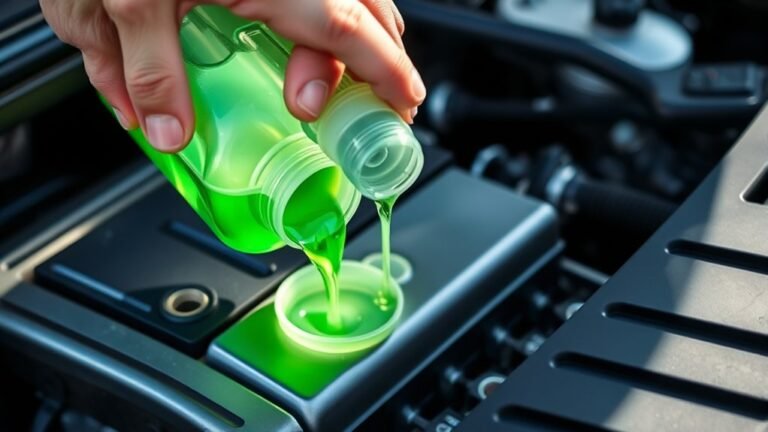
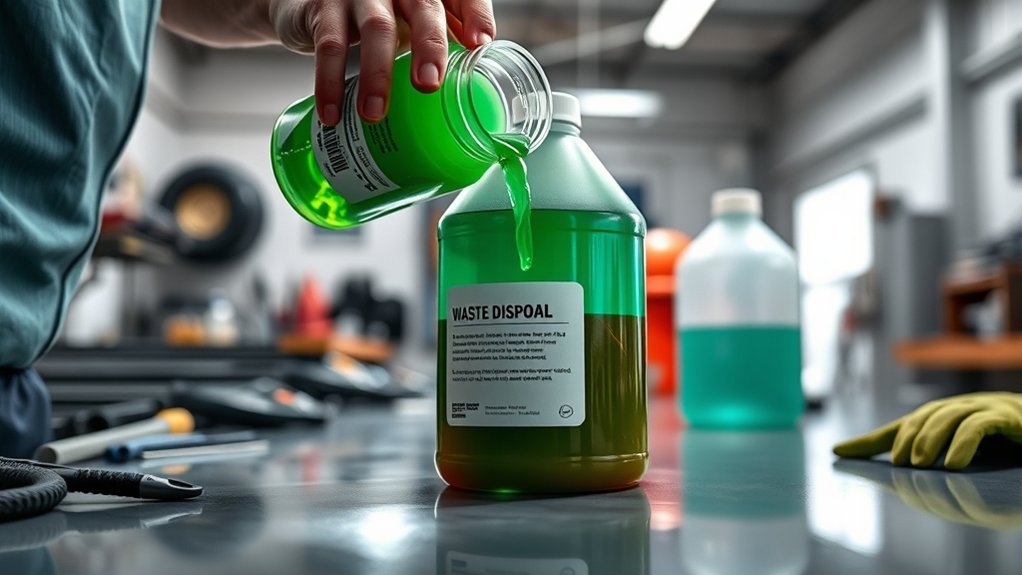
You should collect used coolant in clearly labeled, sealed, spill-proof containers, wearing protective gear and working in a ventilated area. Proper disposal of coolant is essential to prevent environmental contamination and health risks. Avoid pouring it down drains or mixing different types.
Store containers securely away from heat, then take them to authorized recycling centers that follow local hazardous waste regulations. Promptly clean small spills with absorbents, never water. Proper handling and disposal prevent environmental harm and regulatory risks.
Following these steps lets you maintain safety and compliance—guiding you to manage coolant responsibly.
Why Proper Coolant Disposal Matters
Why does proper coolant disposal matter? You need to handle it carefully because improper disposal poses environmental hazards and regulatory risks. Coolant contains toxic substances that can contaminate water sources, harming ecosystems and public health.
Additionally, when disposing of coolant, you often provide personal or business information to service providers. If this data isn’t protected, it could lead to identity theft or breaches of data privacy.
Ensuring that disposal methods comply with environmental laws and safeguard your information minimizes these risks. You must follow established protocols to prevent chemical leaks and secure data during transactions.
How to Identify Hazardous Coolant Types
How can you accurately identify hazardous coolant types before disposal? Proper identification hinges on two critical factors: identifying coolant additives and determining glycol concentration. These elements influence toxicity and environmental impact.
- Chemical Composition Analysis: Use test kits or lab services to detect specific additives like nitrites or borates, which signal hazardous formulations.
- Glycol Concentration Measurement: Employ refractometers or hydrometers to quantify ethylene or propylene glycol levels; concentrations above standard thresholds indicate increased hazard.
- Material Safety Data Sheet (MSDS) Review: Cross-reference your findings with the coolant’s MSDS to confirm hazardous components and recommended handling procedures.
How to Prepare Used Coolant for Safe Disposal
You’ll need to collect used coolant using spill-proof containers designed for hazardous liquids. Make sure each container is clearly labeled with the coolant type and date of collection to prevent contamination.
Store the containers in a secure, well-ventilated area away from direct sunlight and extreme temperatures.
Collecting Coolant Safely
When preparing used coolant for disposal, what steps should you take to guarantee safety and compliance? Proper collection is essential to prevent environmental contamination and personal harm. Careless handling can cause spills, exposure to toxic substances, or unexpected odors.
Follow these steps:
- Wear protective gear: Always use gloves and goggles to avoid skin or eye contact with coolant.
- Work in a well-ventilated area: This minimizes inhalation risks from unexpected odors or fumes.
- Use appropriate tools: Employ funnels and pumps designed for coolant to reduce spills and contamination.
Using Appropriate Containers
Where should you store used coolant to guarantee it remains contained and ready for proper disposal? You must select a container specifically designed to hold hazardous liquids. Avoid a generic container, as it may not provide the necessary chemical resistance or secure sealing, risking leaks or contamination.
An improper container choice could cause spills, environmental harm, or regulatory violations. Opt for a container made of compatible materials such as high-density polyethylene (HDPE) that can withstand coolant’s chemical properties. Ensure the container has a tight-fitting lid to prevent vapor release and accidental exposure.
Before transferring coolant, verify the container is clean and free from residues. By using appropriate containers, you ensure safe handling, maintain coolant integrity, and comply with disposal standards efficiently and responsibly.
Labeling and Storage Tips
Clear labeling and proper storage are essential steps to prepare used coolant for safe disposal. To ensure compliance and safety, follow these labeling tips and storage best practices:
- Labeling Tips: Clearly mark containers with “Used Coolant” and include the date of collection. Use waterproof labels and permanent markers to avoid fading or smudging.
- Storage Best Practices: Store coolant in tightly sealed, corrosion-resistant containers designed for chemical storage. Place containers in a cool, well-ventilated area, away from direct sunlight and heat sources.
- Safety and Organization: Keep containers on secondary containment trays to catch leaks. Separate used coolant from other hazardous materials to prevent cross-contamination.
Where to Recycle or Dispose of Old Coolant
Although disposing of old coolant might seem straightforward, it requires adhering to specific environmental regulations and safety protocols. You should never discard coolant in regular trash or down drains, as it classifies as hazardous waste.
Instead, locate authorized recycling centers equipped to handle coolant safely. These centers follow strict procedures to contain, treat, or recycle the fluid, reducing environmental contamination risks.
Before transport, ensure the coolant is stored in a clearly labeled, sealed container to prevent leaks. Contact your local waste management authority or environmental agency for guidance on approved disposal sites.
Common Coolant Disposal Mistakes to Avoid
You shouldn’t pour coolant down drains, as it can contaminate water systems and violate regulations.
Avoid mixing different types of coolant, since chemical reactions can reduce effectiveness or create hazardous waste.
Always follow local disposal laws to ensure compliance and environmental safety.
Pouring Down Drains
Why is pouring coolant down drains such a common mistake? Many assume it’s a quick, easy disposal method without realizing the legal and environmental consequences. You must understand that drain legality strictly prohibits disposing of coolant into municipal or storm drains due to its toxic composition.
Here are three critical reasons to avoid this practice:
- Legal Restrictions: Most regions enforce laws against discharging coolant into drains, risking fines or penalties.
- Environmental Impact: Coolants contain ethylene glycol or propylene glycol, which contaminate water sources and harm aquatic life.
- Wastewater Treatment Limits: Treatment plants aren’t designed to neutralize coolant chemicals, leading to pollution and infrastructure damage.
Always opt for approved disposal methods to comply with regulations and protect ecosystems effectively.
Mixing Different Coolants
How exactly does mixing different types of coolant affect disposal? Mixing incompatibilities create chemical reactions that can alter the coolant’s composition, complicating treatment and recycling processes.
When you combine coolants with different base chemistries, such as ethylene glycol and propylene glycol, or varying additive packages, you risk forming gel-like substances or precipitates that hinder filtration and increase hazardous waste volume.
Additionally, temperature considerations are critical; some mixtures may become unstable or separate under certain thermal conditions, further complicating disposal methods.
To avoid these issues, you should never mix coolants from different manufacturers or types prior to disposal. Instead, keep each coolant type isolated and follow specific disposal protocols tailored to its chemical properties.
This approach ensures safe handling, regulatory compliance, and efficient recycling or disposal.
Ignoring Local Regulations
Although coolant disposal procedures might seem straightforward, ignoring local regulations can lead to significant legal and environmental consequences. You might think skipping these rules saves time, but personal anecdotes reveal hefty fines and contamination issues.
To avoid common pitfalls associated with ignoring local regulations, follow these steps:
- Research your area’s specific laws for coolant disposal to ensure compliance with hazardous waste guidelines.
- Use certified disposal facilities that adhere to environmental standards, preventing soil and water contamination.
- Document your disposal process thoroughly; this record can protect you during inspections or audits.
How to Handle Small Coolant Spills Safely
Where should you start when managing a small coolant spill? First, assess the spill’s size and location. For a small spill, immediately contain the area to prevent spread.
Begin managing a small coolant spill by assessing its size and location, then promptly contain the area to prevent spreading.
Use absorbent materials designed for chemical spills, like pads or granules, to soak up the coolant efficiently. Avoid using water, as it can spread contamination.
Next, collect and dispose of the absorbed coolant and materials in accordance with local hazardous waste regulations. Always wear appropriate personal protective equipment during cleanup to minimize exposure.
Implement a clear emergency response plan that includes spill notification and proper disposal procedures. Document the incident for future reference and compliance.
How to Prevent Coolant Disposal Waste
To minimize coolant disposal waste, you’ll need to implement proactive measures that focus on reducing contamination and extending coolant life. Managing coolant efficiently not only conserves resources but also aligns with environmentally responsible practices.
- Regular Maintenance: Routinely check coolant systems for leaks and contamination to prevent premature disposal. Contaminants degrade coolant quality, limiting coolant reuse potential.
- Coolant Testing: Perform frequent chemical analysis to determine coolant viability. This helps you decide when to treat or reuse coolant rather than discard it.
- Explore Disposal Alternatives: Consider professional recycling services or on-site treatment technologies that allow you to reclaim coolant safely, reducing environmental impact and waste volume.
Frequently Asked Questions
Can Coolant Be Reused After Filtering?
Yes, you can reuse coolant after filtering, but you must test its chemical balance to ensure optimal performance. Properly maintained coolant supports driving safety by preventing overheating in engine cooling systems, preserving engine integrity and efficiency.
How Long Does Coolant Last Before Disposal?
Coolant lifespan typically ranges from 2 to 5 years, depending on usage and type. You’ll want to monitor its condition regularly and plan disposal timing once it shows contamination, reduced effectiveness, or reaches manufacturer-recommended limits.
Are All Coolants Toxic to Pets?
Not all coolants are equally toxic, but many contain ethylene glycol, posing severe toxic exposure risks to pets.
For pet safety, you should handle and store coolants carefully to prevent accidental ingestion or contamination.
Can I Mix Different Types of Coolant Safely?
You shouldn’t mix different types of coolant due to chemical incompatibility affecting mixing safety. Always follow disposal guidelines for each type separately to prevent environmental harm and guarantee proper recycling or disposal methods are applied correctly.
What Are the Signs of Coolant Contamination?
You’ll notice signs of contamination if your coolant turns cloudy or rusty, like when a mechanic found sludge blocking a radiator. For coolant safety, regularly test its clarity and pH to ensure it’s uncontaminated and effective.