How to Drain Coolant
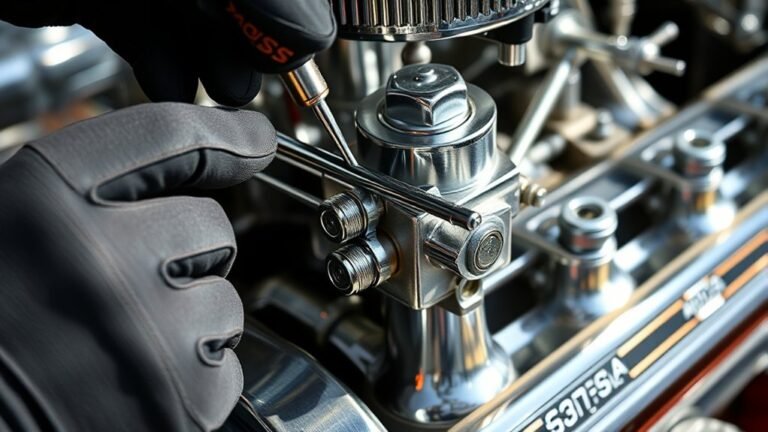
– To drain coolant properly, first ensure the engine is completely cooled down. Always wear gloves and safety goggles to protect yourself. Warm the engine briefly to help loosen the coolant inside.
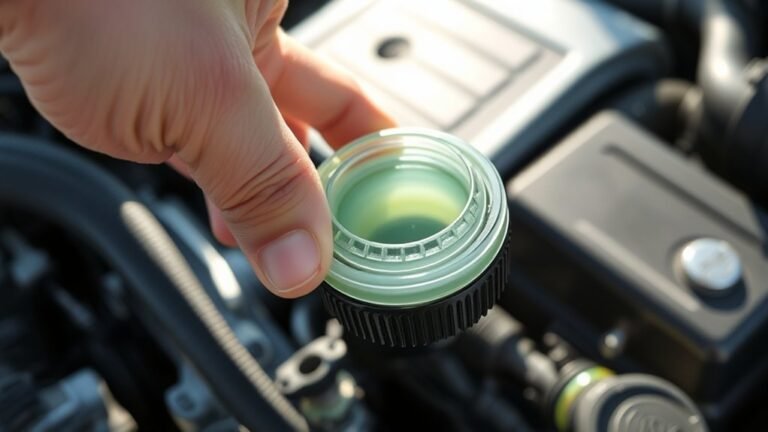
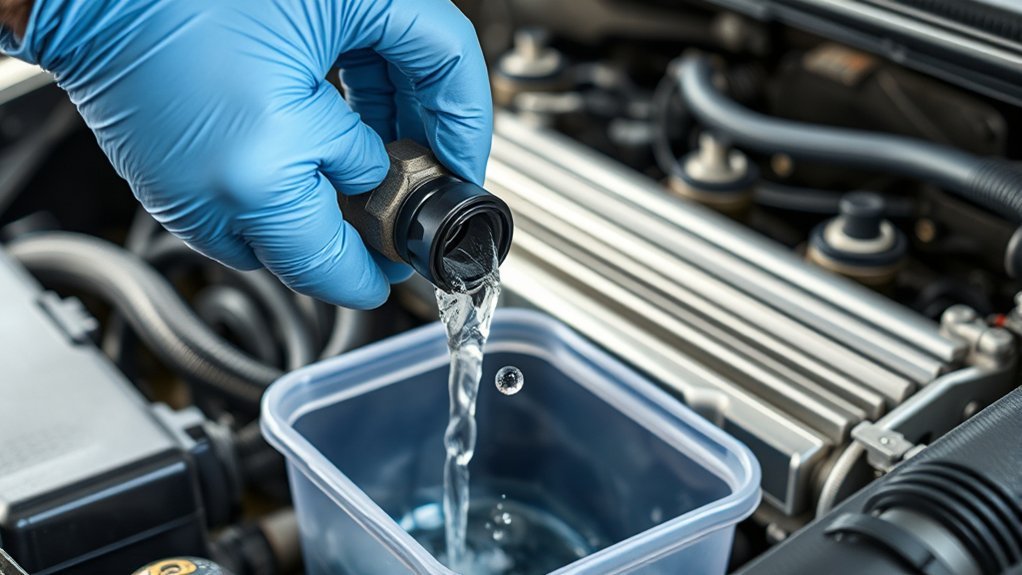
Then, open the radiator cap slowly to release any built-up pressure. Place a drain pan under the radiator’s drain plug, open the plug carefully, and allow the coolant to flow out fully.
Don’t forget to drain the engine block if your vehicle has one. After draining, securely close all plugs and be sure to dispose of the old coolant responsibly. Following these steps will help maintain your cooling system’s efficiency and prevent common issues.
Tools and Materials Needed to Drain Coolant
Before you get started, make sure you have all the necessary tools and materials laid out. Essential tools and materials include a drain pan to catch the coolant, a wrench or socket set to open the drain plug, and gloves to protect your hands.
You’ll also need safety goggles to shield your eyes from splashes and rags for cleanup. Have fresh coolant ready for refilling after draining. Additionally, a funnel ensures precise pouring without spills.
Observing safety precautions is critical: always work on a cooled engine to avoid burns, and wear protective gear to prevent skin and eye contact with toxic fluids. Proper preparation with these tools and materials ensures an efficient and safe coolant draining process, minimizing risks and potential damage.
How to Safely Prepare Your Vehicle to Drain Coolant
How exactly do you ensure your vehicle is ready for coolant draining? Proper preparation is critical to avoid injury and maintain system integrity. Begin by engaging in idle maintenance: run the engine at idle for several minutes to warm the coolant, which enhances drainage efficiency. Then, follow these steps:
- Park the vehicle on a level surface and engage the parking brake for stability.
- Allow the engine to cool completely to prevent burns and pressure-related hazards.
- Open the radiator cap slowly to release residual pressure, reducing the risk of coolant spray.
These measures reduce the risk of accidents and facilitate rust prevention by ensuring all components are properly drained and exposed. This methodical approach sets the foundation for a safe, effective coolant draining process.
How to Drain Your Coolant Step by Step
Where do you start when it’s time to drain your vehicle’s coolant? First, ensure the engine is cool to avoid burns. Locate the radiator drain plug, usually at the bottom of the radiator.
Position a suitable container underneath for coolant disposal. Open the radiator cap to release pressure. Next, open the drain plug carefully, allowing coolant to flow out completely.
Don’t forget to drain the engine block if your vehicle has a separate drain plug there, as this step is crucial for thorough engine maintenance. After draining, close the plugs securely.
Inspect hoses and clamps for wear during this process. Properly draining your coolant ensures efficient engine maintenance and prepares your vehicle for fresh coolant.
Always handle coolant responsibly to prevent contamination, keeping coolant disposal safe and compliant.
Properly Disposing of Old Coolant
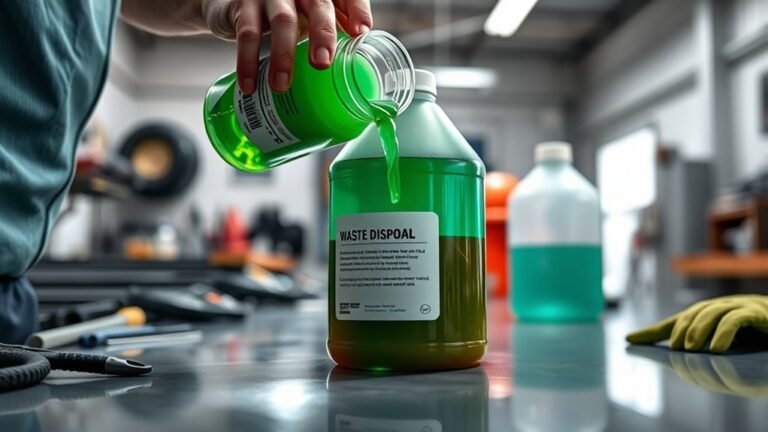
You need to recognize that old coolant contains toxic substances harmful to the environment and must never be poured down drains or onto soil.
Check your local regulations to determine approved disposal methods, as guidelines vary by area. Proper disposal often involves taking the coolant to designated recycling centers or hazardous waste facilities.
Environmental Hazards Awareness
Because old coolant contains toxic substances like ethylene glycol and heavy metals, disposing of it improperly can cause significant environmental damage. You need to be fully aware of the environmental hazards tied to coolant disposal. Incorrect handling can contaminate soil, groundwater, and harm wildlife.
To minimize these risks, follow these guidelines:
- Store used coolant in clearly labeled, sealed containers to prevent leaks and spills.
- Never pour coolant down drains, onto the ground, or into water bodies.
- Take old coolant to authorized recycling centers or hazardous waste facilities for proper treatment.
Local Disposal Regulations
How should old coolant be disposed of to comply with local regulations? First, you need to identify the specific disposal compliance requirements in your area, as they vary widely.
Typically, old coolant is classified as hazardous waste due to its toxic additives, so you can’t simply pour it down drains or on the ground. You must collect the used coolant in a sealed, labeled container and transport it to an authorized recycling or disposal facility.
Check with local environmental agencies or waste management services to confirm approved disposal methods. Maintaining documentation of proper disposal helps demonstrate compliance and avoid penalties.
Symptoms Indicating You Should Drain Coolant More Often
If your engine frequently overheats, it’s a clear sign that your coolant may no longer be effective and needs more frequent draining.
You should also inspect the coolant’s color; discoloration or cloudiness indicates contamination or degradation. Addressing these symptoms promptly helps maintain your engine’s ideal temperature regulation.
Overheating Engine Warning
When should you consider draining your coolant more frequently? An overheating warning is a critical signal that your engine’s cooling system isn’t functioning optimally. Ignoring this can cause severe engine damage.
Proper coolant maintenance ensures heat is efficiently transferred away from the engine.
Pay attention to these symptoms indicating the need for more frequent coolant draining:
- Rapid temperature gauge rise during operation, even under normal conditions
- Frequent activation of the engine cooling fan without apparent cause
- Noticeable steam or boiling smell coming from the engine area
These signs suggest the coolant may have degraded or become contaminated, reducing its heat transfer efficiency. Draining and replacing the coolant promptly restores optimal cooling system performance and prevents engine overheating issues.
Discolored Coolant Appearance
Discolored coolant often signals contamination or chemical breakdown, indicating it’s time to drain and replace it. When inspecting the coolant appearance, look for changes from its original color, whether it’s cloudy, rusty, or has sediment buildup.
These alterations usually mean corrosion, oxidation, or mixing with incompatible fluids. Such degradation reduces the coolant’s effectiveness in heat transfer and corrosion prevention.
If you notice dark brown, green with rust particles, or oily slicks, immediate draining is necessary. Regularly monitoring coolant appearance helps prevent engine damage by maintaining optimal thermal regulation and system integrity.
Don’t overlook subtle shifts in color, as they can precede mechanical issues. Address discolored coolant promptly to ensure your cooling system operates efficiently and prolongs engine life.
Troubleshooting Common Coolant Drain Issues
A common challenge during coolant draining is encountering blockages or slow flow caused by clogged drain plugs or sediment buildup. To guarantee effective overheating prevention and proper radiator maintenance, you’ll need to methodically address these issues.
Start by inspecting the drain plug for corrosion or debris that might obstruct flow. Use a wire brush or compressed air to clear sediment from the drain opening. Check the radiator petcock valve to confirm it opens fully without resistance.
If you notice persistent slow drainage, flushing the radiator system before draining can help remove internal buildup. Always wear protective gloves and ensure the engine is cool to avoid injury.
Addressing these common issues systematically will guarantee efficient coolant removal and maintain your cooling system’s integrity.
Frequently Asked Questions
Can I Use Any Type of Coolant for My Vehicle?
You shouldn’t use just any coolant; incompatible coolants can cause corrosion and damage. Always check your vehicle’s specifications to avoid warranty implications.
Using the recommended coolant guarantees compatibility and protects your engine’s longevity and performance.
How Often Should I Flush the Entire Cooling System?
You should follow the manufacturer’s recommended flush interval, typically every 2 to 5 years. Proper coolant compatibility and bleeding air during flushing are essential to maintain system performance and prevent overheating or corrosion.
What Are the Risks of Mixing Different Coolant Types?
Don’t put all your eggs in one basket. Mixing incompatibilities in coolant chemistry can cause corrosion, sludge buildup, and reduced heat transfer.
You’ll risk damaging your engine’s cooling system and voiding warranties if you mix different coolant types.
Can Draining Coolant Improve My Engine’s Performance?
Draining coolant alone won’t boost engine performance, but using the correct drain technique guarantees old coolant is fully removed, preventing contamination.
Proper coolant disposal avoids environmental harm and prepares your engine for optimal cooling efficiency.
Is It Necessary to Bleed Air From the Cooling System?
You’ll want to perform the bleed procedure to gently usher out any hidden air pockets. Skipping this step risks overheating and inefficient cooling, so methodically removing trapped air guarantees your system runs smoothly and reliably.