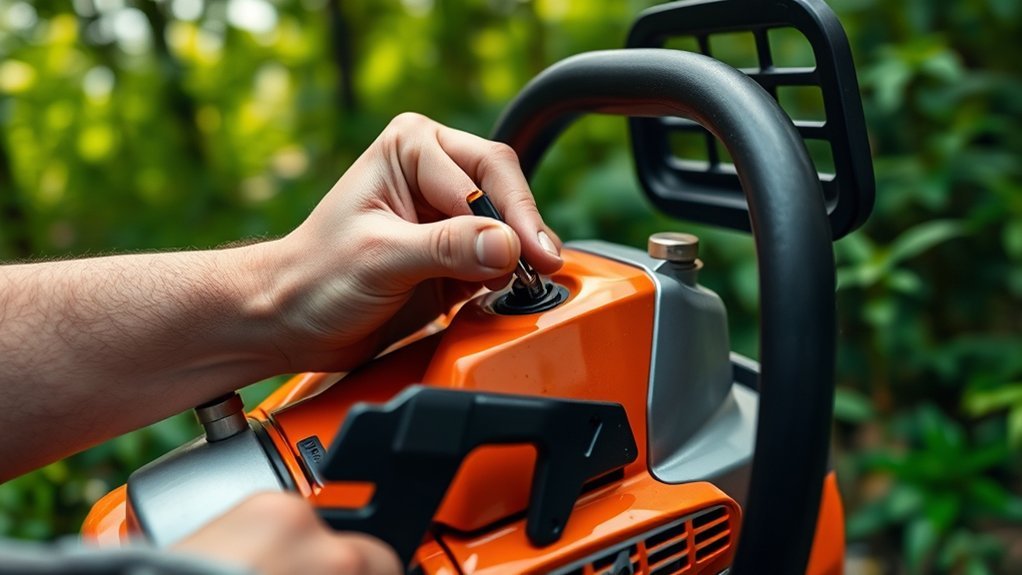
How to Adjust a Husqvarna Chainsaw Carburetor
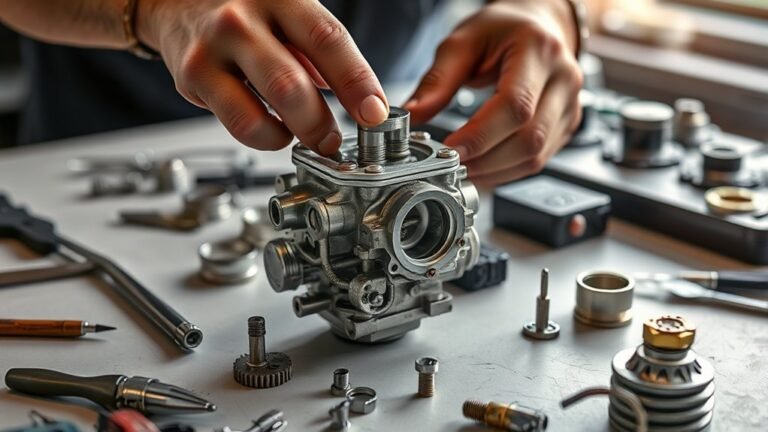
To adjust a Husqvarna chainsaw carburetor, first locate the carburetor between the air filter and engine by removing the air filter cover.
Use a flathead screwdriver to note the initial positions of the adjustment screws.
Next, start the engine and allow it to warm up before making any changes.
Begin by making small adjustments to the idle speed screw. Then, adjust the low-speed (L) and high-speed (H) mixture screws for smooth idling and optimal responsiveness.
If issues persist after these steps, more detailed tuning and professional guidance may be necessary to achieve the best performance.
Signs Your Husqvarna Carburetor Needs Adjustment
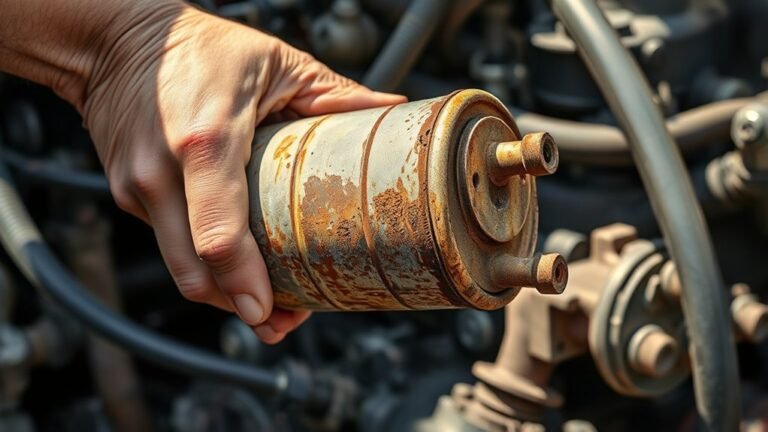
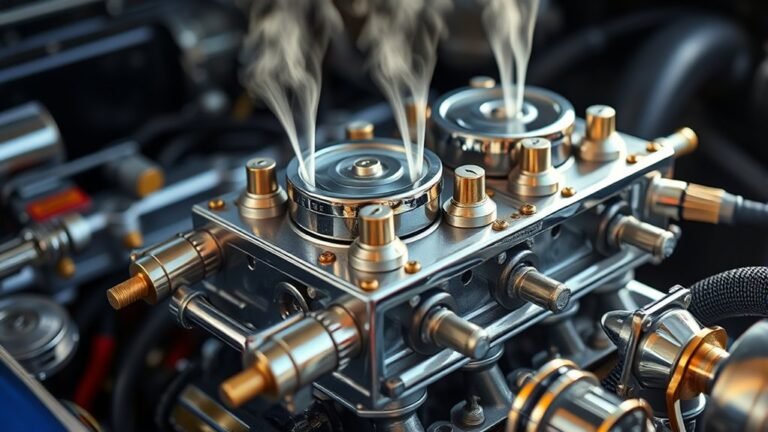
How can you tell when your Husqvarna chainsaw’s carburetor needs adjustment? Key indicators include difficulty starting, uneven idling, excessive smoke, or poor acceleration. If your chainsaw stalls when idling or revving, that’s a clear sign.
Avoid getting distracted by non relevant ideas like fuel quality or spark plug condition here. You’re focusing strictly on carburetor performance. Don’t confuse unrelated topics such as chain tension or air filter cleanliness with carburetor symptoms.
Precise observation is crucial: lean mixtures cause sputtering, while rich mixtures produce black smoke and sluggish response. Adjusting the carburetor ensures optimal fuel-air mixture, maintaining engine efficiency and prolonging component life.
Recognizing these signs early prevents further mechanical issues and unsafe operation.
Tools Needed to Adjust Your Husqvarna Carburetor
What tools do you need to accurately adjust your Husqvarna chainsaw carburetor? Primarily, you’ll require a flathead screwdriver or a special carburetor adjustment tool designed for Husqvarna models. These allow precise turning of the high-speed, low-speed, and idle screws.
Additionally, having a tachometer helps measure engine RPM to fine-tune performance. Needle-nose pliers may assist with throttle linkage adjustments.
Avoid distractions from unrelated topics or random subjects during this process to maintain focus and safety. Keep a clean workspace and wear gloves for protection.
A small flashlight can also be helpful to clearly see the carburetor screws. By preparing these tools, you’ll ensure a practical, efficient carburetor adjustment, preventing guesswork and improper tuning.
Finding the Carburetor on Your Husqvarna Chainsaw
You’ll find the carburetor mounted between the air filter and the engine on your Husqvarna chainsaw. Key components to identify include the adjustment screws and throttle linkage.
To access this area, remove the air filter cover and any protective casing carefully.
Locating The Carburetor
Where exactly is the carburetor located on your Husqvarna chainsaw? Contrary to some carburetor myths and tuning myths, it’s not hidden deep inside the engine but positioned for easy access. You’ll find it tucked between the air filter and the engine block.
This location allows you to reach it without fully disassembling the saw.
To locate the carburetor:
Remove the air filter cover and air filter.
Look for the small metal component connected to the throttle linkage.
Identify the fuel lines running into the carburetor body.
Note the choke lever or mechanism nearby.
Understanding this placement helps avoid unnecessary disassembly and dispels common myths that tuning requires complicated access.
Identifying Key Components
How can you quickly pinpoint the essential parts of your Husqvarna chainsaw’s carburetor? Focus on the carburetor body and its main adjustment screws. Avoid getting distracted by unrelated topic details or off topic discussion about other chainsaw components.
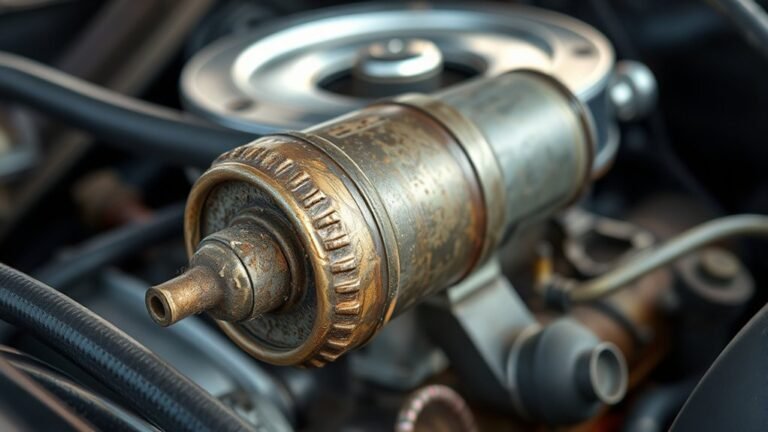
The carburetor typically includes the fuel inlet, throttle lever, and adjustment screws for idle and mixture. Understanding these helps you make precise tweaks.
| Component | Function | Location on Carburetor |
|---|---|---|
| Fuel Inlet | Supplies fuel | Side of carburetor body |
| Throttle Lever | Controls throttle valve | Connected to throttle cable |
| Idle Adjustment | Adjusts idle speed | Small screw near throttle |
| Mixture Adjustment | Controls fuel-air mix | Screw near fuel inlet |
Recognizing these parts prevents confusion during tuning.
Accessing The Carburetor Area
After identifying the key components of your Husqvarna chainsaw’s carburetor, the next step is locating the carburetor itself. It’s typically nestled beneath the air filter cover, near the engine’s intake manifold. Avoid off topic ideas or irrelevant topics when searching, as focus is critical for effective access.
To access the carburetor area, follow these steps:
- Remove the top cover by unscrewing the bolts securing the air filter.
- Carefully lift the air filter out to expose the carburetor.
- Identify the carburetor as the component connecting the fuel line and throttle linkage.
- Clear any debris around the area to ensure unobstructed access.
This approach ensures you reach the carburetor efficiently without distraction from irrelevant topics.
How to Adjust the Idle Speed on Your Husqvarna Chainsaw
Why is adjusting the idle speed essential for your Husqvarna chainsaw? Proper idle speed ensures the engine runs smoothly at rest without stalling or over-revving. It directly affects fuel pump operation and overall performance.
To adjust, first locate the idle speed screw near the carburetor. Start the chainsaw and let it warm up for a few minutes. Turn the idle speed screw clockwise to increase RPM or counterclockwise to decrease it.
Your goal is to achieve a stable idle where the chain doesn’t move but the engine doesn’t stall. If the chain moves at idle, reduce the speed; if it stalls, increase it slightly.
Proper idle speed maintains fuel pump efficiency and prevents engine flooding or excessive wear, ensuring safe and reliable operation.
Fine-Tuning the Low-Speed and High-Speed Fuel Mixture
Once you’ve set the idle speed correctly, the next step is to fine-tune the low-speed and high-speed fuel mixtures for optimal engine performance. Modern Husqvarna chainsaws utilize new tech in their engine design, requiring precise adjustments to both mixture screws.
Start with the low-speed (L) screw, which controls fuel at idle and light throttle. Slowly turn it clockwise to lean the mixture or counterclockwise to enrich it until the engine runs smoothly without stalling. Then, adjust the high-speed (H) screw for full throttle performance. Make small turns while revving the saw, aiming for maximum RPM without sputtering or overheating.
Use a tachometer for precise RPM measurement. Ensure adjustments are made incrementally. Let the engine warm up before tuning. Avoid over-tightening screws, which can damage components.
Testing Your Husqvarna Chainsaw After Carburetor Adjustment
Several key tests will confirm whether your Husqvarna chainsaw’s carburetor adjustments have been successful. Start by warming up the saw, then observe if the engine idles smoothly without stalling or surging.
Next, test throttle response. When you twist the throttle, the engine should accelerate promptly without hesitation. Check for consistent power under load by cutting through wood; uneven cutting may indicate further tuning is needed.
Avoid distractions by steering clear of unrelated topic discussions or stranger topics during testing, as these can divert your focus and lead to oversight. Finally, listen for abnormal noises or excessive smoke, which signal improper fuel mixture.
With these steps, you ensure your chainsaw runs efficiently and reliably, reflecting precise carburetor calibration.
Avoid These Common Husqvarna Carburetor Adjustment Mistakes
When adjusting your Husqvarna carburetor, don’t turn the screws in the wrong direction, as it can damage the engine’s performance. Always ensure the engine is fully warmed up before making adjustments to get accurate results.
Skipping these steps can lead to inefficient tuning and potential engine issues.
Incorrect Screw Turning
How exactly should you turn the adjustment screws on your Husqvarna chainsaw carburetor? Avoid random thought or irrelevant topic distractions. Screw turning must be deliberate and precise. Incorrect turning can lead to poor engine performance or damage.
Keep these points in mind:
- Turn screws slowly and in small increments, usually 1/8th turn or less.
- Always note the initial screw position to revert if needed.
- Avoid forcing screws beyond their natural stop to prevent stripping.
- Use the correct screwdriver size for firm, controlled adjustments.
Ignoring Engine Warm-Up
Why rush into carburetor adjustments before the engine warms up? The engine’s ignition timing and piston lubrication change as it reaches operating temperature, affecting performance. Adjusting the carburetor on a cold engine leads to inaccurate settings, causing poor idling, hesitation, or stalling once warm.
When cold, the piston rings aren’t fully seated, and lubrication is minimal, skewing the air-fuel mixture requirements. Always allow the chainsaw to run for several minutes to stabilize ignition timing and ensure proper piston lubrication.
This ensures your adjustments reflect real operating conditions, improving fuel efficiency and engine response. Ignoring this step wastes time and risks engine damage. Patience here guarantees precise carburetor tuning and optimal chainsaw performance.
When It’s Time to Call a Pro for Carburetor Problems
Wondering if your Husqvarna chainsaw’s carburetor issues require professional help? It’s easy to get lost in discussion ideas or drift into unrelated topics when troubleshooting, but knowing when to call a pro saves time and prevents damage.
You should seek expert service if:
- The chainsaw won’t idle or start despite proper adjustments.
- Fuel leaks or persistent flooding occur after cleaning.
- There’s noticeable engine hesitation or stalling under load.
- Internal carburetor parts need replacement or precise calibration beyond basic adjustments.
Complex problems often involve calibrated jets, diaphragms, or needle valves that require specialized tools and experience. Don’t risk worsening the issue by guessing; a certified technician can ensure your carburetor operates safely and efficiently, maintaining peak performance and extending your chainsaw’s lifespan.
Frequently Asked Questions
How Often Should I Clean the Carburetor of My Husqvarna Chainsaw?
You should clean your Husqvarna chainsaw carburetor every 25 hours or if you notice increased engine vibration. Using clean fuel helps prevent buildup, ensuring smooth operation and prolonging engine life by maintaining optimal carburetor function.
Can Using the Wrong Fuel Damage My Husqvarna Carburetor?
Yes, using the wrong fuel can cause carburetor damage by clogging jets, causing poor combustion, and leaving residues. Always use the recommended fuel mix to maintain proper engine performance and avoid costly carburetor repairs.
What Type of Fuel Mixture Is Best for Husqvarna Chainsaws?
Coincidentally, like balancing two-word ideas in unrelated topics, your Husqvarna chainsaw thrives on a 50:1 fuel mixture: fresh unleaded gasoline blended with quality two-stroke oil. This precise ratio ensures optimal performance and engine longevity.
How Do I Know if My Carburetor Needs a Full Rebuild?
You’ll know your carburetor needs a full rebuild if the saw won’t idle, stalls frequently, or has inconsistent throttle response. Avoid off topic discussion or unrelated topic suggestions. Focus on these symptoms for accurate diagnosis and repair.
Are There Any Safety Precautions When Working on a Chainsaw Carburetor?
You absolutely must follow strict safety protocol and PPE guidelines. Imagine dodging flying debris! Always wear gloves, eye protection, and work in a well-ventilated area.
Disconnect the spark plug to prevent accidental starts. Stay sharp!