Is Antifreeze and Coolant the Same Thing
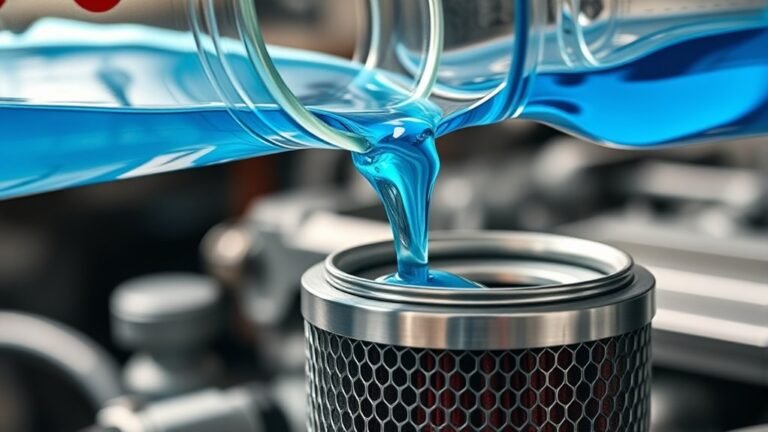
You might think antifreeze and coolant are the same, but they’re related, not identical. Antifreeze is a concentrated chemical—usually glycol-based—designed to lower freezing and raise boiling points. When you mix it with water and additives, it becomes coolant, ready to manage engine temperature and prevent corrosion.
It’s essential to use the right mixture and formulation for your vehicle. Understanding their differences ensures better engine care and longevity, with more useful details ahead.
What Are Antifreeze and Coolant Made Of?
What exactly makes up antifreeze and coolant? Both primarily consist of glycol-based compounds, usually ethylene glycol or propylene glycol, combined with water to regulate engine temperature. Additives like corrosion inhibitors, antifoaming agents, and dyes are standard components that protect engine parts and enhance performance.
When considering antifreeze ethics, manufacturers must ensure their formulations meet safety and environmental standards, minimizing toxicity while maximizing efficiency. Coolant branding often highlights these proprietary additive packages and base fluids, differentiating products in the market.
You’ll notice that despite similar base ingredients, the specific chemical balance and additive quality can vary significantly between brands. Understanding these precise formulations helps you select a product that aligns with your vehicle’s requirements and environmental considerations, ensuring optimal engine protection and longevity.
What Are the Key Differences Between Antifreeze and Coolant?
You’ll notice that antifreeze and coolant differ mainly in their composition and intended function. Antifreeze is a concentrated chemical mixture designed to lower the freezing point, while coolant is typically a diluted solution formulated to regulate engine temperature.
Understanding these distinctions helps you choose the right product for your vehicle’s cooling system.
Composition And Ingredients
How do antifreeze and coolant differ chemically? Antifreeze primarily consists of ethylene glycol or propylene glycol, which lowers the freezing point and raises the boiling point of the liquid. This is the core of antifreeze chemistry.
Coolant, on the other hand, is a pre-mixed solution combining antifreeze with water and corrosion inhibitors. The added water facilitates efficient heat transfer, while corrosion inhibitors extend coolant longevity by protecting engine components from rust and scale buildup.
While antifreeze is a concentrated chemical agent, coolant is a ready-to-use mixture designed for optimal thermal performance and system protection. Understanding this distinction helps you select the right product for your vehicle’s cooling system maintenance, ensuring both freeze protection and long-term durability.
Function And Usage
When maintaining your vehicle’s cooling system, understanding the distinct roles of antifreeze and coolant is essential. Antifreeze primarily serves to lower the freezing point and raise the boiling point of the liquid in the radiator, preventing engine damage in extreme temperatures.
Coolant, on the other hand, is a mixture of antifreeze and water, formulated to regulate engine temperature effectively. A feature comparison reveals that while antifreeze alone offers freeze and boil protection, coolant provides comprehensive thermal management and corrosion resistance.
Additionally, environmental concerns influence coolant formulations, with modern coolants designed to minimize ecological impact through biodegradable additives and reduced toxicity. Knowing these differences ensures you use the right fluid, maintaining engine efficiency and longevity without compromising environmental safety.
Can You Use Antifreeze and Coolant Interchangeably?
Can antifreeze and coolant be used interchangeably in your vehicle’s cooling system? Technically, antifreeze is a concentrated chemical, while coolant is the diluted mixture typically used in radiators.
You shouldn’t swap them without considering viscosity ratings. Antifreeze’s higher viscosity can affect flow rates and heat transfer if not properly diluted. Also, examining environmental impact is vital; some antifreeze formulations contain ethylene glycol, which is toxic, whereas coolants often have additives to reduce toxicity and improve biodegradability.
Using antifreeze undiluted risks damaging seals and increasing environmental hazards, while improper coolant types can impair engine performance. Always refer to your vehicle’s specifications and manufacturer recommendations to select the correct product and mixture ratio, ensuring optimal cooling efficiency and environmental safety.
How Do Antifreeze and Coolant Protect Your Engine?
You rely on antifreeze and coolant to maintain optimal engine temperature, preventing overheating and freezing in extreme conditions. They also contain additives that inhibit corrosion, protecting metal components from rust and degradation.
Understanding these dual functions is key to keeping your engine running efficiently and extending its lifespan.
Temperature Regulation Benefits
How exactly do antifreeze and coolant work together to keep your engine running smoothly? They regulate temperature by preventing freezing in cold conditions and overheating in heat. This dual function ensures optimal engine performance and longevity.
Understanding their roles can enhance reader engagement through clear color contrast in educational materials, improving comprehension.
| Function | Benefit |
|---|---|
| Low Freezing Point | Prevents engine block damage |
| High Boiling Point | Avoids overheating |
| Heat Transfer Efficiency | Maintains stable engine temp |
Corrosion Prevention Mechanisms
Beyond managing temperature extremes, antifreeze and coolant play a key role in protecting your engine from corrosion. They contain additives that inhibit rust and prevent the formation of scale inside the cooling system’s metal components, such as the radiator and engine block.
This corrosion prevention is crucial because it maintains optimal heat transfer and avoids damage that could compromise engine glow during operation. It’s important to dispel insulation myths. Antifreeze doesn’t act as an insulator but rather as a conductor of heat while protecting internal surfaces.
How to Choose the Right Antifreeze and Coolant for Your Vehicle
When selecting the right antifreeze and coolant for your vehicle, what factors should you prioritize to ensure optimal engine performance and longevity? First, check your vehicle manufacturer’s specifications to match coolant type and formulation.
Prioritize engine bay safety by choosing non-toxic, low-corrosive formulations. Proper coolant disposal is essential to prevent environmental harm. Consider freeze/boil protection levels and compatibility with your engine materials.
| Factor | Importance | Recommendation |
|---|---|---|
| Coolant Type | Compatibility | OEM specified type |
| Corrosion Inhibitors | Engine longevity | Long-life additives |
| Freeze/Boil Points | Climate suitability | Match local climate requirements |
| Toxicity | Engine bay safety | Non-toxic preferred |
| Disposal | Environmental impact | Follow local disposal regulations |
What Happens When You Mix Different Coolants?
Selecting the right coolant involves more than just matching specifications. It also means understanding the potential risks of mixing different formulations. When you combine coolants with incompatible chemistry, chemical reactions can occur, compromising antifreeze basics like corrosion inhibitors and freeze protection.
Mixing organic acid technology (OAT) coolants with traditional inorganic additive technology (IAT) can lead to the formation of gels or precipitates, which clog your cooling system. This reduces heat transfer efficiency and increases the risk of overheating or component failure. Additionally, incompatible blends may neutralize corrosion inhibitors, accelerating metal degradation inside the engine.
To maintain optimal performance and longevity, you should always consult your vehicle’s manual and use compatible coolant types rather than mixing different antifreeze formulas.
When and How to Change Your Antifreeze or Coolant
How do you know it’s time to change your antifreeze or coolant? Regular maintenance is key since both degrade over time, affecting your engine’s performance. Ignoring this can lead to overheating or corrosion, despite common antifreeze myths suggesting otherwise.
Typically, you should change it every 2-5 years or as specified in your vehicle’s manual. Here’s how to tell if it’s time:
Change your antifreeze every 2-5 years or follow your vehicle’s manual for best results.
- Check the coolant color and clarity; rusty or murky fluid signals degradation.
- Monitor engine temperature; frequent overheating hints at failing coolant.
- Use a coolant tester to assess freezing and boiling points.
When changing, drain the old fluid completely, flush the system if recommended, and refill with the correct mixture. Avoid falling for coolant myths that recommend mixing types or skipping changes.
Common Antifreeze and Coolant Myths: Busted
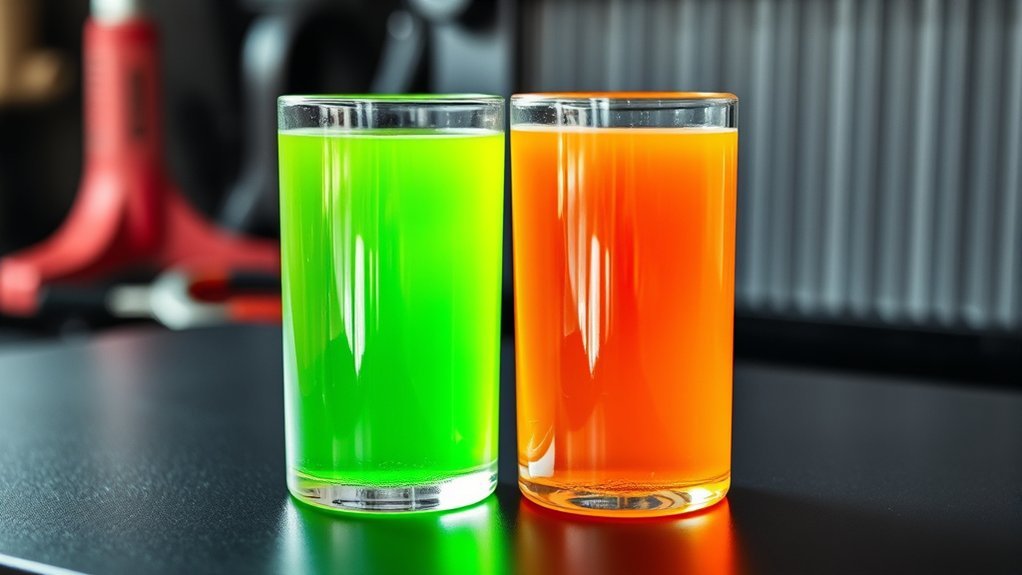
Why do so many misconceptions about antifreeze and coolant persist despite clear manufacturer guidelines? It’s often due to inadequate myth debunking. One common myth is that antifreeze and coolant are completely different fluids; in reality, antifreeze is a concentrated chemical that becomes coolant once diluted with water.
Another myth is that you can mix any type of antifreeze without consequences. That’s false. Different formulations can cause chemical reactions, damaging your engine. Some believe coolant only prevents freezing, but it also raises boiling points and protects against corrosion.
Lastly, many think coolant needs changing only when the color fades; however, color alone isn’t a reliable indicator of performance degradation. Understanding these common myths helps you maintain your vehicle’s cooling system more effectively and avoid costly repairs.
Frequently Asked Questions
Can Antifreeze or Coolant Be Harmful if Ingested by Pets?
Yes, antifreeze flavors and coolant additives can be extremely toxic if ingested by pets. You shouldn’t let them lick spills because even small amounts cause severe kidney damage or worse.
Always store these substances safely away.
How Should Antifreeze or Coolant Be Stored Safely at Home?
Picture a locked, high cabinet away from children and pets. That’s essential for storage safety in households. Use sealed containers, avoid spills, and follow environmental disposal practices by taking antifreeze or coolant to hazardous waste centers promptly.
Do Antifreeze and Coolant Expire or Lose Effectiveness Over Time?
Yes, both antifreeze longevity and coolant degradation occur over time. You’ll find their protective additives break down, reducing effectiveness.
Typically, you should replace them every 2-5 years to maintain optimal engine protection and prevent corrosion.
Are There Eco-Friendly or Biodegradable Antifreeze and Coolant Options?
You’d think the earth’s survival depends on it! Yes, you can find eco-friendly options with biodegradable formulations that reduce toxicity and environmental impact.
These options offer effective engine protection while aligning with sustainable practices and regulatory standards.
Can Antifreeze or Coolant Cause Damage to Other Vehicle Parts Besides the Engine?
Yes, antifreeze or coolant leaks can cause oil leaks by contaminating seals and gaskets, and may indirectly affect tire pressure if engine overheating leads to compromised components. You should monitor both regularly to avoid damage.