How to Drive a Dual Clutch Transmission
To drive a dual clutch transmission smoothly, maintain steady throttle input to avoid abrupt clutch engagement and anticipate gear changes since the system pre-selects the next gear. This anticipation helps ensure seamless shifting and better control.
Use brake control in stop-and-go traffic instead of throttle to prevent heat buildup and clutch wear. This technique helps extend the lifespan of your transmission components.
Regularly check transmission fluid levels and condition, and ensure the drivetrain is properly aligned to minimize wear. Mastering these details optimizes shift timing and prolongs clutch life.
For deeper insights, explore advanced techniques and maintenance tips to get the most out of your dual clutch transmission.
Getting Started: How to Prepare Your Car Before Driving a DCT
Before you start driving a dual clutch transmission (DCT) vehicle, how should you properly prepare the car to ensure smooth operation? First, confirm that the drivetrain alignment is correctly calibrated; misalignment can cause uneven load distribution, leading to premature clutch wear.
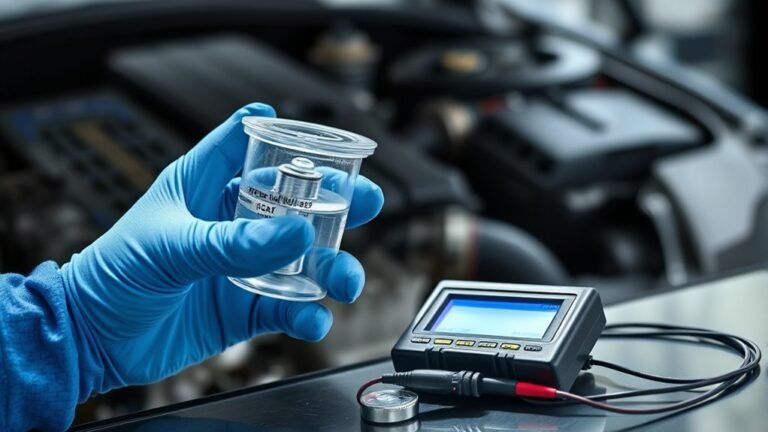
Check the vehicle’s service records to ensure the clutch packs have been inspected or replaced as needed, since worn clutches impair gear engagement quality. Before ignition, ensure the transmission fluid is at the recommended level and meets manufacturer specifications, as improper lubrication affects clutch responsiveness.
Engage the parking brake and verify the vehicle is in neutral or park to prevent unintended movement. Taking these precise preparatory steps minimizes mechanical strain, preserves clutch integrity, and ensures the DCT system functions optimally from the outset.
How to Shift Gears Smoothly in a Dual Clutch Transmission
How exactly do you achieve seamless gear shifts in a dual clutch transmission (DCT)? Smooth switching gears relies on precise timing and control to minimize clutch wear and optimize performance. Follow these steps:
1. Maintain steady throttle input
Avoid abrupt changes during shifts to prevent unnecessary strain on clutches.
2. Anticipate gear changes
Use engine speed and road conditions to prepare the transmission for the next gear.
3. Engage shifts promptly
The DCT pre-selects the next gear, so execute shifts quickly to allow seamless clutch transitions.
4. Avoid excessive clutch slipping
Minimize partial engagement periods to reduce wear and maintain transmission longevity.
Manual vs. Automatic Mode: When to Use Each in a DCT
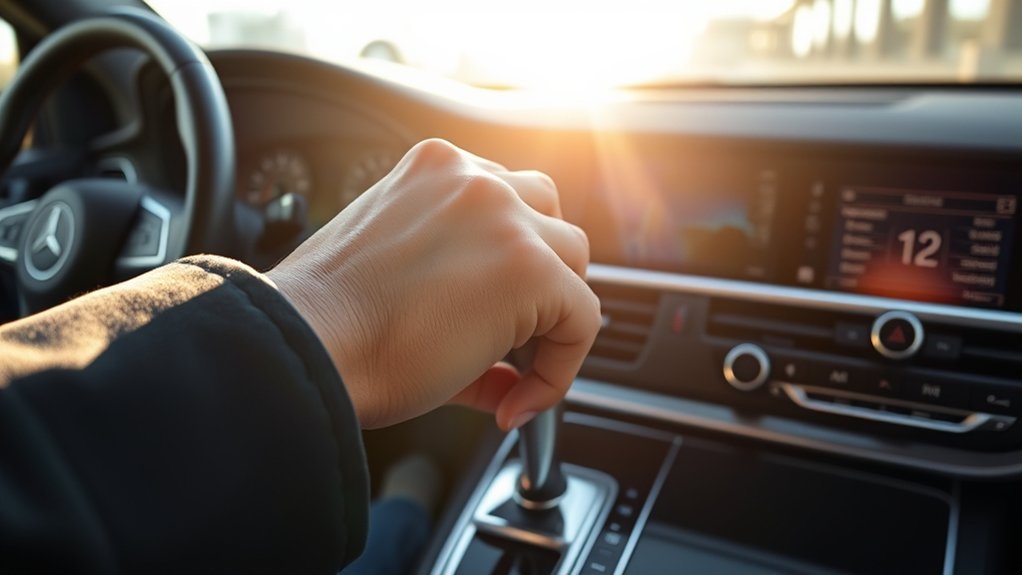
When driving a dual clutch transmission, you can switch between manual and automatic modes depending on your needs. Manual mode gives you precise control over gear selection for performance or engine braking.
Automatic mode optimizes shift timing for efficiency and smoothness in everyday driving. Understanding when to use each mode enhances both driving experience and transmission longevity.
Benefits of Manual Mode
Why might you choose manual mode over automatic in a dual clutch transmission (DCT)? The benefits comparison reveals several technical advantages when you take direct control of gear shifts. Manual mode allows:
- Precise control over shift points, optimizing engine performance based on your driving style.
- Reduced lag between gear changes, as you override automatic decision-making algorithms.
- Enhanced engine braking and better downhill control by manually selecting lower gears.
- Improved fuel efficiency in certain scenarios by preventing unnecessary upshifts or downshifts.
Advantages of Automatic Mode
While manual mode grants you detailed control over gear selection, automatic mode offers distinct advantages that capitalize on the dual clutch transmission’s advanced engineering. When you engage automatic mode, the system optimizes shift timing and clutch engagement, reducing wear and promoting easy maintenance by minimizing mechanical stress.
This mode continuously adapts to driving conditions, enhancing fuel efficiency through precise gear changes that avoid unnecessary revving or lugging. You benefit from seamless shifts without intervention, allowing you to focus on driving rather than gear management.
Additionally, automatic mode’s algorithms manage torque delivery effectively, resulting in smoother acceleration and improved drivability in stop-and-go traffic. Ultimately, automatic mode leverages the DCT’s capability to deliver a balanced combination of performance, longevity, and fuel economy with minimal user input.
How a Dual Clutch Transmission Works
How exactly does a dual clutch transmission (DCT) manage to shift gears so quickly and smoothly? The secret lies in its unique architecture and control systems. Here’s how it works:
- Two separate clutches operate independently, one handling odd gears and the other even gears, allowing pre-selection of the next gear.
- During a shift, one clutch disengages while the other engages seamlessly, minimizing power interruption.
- Precise clutch calibration is essential to synchronize these actions, ensuring smooth gear transitions without jerks.
- Regular DCT maintenance, including clutch inspection and software updates, keeps the system operating during the transition and prevents premature wear.
Driving a DCT in Stop-and-Go Traffic: Tips and Tricks
Traversing stop-and-go traffic in a dual clutch transmission (DCT) vehicle requires a nuanced understanding of its clutch engagement and gear selection mechanisms. To maintain smoothness, modulate the throttle gently to prevent abrupt clutch engagement, which can cause jerks.
Use the brake to manage speed meticulously, allowing the DCT’s engine braking feature to assist in controlling deceleration without unnecessary clutch wear. Avoid holding the vehicle stationary using the throttle; instead, rely on the brake to prevent heat buildup in the clutches.
Stability control systems integrate with the DCT to optimize traction during frequent stops and starts, so trust these systems to enhance vehicle stability. Additionally, anticipate traffic flow changes to minimize rapid gear shifts, preserving transmission longevity while ensuring responsive control in congested conditions.
Common Mistakes to Avoid When Driving a Dual Clutch Transmission
Mastering stop-and-go traffic techniques helps protect your dual clutch transmission (DCT), but there are several common mistakes that can undermine your vehicle’s performance and longevity. Avoid these pitfalls:
- Poor driving posture: Slouching or inconsistent foot placement can delay clutch engagement, causing unnecessary wear.
- Riding the clutch: Resting your foot on the pedal increases friction and heat, reducing component lifespan.
- Ignoring fuel efficiency cues: Aggressive acceleration and abrupt gear changes waste fuel and strain the DCT.
- Neglecting smooth throttle input: Jerky throttle application disrupts hydraulic pressure balance, leading to rough shifts.
How to Keep Your Dual Clutch Transmission Running Smoothly
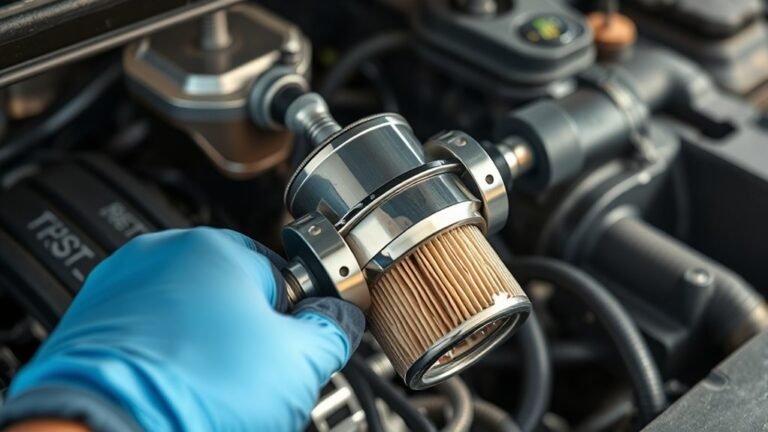
To keep your dual clutch transmission operating efficiently, you need to follow a strict schedule for fluid changes, using manufacturer-recommended lubricants to prevent wear and overheating.
Regularly monitor transmission performance for any irregular shifts or noises, as these can indicate early signs of mechanical issues. Staying proactive with maintenance ensures optimal clutch engagement and extends the lifespan of your transmission components.
Regular Fluid Maintenance
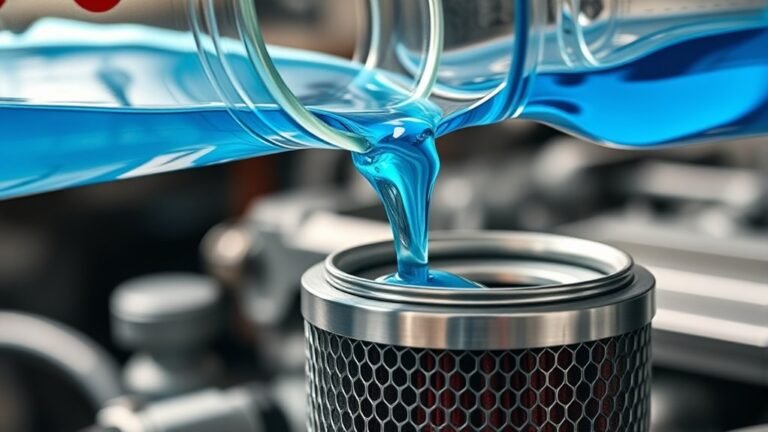
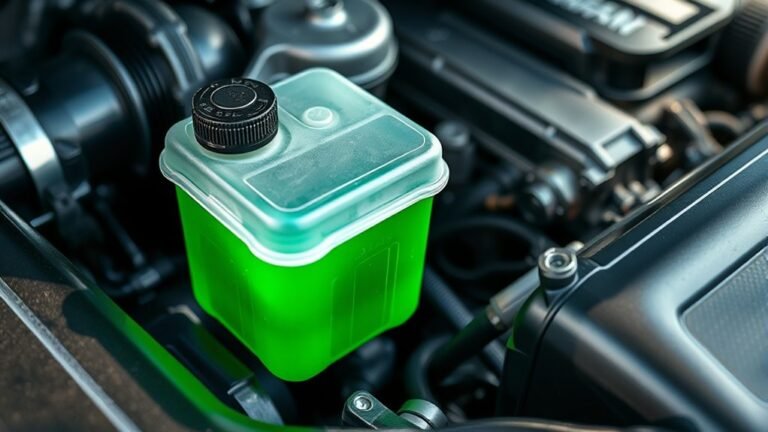
Why is regular fluid maintenance essential for your dual clutch transmission? Proper fluid care ensures optimal hydraulic pressure, temperature regulation, and clutch engagement, directly impacting performance and longevity. Neglect can lead to increased wear, reduced fuel economy, and elevated insurance costs due to premature failures.
To maintain your transmission effectively:
- Check fluid levels and quality at manufacturer-recommended intervals.
- Use only specified dual clutch transmission fluid to avoid chemical incompatibility.
- Replace fluid based on mileage or time, even if no symptoms appear.
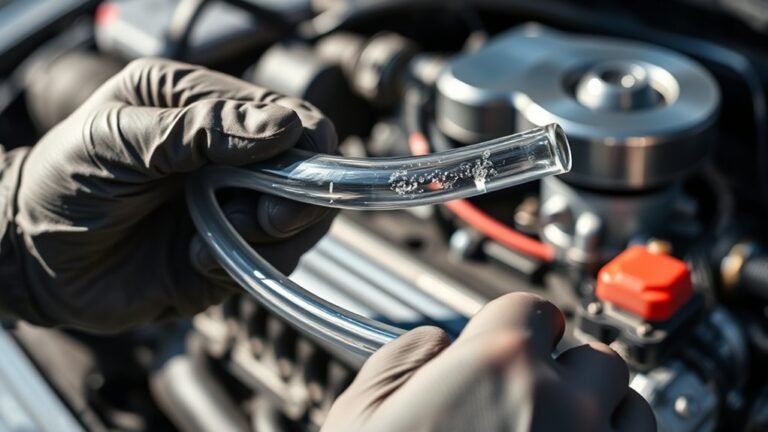
- Inspect for leaks and address them promptly to prevent contamination.
Staying vigilant with fluid maintenance protects your transmission’s complex components, ensuring smooth shifts and preventing costly repairs or insurance claims.
Monitor Transmission Performance
How can you tell if your dual clutch transmission is performing optimally? Start by monitoring key indicators like shift smoothness, response time, and abnormal noises. Any hesitation or jerking during gear changes may signal clutch wear or drivetrain compatibility issues.
Use diagnostic tools to check transmission control module data for error codes related to clutch actuation or sensor malfunctions. Regularly assess fluid condition and level, as degraded fluid affects clutch engagement and heat dissipation.
Pay close attention to clutch wear patterns; uneven wear can cause slipping or delayed shifts, undermining performance. Ensuring your drivetrain components are compatible reduces mechanical strain and prevents premature failure.
Tracking these technical parameters helps you maintain your dual clutch transmission’s efficiency and prevents costly repairs, keeping your vehicle running smoothly.
Troubleshooting Common Issues With Dual Clutch Transmissions
When you encounter issues with a dual clutch transmission (DCT), pinpointing the cause quickly is essential to prevent further damage. Start by reviewing your maintenance checklist to guarantee regular fluid changes and software updates are up to date.
Next, assess these common problems:
- Jerky Shifts Could indicate low transmission fluid or sensor faults; check fluid levels and error codes.
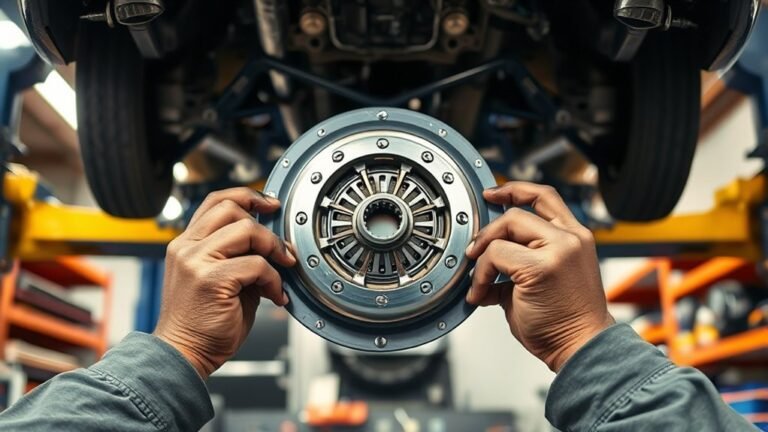
- Slipping Gears Often caused by clutch wear; inspect clutch packs and replace if necessary.
- Delayed Engagement May result from hydraulic system issues; test pressure and valve function.
- Poor Fuel Economy Improper shifting can reduce efficiency; follow fuel economy tips like smooth acceleration and timely gear changes.
Addressing these promptly keeps your DCT functioning at its best and extends its lifespan.
Frequently Asked Questions
Can I Tow a Trailer With a Dual Clutch Transmission?
Towing with a dual clutch transmission is like walking a tightrope. It’s possible but risky.
You’ll need meticulous tire maintenance and thorough engine warming to prevent overheating and clutch wear. This ensures your vehicle handles the extra trailer load safely.
How Does a DCT Affect Fuel Efficiency?
You’ll find that a DCT improves fuel efficiency by enabling faster, smoother gear shifts with minimal power loss.
Just remember, consistent transmission maintenance is vital to preserve these efficiency gains and prevent performance degradation.
Are DCTS More Expensive to Repair Than Traditional Automatics?
Yes, dual clutch transmissions often lead to more expensive repairs due to their complex clutch packs and electronic controls. You’ll face higher maintenance costs compared to traditional automatics, especially if specialized diagnostics or parts are required.
Can I Use Regular Transmission Fluid in a DCT?
Don’t mix apples and oranges; you shouldn’t use regular transmission fluid in a DCT. These two-word ideas, like “specialized lubricant,” are essential for efficient clutch operation.
They ensure precise hydraulic control and prevent premature wear or failure.
Do Dual Clutch Transmissions Work Well in All Weather Conditions?
Dual clutch transmissions work well in most weather, but you’ll need winter tires and careful tire pressure management for optimal grip and performance in cold, slippery conditions.
Proper maintenance ensures smooth shifting despite temperature changes.