How to Unclog Fuel Filter
To unclog your fuel filter, first relieve fuel system pressure and disconnect the negative battery terminal for safety. This step helps prevent fuel leaks and reduces the risk of fire.
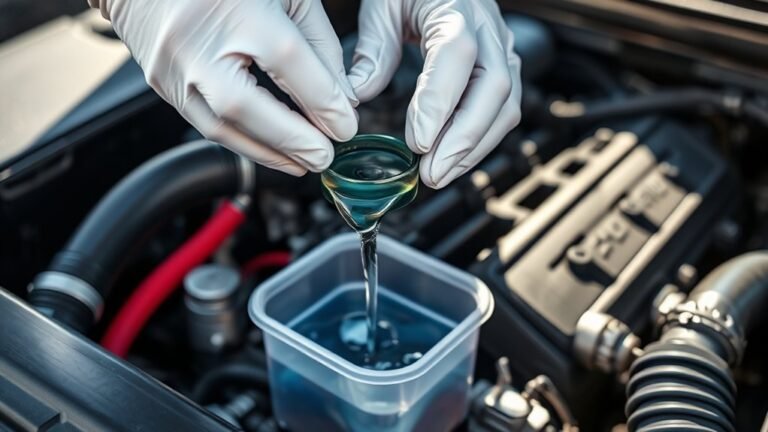
Next, remove the filter carefully, catching any spilled fuel to avoid mess and hazards. If the clogging is mild, clean the filter with a suitable solvent and brush. Then rinse and dry it completely before reinstalling.
Replace the filter if it’s heavily clogged or damaged beyond cleaning. When reinstalling, ensure the filter is secured properly and oriented correctly. Finally, verify fuel pressure after maintenance to restore optimal engine performance.
Keep following for detailed steps and maintenance tips.
Spotting a Clogged Fuel Filter Early
How can you tell if your fuel filter is clogged before it causes serious engine issues? First, monitor your engine’s performance closely. Common indicators include a noticeable drop in acceleration, engine misfires, or difficulty starting. These symptoms suggest restricted fuel flow.
Unlike an unrelated discussion on general engine maintenance, focus on fuel delivery specifics. You shouldn’t ignore warning signs like sputtering at high speeds or stalling during idling. These point directly to fuel filter obstruction.
Avoid relying on unused subtopic information that doesn’t address early detection. By recognizing these precise symptoms early, you can prevent further damage and maintain optimal engine efficiency. Staying vigilant saves you from costly repairs and downtime caused by a neglected clogged fuel filter.
Tools Needed for Fuel Filter Maintenance
What tools will you need to effectively maintain your fuel filter? First, a basic set of wrenches and screwdrivers is essential for accessing and removing the filter housing. You’ll also need a clean container to catch fuel during the process.
To inspect and clean the filter element, a set of fine brushes and compressed air can help remove debris without damaging the component. Understanding filtering chemistry is crucial when selecting cleaning solvents that dissolve contaminants without harming filter materials.
Additionally, knowledge of filtration methods lets you assess whether the filter requires replacement or can be restored. A fuel pressure gauge can also be useful to monitor system performance after maintenance. Having these tools ready ensures a precise and safe approach to fuel filter upkeep.
How to Safely Remove Your Fuel Filter
Before you begin removing the fuel filter, make sure you have all the necessary tools within reach, including wrenches, screwdrivers, and a container to catch any spilled fuel. First, relieve fuel system pressure by disconnecting the fuel pump fuse and running the engine until it stalls.
Second, disconnect the negative battery terminal to prevent sparks or shorts. This step avoids any unrelated topic like electrical hazards. Third, carefully loosen the fuel lines connected to the filter, catching any fuel in your container to prevent spills.
Avoid any off topic discussion about unrelated components or procedures. Focus strictly on removing the filter, ensuring you don’t damage fuel lines or connectors. With these steps, you’ll safely remove the fuel filter without risk or confusion.
When to Replace Instead of Clean Your Fuel Filter
If you notice severe clogging that cleaning can’t fix, it’s time to replace the fuel filter. Also, check the filter material for wear or damage, as compromised integrity reduces effectiveness.
You’ll ensure optimal fuel flow and engine performance by swapping out a worn or heavily clogged filter.
Signs of Severe Clogging
Anyone dealing with a clogged fuel filter needs to recognize when cleaning won’t suffice, and replacement is necessary. Severe clogging compromises the fuel system’s efficiency and can’t be remedied by simple clog prevention measures.
Here are clear signs signaling replacement:
- Consistent Engine Stalling: Persistent stalling indicates restricted fuel flow due to an extensively clogged filter.
- Reduced Fuel Pressure: A measurable drop in fuel pressure, confirmed with a gauge, points to severe blockage.
- Visible Contamination on Filter Surface: If debris saturation or discoloration is evident on the filter media, cleaning won’t restore proper function.
Ignoring these signs risks damaging fuel injectors and the engine itself. When these symptoms appear, replace the fuel filter promptly to maintain optimal fuel system performance and avoid costly repairs.
Filter Material Wear
Recognizing severe clogging is a key step, but it’s equally important to assess the condition of the filter material itself. Over time, the filter media undergoes irreversible wear due to constant exposure to contaminants and fuel flow pressure.
This wear compromises the structural integrity of the filter, reducing its filtration efficiency significantly. If you notice tearing, deformation, or thinning of the filter material during inspection, cleaning won’t restore its effectiveness.
Continuing to use a worn filter risks unfiltered particles entering the engine, leading to damage. Therefore, once irreversible wear is evident, replacing the fuel filter is the only practical solution.
Regular replacement according to manufacturer guidelines ensures optimal filtration efficiency and protects your engine from potential harm.
How to Clean a Clogged Fuel Filter Properly
Where should you begin when cleaning a clogged fuel filter? Start by ensuring the fuel system is depressurized to avoid spills and hazards. Proper cleaning maintains good fuel economy and prevents fuel system corrosion.
Begin cleaning a clogged fuel filter by depressurizing the fuel system to prevent spills and hazards.
Follow these steps:
- Remove the filter carefully from its housing, noting the flow direction.
- Use a specialized fuel filter cleaner or a solvent-soaked brush to dislodge debris without damaging the filter media.
- Rinse thoroughly with clean fuel or a compatible solvent, then allow it to dry completely before reinstalling.
Avoid using compressed air or harsh chemicals that can damage the filter’s porous material. Proper cleaning restores fuel flow, ensuring engine efficiency and longevity without risking corrosion or performance loss.
How to Reinstall Your Fuel Filter the Right Way
How exactly should you reinstall your fuel filter to ensure optimal performance and safety? First, confirm the filter’s orientation matches the fuel flow direction indicated by the arrow. Apply reliable lubrication to the O-rings or seals to prevent leaks and ease installation.
Secure the filter firmly into its housing or clips without over-tightening, which can damage components. Reconnect all fuel lines, checking for proper seating and tightness to avoid fuel leaks.
Once reinstalled, perform engine diagnostics to verify the fuel system’s integrity and confirm no fault codes indicate installation issues. This step ensures the filter functions correctly within your vehicle’s fuel delivery system. Following these precise measures keeps your engine running smoothly and prevents future fuel flow disruptions.
How to Test Your Fuel Filter After Maintenance
After reinstalling your fuel filter, you’ll want to check the fuel flow to guarantee it’s unobstructed and steady. Pay close attention to your engine’s performance. Any hesitation or rough idling could indicate an issue.
These steps help confirm that your maintenance was successful and your fuel system is operating correctly.
Checking Fuel Flow
Why is it important to check fuel flow once you’ve completed maintenance on your fuel filter? Ensuring proper fuel flow confirms the filter is unclogged and your engine receives the correct fuel volume. Skipping this step could lead to misdiagnosis by confusing it with an unrelated topic or random concept like electrical issues.
To accurately check fuel flow, follow these steps:
- Disconnect the fuel line downstream of the filter and direct it into a container.
- Turn the ignition on (without starting the engine) to activate the fuel pump and observe flow rate.
- Measure the fuel volume over a set time. Consult your vehicle’s manual for exact specifications.
This precise approach verifies filter functionality and prevents future fuel delivery problems.
Monitoring Engine Performance
When should you evaluate your engine’s performance to guarantee the fuel filter maintenance was effective? Immediately after completing the cleaning or replacement process, you should run the engine under various loads and monitor performance parameters.
Key indicators include smooth idling, consistent acceleration, and stable RPMs. Use diagnostic tools to check fuel pressure and look for any error codes related to fuel delivery.
This subtopic brainstorm highlights that assessing these factors ensures restored engine health and confirms the fuel filter is no longer restricting flow. If performance issues persist, recheck fuel flow and inspect for installation errors or additional blockages.
Regular monitoring after maintenance helps you maintain optimal engine efficiency and prevents future malfunctions related to clogged fuel filters.
Prevent Future Clogs With Regular Maintenance
Although a clogged fuel filter can cause immediate engine issues, regular maintenance is essential to prevent these problems from recurring. To protect your fuel system from fuel contamination and ensure optimal performance, follow these steps consistently:
Regular maintenance is key to preventing engine issues caused by clogged fuel filters and ensuring optimal fuel system performance.
- Schedule fuel filter replacements based on the manufacturer’s recommended intervals to avoid buildup.
- Use high-quality fuel from reputable sources to minimize contaminants entering the system.
- Inspect fuel lines and connections periodically for leaks or damage that could introduce dirt or moisture.
Frequently Asked Questions
What Type of Fuel Filter Is Best for My Vehicle Model?
You’ll want to find fuel filtration that matches your vehicle’s specifications. Check your manual to choose filter materials and micron ratings compatible with your engine, ensuring optimal flow and protection.
OEM or high-quality aftermarket filters work best.
Can a Clogged Fuel Filter Cause Engine Misfires?
Yes, a clogged fuel filter can cause engine misfire by restricting fuel flow, disrupting the air-fuel mixture. Monitoring your fuel filter lifespan helps prevent misfires and maintains optimal engine performance through consistent fuel delivery.
How Does Fuel Quality Affect Fuel Filter Lifespan?
Poor fuel quality introduces contaminants that clog your fuel filter faster, markedly reducing filter lifespan.
Using high-quality fuel minimizes debris buildup, ensuring optimal flow and extending the time before you need to replace the filter.
Are Fuel Filter Additives Effective in Preventing Clogs?
Fuel additives frequently facilitate fuel filter function by flushing foul contaminants, fostering clog prevention. While they’re not foolproof, using quality fuel additives consistently can substantially sustain system efficiency and slow sediment buildup in your fuel filter.
Can I Drive Safely With a Partially Clogged Fuel Filter?
You shouldn’t drive with a partially clogged fuel filter because it restricts fuel flow, causing engine performance issues and risking stalling.
For ideal driving safety, replace or clean the filter promptly to avoid potential hazards.