Can You Patch a Run Flat Tire
You can patch a run flat tire, but only if the damage is on the tread area and isn’t too severe. Sidewall punctures usually mean you have to replace the tire for safety. Repairs require removing the tire from the rim to inspect and use special patch kits designed for run flats.
Patching saves money upfront but isn’t always reliable. If you want to understand when to repair or replace and how pros handle these repairs, keep exploring the details ahead.
Key Takeaways
- Run flat tires can be patched only if damage is limited to the tread area, not the sidewalls.
- Sidewall punctures in run flat tires are generally unsafe to repair and usually require replacement.
- The tire must be removed from the rim for a thorough inside inspection before patching.
- Specialized run flat tire patch kits are necessary to maintain tire integrity during repair.
- If damage is extensive or multiple punctures exist, replacing the run flat tire is the safer option.
What Are Run Flat Tires and How Do They Work?
How do run flat tires keep you moving after a puncture? They rely on reinforced sidewalls designed to support your vehicle’s weight even when air pressure drops. This means you can continue driving safely for a limited distance, usually around 50 miles at reduced speeds, without immediately changing the tire.
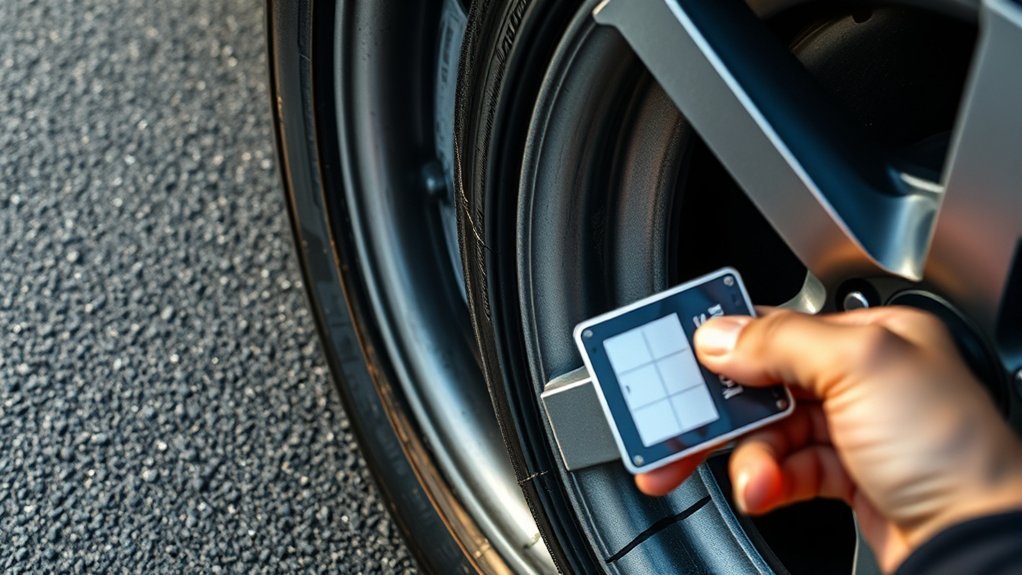
Run flat tires often pair with a tire pressure monitoring system (TPMS) to alert you when pressure is low. Unlike regular tires, they don’t rely solely on air pressure for structural support, so you won’t be stranded after a sudden puncture.
This design gives you the flexibility to reach a repair shop without risking further damage or unsafe driving conditions. Understanding this helps you appreciate their convenience and safety benefits.
Can You Safely Patch a Run Flat Tire?
Patching a run flat tire isn’t as straightforward as fixing a regular tire because of its reinforced sidewalls and unique structure. If you want to patch one, you need to be extra cautious. The damage must be limited to the tread area; sidewall punctures are usually unsafe to repair.
You should remove the tire from the rim to inspect the inside thoroughly. Use proper run flat tire patch kits designed to maintain the tire’s integrity and pressure-holding capabilities. After patching, have the tire professionally balanced and checked for any hidden damage.
Keep in mind, even a well-patched run flat tire may not perform exactly as it did before, so always monitor its condition closely after repair.
When Should You Skip Repairing a Run Flat Tire?
When should you decide against repairing a run flat tire? Skip repairs if the damage is on the sidewall, if the tire shows multiple punctures, or if the tread depth is below 2/32 inch. These conditions compromise safety and tire integrity.
Here’s a quick guide to help you decide:
| Condition | Reason to Skip Repair | Safety Concern |
|---|---|---|
| Sidewall Damage | Sidewalls can’t be safely patched | Risk of blowouts |
| Multiple Punctures | Weakens tire structure | Increased failure risk |
| Low Tread Depth | Insufficient grip and performance | Reduced traction |
If any of these apply to your run flat tire, replacing it is the safer choice. Don’t gamble with your safety!
Patching vs. Replacing Run Flat Tires: Costs & Risks
Why choose between patching and replacing your run flat tire? It boils down to costs and risks. Patching is usually cheaper upfront, saving you from spending on a new tire immediately.
Choosing between patching and replacing your run flat tire depends on balancing costs and potential risks.
However, not every run flat tire is a good candidate for repair. If the damage is on the sidewall or extensive, patching might not hold, risking your safety.
Replacing a run flat tire costs more but guarantees reliability and performance. You avoid potential blowouts or failures that can happen if a patch fails under pressure.
Ultimately, if you want peace of mind and long-term durability, replacing is often the safer investment despite the higher price tag. You must weigh immediate savings against potential dangers before deciding.
How Do Professionals Repair Run Flat Tires?
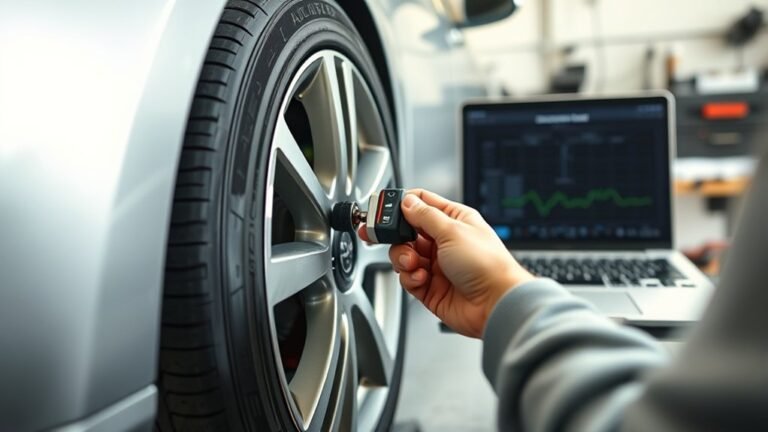
A skilled technician carefully inspects your run flat tire to determine if it can be safely repaired. They look for damage location, size, and severity because not all punctures are fixable. If the tire’s sidewall is damaged, they’ll likely recommend replacement.
For repairable punctures in the tread area, they remove the tire from the rim to inspect the internal structure. Professionals use specialized plugs combined with patches applied from inside the tire to ensure airtight sealing.
After repair, they balance the tire and check for leaks. This process restores your tire’s integrity while maintaining its run flat capability. You’ll want to trust experts with the right tools and knowledge for a safe, long-lasting fix.
How to Keep Your Run Flat Tires in Good Shape
Properly maintaining your run flat tires helps extend their lifespan and preserves their unique ability to keep you safe on the road. Regularly check your tire pressure, as run flats often run at higher pressures and can lose air without obvious signs.
Keep an eye out for uneven wear or damage, and rotate your tires as recommended by your vehicle’s manufacturer. Avoid aggressive driving, which can stress the sidewalls designed to support your car during a flat.
When replacing or repairing, always consult professionals experienced with run flats to ensure safety. Finally, don’t ignore warning lights or unusual vibrations. Address issues promptly to prevent further damage.
Taking these steps ensures your run flat tires perform reliably when you need them most.
Frequently Asked Questions
How Long Can You Drive on a Run Flat Tire After a Puncture?
You can usually drive about 50 miles at a reduced speed of 50 mph after a run flat tire puncture. Don’t push it too far. Get it inspected or replaced as soon as possible for safety.
Are Run Flat Tires Compatible With All Car Models?
No, run flat tires aren’t compatible with all car models. You’ll need a vehicle designed for them, usually with reinforced sidewalls and specific TPMS sensors.
Check your owner’s manual or consult a tire professional before buying.
Do Run Flat Tires Affect Fuel Efficiency?
Yes, run flat tires can slightly reduce your fuel efficiency because they typically weigh more and have higher rolling resistance.
You might notice a small drop in miles per gallon, but it varies by tire and vehicle.
Can Run Flat Tires Be Used in Winter Conditions?
You won’t slip like on icy glass when you use run flat tires in winter, but they don’t grip snow like dedicated winter tires.
You’ll want to switch to proper snow tires for safer, better performance.
How Do Run Flat Tires Impact Vehicle Handling and Comfort?
Run flat tires can make your ride firmer and less comfortable because of their stiffer sidewalls. You’ll notice sharper handling and improved stability, especially during cornering, but the trade-off might be a rougher overall driving experience.
Conclusion
When it comes to run flat tires, patching is like stitching a tear in armor—it’s possible but not always wise. You could save time and money, but sometimes replacing is the shield your safety demands.
If you want your ride to stay smooth and secure, let professionals handle the tough repairs and maintain your tires with care. Remember, your tires carry you forward—don’t let a quick fix leave you stranded in the dust.
In the end, deciding whether you can patch a run flat tire depends on the damage and expert advice. Always prioritize safety over convenience when it comes to run flat tires.