Are Tesla All Wheel Drive
Yes, Tesla all-wheel drive (AWD) systems provide enhanced control by powering both the front and rear wheels independently. This setup adapts instantly to changing road conditions, such as wet or snowy surfaces, ensuring smoother acceleration and sharper handling.
Tesla’s dual motor system shifts torque precisely for improved grip and energy efficiency. AWD comes standard on many Tesla models and performance variants, boosting traction, stability, and overall speed.
Keep exploring to see how this advanced technology transforms your driving experience further.
Key Takeaways
- Tesla offers All-Wheel Drive (AWD) by default on several models, including Model 3 Long Range and Model Y Long Range.
- AWD in Tesla vehicles uses dual independent electric motors powering front and rear wheels for enhanced traction.
- Tesla’s AWD system automatically adjusts torque distribution in real-time to optimize grip and stability on various road conditions.
- Performance variants like Model S Plaid and Model 3 Performance include AWD for improved acceleration and handling.
- AWD improves driving confidence in wet, snowy, and slippery conditions by reducing wheel slip and maintaining control.
What Tesla AWD Means for Your Driving Experience
How does Tesla’s all-wheel drive (AWD) system improve your driving experience? It gives you enhanced traction and control by powering both the front and rear wheels independently.
This setup adapts instantly to changing road conditions, so you feel confident whether you’re navigating wet streets or snowy terrain. You won’t struggle with wheel slip or loss of grip, as the system redistributes torque where it’s needed most.
This means smoother acceleration and sharper handling, especially around corners. Plus, Tesla’s AWD helps optimize energy use by engaging only the necessary motors, which can extend your driving range.
Which Tesla Models Come With AWD by Default
You’ll find that several Tesla models come with AWD as standard, especially their newer versions. Performance variants almost always include AWD to boost traction and acceleration.
Let’s look at which models you can expect to have all-wheel drive right out of the box.
Standard AWD Tesla Models
Which Tesla models come equipped with all-wheel drive from the start? If you want a Tesla with standard AWD, you’ll find three main options:
- Tesla Model 3 Long Range. This version comes with dual motors, offering AWD as a standard feature for better traction and performance.
- Tesla Model Y Long Range. Like the Model 3, it includes dual motors and AWD right off the bat, making it great for varied road conditions.
- Tesla Model S. Tesla’s flagship sedan includes AWD in all its standard configurations, providing a smooth and powerful ride.
These models ensure you get the benefits of AWD without needing to upgrade to performance versions. So, if AWD is a must-have, these Teslas have you covered from the get-go.
Performance Variants With AWD
Tesla’s performance variants come equipped with all-wheel drive by default, delivering enhanced acceleration and handling. If you’re eyeing a Tesla Model S Plaid, Model 3 Performance, Model X Plaid, or Model Y Performance, you’ll automatically get AWD.
This setup uses dual or even tri-motor configurations to distribute power to all wheels, boosting traction and control, especially during spirited driving or adverse conditions. You don’t need to choose AWD separately; it’s built into these performance trims to maximize speed and stability.
How Tesla’s Dual Motor AWD System Works
You’ll notice Tesla’s Dual Motor AWD system constantly adjusts power between the front and rear motors to maximize traction. This smart distribution helps maintain stability, especially on slippery roads.
Let’s explore how this technology keeps you in control no matter the conditions.
Dual Motor Power Distribution
How does the dual motor all-wheel-drive system distribute power to maximize performance? Tesla’s system actively manages torque between the front and rear motors to optimize traction and efficiency. Here’s how it works:
- Real-time adjustment: The system continuously monitors driving conditions and instantly shifts power to the motor with the best grip.
- Independent control: Each motor operates independently, allowing precise torque delivery to each axle, enhancing acceleration and handling.
- Energy efficiency: By intelligently distributing power, the system minimizes energy waste, ensuring you get the most range without sacrificing performance.
This dynamic power distribution means you experience seamless acceleration, confident handling, and improved energy management, all while Tesla’s AWD adapts to the road beneath you.
Traction and Stability Control
The way power shifts between motors plays a big role in maintaining control when road conditions get tricky. Tesla’s dual motor AWD system continuously monitors traction and stability by adjusting torque between the front and rear motors.
If one wheel starts slipping, the system instantly redirects power to the wheels with better grip, keeping you steady. This real-time response helps you maintain control on wet, icy, or uneven surfaces without you even noticing.
Additionally, Tesla’s advanced sensors work with stability control algorithms to prevent skidding or oversteer by selectively braking individual wheels when needed. You get a smooth, confident drive no matter the conditions, as the car handles traction challenges dynamically, so you can focus on the road ahead without worrying about losing control.
Benefits of Tesla AWD for Traction and Stability
Why does Tesla’s all-wheel-drive system stand out when it comes to traction and stability? Because it actively manages power delivery to each wheel, ensuring optimal grip in various conditions. When you drive a Tesla AWD, you benefit from:
- Improved Grip Power shifts between front and rear motors to maintain traction on slippery or uneven surfaces.
- Enhanced Stability Real-time adjustments reduce wheel slip, helping you keep control during acceleration and cornering.
- Adaptability The system quickly responds to changing road conditions, giving you confidence in rain, snow, or loose gravel.
This means you get safer, more reliable driving without needing to intervene manually. Tesla’s AWD system works seamlessly, making every journey smoother and more secure, no matter the terrain.
How Tesla AWD Boosts Performance and Handling
Beyond improving traction and stability, Tesla’s all-wheel-drive system markedly enhances your vehicle’s performance and handling. By independently controlling power to the front and rear motors, it optimizes torque distribution in real-time.
This means you get quicker acceleration off the line and smoother power delivery during cornering. You’ll notice sharper responsiveness and better grip on winding roads, as the system adjusts instantly to maintain balance and control.
The AWD setup also reduces wheel slip, letting you push your Tesla harder while staying confident behind the wheel. Whether you’re navigating tight turns or accelerating on the highway, Tesla’s AWD ensures your ride feels both dynamic and composed, elevating your driving experience with precise handling and improved overall agility.
Can You Add AWD to Tesla Rear-Wheel Drive Models?
You might wonder if you can add AWD to a Tesla rear-wheel drive model. While some aftermarket options exist, they come with technical challenges and could affect your warranty.
Let’s explore what that means for your Tesla.
AWD Conversion Possibilities
Although Tesla’s rear-wheel-drive models come with impressive performance, adding all-wheel drive (AWD) isn’t a simple plug-and-play upgrade. You’d face a complex process requiring more than just hardware swaps. Here’s what you need to know:
- Motor and Hardware Integration: AWD needs a second motor and associated components, which aren’t pre-installed or easily compatible with rear-wheel-drive models.
- Software Reprogramming: Tesla’s software controls AWD functionality, so you’d need advanced reprogramming to manage power distribution effectively.
- Structural Modifications: The chassis and suspension may require adjustments to accommodate extra components, ensuring safety and performance.
Technical and Warranty Considerations
How feasible is it to add AWD to a Tesla rear-wheel-drive model from a technical and warranty standpoint? Technically, it’s extremely challenging. Tesla’s AWD systems involve complex hardware and software integration, including dual motors, controllers, and battery management systems designed to work seamlessly. Retrofitting AWD requires extensive modifications that aren’t supported by Tesla.
From a warranty perspective, adding AWD yourself or through third parties will likely void your warranty. Tesla’s warranty covers vehicles with factory-installed configurations only. Any unauthorized alterations can lead to denied repairs or support. If AWD is a must for you, it’s safer to purchase a Tesla model that comes factory-equipped with AWD. Attempting a retrofit isn’t practical and can risk both vehicle performance and your warranty coverage.
How Tesla AWD Performs in Different Road and Weather Conditions
Wondering how Tesla’s all-wheel-drive system handles challenging road and weather conditions? You’ll find it’s designed to keep you confident and secure wherever you drive. Tesla’s AWD adjusts power between the front and rear motors instantly, optimizing traction. Here’s what you can expect:
Tesla’s all-wheel-drive system instantly adjusts power for optimal traction, keeping you confident and secure in any condition.
1. Wet and slippery roads
The system reacts quickly to loss of grip, preventing wheel slip and helping you maintain control during rain or light snow.
2. Snow and ice
Tesla AWD enhances stability by distributing torque to the wheels with the most traction, making it easier to start, stop, and turn on slick surfaces.
3. Uneven terrain
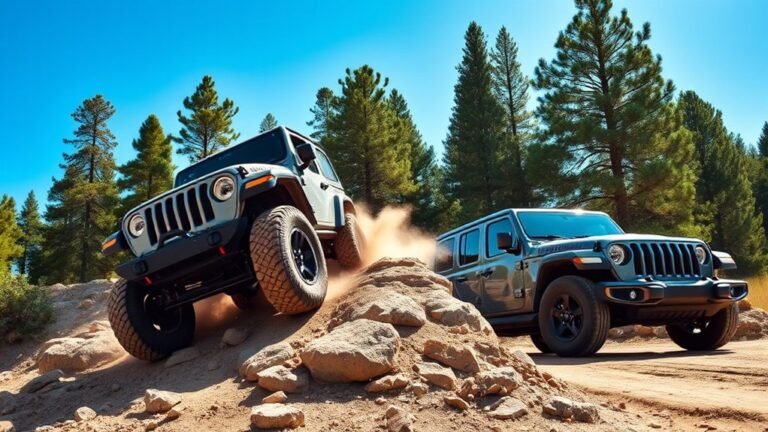
Whether you’re on gravel or a dirt road, the AWD keeps your ride smooth by balancing power delivery to handle varied grip levels effectively.
Tesla AWD vs. Traditional All-Wheel Drive Systems: What Sets Tesla Apart
What makes Tesla’s all-wheel-drive system stand out from traditional AWD setups? Unlike conventional systems that rely on mechanical linkages, Tesla uses two independent electric motors, one on each axle. This setup lets you instantly adjust power distribution, improving efficiency and traction.
Traditional AWD often depends on complex differentials and clutches, which add weight and lag. Tesla’s system is lighter and more responsive, enhancing both performance and energy use.
| Feature | Tesla AWD | Traditional AWD |
|---|---|---|
| Power Delivery | Instant, precise via motors | Mechanical, less flexible |
| Weight | Lighter due to electric motors | Heavier with mechanical parts |
| Efficiency | Higher, less energy loss | Lower due to mechanical drag |
This technology gives you a smoother, more adaptive driving experience.
Key Factors to Consider When Choosing a Tesla AWD Model
When choosing a Tesla AWD model, you’ll want to focus on factors like range, performance, and budget to find the best fit for your needs. Start by considering:
- Range – Determine how far you typically drive daily. Tesla AWD models vary in range, so pick one that covers your usual trips comfortably.
- Performance – Look at acceleration and handling specs. If you want a sportier feel, some AWD models offer quicker 0-60 times and enhanced traction.
- Budget – AWD versions usually cost more than rear-wheel-drive counterparts. Balance the extra expense against the benefits you’ll use, like improved stability in diverse weather.
How Tesla AWD Affects Range and Energy Efficiency
After weighing factors like range, performance, and budget in choosing your Tesla AWD model, it’s important to understand how all-wheel drive impacts your vehicle’s range and energy efficiency. AWD offers better traction and acceleration, but it typically consumes more energy than rear-wheel drive.
This means you might see a slight decrease in range, especially in city driving or challenging conditions. However, Tesla’s efficient AWD systems minimize this impact.
| Aspect | Impact on Tesla AWD |
|---|---|
| Energy Consumption | Slightly higher than RWD |
| Range Reduction | Minor, varies by driving style |
| Performance Boost | Significant acceleration gain |
| Efficiency in Snow | Improved traction, safer drive |
Considering these factors helps you balance performance with efficiency.
Frequently Asked Questions
How Does Tesla AWD Impact Vehicle Maintenance Costs?
Tesla AWD can lower your maintenance costs since it has fewer moving parts than traditional AWD systems. You won’t deal with frequent oil changes or complex transmissions, but you should still monitor tire wear and brake condition regularly.
Are Tesla AWD Models More Expensive to Insure?
Yes, Tesla AWD models usually cost more to insure because they have higher repair expenses and advanced technology.
However, your insurance rates can vary based on your driving record, location, and the specific model you choose.
Can Tesla AWD Systems Be Repaired by Third-Party Mechanics?
Yes, you can have Tesla AWD systems repaired by third-party mechanics, but it’s often tricky. You’ll need specialized tools and software, so make sure the shop is experienced with Teslas to avoid costly mistakes.
Do Tesla AWD Vehicles Require Special Tires?
You don’t necessarily need special tires for Tesla AWD, but it’s smart to pick ones designed for electric vehicles. They handle weight, torque, and efficiency better, so your Tesla performs optimally and lasts longer on the road.
How Does Tesla AWD Affect Resale Value?
You’ll find Tesla AWD models generally hold higher resale value because of better performance and traction. Buyers often prefer AWD for safety and versatility, so you can expect stronger demand and potentially higher resale prices.
Conclusion
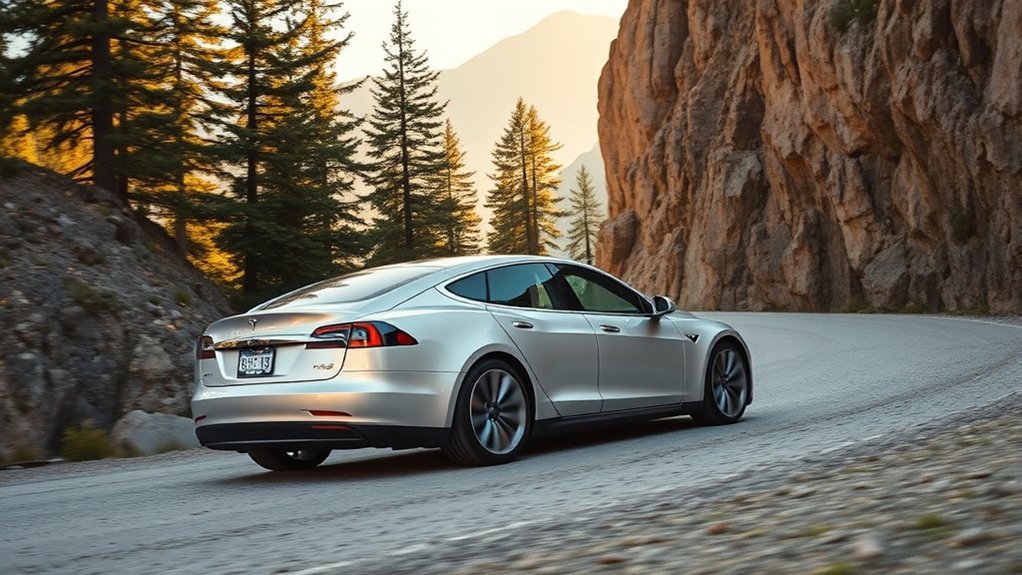
Think of Tesla’s AWD like a skilled dancer, seamlessly adjusting steps to keep you balanced on any floor. When I took a Tesla Model 3 AWD through a snowy mountain pass, its instant torque and traction felt like having a co-pilot anticipating every move.
This system doesn’t just improve grip—it transforms your drive into a confident, smooth experience no matter the conditions. Choosing Tesla AWD means you’re ready for whatever the road throws at you.
In short, if you want reliability and control in diverse driving environments, Tesla All Wheel Drive is the way to go.