Can Diesel Fuel Go Bad
Yes, diesel fuel can go bad if you store it too long or improperly. Diesel fuel usually lasts six to twelve months in a clean, sealed container kept cool and dark. Exposure to air, heat, light, moisture, and contaminants speeds up degradation, causing sludge, odors, and poor engine performance.
Signs like cloudiness or filter clogging mean trouble. You’ll want to understand how to spot spoilage, protect your fuel, and handle disposal safely to keep things running smoothly. Proper storage and regular inspection are key to maintaining diesel fuel quality.
Key Takeaways
- Yes, diesel fuel can go bad due to exposure to air, heat, light, and moisture causing chemical degradation and contamination.
- Diesel stored in clean, sealed containers away from heat and sunlight lasts up to 12 months; in tanks, it lasts 6 to 12 months.
- Moisture promotes microbial growth, producing sludge and acids that degrade diesel quality and clog engine components.
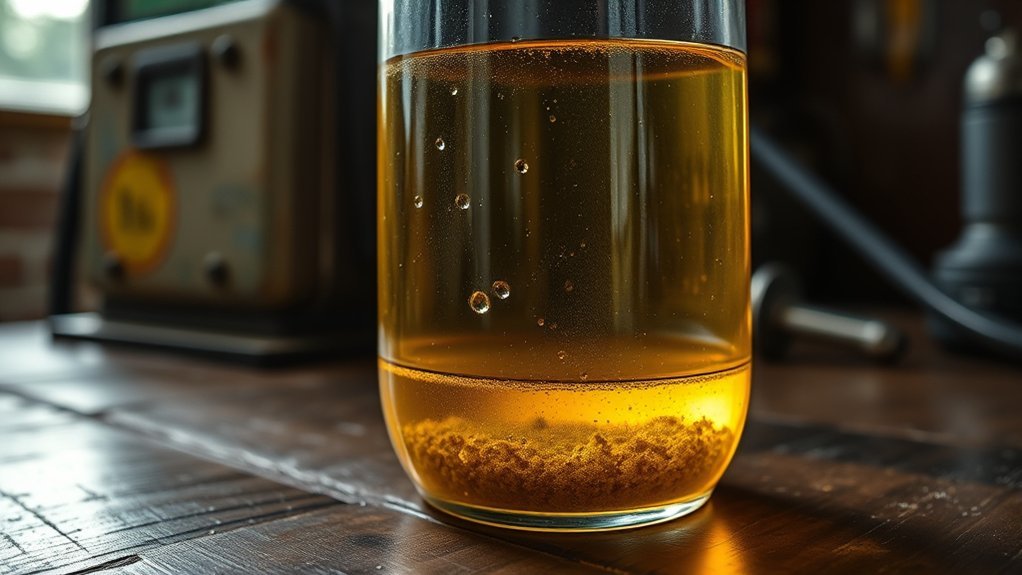
- Spoiled diesel often appears cloudy, gelled, or discolored and may have a sour odor or sediment.
- Proper storage, regular fuel rotation, and using approved containers prevent diesel spoilage and maintain fuel quality.
How Long Does Diesel Fuel Last?
How long diesel fuel lasts depends on several factors, including storage conditions and fuel quality. If you store diesel in a clean, sealed container away from heat and sunlight, it can remain usable for up to 12 months.
You’ll want to keep moisture out because water encourages microbial growth, which shortens fuel life. Using high-quality diesel with additives also helps extend its shelf life.
If you’re storing diesel in a vehicle’s tank, it usually stays good for about six to twelve months, but that varies with temperature and exposure. To keep your diesel fresh longer, store it in a cool, dark place and use containers designed for fuel storage.
Regularly checking your fuel ensures you’re not using degraded diesel that could harm your engine.
Causes of Diesel Fuel Degradation
Why does diesel fuel degrade over time? You’ll find that exposure to air, heat, and light triggers chemical changes in diesel, breaking down its quality. Over time, these factors cause oxidation, leading to sludge and gum formation that can clog your engine.
Additionally, diesel naturally contains bio-components that can break down faster, especially when stored improperly.
Here’s a quick look at what causes diesel fuel degradation and how it might affect you emotionally:
| Cause | Emotional Impact |
|---|---|
| Oxidation | Frustration from clogging |
| Heat exposure | Anxiety over fuel loss |
| Light exposure | Worry about reduced power |
| Bio-component decay | Disappointment in quality |
Understanding these causes helps you protect your diesel and avoid these headaches.
Why Moisture and Contaminants Ruin Diesel Fuel
Where do moisture and contaminants sneak in, and how do they wreck your diesel fuel? Moisture often enters through condensation inside storage tanks or from fuel deliveries.
Even small amounts of water create a breeding ground for microbes that feed on diesel, producing sludge and acids that degrade fuel quality.
Contaminants like dirt, rust, and other particles find their way into your fuel during handling or storage. These impurities clog filters, damage injectors, and reduce engine performance.
Water also causes phase separation, where fuel and water separate, leading to poor combustion and corrosion inside your engine.
Signs Your Diesel Fuel Has Gone Bad
Wondering if your diesel fuel has gone bad? Look for cloudy or gelled fuel, which indicates contamination or oxidation. If you notice a sour or rancid smell, that’s a clear sign something’s wrong.
You might see sludge or sediment settling at the bottom of your storage tank or fuel container. Difficulty starting your engine or uneven idling can also hint at bad fuel, but we’ll explore that more later.
Additionally, if your fuel filter clogs frequently, it’s time to check the diesel’s condition. Water droplets or separation in the fuel are red flags, too, since moisture can promote microbial growth. Keeping an eye out for these signs helps you catch problems early and avoid costly repairs down the road.
How Bad Diesel Fuel Affects Engine Performance
If your diesel fuel has gone bad, you’ll notice your engine doesn’t run as efficiently, wasting more fuel than usual.
Bad fuel can also cause serious damage to key engine components, leading to costly repairs. Understanding these effects helps you avoid performance issues down the road.
Reduced Fuel Efficiency
How exactly does bad diesel fuel reduce your engine’s performance? When diesel fuel degrades, it directly impacts how efficiently your engine runs, leading to reduced fuel efficiency. Here’s how:
- Incomplete Combustion: Contaminated or old diesel burns unevenly, wasting fuel and lowering mileage.
- Clogged Filters: Bad diesel often contains sediments that clog fuel filters, restricting flow and forcing your engine to work harder.
- Poor Lubrication: Degraded fuel loses its lubricating properties, increasing friction and energy loss in the engine.
These factors mean your engine consumes more fuel for the same power output. If you want to keep your vehicle running smoothly and economically, using fresh, clean diesel is key to avoiding unnecessary fuel waste.
Engine Component Damage
Why does bad diesel fuel damage your engine components? When diesel fuel degrades, it forms contaminants like sludge, wax crystals, and water. These impurities clog fuel filters and injectors, forcing your engine to work harder.
As a result, fuel doesn’t atomize properly, leading to inefficient combustion and increased wear on pistons and cylinders. Over time, corrosion from water in the fuel can damage metal parts, causing leaks and premature failure.
You might notice rough idling, reduced power, or even engine stalling. Ignoring bad diesel fuel means risking costly repairs and a shorter engine lifespan.
To protect your engine, use fresh fuel, store it properly, and replace filters regularly. This way, you’ll maintain optimal engine performance and avoid unnecessary damage.
Best Ways to Store Diesel Fuel
To keep your diesel fuel fresh, you need the right containers that prevent leaks and exposure. You’ll also want to store it in a cool, stable temperature to avoid degradation.
Finally, taking steps to avoid contamination will help maintain its quality over time.
Ideal Container Types
Where you store diesel fuel can make all the difference in maintaining its quality over time. Choosing the right container ensures your fuel stays fresh and free from contamination. When picking containers, consider these top options:
- Metal Containers: Durable and airtight, they prevent moisture and air exposure, which degrade diesel.
- High-Density Polyethylene (HDPE) Containers: Resistant to chemicals and corrosion, these plastic containers are lightweight and reliable for short to medium-term storage.
- Approved Diesel Fuel Cans: Specifically designed for diesel, these come with secure seals and vents to avoid pressure buildup while keeping contaminants out.
Avoid using old or non-approved containers, as they can introduce impurities or leaks. Proper containers not only protect your diesel but also help you avoid costly engine problems.
Temperature Control Tips
How you manage the temperature around your diesel fuel plays a pivotal role in preserving its quality. Keep diesel fuel stored in a cool, dry place where temperatures remain stable, ideally between 50°F and 80°F.
Avoid exposing it to extreme heat or freezing conditions, as these can degrade the fuel and cause condensation. Using insulated containers or climate-controlled storage can help maintain consistent temperatures and extend diesel’s shelf life.
| Temperature Range | Effect on Diesel Fuel | Storage Recommendation |
|---|---|---|
| Below 32°F | Fuel gelling risk | Use additives or heated storage |
| 50°F – 80°F | Optimal condition | Ideal for long-term storage |
| Above 80°F | Accelerates degradation | Store in shaded, ventilated areas |
Avoiding Contamination Risks
Why does avoiding contamination matter when storing diesel fuel? Contaminants like water, dirt, and microbes can degrade fuel quality, clog filters, and damage your engine. To keep your diesel fuel clean and reliable, follow these key steps:
- Use sealed, clean containers Always store diesel in airtight, approved containers to prevent water and debris from entering.
- Keep storage areas dry and clean Moisture encourages microbial growth, so ensure your storage location is dry and free from dust or dirt.
- Regularly inspect and rotate fuel Check for signs of contamination and use older fuel first to avoid prolonged storage that increases risk.
How to Safely Dispose of Spoiled Diesel Fuel
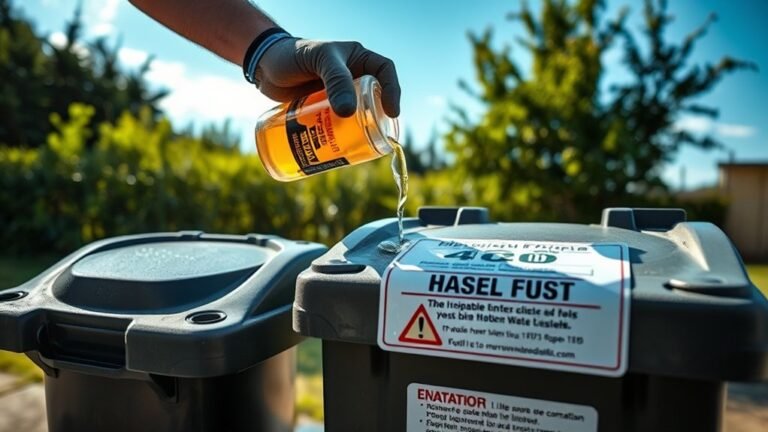
Wondering what to do with diesel fuel that’s gone bad? You shouldn’t pour it down drains, on the ground, or in regular trash. Instead, follow safe disposal methods to protect the environment and comply with regulations.
First, check if your local waste facility accepts spoiled diesel. If not, contact hazardous waste disposal services. Store the fuel in a clearly labeled, sealed container until disposal.
| Step | Action | Tip |
|---|---|---|
| 1 | Identify spoiled fuel | Look for cloudiness or odor |
| 2 | Store safely | Use original or approved container |
| 3 | Contact local waste facility | Confirm acceptance policies |
| 4 | Arrange disposal | Use licensed hazardous waste handlers |
Following these steps keeps you safe and eco-friendly.
Frequently Asked Questions
Can Additives Extend Diesel Fuel’s Shelf Life?
Yes, additives can extend diesel fuel’s shelf life by preventing oxidation and microbial growth. You’ll want to add them before storing fuel long-term to keep it fresh and maintain engine performance effectively.
Is Dyed Diesel Fuel Different in Quality?
Think of dyed diesel as a secret agent wearing a colorful disguise. It’s the same quality fuel but marked for specific use. You won’t notice a difference in performance, just a clear signal for legal and tax reasons.
How Does Temperature Affect Diesel Fuel Stability?
You’ll find diesel fuel stability decreases as temperatures rise, speeding up oxidation and microbial growth.
Cold temperatures can cause wax crystals to form, clogging filters. So, you’ll want to store diesel within recommended temperature ranges.
Can Biodiesel Blends Spoil Faster Than Pure Diesel?
Yes, biodiesel blends spoil faster than pure diesel because they absorb moisture more easily and oxidize quicker.
You’ll need to store them properly and use additives to extend their shelf life and maintain fuel quality.
Are There Specific Diesel Types for Marine Engines?
You absolutely need marine diesel for your boat. It’s specially designed to resist water and corrosion, unlike regular diesel that’d rust your engine faster than a sinking ship! Always choose marine-grade diesel to keep sailing smoothly.
Conclusion
Think of diesel fuel like a candle’s flame—it burns bright and strong only when well cared for. If you let moisture and contaminants sneak in, that flame flickers and dims, risking your engine’s life.
By storing fuel properly and watching for warning signs, you keep your diesel glowing steady. Don’t let bad fuel be the shadow that stalls your journey—act now, and keep your engine running smooth and reliable by understanding that diesel fuel can go bad.