What Do Wheel Spacers Do
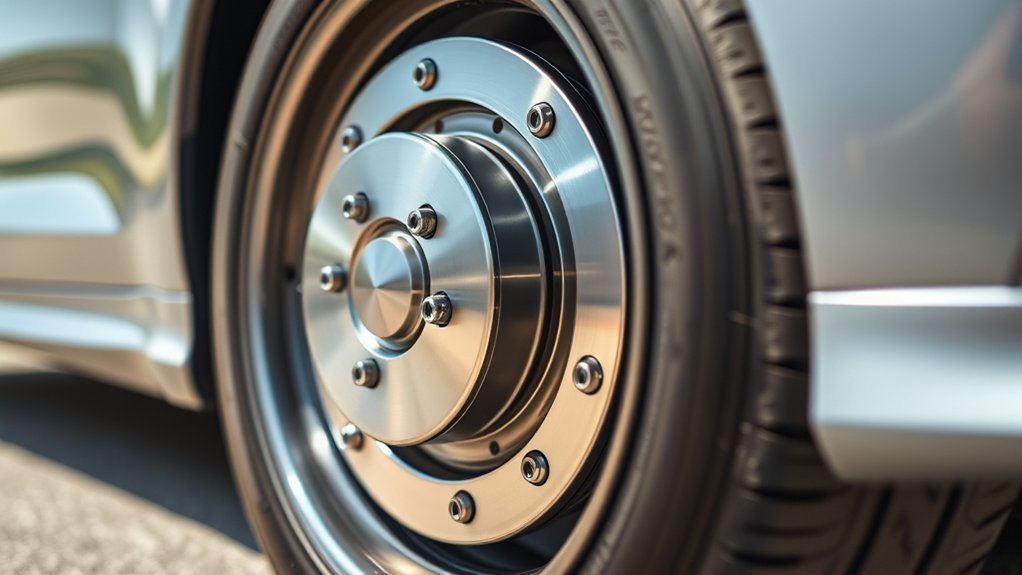
Wheel spacers fit between your vehicle’s wheel hub and wheel, pushing your wheels outward to create a wider stance.
Wheel spacers not only improve your car’s look but also help clear bigger brake calipers or aftermarket wheels.
They can enhance handling by increasing stability during turns, though proper sizing is key to avoid alignment issues.
If you want to understand how spacers impact performance, appearance, and safe installation, keep exploring these essential details.
Key Takeaways
- Wheel spacers fit between the wheel hub and wheel to push wheels outward, increasing clearance and track width.
- They improve vehicle appearance by creating a wider, more aggressive stance and better wheel fitment.
- Spacers provide extra clearance for larger brake calipers or aftermarket wheels without modifying suspension or bodywork.
- By increasing track width, spacers can enhance cornering stability and reduce body roll if properly sized.
- Proper installation with correct thickness and torque ensures safe use and prevents alignment or tire wear issues.
What Are Wheel Spacers and How Do They Work
What exactly are wheel spacers, and why might you need them? Wheel spacers are simple devices that fit between your vehicle’s wheel hub and the wheel itself. They push the wheel outward, increasing the distance between the tire and the suspension components.
You might use them if you want to improve your car’s appearance by giving it a wider stance or if you need extra clearance to fit larger brake calipers or aftermarket wheels. Installing wheel spacers can also help correct offset issues when swapping wheels that don’t perfectly match your vehicle’s specifications.
They come in different thicknesses, so you can choose how far you want to push your wheels out. Essentially, wheel spacers adjust your wheel positioning without modifying your suspension or bodywork.
How Wheel Spacers Affect Handling and Stability
When you add wheel spacers, you change how your tires grip during cornering, which can improve traction. This adjustment also shifts your vehicle’s balance, affecting stability on the road.
Understanding these effects helps you make smarter choices about your setup.
Impact On Cornering Grip
How exactly do wheel spacers influence your vehicle’s cornering grip? By pushing your wheels outward, spacers increase the track width, which can enhance lateral stability during turns. This wider stance helps your tires maintain better contact with the road, improving grip as you corner.
You’ll notice more confidence and reduced body roll because the car resists leaning into turns more effectively. However, the increased leverage on suspension components means you should choose spacers carefully. Too wide, and they might negatively affect alignment or tire wear.
When properly sized and installed, wheel spacers can sharpen your handling, letting you take corners with greater precision and control. Just remember, the key is balance: enhancing grip without compromising other aspects of your vehicle’s dynamics.
Effects On Vehicle Balance
Why does your vehicle’s balance shift when you add wheel spacers? By pushing your wheels outward, spacers widen your track width, which changes how weight distributes during driving. This wider stance can improve stability, especially in corners, by reducing body roll and increasing grip.
However, it also alters suspension geometry and steering feel, sometimes making your vehicle more sensitive or twitchy. You might notice changes in handling dynamics, such as quicker turn-in or a different feedback level through the steering wheel.
While spacers can enhance stability, they can also affect ride comfort and tire wear if not matched properly. Ultimately, you need to balance the benefits with potential compromises to ensure your vehicle handles safely and predictably.
When to Consider Installing Wheel Spacers for Your Car
If you want to improve your car’s handling or achieve a more aggressive stance, wheel spacers can be a practical solution. You should consider installing them if your wheels sit too far inward, causing clearance issues with brakes or suspension components.
They’re also useful when fitting aftermarket wheels that don’t perfectly match your car’s bolt pattern or offset. Additionally, if you want increased track width for better cornering stability, spacers help achieve that safely.
| Reason | Benefit | Consideration |
|---|---|---|
| Brake clearance | Prevents rubbing | Check spacer thickness |
| Fitment of aftermarket wheels | Compatibility with bolt pattern | Verify hub-centric design |
| Handling improvement | Wider track for stability | Ensure proper torque |
| Suspension clearance | Avoid interference | Inspect regularly for wear |
How Wheel Spacers Change Your Vehicle’s Appearance
Beyond improving fitment and handling, wheel spacers also give your vehicle a more aggressive and customized look. When you install them, you’ll notice how your car’s stance transforms instantly.
Here’s how wheel spacers change your vehicle’s appearance:
- Wider Wheel Track: Your wheels sit further out, filling the wheel wells better for a muscular, planted look.
- Enhanced Wheel Visibility: The offset exposes more of your rims, showcasing their design and finish.
- Improved Symmetry: By pushing wheels outward, spacers balance your car’s profile, making it look more proportionate.
- Aggressive Stance: The wider stance conveys power and performance, making your ride stand out on the road.
These visual changes make your vehicle look sportier and more personalized without major modifications.
Common Types and Sizes of Wheel Spacers
How do you choose the right wheel spacers for your vehicle? First, consider the type: hub-centric spacers fit snugly over your hub, improving balance, while universal spacers use studs and often fit multiple models.
Thickness varies depending on how much you want to push your wheels outward, usually from 5mm to 40mm. Material matters too. Aluminum is lightweight and durable, while steel is stronger but heavier.
Here’s a quick guide:
| Type | Thickness Range | Material |
|---|---|---|
| Hub-centric | 5mm – 20mm | Aluminum |
| Universal | 10mm – 40mm | Steel |
| Bolt-on | 15mm – 30mm | Aluminum |
| Spacer Rings | Varies | Aluminum |
| Tuner Spacers | 20mm – 40mm | Aluminum |
This helps you match spacers to your needs precisely.
Safe Installation Tips and Common Mistakes to Avoid
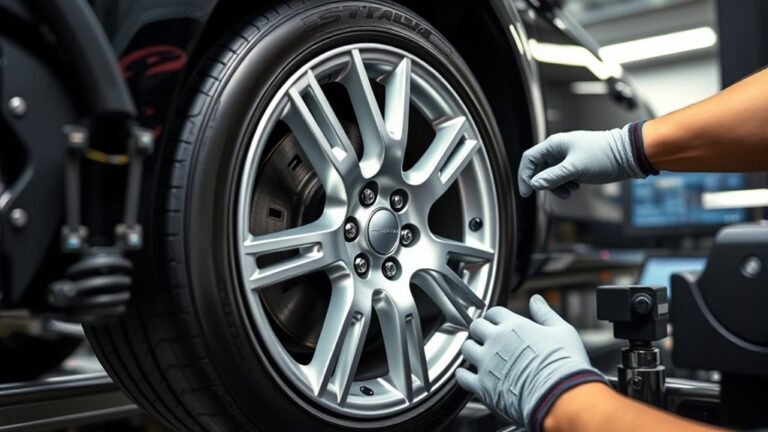
Choosing the right wheel spacers is just the start; installing them properly guarantees your safety and peak performance. To avoid costly mistakes and ensure a secure fit, follow these tips:
Proper installation of wheel spacers is essential for safety and optimal vehicle performance.
- Clean the hub and spacer surfaces thoroughly to eliminate dirt and rust, ensuring a tight, even fit.
- Use a torque wrench to tighten lug nuts to the manufacturer’s specs. Over or under-tightening can cause wheel issues.
- Check spacer thickness matches your vehicle’s specifications to prevent interference with brake components or suspension.
- Re-torque lug nuts after driving 50-100 miles to maintain secure installation and prevent loosening.
Avoid skipping these steps, ignoring fitment specs, or using low-quality spacers. They can compromise safety and performance.
Frequently Asked Questions
Can Wheel Spacers Cause Uneven Tire Wear?
Yes, wheel spacers can cause uneven tire wear if they’re not installed properly or if they affect your vehicle’s alignment. You’ll want to check alignment and balance regularly to avoid premature tire damage.
Do Wheel Spacers Affect Fuel Efficiency?
Yes, wheel spacers can affect your fuel efficiency by increasing aerodynamic drag and rolling resistance. You’ll likely notice a slight drop in gas mileage, especially if the spacers push your wheels wider than stock width.
Are Wheel Spacers Legal in All States?
You’d think wheel spacers are outlawed in every state, like sneaky rebels of the car world, but nope, they’re legal in most places. Just don’t expect uniform rules; some states might give you a weird look or a ticket!
Can Wheel Spacers Be Used on All Vehicle Types?
You can use wheel spacers on many vehicle types, but not all. You’ll need to check compatibility with your specific make and model, ensuring proper fitment and safety before installing them on your vehicle.
How Do Wheel Spacers Impact Brake System Performance?
Think of wheel spacers as an extended arm; they can slightly alter brake performance by increasing leverage on components. You might notice added stress on calipers and rotors, so regular checks are essential to keep your brakes reliable.
Conclusion
Wheel spacers can transform your driving experience like a tailor fitting a suit—they make your car handle better, look sharper, and give you more control on the road. But you’ve got to install them carefully and choose the right size to avoid safety issues.
When used correctly, wheel spacers enhance both performance and style, making your ride stand out while boosting stability. Just remember, precision is key to getting the best results.
In conclusion, wheel spacers are a simple upgrade that can significantly improve how your vehicle drives and looks. Proper installation and the right fit ensure you enjoy all the benefits wheel spacers have to offer.