
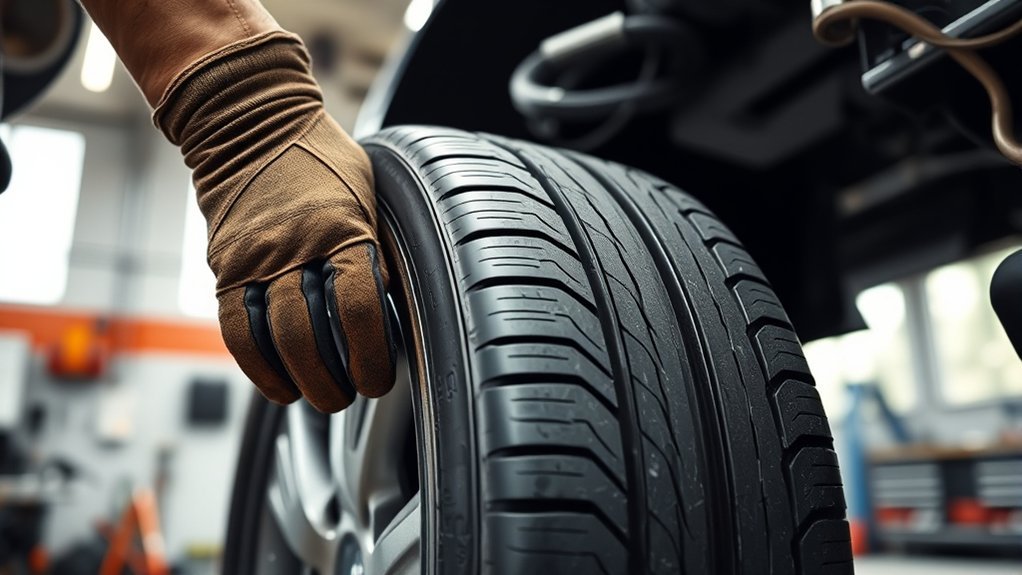
How Often Tire Rotation
You should rotate your tires every 5,000 to 7,500 miles, often aligning it with your oil change to keep it simple.
How often tire rotation is needed depends on your driving habits and vehicle type. Aggressive acceleration or frequent braking can wear tires unevenly and may mean you need to rotate sooner.
Different vehicles require different rotation patterns, so check your owner’s manual. Watch for signs like vibrations or uneven tread wear, which tell you it’s time to act.
Keep going to uncover tips that help your tires last longer and when to seek professional help.
Key Takeaways
- Rotate tires every 5,000 to 7,500 miles, aligning with oil change intervals for convenience.
- Aggressive driving and frequent braking increase tire wear, requiring more frequent rotations.
- Follow vehicle-specific rotation patterns based on drive type and manufacturer recommendations.
- Rotate sooner if you notice uneven tread wear, vibrations, or the car pulling to one side.
- DIY rotation is possible with proper tools and safety, but professionals ensure correct torque and pattern.
How Often Should You Rotate Your Tires?
How often should you rotate your tires to keep them in good shape? Most experts recommend rotating your tires every 5,000 to 7,500 miles. This range aligns well with regular oil changes, making it easier to remember.
By rotating your tires within this interval, you’ll ensure even tread wear across all four tires, which extends their lifespan and maintains balanced handling. Some vehicles, especially those with all-wheel drive, might benefit from more frequent rotations, so check your owner’s manual for specific guidance.
Neglecting tire rotation can cause uneven wear, leading to reduced traction and a rougher ride. So, sticking to the recommended schedule helps you get the most from your tires while keeping your car safe and efficient on the road.
How Driving Habits Affect Your Tire Rotation Schedule
Your driving style plays a big role in how often you need to rotate your tires. Aggressive driving and frequent braking can wear tires unevenly and faster than usual.
Understanding these effects helps you adjust your tire rotation schedule to keep your tires in good shape.
Impact Of Aggressive Driving
Why does aggressive driving speed up tire wear? When you accelerate quickly, take sharp turns, or frequently push your vehicle hard, your tires experience more friction and stress. This extra strain causes uneven tread wear, especially on the edges and outer surfaces.
As a result, your tires degrade faster than they would under normal driving conditions. Because of this, you’ll need to rotate your tires more often to even out the wear and extend their lifespan. Ignoring aggressive habits can lead to premature tire replacement and reduced safety.
Effects Of Frequent Braking
Frequent braking often puts extra stress on your tires, causing uneven wear patterns that can shorten their lifespan. When you brake often, especially suddenly, the front tires usually bear the brunt, wearing down faster than the rear ones.
This uneven wear means you’ll need to rotate your tires more frequently to maintain balanced tread life. If you don’t adjust your tire rotation schedule, you risk reduced traction, poor handling, and premature tire replacement.
To keep your tires in good shape, consider rotating them every 5,000 to 6,000 miles if you brake frequently. Also, try to brake smoothly when possible; it not only extends your tire life but improves overall vehicle safety and fuel efficiency.
Tire Rotation Intervals By Vehicle Type
You’ll want to follow different tire rotation intervals depending on your vehicle type. Passenger cars usually need rotations every 5,000 to 7,500 miles, while trucks and SUVs often require adjustments based on load and terrain.
Knowing these guidelines helps you keep your tires wearing evenly and lasting longer.
Passenger Car Rotation Guidelines
How often should you rotate the tires on your passenger car? Most manufacturers recommend rotating them every 5,000 to 7,500 miles. This interval aligns well with oil changes, making it easy to remember.
Regular rotation ensures even tire wear, extending their lifespan and maintaining optimal traction and safety. For front-wheel-drive cars, a common pattern is moving the front tires straight back and crossing the rear tires to the front.
If you drive a rear-wheel or all-wheel-drive car, the rotation pattern may differ, often a rearward cross. Always check your owner’s manual for the specific rotation pattern and interval.
Sticking to these guidelines helps you get the most out of your tires and keeps your ride smooth and safe.
Truck And SUV Intervals
When should you rotate the tires on your truck or SUV? Typically, you should rotate them every 5,000 to 7,000 miles. Trucks and SUVs often carry heavier loads and may have different tire wear patterns compared to passenger cars, so sticking to this interval helps maintain even tread wear.
If you frequently tow or drive off-road, consider rotating your tires closer to every 5,000 miles. Rotating your tires regularly improves traction, extends tire life, and ensures safer handling.
Check your vehicle’s owner manual for manufacturer recommendations since some models might have specific rotation patterns. By staying consistent with tire rotations, you’ll avoid uneven wear and get the most out of your tires, keeping your truck or SUV running smoothly and safely on the road.
Why Rotating Your Tires Regularly Makes Them Last Longer
Why does tire rotation impact the lifespan of your tires? When you drive, tires wear unevenly due to differences in weight distribution and driving habits. By rotating them regularly, you ensure all tires wear more evenly.
This prevents premature tire replacement and helps you get the most mileage out of each tire. Uneven wear can lead to poor traction and handling, which rotation helps avoid.
You also protect your investment by minimizing irregular tread wear that can cause vibrations or damage suspension components. In short, rotating tires keeps your ride smoother, safer, and more efficient.
Signs You Need to Rotate Your Tires Now
Regularly rotating your tires helps them wear evenly, but you’ll still need to watch for specific signs that signal it’s time to rotate. If you notice uneven tread wear, like one tire wearing down faster than the others, that’s a clear indicator.
Pay attention to vibrations or a rough ride; these can mean your tires are wearing unevenly and need rotating. You might also feel your car pulling to one side, which suggests imbalanced tires.
Check your tread depth regularly; if some tires look noticeably more worn, it’s time to rotate. Keeping an eye on these signs ensures you act before uneven wear affects your driving.
Don’t wait for scheduled mileage alone. Respond to these symptoms promptly to maintain safety and extend tire life.
What Could Go Wrong If You Skip Tire Rotation?
What happens if you skip tire rotation? Your tires wear unevenly, which can lead to a rougher ride and reduced traction. This uneven wear shortens tire life, forcing you to replace them sooner than necessary.
It also affects your vehicle’s handling, making it less safe in wet or slippery conditions. Ignoring rotation can increase fuel consumption because uneven tires cause more rolling resistance. Overall, skipping this simple maintenance step can cost you more in repairs and fuel over time.
| Risk | Consequence |
|---|---|
| Uneven tire wear | Shorter tire lifespan |
| Poor vehicle handling | Increased accident risk |
| Reduced fuel efficiency | Higher fuel expenses |
| Rougher ride quality | Less driving comfort |
DIY Tire Rotation Tips and When to Hire a Pro
Wondering how to properly rotate your tires at home? You can save money and extend tire life by doing it yourself, but you need the right tools and know-how. Follow these tips for a safe and effective DIY tire rotation:
Use a reliable jack and jack stands to lift your car securely. Rotate tires according to your car’s recommended pattern (e.g., front-to-back or cross pattern).
Check tire pressure and tread depth before and after rotation. Tighten lug nuts in a star pattern to ensure even pressure.
Keep a torque wrench handy to avoid over-tightening.
If you don’t have the right equipment or feel unsure, it’s wise to hire a pro. Professionals offer expertise and can spot other issues during rotation.
Frequently Asked Questions
What Tools Do Professionals Use for Tire Rotation?
You’ll find professionals using impact wrenches, torque wrenches, jack stands, and hydraulic lifts when rotating tires. These tools make the job quicker and safer.
They also guarantee bolts are tightened correctly to keep your ride smooth.
Can Tire Rotation Improve Fuel Efficiency?
Think of your tires as dancers sharing the spotlight; rotating them keeps their moves balanced. You’ll boost fuel efficiency by reducing uneven wear, letting your engine glide smoother and sip less gas on every drive.
How Does Tire Rotation Affect Vehicle Alignment?
Tire rotation doesn’t directly affect your vehicle’s alignment, but it helps wear tires evenly. Uneven wear can cause alignment issues, so by rotating tires regularly, you’ll maintain better alignment and extend your tire life.
Are All Tires Suitable for Rotation?
Not all tires are suitable for rotation; if your tires have directional tread or are staggered sizes, you can’t rotate them traditionally.
You’ll want to check your tire type to avoid uneven wear or safety issues.
Does Tire Rotation Impact Tire Warranty Coverage?
Yes, tire rotation often impacts your warranty coverage. You’ll need to follow the manufacturer’s recommended rotation schedule to keep your warranty valid.
Skipping rotations or doing them improperly could void your tire warranty.
Conclusion
Rotating your tires isn’t just a chore—it’s a ticket to safer, smoother rides and longer-lasting tires. If you drive aggressively or frequently haul heavy loads, you’ll want to rotate more often to keep things balanced. Ignoring this simple task is like ignoring a ticking clock—it only leads to costly problems.
So, don’t wait for signs of wear; rotate your tires regularly and keep your vehicle running at its best. Your tires—and your wallet—will thank you. Making tire rotation a routine part of your vehicle maintenance is key to extending the life of your tires and ensuring optimal performance.