How Does a Car Wheel Lock Work
You use a car wheel lock to physically stop your vehicle’s wheels from turning, effectively immobilizing it. A car wheel lock clamps onto the wheel or replaces a lug nut with a specially designed piece that only the unique key can remove.
Made from hardened steel or strong alloys, it resists tampering and theft attempts by creating a rigid barrier. This visible, tough device acts as a strong deterrent. Understanding its types and maintenance will help you protect your car better.
Key Takeaways
- A car wheel lock immobilizes the wheel by attaching a secure device that prevents rotation.
- It uses a unique key-operated mechanism to clamp or replace a lug nut, blocking wheel movement.
- Constructed from hardened steel or alloys, the lock resists cutting, drilling, and tampering attempts.
- When the vehicle moves, the lock contacts the ground or brake disc, stopping wheel rotation immediately.
- The lock’s visible presence deters theft by increasing removal time and requiring specialized tools or keys.
What Is a Car Wheel Lock?
A car wheel lock is a device designed to prevent your vehicle’s wheels from turning, effectively immobilizing the car. You’ll often see these locks used by law enforcement or parking authorities to enforce regulations or prevent theft.
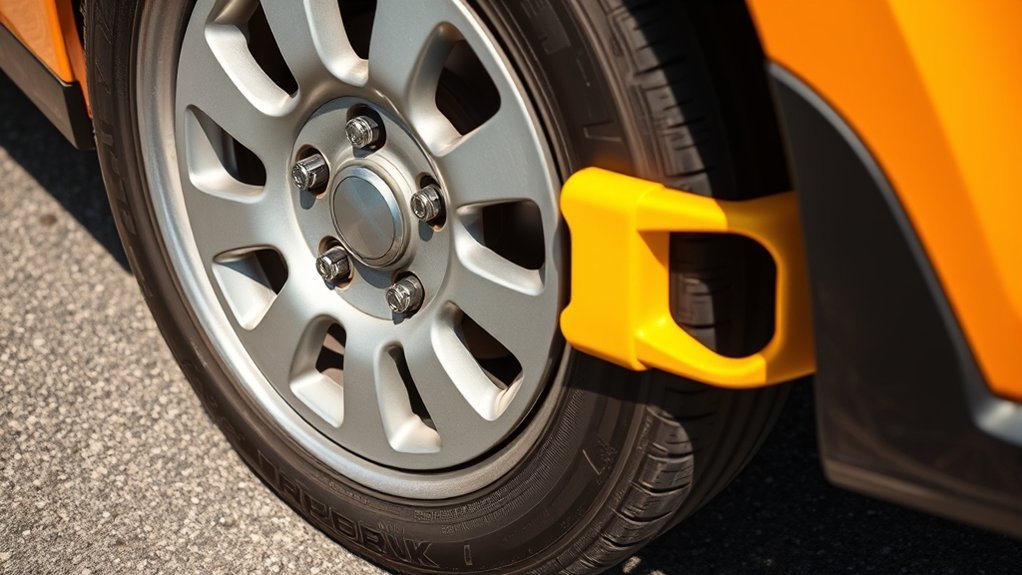
When applied, the lock attaches securely to the wheel, making it impossible to rotate. You might recognize the familiar “boot” shape that clamps onto the tire and rim.
These devices come in various designs but serve the same purpose: to stop your car from moving. If you park in restricted areas or violate parking rules, you could have a wheel lock placed on your vehicle.
Understanding what a car wheel lock is will help you recognize its function and why it’s used.
How Do Car Wheel Locks Work to Stop Your Car?
You’ll find that car wheel locks use specially designed mechanisms to secure your wheels tightly. They prevent anyone without the right key from removing the wheel, stopping theft in its tracks.
Made from strong materials like hardened steel, these locks add an extra layer of protection to your vehicle.
Mechanism Behind Wheel Locks
Wheel locks work by physically preventing your car’s wheels from turning, making it impossible to drive away. The lock clamps securely around the tire or wheel, creating a rigid barrier.
When you try to move your car, the lock hits the ground or another surface, stopping any rotation. Most models use a robust metal construction that resists cutting or prying.
You’ll find a locking mechanism, usually operated with a unique key, which tightens or releases the device. This key guarantees only you can remove the lock, preventing unauthorized removal.
Preventing Unauthorized Wheel Removal
By locking your car’s wheels, the device doesn’t just stop the vehicle from moving. It also prevents anyone from removing the wheels themselves without your permission. The lock replaces one lug nut with a uniquely patterned nut that only fits a matching key.
Without this key, thieves can’t loosen or remove the locked lug nut, making it nearly impossible to take off your wheels quickly. This means you don’t have to worry about someone stealing your tires or rims while your car is unattended.
The lock’s design ensures that standard tools won’t work on it, adding a strong layer of security. So, by using wheel locks, you actively protect your car’s wheels from unauthorized removal.
Materials Enhancing Lock Security
How exactly do car locks manage to stop your vehicle from being driven or stolen? It all boils down to the materials used. Car wheel locks are made from tough metals that resist cutting, drilling, and prying. When you choose a lock, the material quality determines how well it withstands tampering attempts.
Here’s a quick look at common materials and their security benefits:
| Material | Security Benefit |
|---|---|
| Hardened Steel | Resists cutting and drilling |
| Chrome Molybdenum | Offers strength with corrosion resistance |
| Boron Steel | Extremely tough and hard to break |
Different Types of Car Wheel Locks Explained
Wondering which type of car wheel lock suits your needs best? You’ve got several options, each designed to keep your wheels safe and give you peace of mind. Here are the common types you can consider:
Choosing the right car wheel lock ensures your wheels stay safe and gives you peace of mind.
- Lug Nut Locks: Replace one lug nut with a lock that requires a special key.
- Clamp Locks: Attach a visible clamp over the wheel, deterring theft.
- Boot Locks: Immobilize the entire wheel with a heavy-duty boot.
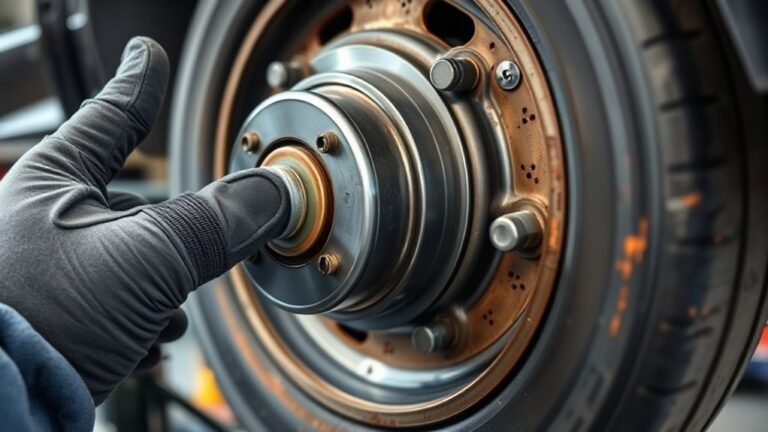
- Disc Locks: Secure the wheel by locking onto the brake disc.
- Smart Wheel Locks: Use electronic keys and alarms for enhanced security.
Choosing the right type depends on your vehicle, convenience, and how much protection you want. Each type offers a unique balance of security and ease of use.
How to Install a Car Wheel Lock Correctly
Where should you start when installing a car wheel lock to ensure it works effectively? Begin by choosing the right lock that matches your wheel’s lug nut size. Next, clean the lug nuts and wheel surface to ensure a secure fit. Use the lock key to tighten the wheel lock lug nuts firmly but avoid over-tightening.
Here’s a quick installation guide:
| Step | Action |
|---|---|
| 1. Choose lock size | Match lug nut specifications |
| 2. Clean surfaces | Remove dirt and debris |
| 3. Position lock | Align lock on lug nut |
| 4. Tighten securely | Use lock key; avoid over-tightening |
Following these steps guarantees your wheel lock will function correctly and provide effective security.
Materials That Make Car Wheel Locks Strong and Durable
What makes a car wheel lock strong enough to deter theft? It’s all about the materials used. When you choose a wheel lock, you want something tough, resistant to tampering, and built to last.
Here’s what you’ll find in high-quality wheel locks:
- Hardened steel: Offers excellent resistance against cutting and drilling.
- Chromium plating: Prevents rust and corrosion, keeping the lock reliable over time.
- Alloy metals: Combine strength with lightweight properties for easy handling.
- Tempered steel: Increases durability and impact resistance.
- Anti-corrosive coatings: Protect the lock from weather damage, ensuring long-term security.
How Car Wheel Locks Prevent Common Theft Techniques
A car wheel lock works by physically blocking common theft methods like lug nut removal and wheel tampering, making it much harder for thieves to steal your wheels quickly. When you use a wheel lock, it replaces one lug nut with a uniquely designed locking nut that requires a matching key to remove.
This prevents thieves from using standard tools to loosen your wheels. Additionally, wheel locks add a layer of security against quick wheel swaps because they slow down the process significantly. Without the correct key, thieves can’t easily bypass these locks, discouraging opportunistic theft.
Can Car Wheel Locks Be Bypassed or Removed?
While car wheel locks do a great job of deterring quick theft attempts, some determined thieves may still try to bypass or remove them. You should know that no security measure is 100% foolproof, but wheel locks considerably increase the effort and time needed to steal a wheel.
Here’s how thieves might try to get past them:
- Using specialized tools to match the lock’s unique pattern
- Applying brute force with impact wrenches or grinders
- Cutting through the wheel or brake components
- Exploiting worn or damaged locks for easier removal
- Stealing the entire wheel assembly if locks are weak
Understanding these tactics helps you appreciate why high-quality locks and proper installation matter for your car’s protection.
Choosing the Right Car Wheel Lock for Your Vehicle
When picking a wheel lock, you’ll want to consider the types available and which ones fit your vehicle best. Checking compatibility ensures the lock works smoothly without causing damage.
Also, comparing security features helps you choose the strongest protection for your wheels.
Types Of Wheel Locks
How do you choose the right wheel lock to protect your vehicle effectively? Knowing the types available helps you make a smart choice. Here are five common types of wheel locks you’ll encounter:
- Lug Nut Locks: Replace one lug nut with a uniquely patterned lock, requiring a special key.
- Clamp Locks: Clamp around the tire, immobilizing it physically.
- Disc Locks: Attach to the brake disc, preventing the wheel from turning.
- Boot Locks: Cover the entire wheel, making it impossible to move.
- Valve Stem Locks: Screw onto the valve stem, deterring wheel removal subtly.
Each type offers different levels of security and convenience. Pick one that fits your lifestyle and desired protection level to keep your car safe and give you peace of mind.
Compatibility With Vehicle
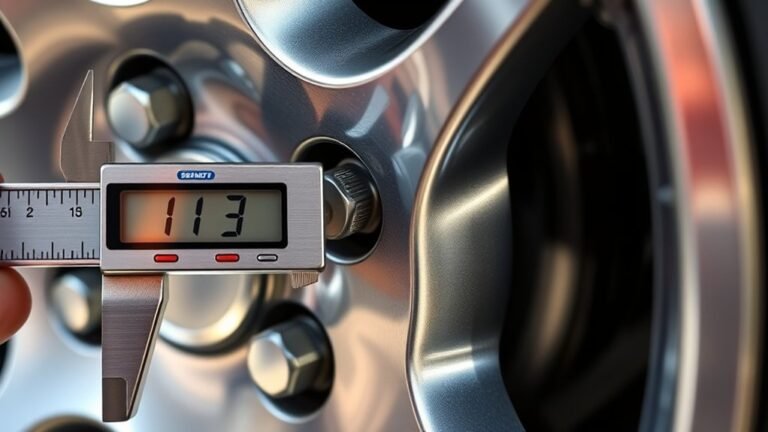
Choosing the right type of wheel lock is just one part of securing your vehicle effectively. You also need to ensure the wheel lock fits your car’s wheels perfectly. Wheel locks come in various sizes, thread pitches, and designs that match specific lug nuts and wheel types.
Before buying, check your vehicle’s manual or measure your lug nuts to find compatible locks. Using incompatible locks can lead to installation issues or damage your wheels. Additionally, consider if your wheels are alloy, steel, or custom, as some locks are designed specifically for these materials.
Security Features Comparison
What makes one wheel lock more secure than another? It’s all about the features designed to deter thieves and withstand tampering. When choosing the right car wheel lock for your vehicle, consider these key security elements:
- Material strength: Hardened steel resists cutting and sawing.
- Locking mechanism: Complex locks like tubular or disc detainers offer better protection.
- Design coverage: Full coverage locks protect lug nuts and rims.
- Anti-drill features: Some locks include hardened inserts to prevent drilling.
- Unique key patterns: Difficult-to-duplicate keys reduce the risk of picking.
Maintenance Tips to Keep Your Car Wheel Lock Working
To ensure your car wheel lock remains effective, you should regularly maintain it to prevent rust or damage that could compromise security. First, clean the lock thoroughly using a mild detergent and water to remove dirt and grime. Avoid harsh chemicals that can corrode metal parts.
Next, apply a lubricant like WD-40 to the locking mechanism every few months to keep it moving smoothly. Check for any signs of wear or damage, such as bent components or stripped keys, and replace parts promptly if needed.
Store the lock in a dry place when not in use to avoid moisture buildup. By following these simple steps, you’ll keep your car wheel lock functioning reliably and extend its lifespan.
How Car Wheel Locks Compare to Other Vehicle Anti-Theft Devices
Regular maintenance helps keep your car wheel lock in top shape, but understanding how it stacks up against other vehicle anti-theft devices can guide you in making the best security choices. Compared to alarms, GPS trackers, and steering wheel locks, wheel locks offer unique benefits and limitations.
Here’s how they compare:
- Visibility: Wheel locks are highly visible deterrents, unlike hidden GPS trackers.
- Physical barrier: They prevent wheel movement, which alarms can’t do.
- Ease of use: Wheel locks take a bit more time to install than key fobs or alarms.
- Cost: Generally more affordable than advanced electronic systems.
- Reliability: No batteries or electronics mean fewer failures compared to alarms or GPS.
Choosing the right mix depends on your security needs and convenience preferences.
Frequently Asked Questions
Are Car Wheel Locks Legal in All States or Countries?
You’ll find car wheel locks legal in most states, but some places have restrictions or require permits. Since laws vary by country and state, you should check local regulations before using one to avoid fines or issues.
Can Wheel Locks Damage My Car’s Wheels or Tires?
Wheel locks won’t damage your wheels or tires if you install and remove them properly. Using the correct key and avoiding overtightening keeps everything safe.
Poor handling, though, could scratch or damage your rims.
How Much Do Car Wheel Locks Typically Cost?
Think of car wheel locks as small guardians for your wheels, usually costing between $20 and $50 for a set. You’ll find some premium options reaching up to $100, but most keep your ride safe without breaking the bank.
Do Car Wheel Locks Affect Tire Rotation or Balancing?
No, car wheel locks don’t affect tire rotation or balancing. You just remove the lock before rotating or balancing your tires. They’re designed to secure wheels, not interfere with regular maintenance tasks like those.
Can Wheel Locks Be Used on Motorcycles or Bicycles?
Yes, you can use wheel locks on motorcycles and bicycles, but you’ll need specific locks designed for their smaller wheels and frames.
Make sure to choose ones that fit securely without damaging your bike or motorcycle.
Conclusion
If you think car wheel locks are just another hassle, think again—coincidentally, they’re one of the simplest yet most effective ways to stop thieves cold. You’ll find that once you install one, your peace of mind grows instantly. Not only do they physically block your wheels, but they also act as a strong deterrent.
So, choosing the right lock and keeping it maintained can make all the difference in protecting your ride. Ultimately, understanding how a car wheel lock works can help you select the best option to secure your vehicle effectively.