
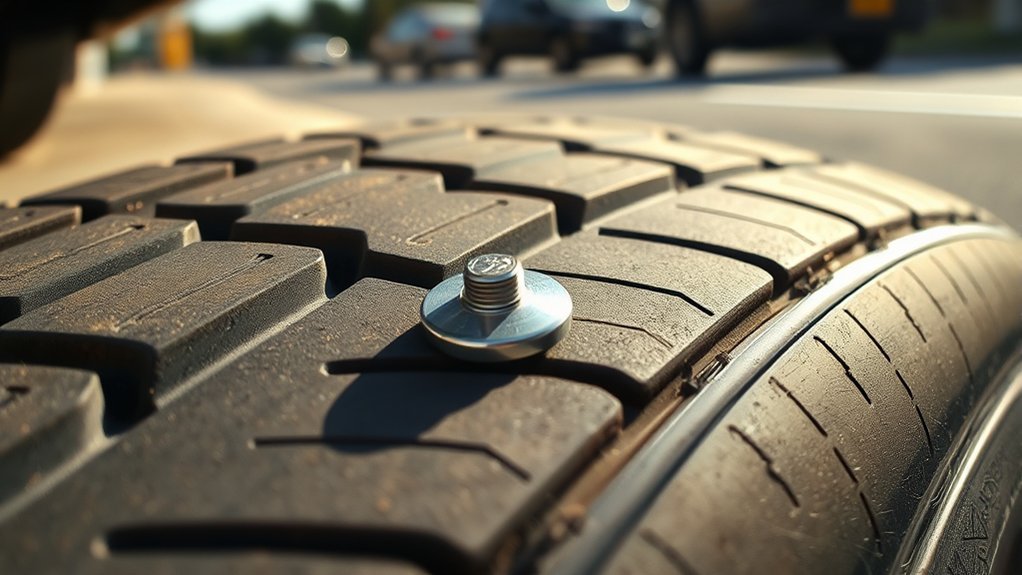
How Long Does a Tire Plug Last
A properly installed tire plug can last anywhere from a few months to several years. How long a tire plug lasts depends on factors like the puncture’s size and location, the quality of the plug, and how you drive.
Small tread punctures usually hold longer than sidewall damage. Keep an eye out for signs of failure like air loss or uneven tire feel, and maintain regular tire checks.
Understanding these factors can help you know when a plug needs attention or replacement.
Key Takeaways
- A properly installed tire plug can last from a few months to several years depending on conditions.
- Small tread punctures generally allow plugs to last longer than sidewall damage.
- Quality of materials and correct installation significantly influence plug durability.
- Heavy use, rough terrain, and aggressive driving reduce plug lifespan.
- Regular tire pressure monitoring helps detect plug failure early for timely repair or replacement.
How Long Does a Tire Plug Last?
How long does a tire plug last? You can expect a properly installed tire plug to last anywhere from a few months to several years, depending on use. A plug seals the puncture temporarily, preventing air from leaking while keeping you safe on the road.
It’s designed as a quick fix, not a permanent solution, so you shouldn’t rely on it forever. Over time, plugs can wear down or lose their seal, especially if the tire undergoes heavy use or rough conditions. You’ll want to monitor your tire’s pressure regularly to catch any slow leaks early.
If the plug holds up well, it can extend your tire’s life until you get a more thorough repair or replacement done.
What Affects Tire Plug Lifespan?
Why does a tire plug sometimes fail sooner than expected? Several factors come into play. First, the size and location of the puncture matter. You’ll have a better lifespan if the damage is small and on the tread, not the sidewall.
Tire plug lifespan depends on puncture size and location—small tread damage lasts longer than sidewall issues.
Second, how well the plug was installed affects its durability. A rushed or improper job can lead to leaks or failures. Third, the quality of the plug and repair materials you use plays a big role.
Additionally, your driving habits impact plug lifespan. Frequent high speeds, rough terrain, or heavy loads put more stress on the repair. Lastly, temperature changes and road conditions can cause plugs to degrade faster.
Keeping these factors in mind helps you understand why some plugs last longer than others.
How to Tell If Your Tire Plug Is Failing
Wondering if your tire plug is starting to fail? Keep an eye out for signs like sudden air loss or frequent need to reinflate your tire. You might also notice a hissing sound near the plug, indicating a slow leak.
If the tire feels soft or uneven while driving, that’s another warning. Visually inspect the plug area for cracks, gaps, or if the plug looks pushed out or deteriorated.
Pay attention to vibrations or pulling while driving, as these can signal plug issues. Catching these signs early helps maintain safety and prevents further damage.
If you notice any of these symptoms, it’s a clear indicator your tire plug isn’t holding up as it should.
When to Repair or Replace Your Tire Plug
Recognizing the signs of a failing tire plug helps you decide when it’s time to take action. If you notice consistent air loss despite the plug, it’s a clear signal to repair or replace it. Also, if the plug appears damaged, cracked, or has shifted, don’t wait. Address it promptly.
You should replace the plug if the puncture is large or located on the tire’s sidewall, as plugs aren’t designed for these areas. Frequent plug failures indicate underlying tire damage, meaning a full tire replacement might be necessary.
Regularly inspect your tire, especially after hitting sharp objects. Taking timely steps ensures your safety and prevents further tire damage or unexpected blowouts while driving.
How to Install Tire Plugs for Longer Life
How can you guarantee your tire plug lasts as long as possible? Start by locating the puncture carefully and removing any debris.
Begin by accurately finding the puncture and clearing away all debris for a lasting tire plug.
Use a proper reaming tool to clean and enlarge the hole, ensuring the plug will fit snugly.
Insert the plug with a plug insertion tool, pushing it deep into the tire until only about half an inch remains outside. Pull the tool out firmly, leaving the plug securely in place.
Trim the excess plug material flush with the tire surface to prevent further damage.
Finally, inflate the tire to the recommended pressure and check for leaks. Properly installing the plug this way helps create a strong, airtight seal that extends the plug’s life and keeps you safe on the road.
Frequently Asked Questions
Can Tire Plugs Be Used on All Types of Tires?
You can use tire plugs on most tires, but avoid applying them on sidewalls or large punctures.
Always check your tire type and damage location first, as some tires need professional repair or replacement instead.
Are Tire Plugs Safe for High-Speed Driving?
Think of tire plugs as seatbelts; they add safety, but they’re not foolproof. You can drive high-speed temporarily, but you shouldn’t trust plugs for long trips or racing.
Get a professional repair or replacement soon.
How Much Does a Professional Tire Plug Service Cost?
You’ll typically pay between $15 and $30 for a professional tire plug service. Prices vary by location and shop, but it’s a quick, affordable fix that can save you from buying a new tire right away.
Can a Tire Plug Fix Sidewall Punctures?
You can’t rely on a tire plug to fix sidewall punctures because the sidewall flexes too much, causing plugs to fail.
It’s safer to replace the tire if the damage is on the sidewall.
Is It Legal to Drive With a Tire Plug in All States?
You can drive with a tire plug in most states, but regulations vary. Some states recommend professional repairs for safety.
Always check local laws and inspect your plug regularly to guarantee it holds and keeps you safe.
Conclusion
A tire plug can be your quick fix, but it’s not a forever solution. Think of it like a bandage on a cut—it holds things together but needs checking. You’ll want to watch for signs of wear or air loss and replace the plug if it starts failing.
By installing it properly and keeping an eye on it, you can extend its life and keep your ride smooth and safe on the road. Remember, how long does a tire plug last depends on proper installation and regular maintenance.