What Is a Wheel Hub
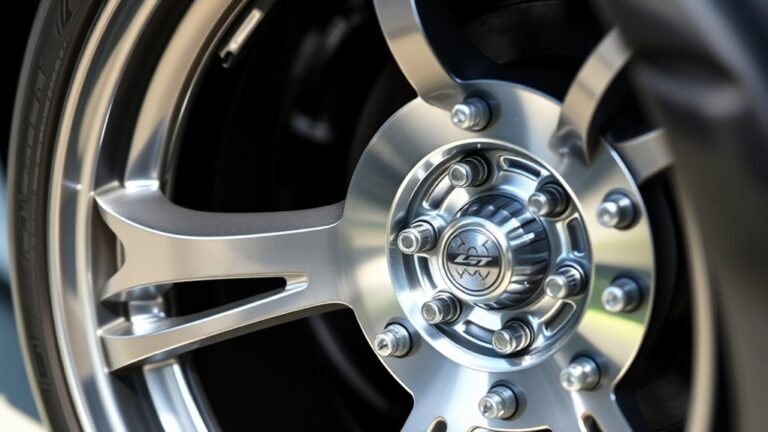
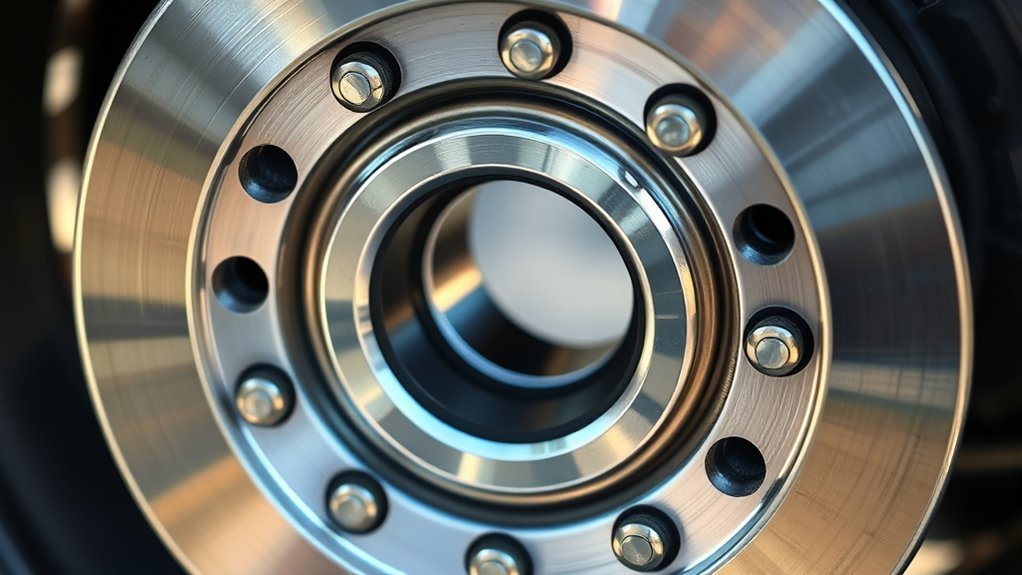
A wheel hub is the center part of your vehicle’s wheel assembly that connects the wheel to the axle, allowing it to spin smoothly while supporting your vehicle’s weight.
It houses bearings that reduce friction and keep your ride stable and safe.
The hub also secures the wheel using lug bolts or studs, playing a key role in your vehicle’s handling and braking.
If you want to understand how it all works and why maintenance matters, there’s more to explore.
Key Takeaways
- A wheel hub is the central part connecting the wheel to the axle, enabling wheel rotation and supporting vehicle weight.
- It contains bearings that reduce friction, allowing smooth and stable wheel spinning during driving.
- The hub secures the wheel with lug bolts or studs, ensuring safe attachment and proper alignment.
- Wheel hubs contribute to vehicle handling, braking efficiency, and overall driving safety.
- Two main types include press-on hubs and bolt-on hubs, with modern vehicles typically using bolt-on hubs with integrated bearings.
What Is a Wheel Hub and How Does It Work
How does a wheel hub work, and why is it so important? You’ll find the wheel hub right at the center of your vehicle’s wheel assembly. It connects the wheel to the axle, allowing it to spin smoothly while supporting the vehicle’s weight.
Inside the hub, bearings reduce friction, so the wheel rotates with minimal resistance. When you drive, the hub keeps the wheel securely attached, ensuring stability and safety. Without a functioning wheel hub, your wheels wouldn’t turn properly, risking control loss or damage.
Different Types of Wheel Hubs Explained
Since the wheel hub plays such a key role in your vehicle’s movement and safety, it’s helpful to know there are different types designed for various applications. You’ll commonly find two main types: the press-on hub and the bolt-on hub.
Press-on hubs are typically found in older vehicles or trailers; they slip onto the axle and rely on a tight fit. Bolt-on hubs, more common in modern vehicles, use bolts to secure the hub to the axle, providing greater strength and ease of maintenance.
Additionally, you might encounter hub assemblies with integrated wheel bearings, which simplify installation and improve durability. Understanding these types helps you choose the right hub for your vehicle’s needs, ensuring reliable performance and safety on the road.
How Wheel Hubs Secure Wheels to Your Vehicle
A wheel hub acts as the central connection point that firmly attaches your vehicle’s wheel to the axle. It holds the wheel in place using lug bolts or studs that pass through the wheel and screw into the hub. This setup ensures your wheel stays securely fastened, even during sudden stops or sharp turns.
The hub also aligns the wheel properly, maintaining balance and smooth rotation.
| Component | Role in Securing Wheel |
|---|---|
| Hub Body | Central mounting surface |
| Lug Bolts | Fasten wheel to hub |
| Wheel Studs | Provide threaded attachment |
| Hub Flange | Supports wheel’s base |
Together, these parts create a reliable connection that keeps your wheels safe and steady on the road.
Why Wheel Bearings Matter in Your Wheel Hub
Why do wheel bearings play such a crucial role in your wheel hub? They allow your wheels to spin smoothly while supporting the vehicle’s weight. Without properly functioning bearings, you’d experience rough rides and increased wear on your wheels and suspension.
You should care about wheel bearings because they:
- Reduce friction between moving parts, improving efficiency
- Support the vehicle’s weight evenly for stability
- Absorb and distribute loads from bumps and turns
- Prevent overheating that can cause premature failure
Signs of a Failing Wheel Hub to Watch For
When wheel bearings start to fail, you might notice unusual noises or vibrations coming from your wheels. A grinding or humming sound that gets louder as you accelerate is a clear sign.
Unusual wheel noises or vibrations, like grinding or humming that intensifies with speed, signal failing wheel bearings.
You may also feel wobbling or looseness in the steering, indicating the wheel hub isn’t holding the wheel securely. Uneven tire wear can develop because the hub isn’t supporting the wheel properly.
In some cases, your vehicle might pull to one side when driving straight. If you catch these signs early, you can prevent further damage and avoid costly repairs.
Always have a professional inspect your wheel hub if you experience these symptoms, as ignoring them can lead to more serious mechanical problems down the road.
How a Faulty Wheel Hub Affects Driving Safety
If your wheel hub is faulty, you’ll notice your vehicle becoming less stable, especially during turns or at high speeds. This instability can make it harder to control your car, increasing the risk of accidents.
Understanding these dangers helps you prioritize timely repairs to keep your driving safe.
Impact On Vehicle Stability
How does a faulty wheel hub affect your vehicle’s stability? When your wheel hub is damaged or worn, it compromises the secure connection between your wheel and the vehicle. This leads to uneven wheel rotation and impacts how your car handles, especially during turns or sudden maneuvers.
You might notice vibrations or a wobbling steering wheel, which directly affects your control.
Here’s what a faulty wheel hub can cause:
- Unstable steering response
- Increased vibration through the steering wheel
- Uneven tire wear affecting grip
- Reduced ability to maintain a straight line
These issues make your vehicle less predictable on the road, reducing your confidence behind the wheel. Keeping your wheel hubs in good shape is essential for smooth, stable driving.
Increased Risk Of Accidents
Why does a faulty wheel hub considerably increase your risk of accidents? When your wheel hub is damaged or worn out, it compromises your vehicle’s handling and control. You may experience vibrations, wobbling, or even wheel separation in extreme cases.
These issues make it harder to steer accurately, especially at high speeds or during sharp turns. Additionally, a faulty wheel hub can cause uneven tire wear, reducing traction and increasing braking distances.
If the hub bearing fails completely, your wheel could lock up or detach, leading to a sudden loss of control. In short, ignoring a faulty wheel hub puts you at a much higher risk of accidents, endangering not just you but everyone on the road.
Regular checks and timely repairs are crucial to keep you safe.
How to Maintain and Care for Your Wheel Hub
Maintaining your wheel hub regularly guarantees smooth performance and extends its lifespan. You don’t have to be a mechanic to keep it in good shape. Start by inspecting the hub for any signs of damage or wear.
Regular wheel hub maintenance ensures smooth performance and longevity without needing expert skills.
Clean the area around the hub to prevent dirt buildup that can cause corrosion. Make sure to lubricate the bearings as recommended by your vehicle’s manufacturer to reduce friction and wear. Finally, check the tightness of the hub nuts to ensure they’re secure.
Here’s a quick checklist to help you maintain your wheel hub:
- Inspect for cracks, rust, or unusual noises
- Clean the hub and surrounding components
- Lubricate bearings with appropriate grease
- Tighten hub nuts to the specified torque
Regular care keeps your wheel hub reliable and safe.
When and Why You Should Replace a Wheel Hub
You should replace your wheel hub if you notice signs like grinding noises or vibrations while driving. Ignoring these issues can compromise your vehicle’s safety and handling.
Getting a timely replacement helps keep your car running smoothly and prevents costly repairs down the road.
Signs Of Wheel Hub Wear
How can you tell when a wheel hub is wearing out? You’ll notice subtle signs that shouldn’t be ignored. Pay attention to these common indicators:
- Unusual noises: Grinding or humming sounds coming from the wheel area, especially when turning.
- Vibration: Feeling vibrations or wobbling through the steering wheel during driving.
- Uneven tire wear: Tires wearing unevenly can hint at a worn wheel hub affecting alignment.
- ABS warning light: A faulty wheel hub can trigger the ABS light on your dashboard.
If you catch any of these signs, it’s time to inspect the wheel hub closely. Replacing a worn hub promptly helps keep your vehicle running smoothly and prevents further damage. Don’t wait until the problem worsens.
Impact On Vehicle Safety
Ignoring signs of a failing wheel hub can put your safety at risk. When a wheel hub wears out, it compromises wheel alignment and stability, making your vehicle harder to control.
You might notice vibrations, noise, or uneven tire wear, all warning signals you shouldn’t ignore. A damaged wheel hub increases the chances of wheel detachment or bearing failure, which can cause accidents or leave you stranded.
It also affects your braking system’s effectiveness, reducing stopping power when you need it most. Replacing a faulty wheel hub promptly ensures your vehicle handles predictably and safely.
Benefits Of Timely Replacement
When should you replace a wheel hub to keep your vehicle running smoothly? You should act as soon as you notice signs like unusual noises, vibrations, or difficulty steering.
Timely replacement prevents further damage and keeps your car safe on the road. By replacing a worn wheel hub promptly, you’ll enjoy several benefits:
- Improved vehicle handling and stability
- Reduced risk of wheel detachment or accidents
- Prevention of damage to tires and suspension components
- Enhanced overall driving comfort and safety
Don’t wait for a complete failure; early replacement saves you money on costly repairs and avoids breakdowns. Staying attentive to your wheel hub’s condition ensures your vehicle performs reliably and safely every time you drive.
Frequently Asked Questions
Can a Wheel Hub Affect Fuel Efficiency?
Yes, a faulty wheel hub can lower your fuel efficiency by causing extra friction and strain on your vehicle.
Keeping it in good shape helps your car run smoother and saves you money at the pump.
Are Wheel Hubs Universal for All Vehicles?
Wheel hubs aren’t one-size-fits-all; they’re like puzzle pieces made for specific vehicles. You can’t just swap them around, so you’ll need the exact fit to keep your ride running smoothly and safely.
How Long Does a Wheel Hub Typically Last?
You can expect a wheel hub to last anywhere between 85,000 to 100,000 miles. However, factors like driving habits, road conditions, and maintenance can make it wear out sooner or last even longer.
Can I Upgrade My Wheel Hubs for Better Performance?
You can upgrade your wheel hubs for better performance. Studies show upgraded hubs can improve handling by up to 15%.
Just pick high-quality, lightweight hubs to reduce unsprung weight and enhance your vehicle’s responsiveness and durability.
Do Wheel Hubs Require Special Tools for Installation?
Yes, you’ll often need special tools like a hub puller or torque wrench to install wheel hubs properly. Using the right tools guarantees a secure fit and prevents damage during installation, keeping your wheels safe and reliable.
Conclusion
Now that you know a wheel hub is the heart of your wheel’s rhythm, keeping everything spinning smoothly, you can feel the pulse of your ride with confidence.
Don’t let worn bearings or a failing hub throw a wrench in your journey. Keep your wheels tightly hugged and your drives safe—maintain and replace when needed.
Your safety and smooth ride depend on a well-functioning wheel hub!