Why Is My Tire Pressure Light Blinking
If your tire pressure light is blinking, it means your TPMS has detected a system issue, not just low tire pressure. This often points to a faulty sensor, dead battery, or a problem with the TPMS receiver.
Weather changes and recent tire maintenance can also trigger it. You should check your tire pressures promptly and get a professional diagnosis if it continues.
Keep going to uncover more on causes, fixes, and prevention to keep your system running smoothly.
Key Takeaways
- A blinking tire pressure light signals a problem with the TPMS sensors or system, not just low tire pressure.
- Common causes include dead sensor batteries, sensor damage, loose connections, or the need for system recalibration.
- Rapid temperature changes can disrupt sensor readings, causing the light to blink due to pressure fluctuations.
- Ignoring a blinking light risks inaccurate tire pressure data and potential tire safety issues.
- If blinking persists after checks, consult a professional for TPMS diagnosis and possible sensor replacement.
What Does a Blinking Tire Pressure Light Mean?
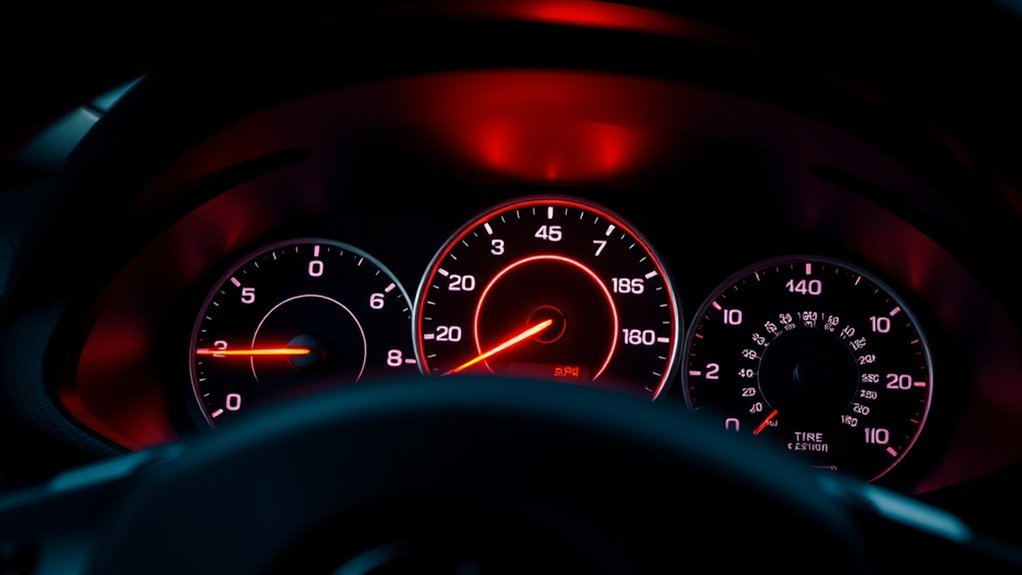
What does it mean when your tire pressure light starts blinking? When that light begins flashing, it usually signals a problem with your Tire Pressure Monitoring System (TPMS) itself, rather than just low tire pressure.
This blinking alerts you that the system’s sensors might be malfunctioning or there’s an issue with the TPMS receiver. It’s different from a steady light, which typically means one or more tires need air.
Ignoring a blinking tire pressure light can lead to inaccurate readings, leaving you unaware of real tire pressure problems. You should check your vehicle’s manual and consider having a professional diagnose the TPMS to ensure your system works correctly and keeps you safe on the road.
How Your TPMS Works
Ever wondered how your car knows when a tire’s pressure is low? It’s all thanks to the Tire Pressure Monitoring System (TPMS). Here’s how it works:
Discover how your car’s Tire Pressure Monitoring System keeps you safe by detecting low tire pressure instantly.
- Sensors in Each Tire: Each tire has a sensor that continuously measures air pressure. These sensors send real-time data to your car’s computer.
- Data Transmission: The sensors transmit pressure readings wirelessly, so your car can monitor all tires simultaneously without any manual checks.
- Warning Signal: When a tire’s pressure drops below the recommended level, the TPMS triggers the tire pressure light on your dashboard. If the system detects a malfunction, that light will blink to alert you.
This technology keeps you informed, helping you maintain safe driving conditions effortlessly.
Common Causes of a Blinking Tire Pressure Light
Why does your tire pressure light start blinking unexpectedly? It usually means there’s a problem with the Tire Pressure Monitoring System (TPMS) itself, not just low pressure. One common cause is a faulty or dead TPMS sensor battery.
These sensors have batteries that wear out over time, causing the light to blink. Another reason could be a sensor malfunction or damage from road debris or tire changes. Loose or corroded sensor connections also trigger blinking.
Sometimes, your vehicle’s onboard computer may need a reset after tire maintenance. If you recently changed or rotated tires without recalibrating the system, the light can blink too. Identifying these issues early helps you avoid bigger problems and keeps your tires performing safely.
How Weather Affects Your Tire Pressure Light
You’ll notice your tire pressure light blinking more when temperatures drop or rise quickly because air inside your tires expands and contracts. Seasonal changes often cause your tire pressure to fluctuate, so your car’s sensors pick up these shifts.
Cold weather, in particular, can make your tires lose pressure faster, triggering that warning light.
Temperature Fluctuations Impact
How does changing weather affect your tire pressure light? When temperatures swing, your tire pressure light can start blinking because your tires respond directly to the heat or cold.
Here’s why:
- Cold air contracts: When the temperature drops, air inside your tires shrinks, lowering the pressure and triggering the light.
- Warm air expands: Higher temperatures cause air to expand, sometimes pushing pressure beyond the sensor’s limit, causing a warning.
- Rapid shifts confuse sensors: Quick temperature changes can temporarily disrupt sensor readings, making the light blink even if your tires are fine.
Seasonal Pressure Changes
Temperature swings don’t just cause brief sensor glitches; they can lead to noticeable seasonal pressure changes that affect your tire pressure light. As the seasons shift, the air inside your tires expands or contracts, changing the pressure.
In warmer months, air expands, increasing tire pressure, while cooler seasons cause it to drop. These pressure variations can trigger your tire pressure light, especially if it dips below the recommended level.
You might notice your light blinking more frequently during spring or fall transitions when temperatures fluctuate widely. To avoid surprises, check your tire pressure regularly during these periods and adjust as needed.
Keeping your tires properly inflated not only prevents the light from blinking but also improves safety, fuel efficiency, and tire longevity throughout the year.
Cold Weather Tire Effects
Why does your tire pressure light often blink more during cold weather? It happens because cold air contracts, lowering your tire pressure and triggering the sensor. Here’s what you need to know about cold weather tire effects:
- Air Contracts: As temperatures drop, the air inside your tires shrinks, dropping pressure and causing the light to blink.
- Sensor Sensitivity: Your tire pressure monitoring system (TPMS) is sensitive to rapid pressure changes, common in cold snaps.
- Frequent Checks Needed: Cold weather means you should check and adjust tire pressure more often to avoid blinking alerts and maintain safety.
Why Your TPMS Sensor Might Cause the Blinking Light
Your tire pressure light might be blinking because your TPMS sensor’s battery is low or dead. You could also be facing signal interference that disrupts communication between the sensor and your car’s system.
Both issues can prevent accurate readings and trigger the blinking warning.
Sensor Battery Issues
How long has it been since you last checked your tire pressure sensor’s battery? If it’s been a while, a dying battery could be the reason your tire pressure light is blinking. These sensors rely on small batteries that don’t last forever.
When a battery weakens, the sensor can’t send accurate signals to your car’s system, triggering that blinking warning.
Here’s what you should know about sensor battery issues:
- Sensor batteries typically last 5-10 years but vary by model and usage.
- Once the battery dies, the whole sensor usually needs replacing since batteries aren’t replaceable.
- A blinking light often means the sensor struggles to communicate, not just low tire pressure.
Regular maintenance can help you avoid unexpected sensor battery failures and keep your tire pressure light steady.
Signal Interference Problems
Sensor batteries aren’t the only cause of a blinking tire pressure light. Signal interference can also disrupt communication between your TPMS sensors and your vehicle. When your car’s system can’t receive clear signals from the sensors, it may trigger the light to blink as a warning.
Interference can come from nearby electronic devices, metal objects, or even certain aftermarket accessories that emit radio frequencies. If you’ve recently installed new gadgets or parked near strong electromagnetic sources, these could be the culprits.
To fix this, try relocating or removing potential sources of interference and see if the light stops blinking. If the problem persists, a professional diagnostic can check your TPMS sensors and vehicle receiver to ensure they’re properly syncing without signal disruption.
What to Do When Your Tire Pressure Light Blinks
When exactly should you take action if the tire pressure light starts blinking? You need to respond immediately, as this indicates a potential issue with the tire pressure monitoring system (TPMS) that could affect your safety. Here’s what you should do:
- Pull over safely: Find a safe spot to stop and avoid driving with a blinking light, as it can signal a malfunction or dangerously low tire pressure.
- Inspect your tires visually: Look for obvious signs like flat tires, punctures, or damage. Even if the tires look fine, don’t ignore the warning.
- Restart your vehicle: Sometimes, the blinking light resets after a restart. If it continues blinking, have your TPMS checked by a professional as soon as possible.
Taking these steps helps prevent accidents and costly repairs.
How to Check and Adjust Tire Pressure
You’ll want to start by checking your tire pressure with a reliable gauge when the light blinks. If the pressure is off, adjust it to the recommended level found in your vehicle’s manual or on the door jamb.
Keeping your tires properly inflated helps guarantee safety and better performance.
Checking Tire Pressure
How do you guarantee your tires have the right pressure? Checking tire pressure regularly is key to safety and performance. Here’s how you do it:
- Find the recommended pressure: Look inside your driver’s door jamb or owner’s manual for the ideal PSI (pounds per square inch) for your tires.
- Use a reliable gauge: Remove the valve cap and press a tire pressure gauge onto the valve stem. Read the pressure displayed.
- Check all tires: Don’t forget the spare tire, as it often gets overlooked but needs proper inflation.
Perform this check when your tires are cold, ideally before driving, for the most accurate readings. Regular checks prevent the tire pressure light from blinking and help maintain tire longevity.
Adjusting Tire Pressure
Properly adjusting your tire pressure guarantees safer driving and better fuel efficiency. Start by removing the valve cap and pressing a tire pressure gauge firmly onto the valve stem.
Compare the reading with the recommended pressure found in your car’s manual or on the driver’s side door jamb. If the pressure is too low, use an air compressor to add air in short bursts, checking frequently.
If it’s too high, press the valve stem slightly to release air until you reach the correct pressure. Replace the valve cap once done.
| Step | Action |
|---|---|
| 1 | Remove valve cap |
| 2 | Use tire pressure gauge |
| 3 | Compare to recommended pressure |
| 4 | Add or release air as needed |
| 5 | Replace valve cap |
How to Reset Your Tire Pressure Light
Wondering what steps to take when your tire pressure light keeps blinking? Resetting it is straightforward once you’ve ensured your tires are properly inflated. Here’s how you can do it:
- Drive your car at 50 mph for about 10 minutes. Many vehicles automatically reset the tire pressure system during this time.
- Use the reset button if your car has one. It’s usually located under the steering wheel or in the glove box. Press and hold it until the light blinks or goes off.
- Turn the ignition off and on after inflation adjustments. Some models reset the system by cycling the key.
Following these steps should turn off the blinking light and keep you rolling safely.
When to Visit a Mechanic for Tire Pressure Light Issues
When should you see a mechanic for your blinking tire pressure light? If you’ve checked and adjusted your tire pressures but the light keeps blinking, it’s time to get professional help.
A blinking tire pressure light often signals a problem with the TPMS sensor itself, such as a malfunction or a dead battery. You should also visit a mechanic if the light blinks alongside warning signs like uneven tire wear, a noticeable tire leak, or poor handling.
Ignoring these issues could lead to unsafe driving conditions. A mechanic can diagnose the root cause, repair or replace faulty sensors, and ensure your TPMS system works correctly. Don’t delay; it’s essential for your safety and your vehicle’s performance.
Tips to Prevent TPMS Problems and Blinking Lights
If your tire pressure light keeps blinking, taking steps to prevent TPMS problems can save you time and money. You can avoid unnecessary trips to the mechanic and keep your vehicle running smoothly by following these simple tips:
- Regularly check tire pressure Use a reliable gauge to ensure your tires are inflated to the recommended PSI, especially before long trips or seasonal changes.
- Maintain your tires Rotate and balance your tires as advised in your vehicle’s manual to prevent uneven wear, which can affect sensor performance.
- Replace TPMS batteries and sensors timely TPMS sensors have batteries that typically last 5-10 years. If your light blinks frequently, consider having the sensors inspected or replaced.
Frequently Asked Questions
Can Low Tire Pressure Affect My Car’s Fuel Efficiency?
Yes, low tire pressure can reduce your car’s fuel efficiency because underinflated tires create more rolling resistance.
You’ll use more fuel to maintain speed, so keeping tires properly inflated saves gas and improves performance.
Does Tire Pressure Impact Vehicle Handling and Braking?
Yes, tire pressure directly impacts your vehicle’s handling and braking. When your tires are underinflated or overinflated, you’ll experience reduced traction, longer stopping distances, and less precise steering.
These issues can compromise your safety on the road.
Are TPMS Sensors Covered Under Car Warranties?
You’ll find TPMS sensors usually covered under your car warranty, especially if they’re faulty from the start.
Can Aftermarket Wheels Cause the TPMS Light to Blink?
Yes, aftermarket wheels can cause your TPMS light to blink if they’re incompatible with your sensors or if the sensors aren’t installed correctly.
Make sure your wheels support TPMS and have the sensors properly calibrated to avoid issues.
How Often Should TPMS Batteries Be Replaced?
You should replace TPMS batteries every 5 to 10 years, depending on your sensor type and usage.
If the light blinks or sensors act up, it might be time to swap the batteries to stay safe.
Conclusion
If your tire pressure light is blinking, don’t ignore it—about 30% of drivers experience TPMS issues that can affect safety and fuel efficiency. This warning often signals sensor problems or pressure inconsistencies you should address promptly.
Regularly checking and maintaining proper tire pressure helps keep your TPMS working smoothly and prevents blinking lights. When in doubt, visit a mechanic to ensure your tires and sensors are in top shape.
Keeping an eye on your tire pressure light blinking is essential for your safety and vehicle performance. Make sure to address any issues quickly to avoid further complications.