How to Read Tire Size
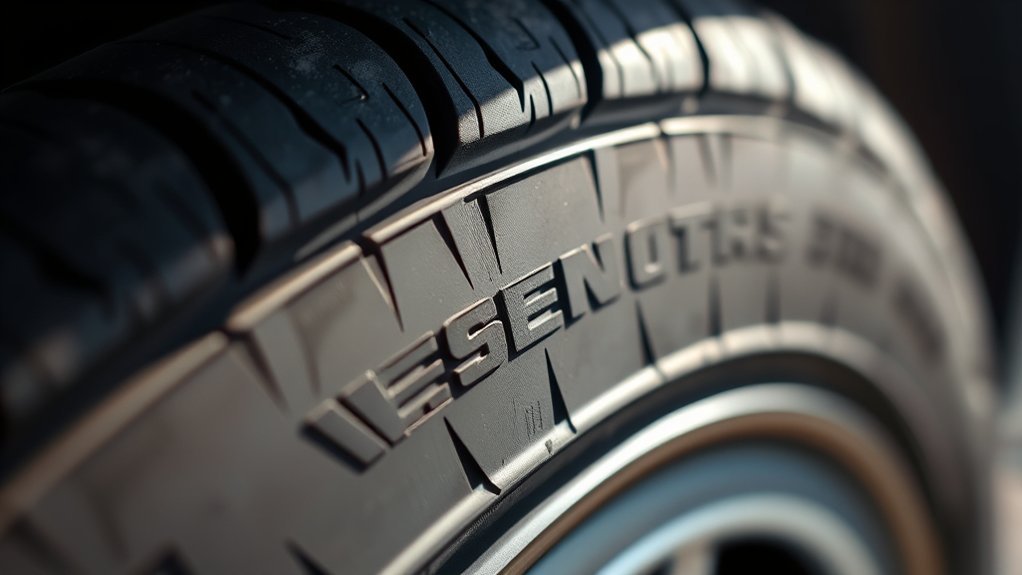
You can read your tire size by decoding the numbers and letters on its sidewall. Understanding how to read tire size is essential for choosing the right tires for your vehicle. The first number shows the tire’s width in millimeters, followed by the aspect ratio, which is the sidewall height percentage.
The letter “R” means radial construction, and the last number tells you the wheel diameter in inches. Load index and speed rating indicate weight capacity and speed limits. Getting the right size guarantees safety, handling, and accurate speedometer readings.
Keep exploring to understand how each factor impacts performance.
Key Takeaways
- The first character in tire size indicates the tire type, such as “P” for passenger vehicles.
- The first number after the prefix shows the tire width in millimeters.
- The letter “R” denotes radial construction, while “D” and “B” indicate other constructions.
- The last number in the size specifies the wheel diameter in inches.
- Aspect ratio follows width and shows sidewall height as a percentage of tire width.
How to Read the Numbers in a Tire Size
How do you make sense of the numbers stamped on your tire’s sidewall? It might seem like a confusing code, but once you break it down, it’s straightforward. The numbers tell you crucial details about your tire’s dimensions and performance.
For example, you’ll see a series like “P215/65R15.” Each part has a specific meaning: the first letter indicates the tire type, like “P” for passenger vehicles. The following numbers represent the tire’s width in millimeters, but we’ll get to that later.
The “R” stands for radial construction, the most common type. Finally, the last number denotes the wheel diameter in inches that the tire fits. Knowing this helps you choose the right tire for your vehicle safely and efficiently.
Decoding Tire Width and Aspect Ratio
You’ll notice the first number in the tire size shows the tire width in millimeters, which affects grip and handling. Right after, the aspect ratio tells you the tire’s height as a percentage of its width, impacting ride comfort and performance.
Understanding these two numbers helps you choose the right tire for your driving needs.
Understanding Tire Width
Tire width plays a pivotal role in your vehicle’s performance and safety. It’s the measurement in millimeters of the tire’s cross-section from sidewall to sidewall. When you read a tire size like 225/50R17, the “225” refers to the tire width.
Understanding this helps you choose tires that fit your wheels properly and handle road conditions effectively.
Here’s why tire width matters:
- Grip: Wider tires offer better traction on dry roads.
- Fuel Efficiency: Narrower tires reduce rolling resistance, improving mileage.
- Handling: Tire width affects how your car responds to steering inputs.
Explaining Aspect Ratio
Why does the aspect ratio matter when decoding your tire size? It tells you the height of the tire’s sidewall as a percentage of its width. For example, if your tire’s size reads 205/55, the “55” means the sidewall height is 55% of the 205 mm width.
This ratio affects ride comfort, handling, and even fuel efficiency. A lower aspect ratio usually means a shorter sidewall, which can improve cornering but might make the ride harsher. Conversely, a higher aspect ratio offers more cushioning but less responsive handling.
Understanding this helps you choose tires that fit your driving style and vehicle requirements. So, always consider the aspect ratio alongside tire width to get the full picture of your tire’s performance.
What the Tire Construction Letter Means
You’ll notice a letter in the tire size that tells you about its construction type. Each letter stands for a different build method, which affects how the tire performs on the road.
Understanding these letters helps you pick the right tire for your driving needs.
Common Construction Letters
Letters within a tire size code reveal key details about its construction. When you see these letters, they tell you how the tire is built and what kind of performance you can expect.
Here are the most common construction letters you’ll encounter:
- R: Stands for Radial construction, the most popular type for passenger vehicles, offering better handling and fuel efficiency.
- D: Indicates Diagonal or Bias-ply construction, often used in older or specialty tires, providing a stiffer ride.
- B: Represents Bias-belted tires, combining features of radial and bias tires for added strength and durability.
Recognizing these letters helps you pick the right tire for your vehicle’s needs and driving style without second-guessing.
Meaning Behind Each Letter
How do those construction letters affect your tire’s performance? Each letter tells you about the tire’s internal design. For example, “R” stands for radial construction, which means the tire’s cords run perpendicular to the direction of travel.
You’ll often see this on modern tires because it provides better flexibility and durability. “D” means diagonal or bias-ply construction, where cords crisscross at angles. This design was common in older tires and offers a stiffer sidewall.
“B” indicates belted bias, combining diagonal layers with belts for improved strength. Knowing these letters helps you identify the tire’s build, so you can match it with your vehicle’s needs. When you see these letters, you’ll understand the tire’s structure better, even before checking its performance specs.
Impact on Tire Performance
Why does the tire construction letter matter when choosing tires? It directly affects how your tires perform on the road. That letter, usually “R” for radial or “D” for diagonal, tells you about the tire’s internal build, which influences durability, traction, and ride comfort.
Here’s what you gain by understanding it:
- Handling and Stability: Radial tires offer better grip and smoother rides, while diagonal tires can be tougher but less flexible.
- Wear and Longevity: Construction affects how evenly tires wear, impacting how often you’ll need replacements.
- Fuel Efficiency: Radial tires typically reduce rolling resistance, helping you save on gas.
Knowing the tire construction letter helps you pick tires that fit your driving style and vehicle needs perfectly.
Understanding Tire Diameter and Rim Size
Ever wondered what those numbers on your tire really mean? The tire diameter is the total height of the tire, measured from the ground to the top of the tread.
The rim size, on the other hand, refers to the diameter of the wheel the tire fits on. Knowing both helps you choose the right tire for your vehicle and ensures a proper fit.
Here’s a quick reference table:
| Tire Size Code | Tire Diameter (inches) | Rim Size (inches) |
|---|---|---|
| 205/55R16 | 24.9 | 16 |
| 225/45R17 | 24.1 | 17 |
| 195/65R15 | 25.3 | 15 |
Understanding these helps you maintain safety and performance.
What Load Index and Speed Rating Tell You
Understanding the load index and speed rating on your tire is essential for safety and performance. The load index tells you the maximum weight your tire can carry when fully inflated, while the speed rating indicates the highest speed your tire can safely handle. Ignoring these can lead to tire failure or compromised handling.
Here’s what you need to know:
- Load Index: A numerical code representing maximum load capacity. Higher numbers mean greater load support.
- Speed Rating: A letter indicating maximum safe speed. For example, “H” equals 130 mph, “V” equals 149 mph.
- Importance: Matching these ratings to your vehicle’s requirements ensures optimal tire performance and safety.
Always choose tires with suitable load and speed ratings for your driving conditions.
How to Identify Tire Type by Size and Use
Knowing the load index and speed rating helps you pick tires that fit your vehicle’s demands, but recognizing the tire type from its size gives you insight into its best uses. Look at the tire’s prefix and size format. For example, tires starting with “P” are for passenger vehicles, while “LT” indicates light trucks.
The width and aspect ratio also hint at the tire’s design. Wider tires with lower profiles often suit performance or sports cars, while taller sidewalls indicate off-road or all-terrain use. Additionally, the tread pattern visible on the sidewall or mentioned in the size code suggests if the tire is for highway, mud, or winter driving.
Why Tire Size Matters for Safety and Performance
Why does tire size play such a vital role in your vehicle’s safety and performance? Because the right size affects how your car handles, brakes, and even the accuracy of your speedometer. Choosing the wrong size can compromise stability and increase wear.
Here’s why tire size matters:
- Handling and Control: Proper tire size ensures your vehicle responds predictably, especially during turns and emergency maneuvers.
- Braking Efficiency: Correct tire dimensions help maintain optimal contact with the road, shortening stopping distances.
- Speedometer Accuracy: Tires that differ in circumference can cause your speedometer and odometer to give false readings.
Understanding these impacts helps you stay safe and keep your vehicle performing at its best.
How to Find the Right Tire Size for Your Vehicle
Finding the right tire size for your vehicle starts with checking the manufacturer’s recommendations, usually found on the driver’s side door jamb or in the owner’s manual. These specs include the ideal tire width, aspect ratio, and rim diameter designed for your car’s performance and safety.
You can also find this information on a sticker inside the fuel door or glove compartment. Avoid guessing or choosing tires based on what looks good. Using the wrong size can affect handling, fuel efficiency, and even cause damage.
If you’re replacing tires, stick to the recommended size or consult a professional before making changes. Remember, the numbers and letters on your current tires might differ from the manufacturer’s specs, so verifying the official guidelines ensures you select the right size every time.
Tips for Comparing and Choosing Tires by Size
How do you effectively compare tire sizes to choose the best fit for your driving needs? Start by understanding the key measurements: width, aspect ratio, and diameter, and how they affect performance. Then, consider your driving habits and vehicle requirements before making a decision.
Keep these tips in mind:
- Match the manufacturer’s recommended size: This ensures safety and optimal performance.
- Consider tire width and profile: Wider tires offer better grip, while lower profiles improve handling but may reduce comfort.
- Check clearance and compatibility: Make sure the new size fits without rubbing or affecting suspension components.
Frequently Asked Questions
How Often Should I Check My Tire Pressure?
You should check your tire pressure at least once a month and before long trips. Tires naturally lose air over time, so regular checks help maintain safety, improve fuel efficiency, and extend tire life.
What Causes Uneven Tire Wear?
Uneven tire wear happens because your alignment’s off, your tires aren’t balanced, or your pressure’s inconsistent. You might think rough roads cause it, but usually, it’s mechanical issues you can fix quickly.
How Do I Know When to Replace My Tires?
You should replace your tires when the tread depth is below 2/32 inch, you notice cracks or bulges, or if you experience frequent flats or poor traction.
Regularly check wear indicators to stay safe on the road.
Can I Mix Different Tire Brands on My Vehicle?
You can mix different tire brands, but it’s best to keep the same size, type, and tread pattern for safety and performance.
Mixing brands may cause uneven wear or handling issues, so proceed with caution.
How Does Tire Age Affect Performance?
Tire age affects performance by causing rubber to harden and crack, reducing grip and safety. You shouldn’t ignore tire age, even if tread looks fine, since older tires can fail unexpectedly and compromise your driving experience.
Conclusion
Now that you know how to read tire sizes, you might wonder if bigger tires always mean better performance. The truth? Not always. While larger tires can improve grip, they might also affect fuel efficiency and handling.
Understanding tire size helps you pick the right balance for safety and performance. So, don’t just go for what looks bigger—choose what fits your vehicle and driving needs perfectly.
Your tires truly make all the difference when you understand how to read tire size.