What Is a Wheel Hub Assembly
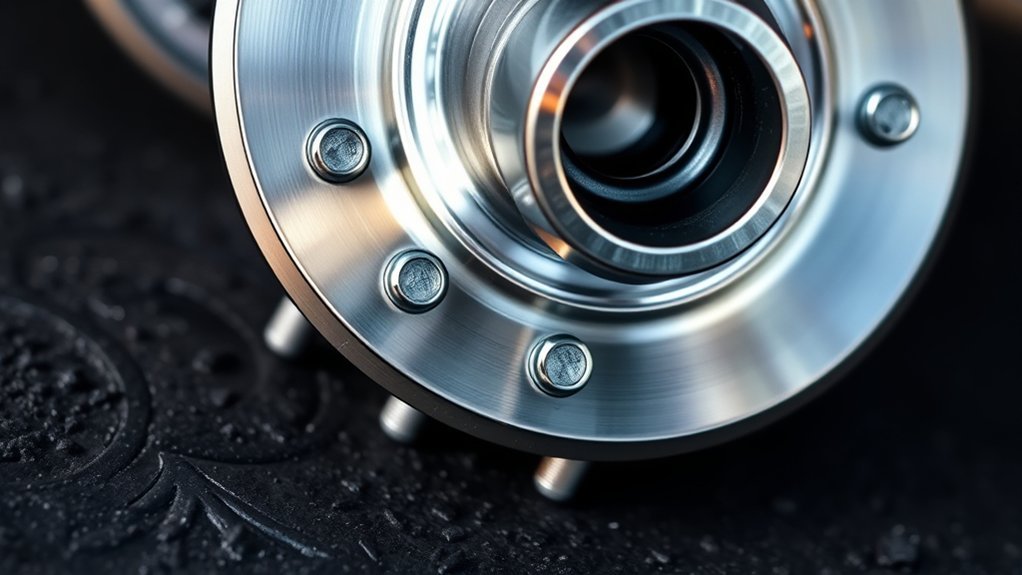
A wheel hub assembly is a crucial component that connects your vehicle’s wheel to the axle, allowing smooth rotation and proper alignment. It houses the wheel bearings and sometimes an ABS sensor, which supports your braking system and suspension.
This assembly handles loads from the vehicle and absorbs shocks from the road, ensuring stable steering and even tire wear.
If you want to understand how it influences safety, performance, and when it needs replacement, keep exploring the details.
Key Takeaways
- A wheel hub assembly is the central component connecting the wheel to the vehicle’s axle, housing the wheel bearings.
- It enables smooth wheel rotation and supports the braking system integration, sometimes including an ABS sensor.
- The hub assembly connects the wheel securely to suspension parts, maintaining alignment and stability during movement.
- It transfers vehicle load to the wheel while reducing noise, vibration, and irregular tire wear.
- Common failure signs include noise, steering play, ABS warning lights, and uneven tire wear, indicating the need for replacement.
What Is a Wheel Hub Assembly?
What exactly is a wheel hub assembly, and why does it matter to your vehicle? Simply put, it’s the central part that connects your car’s wheel to the axle.
This assembly includes the hub itself, bearings, and sometimes the ABS sensor. When you turn your steering wheel or hit the road, the wheel hub assembly keeps your wheels rotating smoothly while holding them firmly in place.
Without it, your wheels wouldn’t stay attached, and your car wouldn’t move safely. It also helps reduce friction between the wheel and axle, ensuring a quieter, more efficient ride.
How the Wheel Hub Assembly Supports Your Suspension
You rely on the wheel hub assembly to connect your wheel to the suspension system securely. It plays a key role in absorbing shocks from the road, helping your ride stay smooth.
This connection also directly affects your vehicle’s stability, keeping you in control at all times.
Connection Between Wheel And Suspension
How does the wheel hub assembly play a crucial role in connecting your wheel to the suspension system? It acts as the vital link between your wheel and suspension components, ensuring everything moves smoothly together.
The assembly mounts securely to the suspension’s control arms or struts, providing a stable base for your wheel. This connection allows your wheel to rotate freely while maintaining alignment with the suspension’s movements.
Role In Shock Absorption
Why does the wheel hub assembly matter when it comes to shock absorption? Because it acts as a critical interface between your vehicle’s wheels and suspension system, it helps absorb and distribute the forces from road impacts. By maintaining proper alignment and allowing smooth wheel rotation, it supports your suspension’s ability to cushion bumps and vibrations effectively.
Here’s how the wheel hub assembly contributes to shock absorption:
| Component | Function | Effect on Shock Absorption |
|---|---|---|
| Bearing | Reduces friction | Smooth wheel rotation |
| Mounting flange | Connects to suspension | Transfers impact forces |
| Seal | Keeps contaminants out | Maintains bearing performance |
| Wheel studs | Secure the wheel | Stabilizes wheel during shocks |
| Hub body | Houses internal parts | Supports structural integrity |
Impact On Vehicle Stability
Besides aiding shock absorption, the wheel hub assembly plays a major role in keeping your vehicle stable on the road. It connects the wheel to your suspension system, ensuring smooth rotation and precise alignment.
When the hub assembly functions correctly, it maintains proper wheel positioning, which directly affects how your vehicle responds to steering inputs and road conditions. If the hub assembly wears out or becomes damaged, you might notice vibrations, uneven tire wear, or difficulty controlling your vehicle, especially during turns or at high speeds.
Common Causes of Wheel Hub Assembly Failure
Understanding the common causes of wheel hub assembly failure can help you spot problems early and avoid costly repairs. Wheel hub assemblies endure a lot, and several factors can lead to their premature failure.
You’ll often find these issues linked to:
Wear and Tear: Constant friction and load cause bearings to degrade over time.
Contamination: Dirt, water, or debris entering the hub assembly can cause corrosion and bearing damage.
Improper Installation: Incorrect torque or poor handling during installation stresses components and shortens lifespan.
How to Spot a Failing Wheel Hub Assembly
You’ll want to watch for common warning signs like uneven tire wear or a loose steering feel. Pay close attention to unusual noises, such as grinding or humming sounds coming from the wheels.
Vibrations while driving can also signal a failing wheel hub assembly that needs your attention.
Common Warning Signs
How can you tell if your wheel hub assembly is starting to fail? You’ll notice several warning signs that shouldn’t be ignored. These symptoms often point to wear or damage, and catching them early can save you from costly repairs.
Keep an eye out for these common warning signs:
- Uneven tire wear: If your tires start wearing out unevenly, it could mean the hub assembly isn’t holding the wheel properly.
- Steering wheel play: Excessive looseness or vibration while steering signals potential hub issues.
- ABS light activation: Since many hubs house ABS sensors, a failing hub assembly might trigger the warning light on your dashboard.
If you spot any of these signs, it’s wise to have your wheel hub assembly inspected promptly.
Noise and Vibration Indicators
When did you last pay attention to unusual noises or vibrations coming from your wheels? If you hear a grinding, humming, or growling sound that changes with your speed, it’s a strong sign your wheel hub assembly might be failing.
You may also feel vibrations through the steering wheel or the vehicle itself, especially when turning or accelerating. These sensations often indicate worn or damaged bearings inside the hub.
Ignoring these warning signs can lead to further damage and unsafe driving conditions. So, if you notice these noises or vibrations, inspect your wheel hub assembly promptly or have a professional check it.
Catching issues early helps keep your vehicle safe and prevents costly repairs down the road.
How a Faulty Wheel Hub Assembly Affects Safety and Performance
Why does a faulty wheel hub assembly pose such a serious risk to your vehicle’s safety and performance? When the wheel hub assembly fails, it directly compromises the stability and control of your vehicle. You might notice uneven tire wear or experience steering issues, which can quickly escalate into dangerous driving conditions.
Additionally, a damaged wheel hub can affect your braking system, reducing its efficiency and increasing stopping distances. Here’s how it impacts you:
- Loss of steering precision, making handling unpredictable
- Increased vibration and noise, distracting you and signaling deeper issues
- Potential wheel detachment, posing a severe accident risk
Addressing wheel hub problems promptly keeps you safe and maintains your car’s performance on the road.
When and Why to Replace Your Wheel Hub Assembly
Ignoring signs of a failing wheel hub assembly can lead to serious safety hazards and costly repairs. You should replace it as soon as you notice symptoms like unusual noises, vibration, or looseness in the wheel. These issues often indicate worn bearings or damaged components, which compromise your vehicle’s stability and braking.
Waiting too long can cause further damage to suspension parts or even lead to wheel detachment while driving. Additionally, if your ABS warning light comes on, it might signal a hub assembly problem since many hubs include an ABS sensor.
Replacing the wheel hub assembly promptly restores smooth handling, ensures reliable braking, and maintains your vehicle’s safety. Don’t ignore these signs. Addressing them early saves you from bigger headaches down the road.
What Happens During a Wheel Hub Assembly Replacement
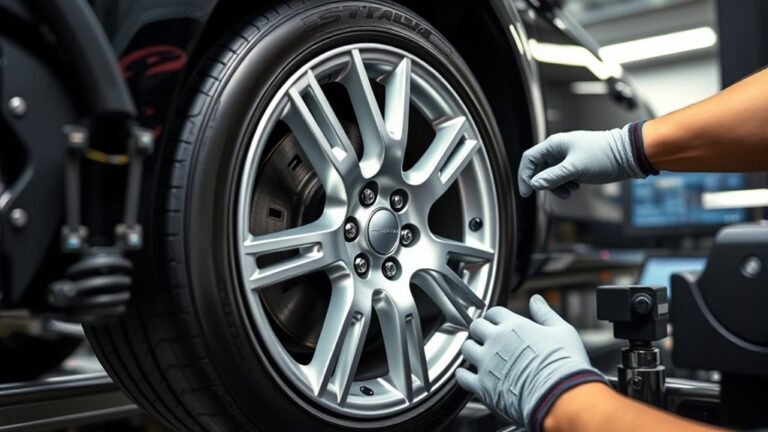
Curious about what goes on during a wheel hub assembly replacement? First, the mechanic lifts your vehicle and removes the wheel. Then, they take off the brake caliper and rotor to access the hub assembly.
After that, the old hub assembly is unbolted and carefully removed. The new assembly is installed, secured tightly, and everything is reassembled.
During this process, you can expect:
- Removal of components surrounding the hub for clear access
- Careful handling of the ABS sensor if your vehicle has one
- Torque specifications followed to ensure safety and performance
This procedure restores smooth wheel rotation and eliminates noise or vibration issues caused by a faulty hub assembly. You’ll notice improved driving stability once the replacement is complete.
Frequently Asked Questions
Can I Lubricate a Wheel Hub Assembly Myself?
You can lubricate a wheel hub assembly yourself if you have the right tools and grease. Just clean the area first, apply high-quality grease, and reassemble carefully to ensure smooth operation and avoid damage.
Are Wheel Hub Assemblies the Same for All Vehicles?
About 90% of wheel hub assemblies differ across vehicles. You can’t use the same one for every car because designs vary by make, model, and year.
Always check compatibility before buying or installing.
How Long Does a Wheel Hub Assembly Typically Last?
You can expect a wheel hub assembly to last between 75,000 and 100,000 miles, but factors like driving habits and road conditions can shorten its lifespan.
Keep an eye out for signs of wear or noise.
Can a Bad Wheel Hub Assembly Cause Uneven Tire Wear?
Yes, a bad wheel hub assembly can cause uneven tire wear because it affects wheel alignment and stability.
You’ll notice vibrations or noise, which can lead to premature tire damage if you don’t replace it promptly.
Is It Safe to Drive With a Noisy Wheel Hub Assembly?
Driving with a noisy wheel hub assembly is like walking on thin ice. You’re risking a sudden failure. You shouldn’t ignore it; get it checked promptly to avoid dangerous driving conditions and costly repairs down the road.
Conclusion
Now that you know how crucial a wheel hub assembly is, it’s clear why nearly 70% of wheel-related issues stem from hub problems. Ignoring signs of failure can compromise your safety and vehicle performance.
Keeping an eye on your wheel hub assembly and replacing it when needed ensures smoother rides and prevents costly repairs down the road. Don’t wait—your car’s stability depends on a well-maintained wheel hub assembly!