When to Replace Fuel Filter on 2021 Canyon
You should replace the fuel filter on your 2021 Canyon every 30,000 miles under normal driving conditions. If you drive in severe environments, consider replacing it every 15,000 miles. Regular replacement helps maintain optimal fuel flow and engine performance.
Watch for signs like engine hesitation, reduced acceleration, or difficulty starting, which indicate clogged filters needing immediate attention. Following the manufacturer’s guidelines in your owner’s manual helps maintain fuel system efficiency.
Understanding symptoms, causes, and proper replacement procedures will ensure your Canyon performs reliably and extends the life of your fuel system.
Signs Your 2021 Canyon’s Fuel Filter Needs Replacing
How can you tell when your 2021 Canyon’s fuel filter needs replacing? Focus on specific symptoms like engine hesitation, reduced acceleration, or difficulty starting. These signs indicate fuel flow restriction caused by a clogged filter.
Avoid unnecessary discussion or irrelevant topics such as unrelated engine parts or fuel type debates. Pay attention to decreased fuel efficiency and engine misfires, which also signal filter degradation.
It’s crucial to distinguish these signs from other mechanical issues to prevent misdiagnosis. Additionally, a noticeable drop in power during high-demand scenarios, like towing or climbing hills, often points directly to fuel delivery problems linked to the filter.
When to Replace Your 2021 Canyon’s Fuel Filter
When should you replace your 2021 Canyon’s fuel filter to maintain peak performance? Typically, it’s recommended every 30,000 miles or as specified in your owner’s manual. Avoid irrelevant chatter and unrelated tangents about fuel additives or engine tweaks. Focus solely on your fuel filter’s schedule. Timely replacement prevents clogging, protecting fuel flow and engine efficiency.
| Condition | Replacement Interval |
|---|---|
| Normal driving conditions | Every 30,000 miles |
| Severe driving conditions | Every 15,000 miles |
| Engine performance issues | Inspect and replace ASAP |
| Manufacturer’s recommendation | Follow owner’s manual |
Sticking strictly to these guidelines ensures optimal fuel system health without confusion from irrelevant chatter or unrelated tangents that could distract from essential maintenance.
How to Replace Your 2021 Canyon’s Fuel Filter
Wondering what steps to take to replace the fuel filter on your 2021 Canyon? First, ensure the vehicle is parked on a flat surface and the engine is cool. Relieve fuel system pressure by removing the fuel pump fuse and running the engine until it stalls.
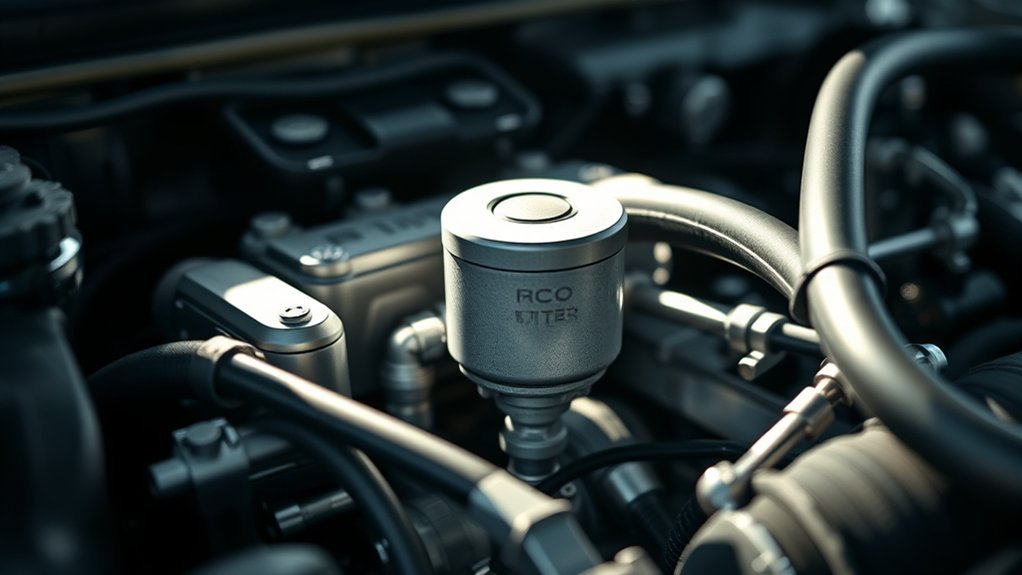
Disconnect the battery for safety. Locate the fuel filter along the fuel line, usually near the fuel tank or engine bay. Use appropriate tools to disconnect the fuel lines from the filter, catching any residual fuel.
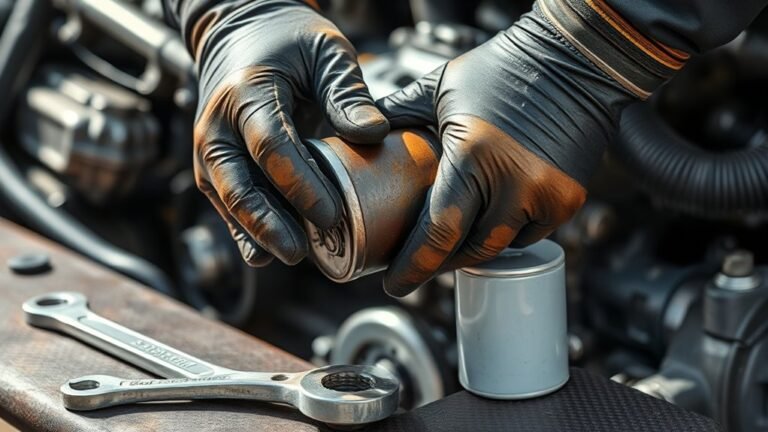
Remove the old filter and install the new one, ensuring the flow direction matches the filter’s arrow. Reconnect fuel lines securely. After replacement, perform a fuel system inspection for leaks or damage.
Adhering to the recommended replacement frequency helps maintain optimal performance and prevents clogging.
Common Causes of Fuel Filter Clogging in the 2021 Canyon
Why does your 2021 Canyon’s fuel filter clog prematurely? Understanding the precise causes helps prevent unexpected issues. Contrary to some unrelated topic distractions or random hypothesis, actual causes are rooted in fuel system conditions and contaminants.
Common reasons include:
- Accumulation of dirt and debris from low-quality or contaminated fuel
- Rust particles originating from the fuel tank’s interior corrosion
- Excessive moisture leading to fuel degradation and filter saturation
- Residue buildup from additives or fuel stabilizers that don’t fully dissolve
- Engine wear producing microscopic metal shavings circulating through the fuel lines
Fuel Filter Maintenance Tips for Your 2021 Canyon
How often should you check and maintain the fuel filter in your 2021 Canyon to ensure best engine performance? Generally, inspecting the fuel filter every 20,000 to 30,000 miles is advisable. Regular maintenance prevents clogging, which can reduce fuel flow and engine efficiency.
For a novice-friendly approach, start by consulting your owner’s manual for specific intervals and use proper tools to avoid damage. Don’t fall for troubleshooting myths like “fuel filters clean themselves” or “only replace when symptoms appear.” These can lead to costly repairs.
When replacing, ensure the filter matches OEM specifications and install it securely to prevent leaks. Consistent maintenance supports optimal fuel delivery, reduces strain on the fuel pump, and extends the lifespan of your 2021 Canyon’s engine system.
Frequently Asked Questions
What Type of Fuel Filter Does the 2021 Canyon Use?
You’d think the 2021 Canyon runs on unicorn magic, but nope. It uses a paper element, in-line fuel filter. For your fuel system, regular maintenance tips include timely replacement to avoid clogging and guarantee precise engine performance.
Can a Dirty Fuel Filter Damage the Fuel Pump?
Yes, a dirty fuel filter can strain your fuel pump by restricting fuel flow, causing it to work harder and potentially fail.
Concerns about unrelated topics are irrelevant when diagnosing fuel pump issues linked to filtration.
Is It Safe to Drive With a Clogged Fuel Filter?
It’s not safe to drive with a clogged fuel filter; it restricts fuel flow, causing engine performance issues.
Discussing unrelated issues like tire pressure is an irrelevant topic when addressing fuel system safety concerns.
Do Fuel Additives Help Prevent Fuel Filter Clogging?
Don’t count your chickens before they hatch. Do fuel additives truly prevent fuel filter clogging? Most fuel filtration myths exaggerate their effect; additives clean injectors but don’t considerably stop debris buildup in the filter itself.
Can I Replace the Fuel Filter Myself Without Special Tools?
Yes, you can replace the fuel filter yourself with basic tools. Follow DIY replacement tips carefully, like relieving fuel pressure first.
Prioritize safety by working in a well-ventilated area and wearing protective gear to avoid hazards.