How Do You Pop a Clutch
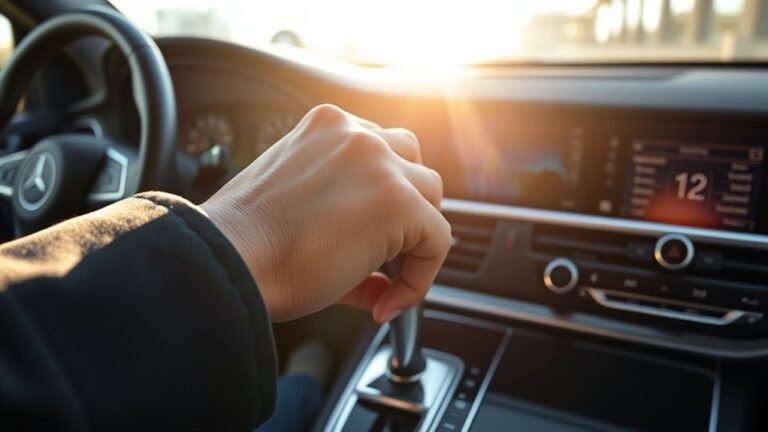
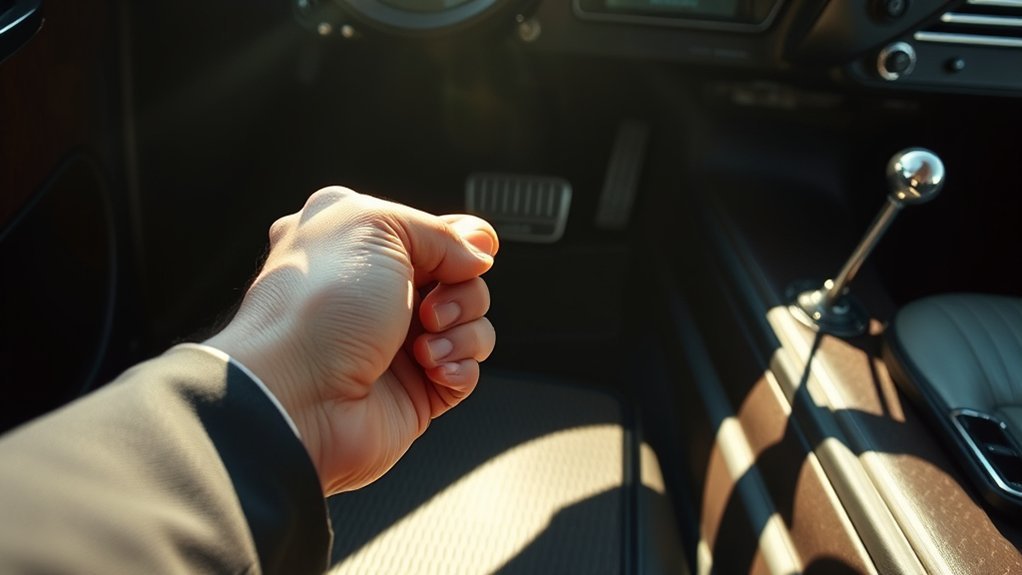
To pop the clutch, hold the clutch pedal fully down while keeping the engine at idle, then select first gear. Begin releasing the clutch quickly but with control until you feel the biting point, while applying throttle to raise RPM slightly above idle.
The goal is to engage the engine and transmission swiftly, allowing quick acceleration or restarting. You’ll want to master timing and throttle control to avoid stalling or drivetrain damage.
Understanding these techniques helps improve your clutch engagement precision. Proper practice ensures smoother gear shifts and better vehicle control.
What Does It Mean To Pop The Clutch?
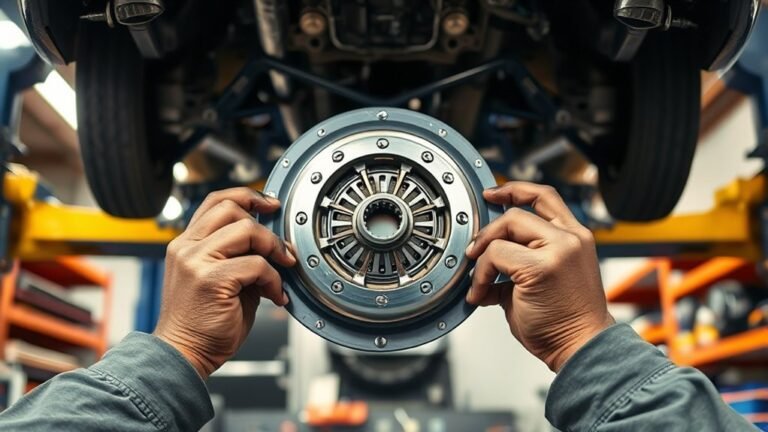
What exactly does it mean to pop the clutch? Popping the clutch refers to the rapid release of the clutch pedal, causing the clutch materials to engage abruptly. When you do this, the clutch plates, which are lined with specific friction materials, quickly connect the engine to the transmission.
This sudden engagement transfers engine torque to the drivetrain with minimal modulation. You’ll notice distinct pedal feedback, an immediate and firm resistance release, as the clutch transitions from disengaged to fully engaged. This contrasts with a slow, gradual release where clutch materials engage progressively.
Understanding the tactile feedback through the pedal is essential since it signals how swiftly you are engaging the clutch. Precise timing and control during this action are essential to avoid mechanical stress or stalling.
When Should You Pop The Clutch And Why?
When is popping the clutch appropriate, and why would you choose this technique over a smooth engagement? Popping the clutch is ideal when you need quick acceleration or to restart a stalled engine, leveraging driving psychology for immediate vehicle response. It’s not about regular fuel efficiency but about control in specific scenarios.
You should pop the clutch when:
- Launching a manual car quickly, such as in racing or emergency maneuvers.
- Restarting the engine after a stall without rolling backward.
- Maneuvering in tight spaces requiring swift engagement.
- Managing vehicle control on slippery surfaces where gradual clutch release isn’t effective.
Understanding when to pop the clutch helps optimize your driving technique, balancing vehicle performance demands with energy use and control precision.
Step-By-Step Guide To Pop The Clutch Smoothly
How exactly do you pop the clutch smoothly to guarantee controlled acceleration without damaging the drivetrain? First, ensure your engine maintenance is up to date to avoid undue strain.
Start with the clutch fully pressed and the engine at a stable idle. Engage first gear and gradually release the clutch pedal until you feel the biting point.
At this moment, gently apply throttle to increase engine RPM slightly above idle, balancing power delivery. Continue releasing the clutch smoothly while increasing throttle to prevent stalling or jerking.
Avoid sudden clutch release to protect drivetrain components and maintain road safety. Practice in a safe, controlled environment to refine your timing and coordination.
Following these steps ensures smooth clutch engagement, preserving mechanical integrity and promoting safe vehicle operation.
Tips To Time Your Clutch Release Perfectly
Why does timing your clutch release matter so much? Proper timing ensures smooth engagement and prevents premature wear, which is crucial given manual transmission nuances and overall car maintenance.
Timing your clutch release is essential for smooth driving and extending your manual transmission’s lifespan.
To time your clutch release perfectly, focus on these key points:
- Gradually lift the clutch pedal while simultaneously applying throttle to match engine revs.
- Listen for the “biting point,” where the clutch plates begin to engage, indicating the ideal moment to ease off fully.
- Avoid sudden releases; smoothness reduces stress on transmission components.
- Practice controlling engine speed relative to clutch engagement to minimize jerks and maintain vehicle control.
Mastering this timing preserves your car’s drivetrain integrity and enhances your driving precision.
How To Avoid Stalling And Grinding When Popping The Clutch
To avoid stalling and grinding when popping the clutch, you need to master proper clutch release timing by gradually disengaging the pedal. Apply throttle smoothly to match engine speed with the transmission without sudden spikes.
Finally, ensure your gear engagement is coordinated to prevent mechanical strain and maintain drivetrain harmony.
Proper Clutch Release Timing
When should you release the clutch to prevent stalling or grinding while popping it? Timing is critical. You want to engage the clutch just as the engine reaches an optimal RPM, which depends on precise engine tuning.
Releasing too quickly causes stalling or harsh grinding, while too slow engagement leads to excessive wear.
Focus on these key points for proper clutch release timing:
- Monitor engine RPM closely; aim for the RPM range specified by your vehicle’s tuning.
- Release the clutch pedal smoothly but deliberately, avoid sudden let-offs.
- Maintain safety awareness by ensuring the vehicle is in a safe environment before practicing.
- Listen for changes in engine sound indicating the clutch is engaging properly.
Mastering this timing prevents mechanical damage and ensures smooth power delivery.
Smooth Throttle Application
Master smooth throttle application by gradually increasing engine power as you release the clutch to prevent stalling or grinding. To achieve clutch finesse, avoid abrupt throttle movements that cause throttle snappiness, which can disrupt the engagement process.
Instead, apply throttle progressively, matching engine RPM rise with clutch release speed. This synchronization maintains consistent torque transfer, preventing engine lugging or wheel slip.
Focus on subtle accelerator inputs. Too little throttle leads to stalling, too much causes jerky engagement and drivetrain stress. Practice modulating the gas pedal smoothly, allowing the clutch to bite without sudden surges.
Coordinated Gear Engagement
A pivotal aspect of coordinated gear engagement is timing the clutch release and gear selection to guarantee smooth power transfer without stalling or grinding. When you pop clutch, understanding manual transmission dynamics is essential to avoid abrupt engagement that damages the drivetrain.
To master this, focus on:
- Synchronizing clutch release with engine RPM to match gear speed precisely.
- Selecting the appropriate gear for your speed to prevent forced shifts.
- Applying gradual throttle input as the clutch re-engages to maintain torque balance.
- Listening for transmission feedback cues to adjust your timing in real-time.
Common Mistakes To Avoid When Popping The Clutch
When popping the clutch, mistiming the release can cause jerky engagement or damage to the drivetrain. You’ll need to avoid engine stall by coordinating clutch release with proper throttle input.
Managing throttle control precisely ensures smooth acceleration without over-revving or stalling.
Timing The Clutch Release
Timing the clutch release is essential for a smooth and effective pop. You need to synchronize the clutch pedal’s release with the engine’s RPM to avoid jerks or damage. In pop culture, popping the clutch is often glamorized, but precise timing and pedal feel are critical in practice.
To master timing, focus on these key points:
- Gradually release the clutch pedal, sensing the friction zone through pedal feel.
- Avoid dumping the clutch abruptly; this causes drivetrain shock.
- Match engine RPM to the desired torque before releasing the clutch to maintain momentum.
- Practice smooth coordination between throttle input and clutch release to prevent stalls or excessive wear.
Mastering timing ensures a clean pop, minimizes mechanical stress, and improves your driving control.
Avoiding Engine Stall
Mastering the release of the clutch pedal reduces the risk of stalling, but understanding common pitfalls is equally important to keep the engine running smoothly. Avoid releasing the clutch too abruptly; this can cause the engine to stall by overwhelming the drivetrain.
Ensure your clutch maintenance is up to date. Worn friction material or improper adjustment can worsen stall risk. Additionally, always consider safety considerations: stall-induced sudden loss of power can create hazardous situations, especially in traffic or on inclines.
To avoid stalling, gently coordinate clutch release with vehicle load, and avoid excessive slipping that fatigues the clutch assembly. Staying attentive to these factors helps maintain engine stability and prolongs clutch lifespan, ensuring both performance and safety during clutch engagement.
Managing Throttle Control
Control the throttle carefully to prevent engine over-revving or stalling during clutch engagement. Proper throttle management ensures smooth power delivery and maintains wholesome braking balance, preventing sudden jerks or wheel slip.
When popping the clutch, avoid these common throttle mistakes:
- Applying too much throttle too quickly, which can overwhelm tire grip and cause wheel spin.
- Giving insufficient throttle, increasing the risk of stalling and disrupting engine RPMs.
- Ignoring engine feedback; always listen to RPM changes to modulate throttle precisely.
- Relying solely on the clutch to control vehicle launch rather than coordinating throttle input.
Mastering throttle control means blending engine power with tire grip optimally, avoiding strain on drivetrain components, and maintaining vehicle stability during the clutch’s bite point engagement.
Popping The Clutch In Different Manual Cars: Key Differences
How exactly you pop the clutch can vary considerably depending on the make and model of the manual car you’re driving. Different vehicles have distinct clutch engagement points and pedal resistance, so familiarizing yourself with these specifics is vital.
For instance, sports cars often have a shorter clutch travel and more immediate engagement, demanding precise timing to avoid stalling or excessive wear. Conversely, older or heavier vehicles might require a slower release to accommodate their manual transmission basics.
Before attempting, ensure your car maintenance is up to date, especially clutch fluid and cable adjustments, as these affect responsiveness. Start by finding the bite point smoothly, then release the clutch swiftly but controlled while applying throttle.
Adjust your technique based on feedback from the car’s engagement to prevent drivetrain shock or damage.
Frequently Asked Questions
Can Popping the Clutch Damage My Car’s Transmission?
Yes, popping the clutch frequently increases clutch wear and can lead to transmission damage. You should engage the clutch smoothly to avoid excessive stress on the transmission components.
This practice helps prolong your vehicle’s mechanical lifespan effectively.
Is Popping the Clutch Suitable for Beginners?
Like threading a needle in motion, popping the clutch isn’t ideal for beginners due to beginner safety concerns and increased clutch wear.
Master smooth engagement first to protect components and ensure safer, more precise vehicle control during driving.
How Does Popping the Clutch Affect Fuel Efficiency?
Popping the clutch reduces fuel economy by causing engine revs to spike inefficiently. It also accelerates clutch wear due to sudden friction.
To maintain optimal fuel economy and prolong clutch life, avoid abrupt clutch engagement.
Can I Pop the Clutch in an Automatic Car?
You can’t pop the clutch in an automatic car because it lacks a clutch pedal. Despite automatic transmission myths, popping techniques apply only to manual transmissions, where you control clutch engagement manually for gear shifts and vehicle launch.
What Are the Legal Implications of Popping the Clutch on Public Roads?
You should avoid popping the clutch on public roadways due to legal implications like traffic violations. It risks mechanical reliability by causing improper gear engagement, potentially leading to accidents or costly vehicle damage.
Authorities may penalize these actions because of the increased safety risks and potential harm to your vehicle.