How Do You Fuel Filters Cleaner Liquid Fuel Filter Cleaners
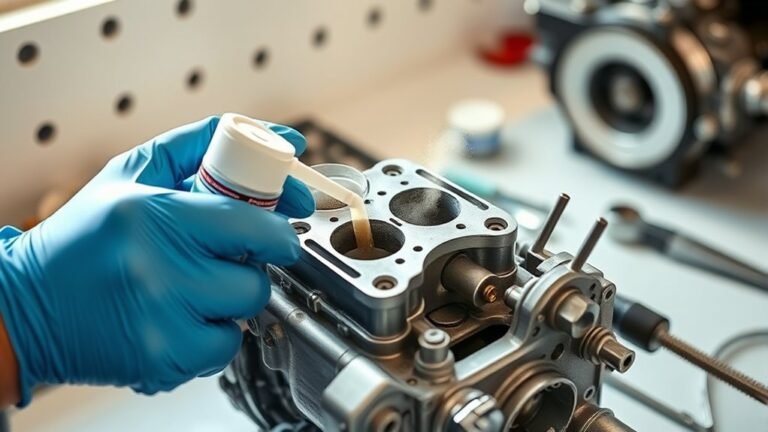
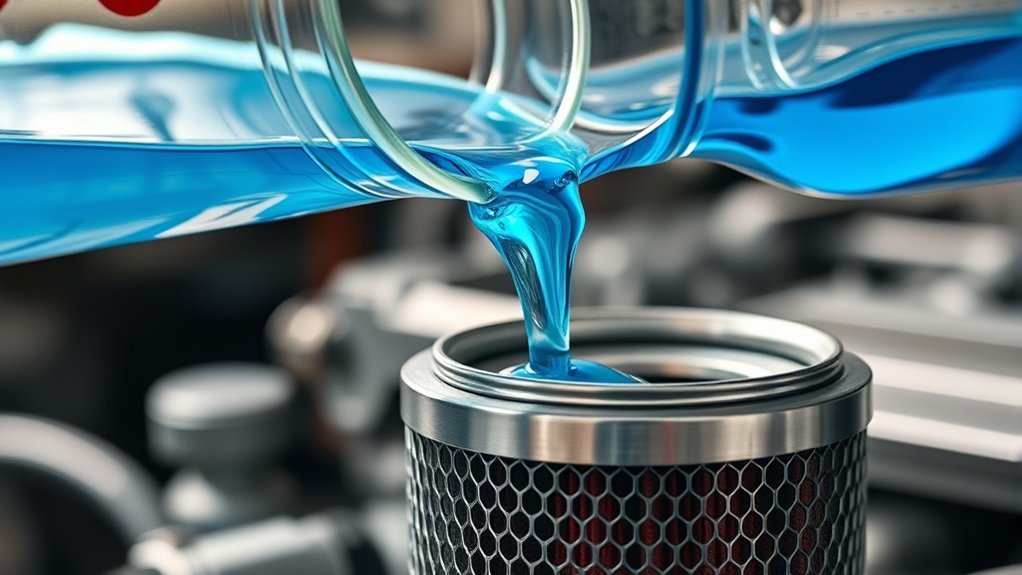
To use liquid fuel filter cleaner, add it to a partially filled fuel tank—not an empty one—to guarantee proper mixing and chemical action. Liquid fuel filter cleaners dissolve deposits and contaminants in the filter, preventing clogging and maintaining steady fuel flow.
This supports injector cleanliness, combustion efficiency, and overall engine performance. You’ll want to select a cleaner compatible with your fuel type and follow dosage instructions precisely.
For a deeper understanding of maximizing your fuel system’s health, keep exploring related maintenance strategies.
What Is Fuel Filter Cleaner and How It Works
How exactly does a fuel filter cleaner work to maintain your engine’s performance? Fuel filter cleaner targets contaminants within the fuel composition that can clog the filter and reduce fuel flow. By chemically breaking down deposits and preventing particle accumulation, it ensures the fuel filter remains unobstructed.
This process directly supports injector cleanliness by minimizing residue buildup on injector nozzles, which is crucial for optimal fuel atomization and combustion. Maintaining a clean fuel filter allows your engine to receive a consistent and uncontaminated fuel supply, preventing misfires and inefficiencies.
Essentially, the cleaner acts as a catalyst in preserving the integrity of fuel delivery components, optimizing engine responsiveness and longevity. Using this additive regularly helps maintain the precise balance required for efficient engine operation.
Why Fuel Filter Cleaners Are Essential
Why should you prioritize using fuel filter cleaners in your vehicle’s maintenance routine? These cleaners maintain optimal fuel flow by removing contaminants that clog filters. Ensuring cleaner compatibility with your specific fuel type is crucial to avoid damaging the filter or engine.
Additionally, proper storage considerations for the cleaner preserve its effectiveness over time, preventing degradation.
| Aspect | Importance |
|---|---|
| Cleaner Compatibility | Prevents filter damage and ensures efficacy |
| Storage Considerations | Maintains chemical stability and potency |
| Contaminant Removal | Keeps fuel system contaminants at bay |
| Performance Support | Sustains fuel efficiency and engine health |
Using fuel filter cleaners systematically safeguards your vehicle’s fuel system integrity and prolongs filter lifespan.
Benefits of Regular Fuel Filter Cleaning
Although it may seem like a minor maintenance task, regularly cleaning your fuel filter considerably enhances your vehicle’s performance and longevity. Keeping the fuel filter clean ensures optimal fuel flow through the fuel system, preventing contaminants from reaching critical engine components.
This reduces the risk of clogging, which can cause inefficient combustion, reduced power output, and increased fuel consumption. Adhering to your vehicle’s maintenance schedule for fuel filter cleaning helps maintain consistent engine performance, lowers emissions, and mitigates wear on the fuel pump.
Additionally, it prevents costly repairs associated with fuel system damage. By proactively cleaning the fuel filter, you support overall engine reliability and extend the lifespan of your fuel system components, ensuring your vehicle operates efficiently under varying driving conditions.
Common Signs Your Fuel Filter Needs Cleaning
If your vehicle starts acting up unexpectedly, it could be a sign that your fuel filter is clogged and needs cleaning. Common symptoms include engine misfires, reduced acceleration, and difficulty starting.
You might also notice a decrease in fuel efficiency due to restricted fuel flow. Additionally, an unclean fuel filter can compromise noise reduction, causing unusual engine sounds or vibrations.
Ignoring these signs can lead to more severe engine damage, potentially impacting your vehicle’s warranty. Timely maintenance of your fuel filter helps maintain optimal engine performance and preserves warranty coverage.
Monitoring these indicators closely ensures you address fuel filter issues promptly, avoiding costly repairs and maintaining your engine’s reliability.
How to Choose the Right Fuel Filter Cleaner for Your Engine
How do you determine which fuel filter cleaner is compatible with your engine’s specific requirements? First, you need to evaluate the fuel compatibility of the cleaner with your engine’s fuel type: diesel, gasoline, or biofuel blends. Using an incompatible cleaner can cause damage or reduce efficiency.
Next, consider the chemical formulation to ensure it effectively dissolves contaminants without harming the filter material. Lastly, check storage safety guidelines; some cleaners have strict temperature or ventilation requirements to maintain stability and prevent hazardous reactions.
- Confirm cleaner’s compatibility with your engine’s fuel type
- Verify active ingredients suit your filter material
- Review storage safety instructions to avoid degradation or hazards
Choosing precisely ensures optimal cleaning performance and long-term engine protection.
How to Apply Fuel Filter Cleaner
Before adding the fuel filter cleaner, make sure your fuel tank is at the appropriate level as specified by the product instructions. Measure the cleaner accurately to avoid under- or overdosing, which can affect performance.
Then, pour the cleaner directly into the fuel tank, ensuring it mixes thoroughly with the fuel for optimal filtration.
Preparing The Fuel Tank
Where should you start when preparing your fuel tank for a fuel filter cleaner? First, ensure your fuel storage conditions are optimal. Contaminants or water in the tank can reduce cleaner effectiveness.
Next, verify the ethanol compatibility of your fuel filter cleaner with your vehicle’s fuel type, as ethanol-blended fuels may require specific formulations.
Finally, take these technical steps before adding the cleaner:
- Inspect the fuel tank for visible debris or sediment.
- Confirm the fuel level aligns with manufacturer recommendations for cleaner application.
- Securely close the fuel cap to prevent vapor loss and maintain system pressure.
Proper preparation maximizes the cleaner’s ability to dissolve deposits and protect your fuel system components efficiently.
Measuring Correct Cleaner Amount
When determining the right amount of fuel filter cleaner to use, accuracy is essential to guarantee peak performance and avoid potential damage. You should always refer to the cleaner’s label instructions, which specify dosage based on fuel tank capacity.
Using too little reduces effectiveness, while excess cleaner may harm fuel system components. Avoid topic drift by focusing strictly on measurement guidelines rather than unrelated subjects like fuel types or engine tuning.
Don’t confuse measuring with adding cleaner—that’s an irrelevant concept here. Employ precise tools such as graduated cylinders or measuring cups to ensure correct volumes.
If your tank size is between recommended increments, calculate proportionally rather than guessing. Staying exact prevents waste, protects your fuel filter, and maintains engine reliability.
Adding Cleaner Properly
How exactly should you add fuel filter cleaner to guarantee ideal distribution and effectiveness? Proper application is essential for preventative maintenance and accurate fuel system diagnostics.
First, ensure your fuel tank is at least a quarter full to allow the cleaner to mix thoroughly. Then, pour the recommended amount directly into the fuel tank, avoiding spills that could degrade rubber components.
Finally, start the engine and let it run for several minutes to circulate the cleaner throughout the fuel system.
Use a clean funnel to prevent contamination
Add cleaner before refueling for optimal dilution
Follow manufacturer dosage instructions precisely
Mistakes to Avoid When Using Fuel Filter Cleaner
Why is it essential to avoid common mistakes when using fuel filter cleaner? Because improper use can reduce effectiveness and even harm your engine.
First, never mix unrelated topics like fuel additives or unrelated fluids during application; such random discussion in your maintenance routine leads to confusion and incorrect dosing.
Always follow the manufacturer’s dosage instructions precisely. Overuse can overload the filter, while underuse won’t remove contaminants effectively.
Avoid adding the cleaner to an empty fuel tank; always add it to a partially filled tank for proper mixing.
Lastly, don’t skip regular filter inspections after treatment. Ignoring signs of damage or clogging defeats the cleaner’s purpose.
Avoiding these mistakes ensures your fuel filter cleaner performs as intended, maintaining optimal fuel system health.
How Fuel Filter Cleaners Boost Efficiency and Performance
You’ll notice that fuel filter cleaners enhance combustion efficiency by removing deposits that hinder fuel flow. They also prevent clogging in your fuel filters, ensuring consistent fuel delivery.
This leads to improved engine performance and smoother operation overall.
Enhancing Fuel Combustion Efficiency
What impact does a clean fuel filter have on your engine’s combustion process? A clean filter ensures optimal fuel flow, which directly improves combustion efficiency. By removing contaminants, fuel filter cleaners maintain this clarity, enabling your engine to burn fuel more completely.
Using fuel filter cleaners supports fueling logistics by minimizing disruptions caused by clogged filters. During roadside maintenance, a cleaner filter reduces downtime and promotes smoother engine operation.
The benefits you’ll notice include:
- Enhanced fuel atomization for better combustion.
- Reduced deposit formation in the combustion chamber.
- Stable fuel pressure that supports consistent engine performance.
Together, these factors improve fuel economy and reduce emissions, making fuel filter cleaners essential for maintaining peak combustion efficiency in your vehicle.
Preventing Clogged Fuel Filters
How exactly do fuel filter cleaners help prevent clogging and maintain your engine’s efficiency? These additives work by dissolving deposits and contaminants that accumulate in your fuel filter, which can arise from poor fuel quality or degraded fuel storage conditions.
Over time, impurities like dirt, rust, and microbial growth build up, restricting fuel flow. By regularly using fuel filter cleaners, you break down these blockages, ensuring consistent filtration and protecting your fuel system components.
Additionally, maintaining good fuel quality and proper fuel storage minimizes the introduction of contaminants, enhancing the cleaner’s effectiveness. This proactive approach prevents premature filter replacement and keeps your engine running smoothly by preserving optimal fuel delivery and combustion conditions.
Fuel filter cleaners thus serve as a critical tool in maintaining filter integrity and system reliability.
Improving Engine Performance
Maintaining a clean fuel filter not only prevents blockages but also directly impacts your engine’s performance and efficiency. Using fuel filter cleaners helps remove contaminants that degrade fuel flow and combustion quality.
This process enhances overall engine operation by:
- Increasing fuel injector efficiency, ensuring precise fuel delivery
- Reducing engine knocking and misfires caused by impurities
- Improving combustion, which boosts power output and fuel economy
Ignoring fuel filter maintenance or engaging in unrelated topic discussions can lead to off-topic discussion distractions, but focusing on fuel filter cleaners directly supports your engine’s health. By keeping filters clean, you minimize strain on the fuel pump and optimize air-fuel mixture consistency.
This technical approach to fuel system care translates into smoother acceleration, lower emissions, and extended engine lifespan, all essential for maintaining peak vehicle performance.
How Often Should You Use Fuel Filter Cleaner for Best Results?
When should you apply fuel filter cleaner to ensure best engine performance? Ideally, you should follow your vehicle’s maintenance schedule, typically treating the fuel system every 3,000 to 5,000 miles or during each oil change.
Regular use of a fuel filter cleaner prevents clogging by dissolving deposits, maintaining optimal fuel flow and protecting injectors. However, frequency depends on fuel quality and driving conditions. If you frequently use low-grade fuel or drive in dusty environments, more frequent applications may be necessary.
Overuse isn’t recommended, as excessive additives can disrupt fuel chemistry. Stick to manufacturer guidelines for your fuel filter cleaner product and monitor engine performance. Consistent, scheduled cleaning preserves fuel system efficiency, prolongs filter life, and enhances overall engine reliability.
Tips for Maintaining Your Fuel System With Cleaners
You should establish a regular cleaning schedule to prevent buildup and ensure optimal fuel system performance. Selecting cleaners with proven detergent additives and compatibility with your engine type is crucial.
Following these guidelines helps maintain efficient fuel flow and prolongs filter life.
Regular Cleaning Schedule
How often should you clean your fuel filter to ensure optimal engine performance? Establishing a regular cleaning schedule is crucial for maintaining your fuel system’s efficiency and longevity. Proper maintenance planning prevents clogging, reduces wear, and maintains fuel flow consistency.
Consider these guidelines for your cleaning schedule:
- Clean or replace the fuel filter every 20,000 to 30,000 miles, depending on manufacturer recommendations.
- Inspect the filter during routine fuel system check-ups to detect early contamination.
- Use fuel filter cleaners proactively in line with your maintenance intervals to prevent buildup.
Adhering to this schedule ensures contaminants don’t impair fuel delivery or engine function. Consistent maintenance planning with timely cleaning optimizes fuel efficiency and prevents costly repairs, keeping your engine performing at its best.
Choosing Effective Cleaners
Why does selecting the right fuel filter cleaner matter for your engine’s performance? Because the cleaner you choose directly impacts how well your fuel system maintains engine cleanliness and efficiency. You want fuel additives specifically formulated to dissolve deposits without damaging fuel lines or filters.
Look for products compatible with your engine type, diesel or gasoline, as their chemical compositions differ. Effective cleaners improve fuel flow by removing contaminants that clog filters, preventing power loss and increased emissions.
When choosing a cleaner, check for certifications and user reviews confirming its efficacy in sustaining engine cleanliness over time. Avoid generic or overly harsh additives; they can degrade filter materials and reduce lifespan. Selecting the right cleaner ensures optimal fuel system performance, prolongs filter life, and maintains overall engine health.
Frequently Asked Questions
Can Fuel Filter Cleaners Damage My Engine if Overused?
Yes, overusing fuel filter cleaners can cause engine deposits to worsen. Around 30% of users report compatibility concerns with certain formulations, so you should always follow guidelines to avoid damage and ensure your engine runs smoothly.
Are Fuel Filter Cleaners Safe for All Types of Fuel Systems?
Fuel filter cleaners aren’t universally safe; you’ll need to check fuel compatibility carefully. Using the wrong cleaner can impair contaminant pickup or damage seals. Always follow manufacturer guidelines to ensure ideal performance and avoid system issues.
Do Fuel Filter Cleaners Affect Fuel Economy Immediately?
You won’t notice fuel efficiency improvements immediately after using fuel filter cleaners. They gradually enhance engine cleanliness, reducing deposits that impede fuel flow.
Over time, this leads to better combustion and improved fuel economy.
Can I Mix Different Brands of Fuel Filter Cleaners?
You shouldn’t mix different brands of fuel filter cleaners unless you confirm mix compatibility. Brand mixing can cause chemical reactions that reduce effectiveness or damage your fuel system, so always check product specifications before combining them.
Is It Necessary to Replace the Fuel Filter After Using Cleaner?
Like changing oil after a long drive, you should replace your fuel filter following cleaner use to ensure best fuel filter maintenance.
Even with proper cleaner compatibility, filters degrade and can’t be fully restored by cleaners alone.